
Disclosure: As an Amazon Associate, Bookish Wisdom earns from qualifying purchases. This doesn't change our picks or your price.
Spoiler warning: this analysis discusses the whole book, including the ending of The House on Mango Street.
Quick answer: The main themes in The House on Mango Street by Sandra Cisneros are identity and belonging, gender roles, poverty and class, the power of writing and home. Each is explained below with what it means, how it develops in the story and questions you can use for study or discussion.
Quick facts
- Book: The House on Mango Street by Sandra Cisneros
- First published: 1984
- Main themes: identity and belonging, gender roles, poverty and class, the power of writing and home
Table of Contents
About The House on Mango Street
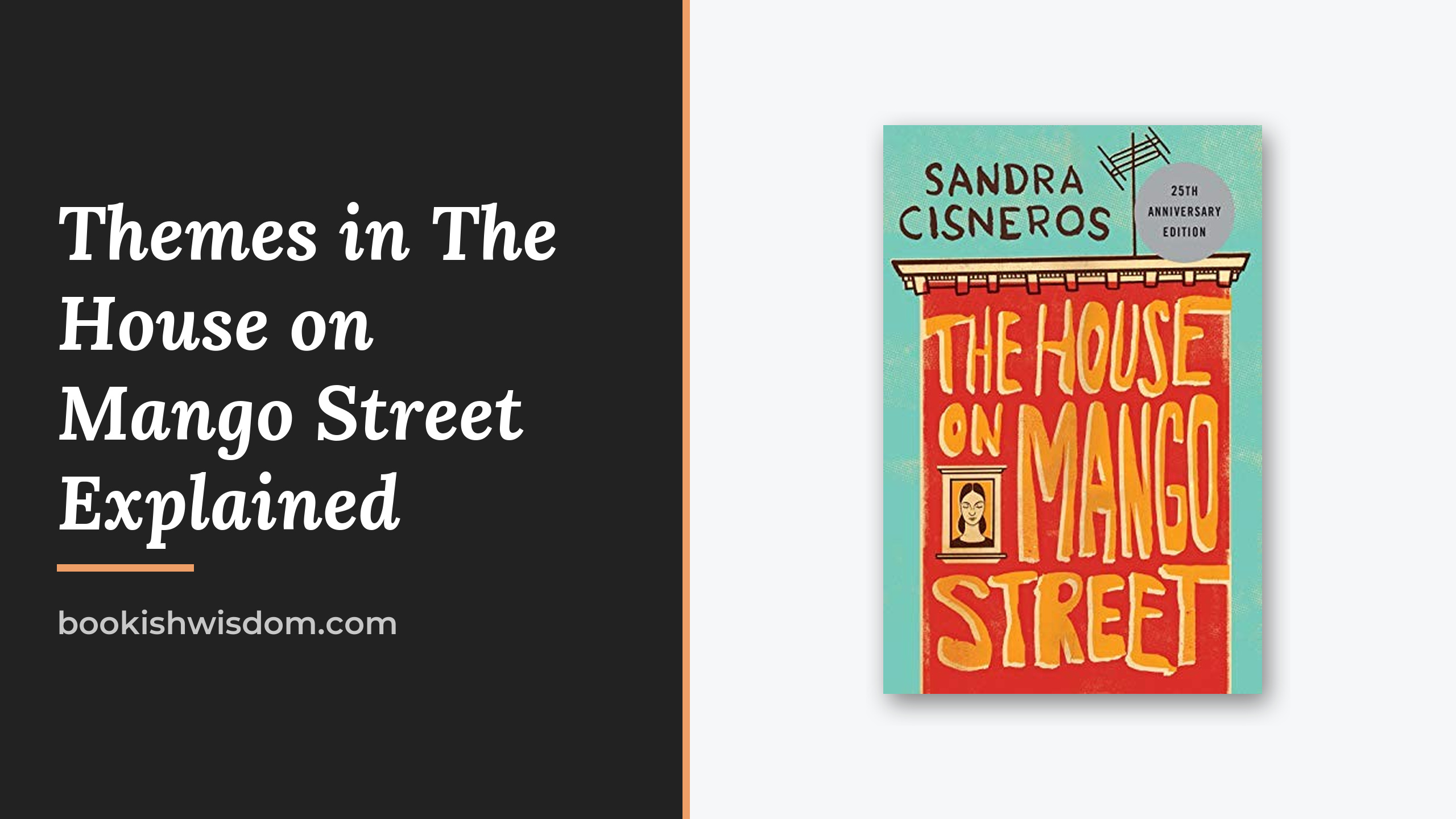
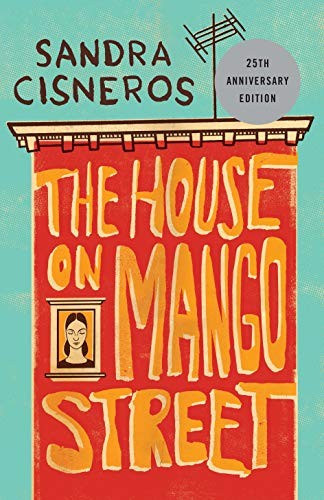
Esperanza Cordero, a young Mexican American girl, moves with her family to a small, run-down red house on Mango Street in a Latino neighbourhood of Chicago. It is not the house she dreamed of. Through a series of short vignettes over about a year, Esperanza describes her neighbours, her friends, the women trapped behind windows and her own growing awareness of poverty, gender and identity, along with her dream of one day having a house of her own.
Check price of The House on Mango Street on Amazon
The Main Themes in The House on Mango Street
1. Identity and belonging
Esperanza feels torn between her Mexican heritage and American life, and she dislikes her own name at first. Cisneros shows a girl working out who she is and where she belongs.
Question to consider: Where in The House on Mango Street does identity and belonging matter most to the characters, and what does Sandra Cisneros want readers to think about it?
2. Gender roles
Many women on Mango Street are trapped by husbands, fathers or poverty. Esperanza watches them and decides she does not want the same fate, making the book a powerful look at women's limits and hopes.
Question to consider: Where in The House on Mango Street does gender roles matter most to the characters, and what does Sandra Cisneros want readers to think about it?
3. Poverty and class
The family's house is small and crowded, and Esperanza is ashamed of it. The book shows how poverty shapes self-image and dreams.
Question to consider: Where in The House on Mango Street does poverty and class matter most to the characters, and what does Sandra Cisneros want readers to think about it?
4. The power of writing
Esperanza discovers that writing can free her. Cisneros suggests that telling your own story is a path to independence.
Question to consider: Where in The House on Mango Street does the power of writing matter most to the characters, and what does Sandra Cisneros want readers to think about it?
5. Home
Esperanza longs for a real house of her own. Home becomes a symbol of independence, safety and selfhood.
Question to consider: Where in The House on Mango Street does home matter most to the characters, and what does Sandra Cisneros want readers to think about it?
Symbols and Motifs
- The house. It represents both shame and the dream of independence.
- The four skinny trees. They symbolise resilience and growing in hard places.
- Windows. They stand for women trapped and watching.
- Shoes. High heels represent growing up and the pull of adulthood.
How the Themes Connect
Identity and belonging are Esperanza's central questions, and gender and poverty shape the answers she sees around her. Her dream of a house gives her hope, while writing becomes the key to reaching it. The book shows a girl turning her neighbourhood into her story.
How to Write About the Themes of The House on Mango Street
If you are writing an essay or preparing for class, these steps help:
- Pick one theme. A focused argument is stronger than a list of everything.
- Find evidence in the text. Point to specific scenes, characters and choices rather than general impressions.
- Explain, don't just describe. After each example, say what it shows about the theme.
- Connect to the ending. Ask how the final chapters resolve or complicate the theme.
- Consider other readings. A fair essay acknowledges that readers can disagree.
Discussion Questions
- Which of the themes above feels most relevant to your own life, and why?
- Do the characters in The House on Mango Street handle identity and belonging well or badly?
- How does the title relate to the themes of the book?
- Would the story change if it were set in a different time or place?
- What does Sandra Cisneros leave unresolved, and why might that be?
Books With Similar Themes
- Brown Girl Dreaming by Jacqueline Woodson
- Esperanza Rising by Pam Munoz Ryan
Related: The House on Mango Street by Sandra Cisneros: Summary and Key Takeaways · The House on Mango Street Book Club Discussion Questions
Frequently Asked Questions
What is the main theme of The House on Mango Street?
The central theme is identity and belonging, supported by gender roles and poverty and class.
How many themes does The House on Mango Street have?
This guide covers 5 main themes, but readers may find others.
Who wrote The House on Mango Street?
The House on Mango Street was written by Sandra Cisneros and first published in 1984.
Is The House on Mango Street a good book for studying themes?
Yes. Its themes are clear enough to follow and rich enough to support essays and group discussion.
What should I read after The House on Mango Street?
Try Brown Girl Dreaming by Jacqueline Woodson or Esperanza Rising by Pam Munoz Ryan.