
Disclosure: As an Amazon Associate, Bookish Wisdom earns from qualifying purchases. This doesn't change our picks or your price.
Spoiler warning: this analysis discusses the whole book, including the ending of The Lord of the Rings.
Quick answer: The main themes in The Lord of the Rings by J.R.R. Tolkien are power and corruption, friendship and loyalty, courage of the small, good versus evil and loss and change. Each is explained below with what it means, how it develops in the story and questions you can use for study or discussion.
Quick facts
- Book: The Lord of the Rings by J.R.R. Tolkien
- First published: 1954
- Main themes: power and corruption, friendship and loyalty, courage of the small, good versus evil and loss and change
Table of Contents
About The Lord of the Rings
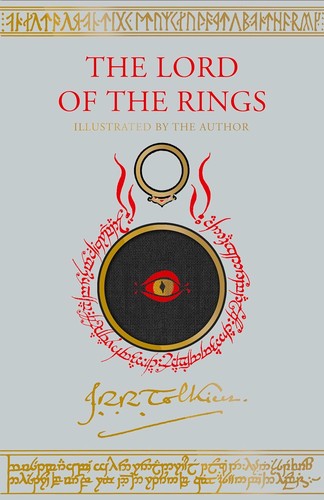
The hobbit Frodo Baggins inherits a plain gold ring from his uncle Bilbo, only to learn it is the One Ring, forged by the Dark Lord Sauron to rule Middle-earth. The Ring must be destroyed in the fires of Mount Doom, deep in Sauron's land of Mordor. Frodo sets out with a Fellowship of hobbits, men, an elf, a dwarf and the wizard Gandalf. As the Fellowship breaks apart, Frodo and his loyal friend Sam carry the Ring into Mordor, while their companions fight the armies of darkness.
Check price of The Lord of the Rings on Amazon
The Main Themes in The Lord of the Rings
1. Power and corruption
The Ring corrupts everyone who desires it, from Gollum to Boromir. Tolkien shows how the hunger for power destroys even good people, and why true strength lies in refusing it.
Question to consider: Where in The Lord of the Rings does power and corruption matter most to the characters, and what does J.R.R. Tolkien want readers to think about it?
2. Friendship and loyalty
Sam's devotion to Frodo carries the quest through its darkest moments. The novel celebrates loyalty, sacrifice and the strength found in fellowship.
Question to consider: Where in The Lord of the Rings does friendship and loyalty matter most to the characters, and what does J.R.R. Tolkien want readers to think about it?
3. Courage of the small
Hobbits are humble and overlooked, yet they change history. Tolkien suggests that ordinary people can achieve extraordinary things.
Question to consider: Where in The Lord of the Rings does courage of the small matter most to the characters, and what does J.R.R. Tolkien want readers to think about it?
4. Good versus evil
The struggle against Sauron is epic, but it is also personal. Each character must choose good in small moments.
Question to consider: Where in The Lord of the Rings does good versus evil matter most to the characters, and what does J.R.R. Tolkien want readers to think about it?
5. Loss and change
Even victory brings loss. Frodo cannot return to his old life, and the age of elves ends.
Question to consider: Where in The Lord of the Rings does loss and change matter most to the characters, and what does J.R.R. Tolkien want readers to think about it?
Symbols and Motifs
- The One Ring. It represents power, temptation and corruption.
- The Shire. It symbolises home, peace and simple goodness.
- Mount Doom. It stands for the final test and sacrifice.
- The light of Earendil. It represents hope in darkness.
How the Themes Connect
Power and corruption are the central dangers, and friendship and loyalty are what defeat them. The courage of the small shows how humble hobbits succeed where great warriors would fail, while good versus evil gives the story its epic scale. Loss and change make the ending bittersweet, as Frodo saves the Shire but cannot stay in it, a reminder that every great victory has a cost.
How to Write About the Themes of The Lord of the Rings
If you are writing an essay or preparing for class, these steps help:
- Pick one theme. A focused argument is stronger than a list of everything.
- Find evidence in the text. Point to specific scenes, characters and choices rather than general impressions.
- Explain, don't just describe. After each example, say what it shows about the theme.
- Connect to the ending. Ask how the final chapters resolve or complicate the theme.
- Consider other readings. A fair essay acknowledges that readers can disagree.
Discussion Questions
- Which of the themes above feels most relevant to your own life, and why?
- Do the characters in The Lord of the Rings handle power and corruption well or badly?
- How does the title relate to the themes of the book?
- Would the story change if it were set in a different time or place?
- What does J.R.R. Tolkien leave unresolved, and why might that be?
Books With Similar Themes
- The Hobbit by J.R.R. Tolkien
- A Game of Thrones by George R.R. Martin
Related: The Lord of the Rings by J. R. R. Tolkien: Summary and Key Takeaways · The Lord of the Rings Ending Explained
Frequently Asked Questions
What is the main theme of The Lord of the Rings?
The central theme is power and corruption, supported by friendship and loyalty and courage of the small.
How many themes does The Lord of the Rings have?
This guide covers 5 main themes, but readers may find others.
Who wrote The Lord of the Rings?
The Lord of the Rings was written by J.R.R. Tolkien and first published in 1954.
Is The Lord of the Rings a good book for studying themes?
Yes. Its themes are clear enough to follow and rich enough to support essays and group discussion.
What should I read after The Lord of the Rings?
Try The Hobbit by J.R.R. Tolkien or A Game of Thrones by George R.R. Martin.