
Disclosure: As an Amazon Associate, Bookish Wisdom earns from qualifying purchases. This doesn't change our picks or your price.
Spoiler warning: this analysis discusses the whole book, including the ending of The Miraculous Journey of Edward Tulane.
Quick answer: The main themes in The Miraculous Journey of Edward Tulane by Kate DiCamillo are learning to love, loss and grief, hope, the journey and compassion and kindness. Each is explained below with what it means, how it develops in the story and questions you can use for study or discussion.
Quick facts
- Book: The Miraculous Journey of Edward Tulane by Kate DiCamillo
- First published: 2006
- Main themes: learning to love, loss and grief, hope, the journey and compassion and kindness
Table of Contents
About The Miraculous Journey of Edward Tulane
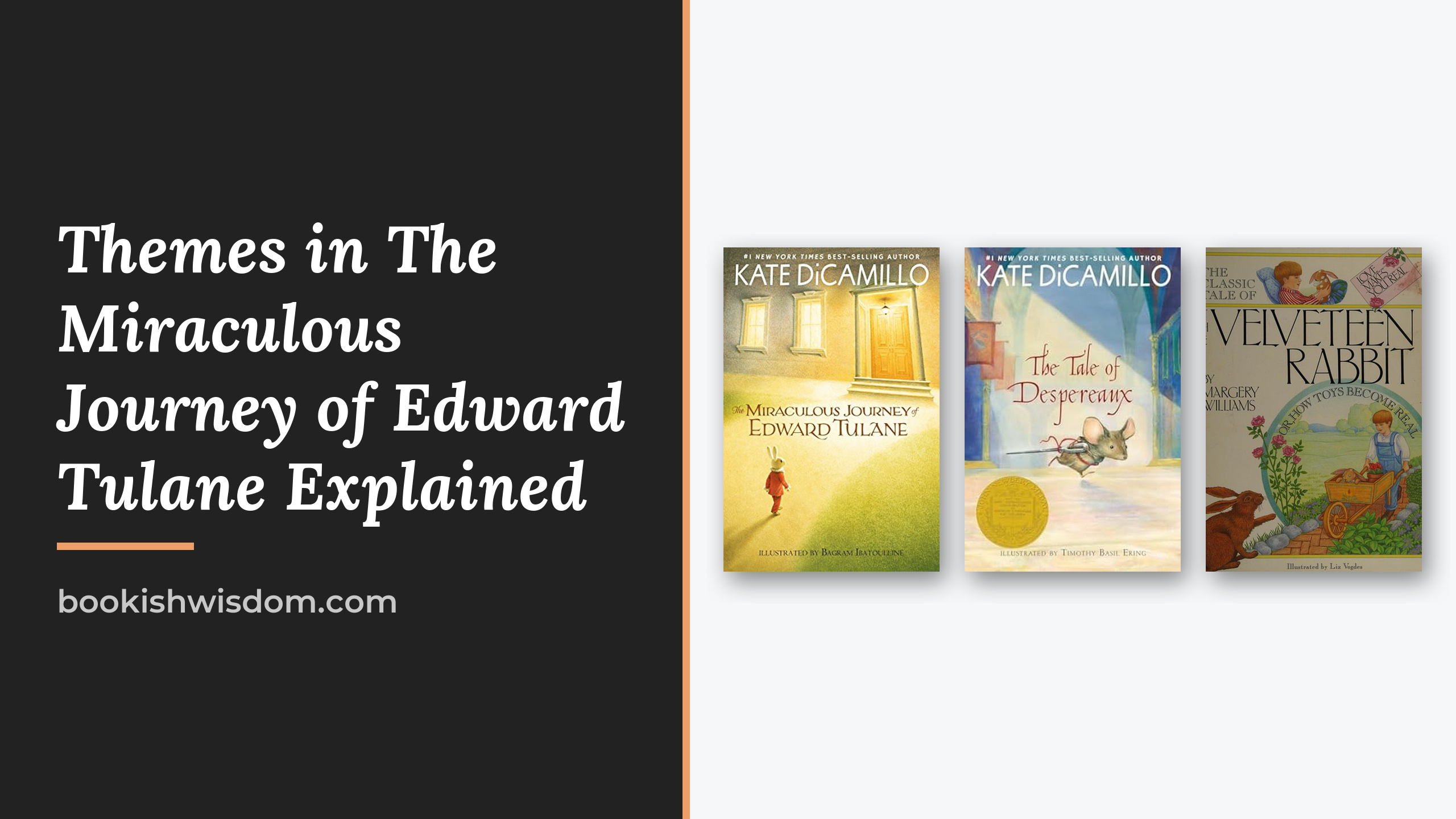
Edward Tulane is a proud china rabbit with a wardrobe of silk suits, real rabbit-fur ears and a gold pocket watch. He belongs to Abilene, a ten-year-old girl who adores him, but Edward loves no one but himself. Abilene's grandmother, Pellegrina, tells a strange bedtime story about a princess who loved no one and was turned into a warthog. On a voyage to London, boys throw Edward overboard and he sinks to the bottom of the ocean.
Check price of The Miraculous Journey of Edward Tulane on Amazon
The Main Themes in The Miraculous Journey of Edward Tulane
1. Learning to love
Edward begins vain and cold, caring only about his appearance and comfort. Through his journey, he slowly learns to love the people who care for him, and the change is the heart of the story.
Question to consider: Where in The Miraculous Journey of Edward Tulane does learning to love matter most to the characters, and what does Kate DiCamillo want readers to think about it?
2. Loss and grief
Every time Edward begins to love someone, he loses them. DiCamillo does not hide the sadness of loss, especially Sarah Ruth's death, but shows that grief is the price of love.
Question to consider: Where in The Miraculous Journey of Edward Tulane does loss and grief matter most to the characters, and what does Kate DiCamillo want readers to think about it?
3. Hope
At his lowest, broken and hung on a pole as a scarecrow, Edward gives up hope. An old doll in the doll mender's shop tells him that he must open his heart and hope again.
Question to consider: Where in The Miraculous Journey of Edward Tulane does hope matter most to the characters, and what does Kate DiCamillo want readers to think about it?
4. The journey
Edward's long journey through different homes and lives shows how experience changes us.
Question to consider: Where in The Miraculous Journey of Edward Tulane does the journey matter most to the characters, and what does Kate DiCamillo want readers to think about it?
5. Compassion and kindness
The people who care for Edward are often poor, lonely or suffering, yet they give him love. Kindness comes from unexpected places.
Question to consider: Where in The Miraculous Journey of Edward Tulane does compassion and kindness matter most to the characters, and what does Kate DiCamillo want readers to think about it?
Symbols and Motifs
- The pocket watch. Edward's gold watch represents time and his long wait to return home.
- The fur ears. His fine ears and clothes represent vanity, which he slowly gives up.
- The stars. Edward looks at the stars at night, which represent hope and the constellations Pellegrina named.
- The doll mender. The doll mender, Lucius Clarke, represents healing and second chances.
How the Themes Connect
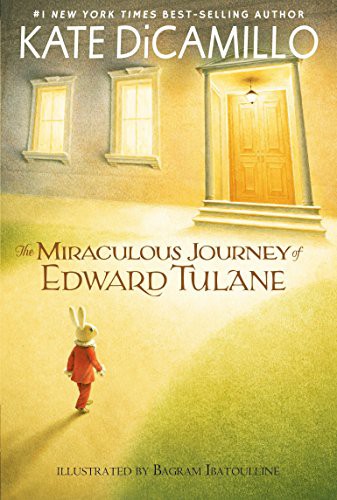
The themes connect through Edward's transformation from a selfish toy to a loving companion. Loss teaches him the value of love, and hope brings him home. The Miraculous Journey of Edward Tulane won the Boston Globe-Horn Book Award in 2006 and became a bestseller, with illustrations by Bagram Ibatoulline.
How to Write About the Themes of The Miraculous Journey of Edward Tulane
If you are writing an essay or preparing for class, these steps help:
- Pick one theme. A focused argument is stronger than a list of everything.
- Find evidence in the text. Point to specific scenes, characters and choices rather than general impressions.
- Explain, don't just describe. After each example, say what it shows about the theme.
- Connect to the ending. Ask how the final chapters resolve or complicate the theme.
- Consider other readings. A fair essay acknowledges that readers can disagree.
Discussion Questions
- Which of the themes above feels most relevant to your own life, and why?
- Do the characters in The Miraculous Journey of Edward Tulane handle learning to love well or badly?
- How does the title relate to the themes of the book?
- Would the story change if it were set in a different time or place?
- What does Kate DiCamillo leave unresolved, and why might that be?
Books With Similar Themes
-
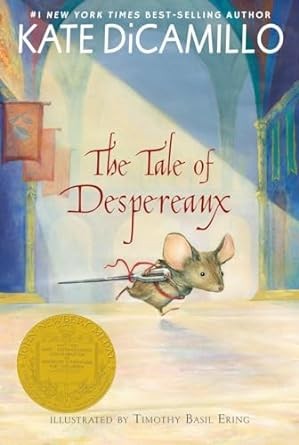
The Tale of Despereaux by Kate DiCamillo
-
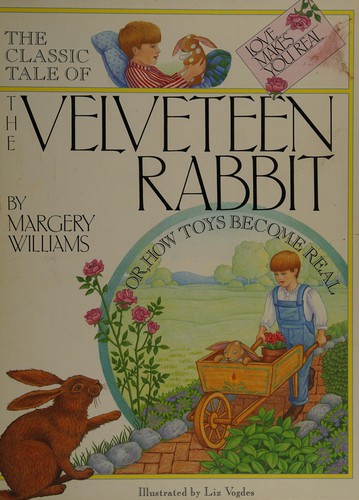
The Velveteen Rabbit by Margery Williams
Related: The Miraculous Journey of Edward Tulane Ending Explained · The Tale of Despereaux by Kate DiCamillo: Summary and Key Takeaways
Frequently Asked Questions
What is the main theme of The Miraculous Journey of Edward Tulane?
The central theme is learning to love, supported by loss and grief and hope.
How many themes does The Miraculous Journey of Edward Tulane have?
This guide covers 5 main themes, but readers may find others.
Who wrote The Miraculous Journey of Edward Tulane?
The Miraculous Journey of Edward Tulane was written by Kate DiCamillo and first published in 2006.
Is The Miraculous Journey of Edward Tulane a good book for studying themes?
Yes. Its themes are clear enough to follow and rich enough to support essays and group discussion.
What should I read after The Miraculous Journey of Edward Tulane?
Try The Tale of Despereaux by Kate DiCamillo or The Velveteen Rabbit by Margery Williams.