
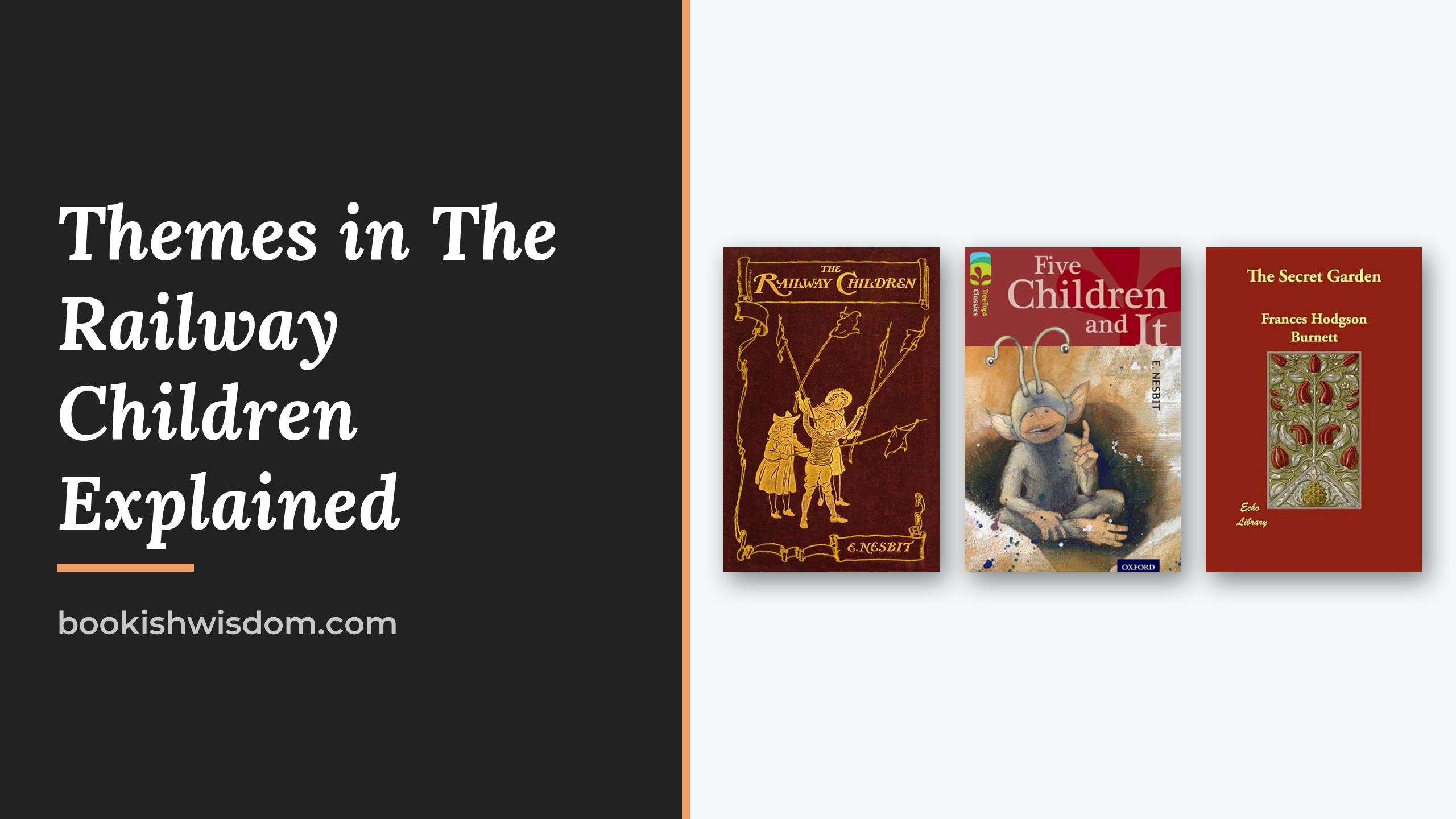
Disclosure: As an Amazon Associate, Bookish Wisdom earns from qualifying purchases. This doesn't change our picks or your price.
Spoiler warning: this analysis discusses the whole book, including the ending of The Railway Children.
Quick answer: The main themes in The Railway Children by E. Nesbit are family loyalty, kindness and charity, justice and injustice, growing up and pride and poverty. Each is explained below with what it means, how it develops in the story and questions you can use for study or discussion.
Quick facts
- Book: The Railway Children by E. Nesbit
- First published: 1906
- Main themes: family loyalty, kindness and charity, justice and injustice, growing up and pride and poverty
Table of Contents
About The Railway Children
When their father is mysteriously taken away, Roberta, Peter and Phyllis move with their mother from their comfortable London home to a small cottage near a railway in Yorkshire. Their mother writes stories to earn money. The children wave to the passing trains, befriend the porter Perks and an old gentleman on the 9:15, prevent a train crash and help a Russian exile. Eventually Roberta discovers that their father has been wrongly imprisoned for spying, and the old gentleman helps to free him.
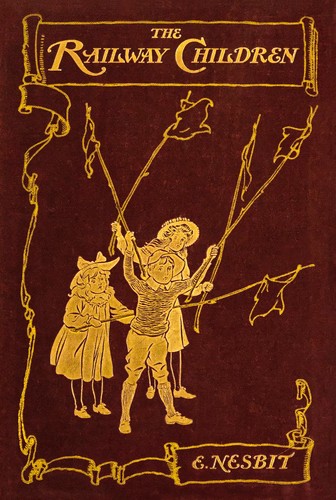
Check price of The Railway Children on Amazon
The Main Themes in The Railway Children
1. Family loyalty
The children stand by their mother and long for their father. Their love keeps them together through hard times.
Question to consider: Where in The Railway Children does family loyalty matter most to the characters, and what does E. Nesbit want readers to think about it?
2. Kindness and charity
The children help strangers, from the Russian exile to a boy injured in a tunnel. Nesbit shows that small acts of kindness matter.
Question to consider: Where in The Railway Children does kindness and charity matter most to the characters, and what does E. Nesbit want readers to think about it?
3. Justice and injustice
Their father is wrongly imprisoned. Roberta's discovery and the old gentleman's help show that injustice can be corrected.
Question to consider: Where in The Railway Children does justice and injustice matter most to the characters, and what does E. Nesbit want readers to think about it?
4. Growing up
Roberta, the eldest, begins to understand adult worries. She protects her younger siblings while learning painful truths.
Question to consider: Where in The Railway Children does growing up matter most to the characters, and what does E. Nesbit want readers to think about it?
5. Pride and poverty
The family must adjust to poverty with dignity. They learn the difference between accepting help and charity.
Question to consider: Where in The Railway Children does pride and poverty matter most to the characters, and what does E. Nesbit want readers to think about it?
Symbols and Motifs
- The railway. The trains represent connection to the wider world and to their lost father.
- The red petticoats. The girls' petticoats, used to warn a train of a landslide, symbolize courage and quick thinking.
- The old gentleman. He represents kindness and the power of goodwill.
- The final scene. Roberta's reunion with her father on the platform stands for restored justice.
How the Themes Connect
The themes connect through family love and kindness. The children's courage and generosity help bring their father home. Nesbit based the father's imprisonment partly on the Dreyfus affair in France. The novel has been adapted many times, most famously in the 1970 film starring Jenny Agutter, and Roberta's cry of 'Daddy, my Daddy!' on the station platform is one of the most moving moments in children's fiction. Readers often notice how Nesbit treats the children as capable people whose choices really matter.
How to Write About the Themes of The Railway Children
If you are writing an essay or preparing for class, these steps help:
- Pick one theme. A focused argument is stronger than a list of everything.
- Find evidence in the text. Point to specific scenes, characters and choices rather than general impressions.
- Explain, don't just describe. After each example, say what it shows about the theme.
- Connect to the ending. Ask how the final chapters resolve or complicate the theme.
- Consider other readings. A fair essay acknowledges that readers can disagree.
Discussion Questions
- Which of the themes above feels most relevant to your own life, and why?
- Do the characters in The Railway Children handle family loyalty well or badly?
- How does the title relate to the themes of the book?
- Would the story change if it were set in a different time or place?
- What does E. Nesbit leave unresolved, and why might that be?
Books With Similar Themes
-
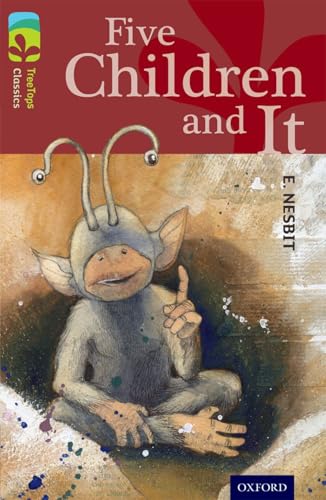
Five Children and It by E. Nesbit
-
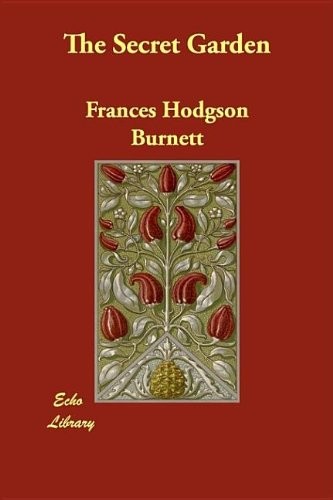
The Secret Garden by Frances Hodgson Burnett
Related: The Railway Children by E. Nesbit: Summary and Key Takeaways · The Railway Children Characters: A Complete Guide
Frequently Asked Questions
What is the main theme of The Railway Children?
The central theme is family loyalty, supported by kindness and charity and justice and injustice.
How many themes does The Railway Children have?
This guide covers 5 main themes, but readers may find others.
Who wrote The Railway Children?
The Railway Children was written by E. Nesbit and first published in 1906.
Is The Railway Children a good book for studying themes?
Yes. Its themes are clear enough to follow and rich enough to support essays and group discussion.
What should I read after The Railway Children?
Try Five Children and It by E. Nesbit or The Secret Garden by Frances Hodgson Burnett.