
Disclosure: As an Amazon Associate, Bookish Wisdom earns from qualifying purchases. This doesn't change our picks or your price.
Spoiler warning: this analysis discusses the whole book, including the ending of The Silver Sword.
Quick answer: The main themes in The Silver Sword by Ian Serraillier are family and hope, courage and resilience, the human cost of war, kindness of strangers and trust and belonging. Each is explained below with what it means, how it develops in the story and questions you can use for study or discussion.
Quick facts
- Book: The Silver Sword by Ian Serraillier
- First published: 1956
- Main themes: family and hope, courage and resilience, the human cost of war, kindness of strangers and trust and belonging
Table of Contents
About The Silver Sword
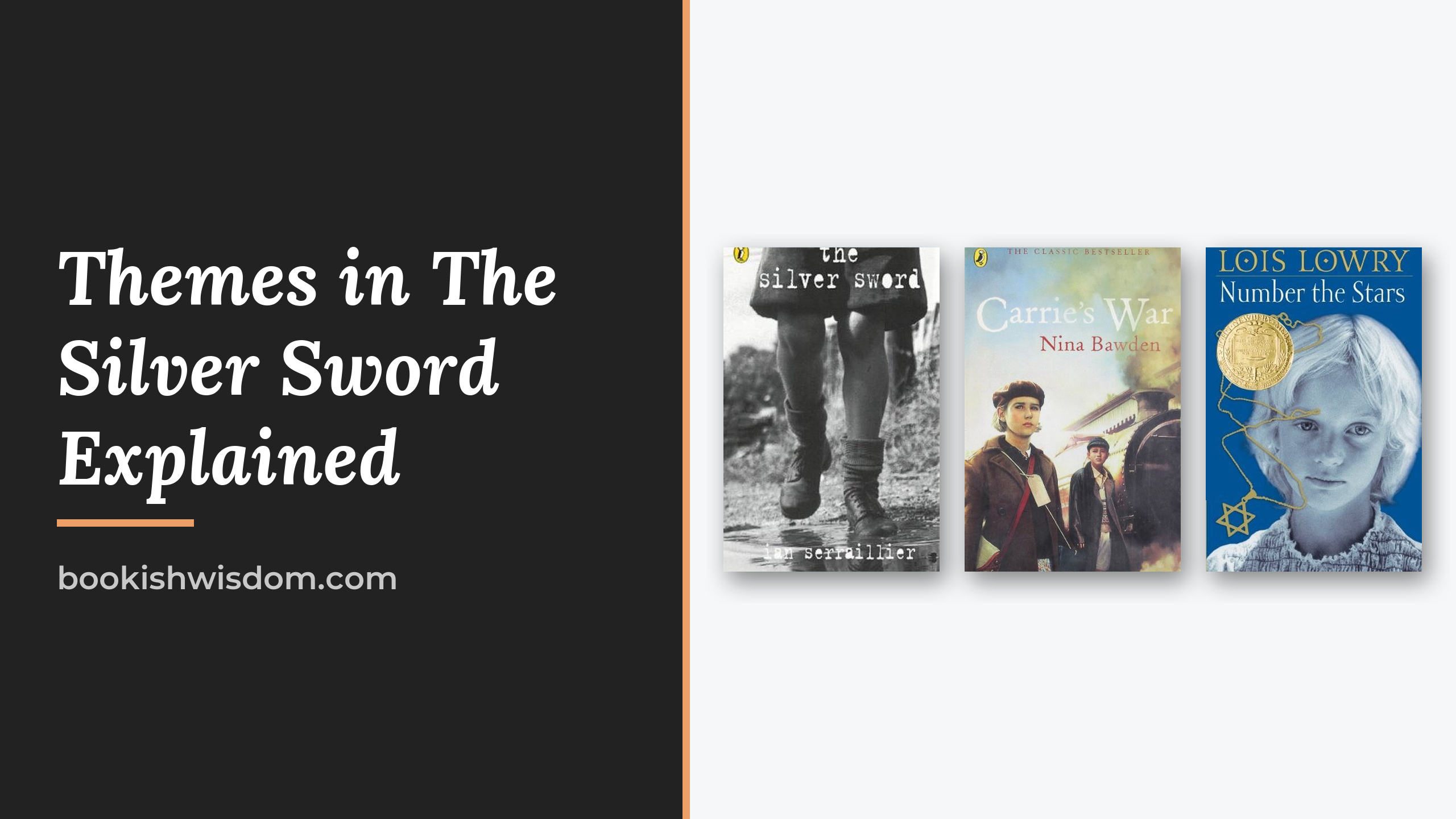
In 1940 Warsaw, Joseph Balicki, a headmaster, is arrested by the Nazis for turning a portrait of Hitler to face the wall and sent to a prison camp. His wife, Margrit, is taken away to Germany, and their three children, Ruth, Edek and Bronia, are left to survive alone in the ruined city. Joseph escapes and returns to Warsaw, where he meets Jan, a scrappy orphan boy who carries a small silver paper knife shaped like a sword, which Joseph recognizes as a gift he once gave his wife. When the war ends, the children, joined by Jan, set out on a long, dangerous journey across Europe to Switzerland, where they hope their parents may be waiting.
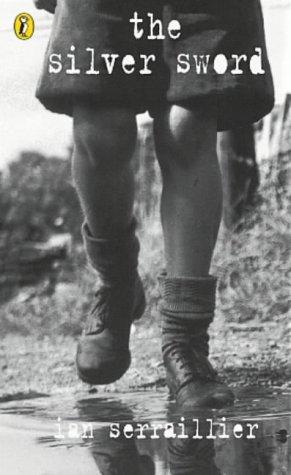
Check price of The Silver Sword on Amazon
The Main Themes in The Silver Sword
1. Family and hope
The children are driven by the hope of finding their parents. Their loyalty to each other keeps them going through cold, hunger and danger, and the book shows family as both a goal and a source of strength.
Question to consider: Where in The Silver Sword does family and hope matter most to the characters, and what does Ian Serraillier want readers to think about it?
2. Courage and resilience
Ruth, only thirteen when the war begins, becomes a mother to her siblings and runs a small school for orphans in the ruins. The children's courage is quiet and practical rather than heroic.
Question to consider: Where in The Silver Sword does courage and resilience matter most to the characters, and what does Ian Serraillier want readers to think about it?
3. The human cost of war
Serraillier shows bombed cities, refugee camps and hunger through children's eyes. Ordinary people suffer most.
Question to consider: Where in The Silver Sword does the human cost of war matter most to the characters, and what does Ian Serraillier want readers to think about it?
4. Kindness of strangers
Soldiers, farmers and families from different sides help the children on their journey, showing that kindness can cross enemy lines.
Question to consider: Where in The Silver Sword does kindness of strangers matter most to the characters, and what does Ian Serraillier want readers to think about it?
5. Trust and belonging
Jan, wild and distrustful after years alone, slowly learns to trust and becomes part of the family.
Question to consider: Where in The Silver Sword does trust and belonging matter most to the characters, and what does Ian Serraillier want readers to think about it?
Symbols and Motifs
- The silver sword. The paper knife represents hope and the promise that the family can be reunited.
- Jan's chicken and animals. Jan's pets represent his need for love and his tender heart.
- The Swiss border. Switzerland represents safety and a new start.
- The ruined city. Warsaw's ruins represent the destruction of war.
How the Themes Connect
The themes connect through the children's journey toward their parents. Hope, courage and the kindness of strangers carry them across a broken continent. Serraillier based the story on real accounts of refugee children after the Second World War, and the book was originally published in the US as Escape from Warsaw. It has been adapted for television twice by the BBC and remains a popular class reader in the UK for teaching about the war.
How to Write About the Themes of The Silver Sword
If you are writing an essay or preparing for class, these steps help:
- Pick one theme. A focused argument is stronger than a list of everything.
- Find evidence in the text. Point to specific scenes, characters and choices rather than general impressions.
- Explain, don't just describe. After each example, say what it shows about the theme.
- Connect to the ending. Ask how the final chapters resolve or complicate the theme.
- Consider other readings. A fair essay acknowledges that readers can disagree.
Discussion Questions
- Which of the themes above feels most relevant to your own life, and why?
- Do the characters in The Silver Sword handle family and hope well or badly?
- How does the title relate to the themes of the book?
- Would the story change if it were set in a different time or place?
- What does Ian Serraillier leave unresolved, and why might that be?
Books With Similar Themes
-
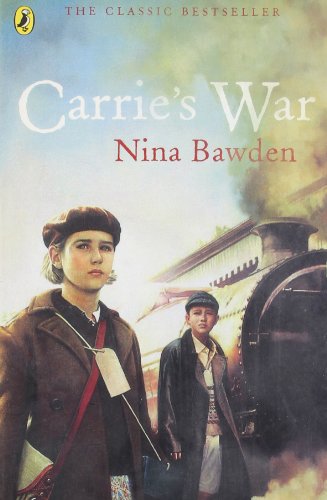
Carrie's War by Nina Bawden
-
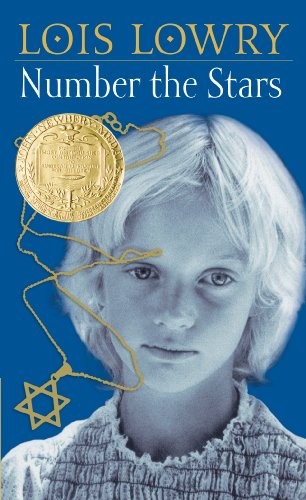
Number the Stars by Lois Lowry
Related: Number the Stars by Lois Lowry: Summary and Key Takeaways
Frequently Asked Questions
What is the main theme of The Silver Sword?
The central theme is family and hope, supported by courage and resilience and the human cost of war.
How many themes does The Silver Sword have?
This guide covers 5 main themes, but readers may find others.
Who wrote The Silver Sword?
The Silver Sword was written by Ian Serraillier and first published in 1956.
Is The Silver Sword a good book for studying themes?
Yes. Its themes are clear enough to follow and rich enough to support essays and group discussion.
What should I read after The Silver Sword?
Try Carrie's War by Nina Bawden or Number the Stars by Lois Lowry.