
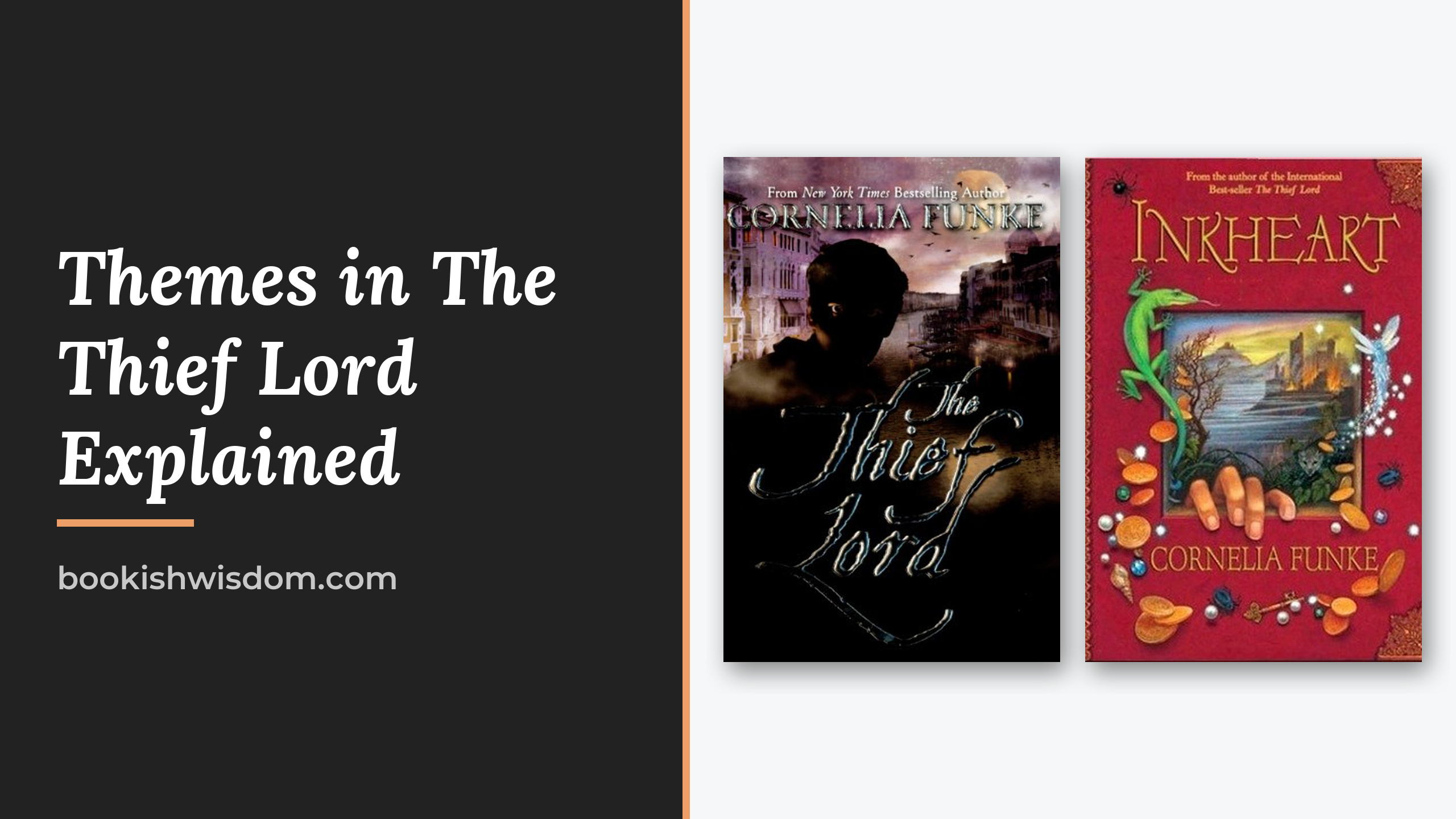
Disclosure: As an Amazon Associate, Bookish Wisdom earns from qualifying purchases. This doesn't change our picks or your price.
Spoiler warning: this analysis discusses the whole book, including the ending of The Thief Lord.
Quick answer: The main themes in The Thief Lord by Cornelia Funke are family and belonging, growing up and childhood, identity and disguise, home and Venice and truth and lies. Each is explained below with what it means, how it develops in the story and questions you can use for study or discussion.
Quick facts
- Book: The Thief Lord by Cornelia Funke
- First published: 2000
- Main themes: family and belonging, growing up and childhood, identity and disguise, home and Venice and truth and lies
Table of Contents
About The Thief Lord
After their mother dies, twelve-year-old Prosper and his five-year-old brother Bo learn that their wealthy aunt Esther wants to adopt only Bo, the cute one. Refusing to be separated, they run away from Hamburg to Venice, the city their mother told them was full of winged lions and magic. They join a gang of street children who live in an abandoned cinema, led by Scipio, a boy in a mask who calls himself the Thief Lord and brings home stolen treasures to sell. Their aunt hires the kindly detective Victor Getz to find them. Meanwhile, a mysterious man called the Conte offers the children a fortune to steal a wooden wing, the missing piece of a magical merry-go-round that can make riders older or younger.
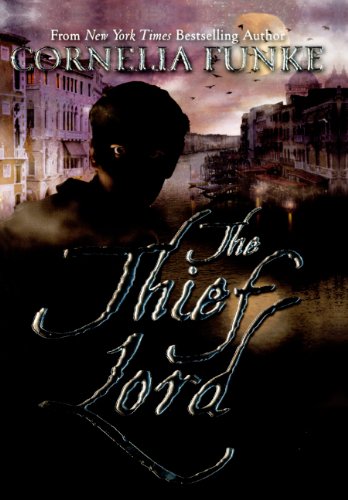
Check price of The Thief Lord on Amazon
The Main Themes in The Thief Lord
1. Family and belonging
Prosper and Bo refuse to be split apart, and the street children become a family for each other. Funke shows that family can be found as well as born into.
Question to consider: Where in The Thief Lord does family and belonging matter most to the characters, and what does Cornelia Funke want readers to think about it?
2. Growing up and childhood
Scipio longs to be an adult so no one can tell him what to do, while the old Barbarossa wants to be a child again. The merry-go-round grants both wishes, and the results show that every age has its gifts and costs.
Question to consider: Where in The Thief Lord does growing up and childhood matter most to the characters, and what does Cornelia Funke want readers to think about it?
3. Identity and disguise
Scipio, the Thief Lord, hides a secret identity behind his mask. The novel explores how people invent new selves to escape their lives.
Question to consider: Where in The Thief Lord does identity and disguise matter most to the characters, and what does Cornelia Funke want readers to think about it?
4. Home and Venice
The canals, palaces and hidden courtyards of Venice make the city a magical home for the runaways.
Question to consider: Where in The Thief Lord does home and Venice matter most to the characters, and what does Cornelia Funke want readers to think about it?
5. Truth and lies
Scipio's lies are exposed, and the children must decide whether they can still trust him.
Question to consider: Where in The Thief Lord does truth and lies matter most to the characters, and what does Cornelia Funke want readers to think about it?
Symbols and Motifs
- The merry-go-round. Represents the wish to change one's age and the dangers of getting what you want.
- The mask. Scipio's mask represents disguise and the gap between who we are and who we want to be.
- The Star-Palace cinema. The abandoned cinema represents a safe home of the children's own making.
- The wing. The carved wing represents the missing piece that makes magic possible.
How the Themes Connect
The themes connect through the children's search for family and their wishes to grow up or stay young. Disguise, lies and the magic of Venice shape their adventure. The Thief Lord was Cornelia Funke's first book translated into English and won the Mildred L.
How to Write About the Themes of The Thief Lord
If you are writing an essay or preparing for class, these steps help:
- Pick one theme. A focused argument is stronger than a list of everything.
- Find evidence in the text. Point to specific scenes, characters and choices rather than general impressions.
- Explain, don't just describe. After each example, say what it shows about the theme.
- Connect to the ending. Ask how the final chapters resolve or complicate the theme.
- Consider other readings. A fair essay acknowledges that readers can disagree.
Discussion Questions
- Which of the themes above feels most relevant to your own life, and why?
- Do the characters in The Thief Lord handle family and belonging well or badly?
- How does the title relate to the themes of the book?
- Would the story change if it were set in a different time or place?
- What does Cornelia Funke leave unresolved, and why might that be?
Books With Similar Themes
-
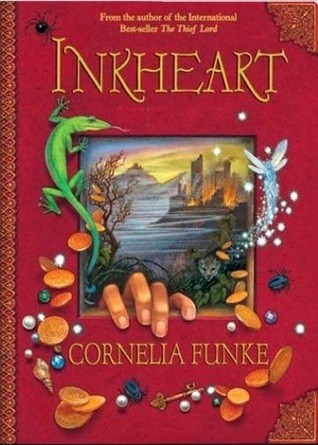
Inkheart by Cornelia Funke
- Emil and the Detectives by Erich Kastner
Related: The Thief Lord by Cornelia Funke: Summary and Key Takeaways · The Thief Lord Characters: A Complete Guide
Frequently Asked Questions
What is the main theme of The Thief Lord?
The central theme is family and belonging, supported by growing up and childhood and identity and disguise.
How many themes does The Thief Lord have?
This guide covers 5 main themes, but readers may find others.
Who wrote The Thief Lord?
The Thief Lord was written by Cornelia Funke and first published in 2000.
Is The Thief Lord a good book for studying themes?
Yes. Its themes are clear enough to follow and rich enough to support essays and group discussion.
What should I read after The Thief Lord?
Try Inkheart by Cornelia Funke or Emil and the Detectives by Erich Kastner.