
Disclosure: As an Amazon Associate, Bookish Wisdom earns from qualifying purchases. This doesn't change our picks or your price.
Spoiler warning: this analysis discusses the whole book, including the ending of Waiting for the Barbarians.
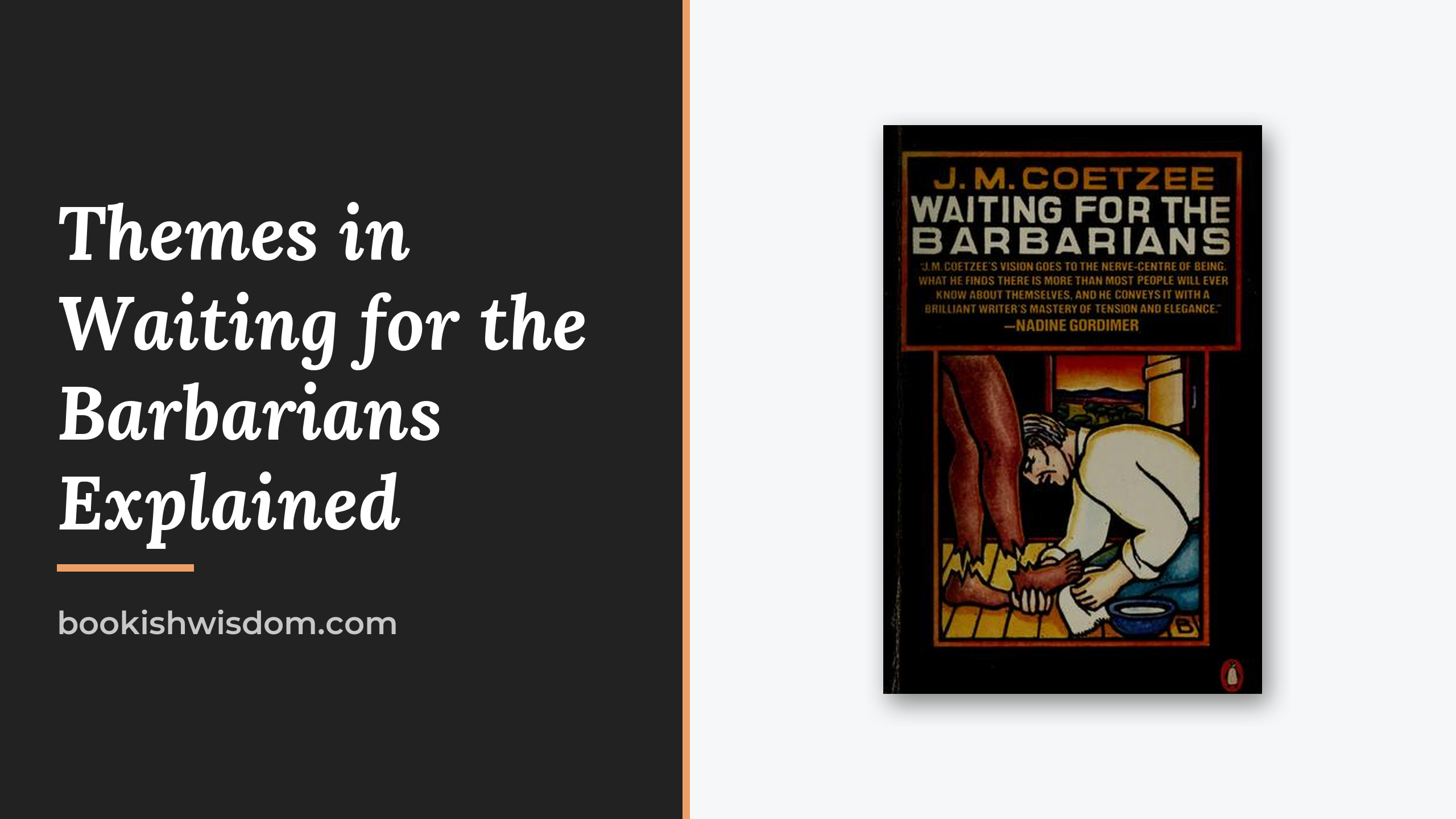
Quick answer: The main themes in Waiting for the Barbarians by J.M. Coetzee are empire and power, torture and cruelty, complicity and conscience, otherness and history and time. Each is explained below with what it means, how it develops in the story and questions you can use for study or discussion.
Quick facts
- Book: Waiting for the Barbarians by J.M. Coetzee
- First published: 1980
- Main themes: empire and power, torture and cruelty, complicity and conscience, otherness and history and time
Table of Contents
About Waiting for the Barbarians
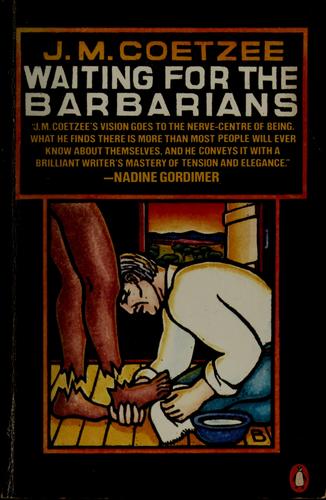
In an unnamed frontier town on the edge of an empire, the Magistrate has lived a quiet life. When Colonel Joll arrives from the capital to investigate rumours that the nomadic “barbarians” are planning an attack, he tortures prisoners for information. The Magistrate becomes troubled and takes in a barbarian girl who was blinded and crippled by torture. When he returns her to her people, he is accused of treason and himself becomes a prisoner and victim of the empire's cruelty.
Check price of Waiting for the Barbarians on Amazon
The Main Themes in Waiting for the Barbarians
1. Empire and power
The empire invents enemies to justify violence. Coetzee shows how imperial power depends on creating fear of outsiders.
Question to consider: Where in Waiting for the Barbarians does empire and power matter most to the characters, and what does J.M. Coetzee want readers to think about it?
2. Torture and cruelty
Colonel Joll tortures innocent people. The novel exposes the cruelty states use to maintain control.
Question to consider: Where in Waiting for the Barbarians does torture and cruelty matter most to the characters, and what does J.M. Coetzee want readers to think about it?
3. Complicity and conscience
The Magistrate realises he has benefited from the empire. He struggles with guilt and conscience.
Question to consider: Where in Waiting for the Barbarians does complicity and conscience matter most to the characters, and what does J.M. Coetzee want readers to think about it?
4. Otherness
The “barbarians” are never shown to be a threat. The novel questions who the real barbarians are.
Question to consider: Where in Waiting for the Barbarians does otherness matter most to the characters, and what does J.M. Coetzee want readers to think about it?
5. History and time
The empire tries to control history, while the Magistrate seeks lost ruins.
Question to consider: Where in Waiting for the Barbarians does history and time matter most to the characters, and what does J.M. Coetzee want readers to think about it?
Symbols and Motifs
- The barbarian girl. She represents the victims of empire.
- Colonel Joll's sunglasses. They symbolise cold, hidden power.
- The wooden slips. They stand for unreadable history.
- The frontier. It represents the edge of empire.
How the Themes Connect
Empire and power shape the novel's world, while torture and cruelty show its methods. Complicity and conscience drive the Magistrate's change, otherness questions who the real barbarians are and history and time frame it all. The novel is an allegory that applies to many empires and regimes.
How to Write About the Themes of Waiting for the Barbarians
If you are writing an essay or preparing for class, these steps help:
- Pick one theme. A focused argument is stronger than a list of everything.
- Find evidence in the text. Point to specific scenes, characters and choices rather than general impressions.
- Explain, don't just describe. After each example, say what it shows about the theme.
- Connect to the ending. Ask how the final chapters resolve or complicate the theme.
- Consider other readings. A fair essay acknowledges that readers can disagree.
Discussion Questions
- Which of the themes above feels most relevant to your own life, and why?
- Do the characters in Waiting for the Barbarians handle empire and power well or badly?
- How does the title relate to the themes of the book?
- Would the story change if it were set in a different time or place?
- What does J.M. Coetzee leave unresolved, and why might that be?
Books With Similar Themes
Related: Waiting for the Barbarians by J. M. Coetzee: Summary and Key Takeaways · Waiting for the Barbarians Ending Explained
Frequently Asked Questions
What is the main theme of Waiting for the Barbarians?
The central theme is empire and power, supported by torture and cruelty and complicity and conscience.
How many themes does Waiting for the Barbarians have?
This guide covers 5 main themes, but readers may find others.
Who wrote Waiting for the Barbarians?
Waiting for the Barbarians was written by J.M. Coetzee and first published in 1980.
Is Waiting for the Barbarians a good book for studying themes?
Yes. Its themes are clear enough to follow and rich enough to support essays and group discussion.
What should I read after Waiting for the Barbarians?
Try Disgrace by J.M. Coetzee or 1984 by George Orwell.