
Disclosure: As an Amazon Associate, Bookish Wisdom earns from qualifying purchases. This doesn't change our picks or your price.
Spoiler warning: this analysis discusses the whole book, including the ending of Where the Wild Things Are.
Quick answer: The main themes in Where the Wild Things Are by Maurice Sendak are imagination, anger and emotions, power and control, home and belonging and love and forgiveness. Each is explained below with what it means, how it develops in the story and questions you can use for study or discussion.
Quick facts
- Book: Where the Wild Things Are by Maurice Sendak
- First published: 1963
- Main themes: imagination, anger and emotions, power and control, home and belonging and love and forgiveness
Table of Contents
About Where the Wild Things Are
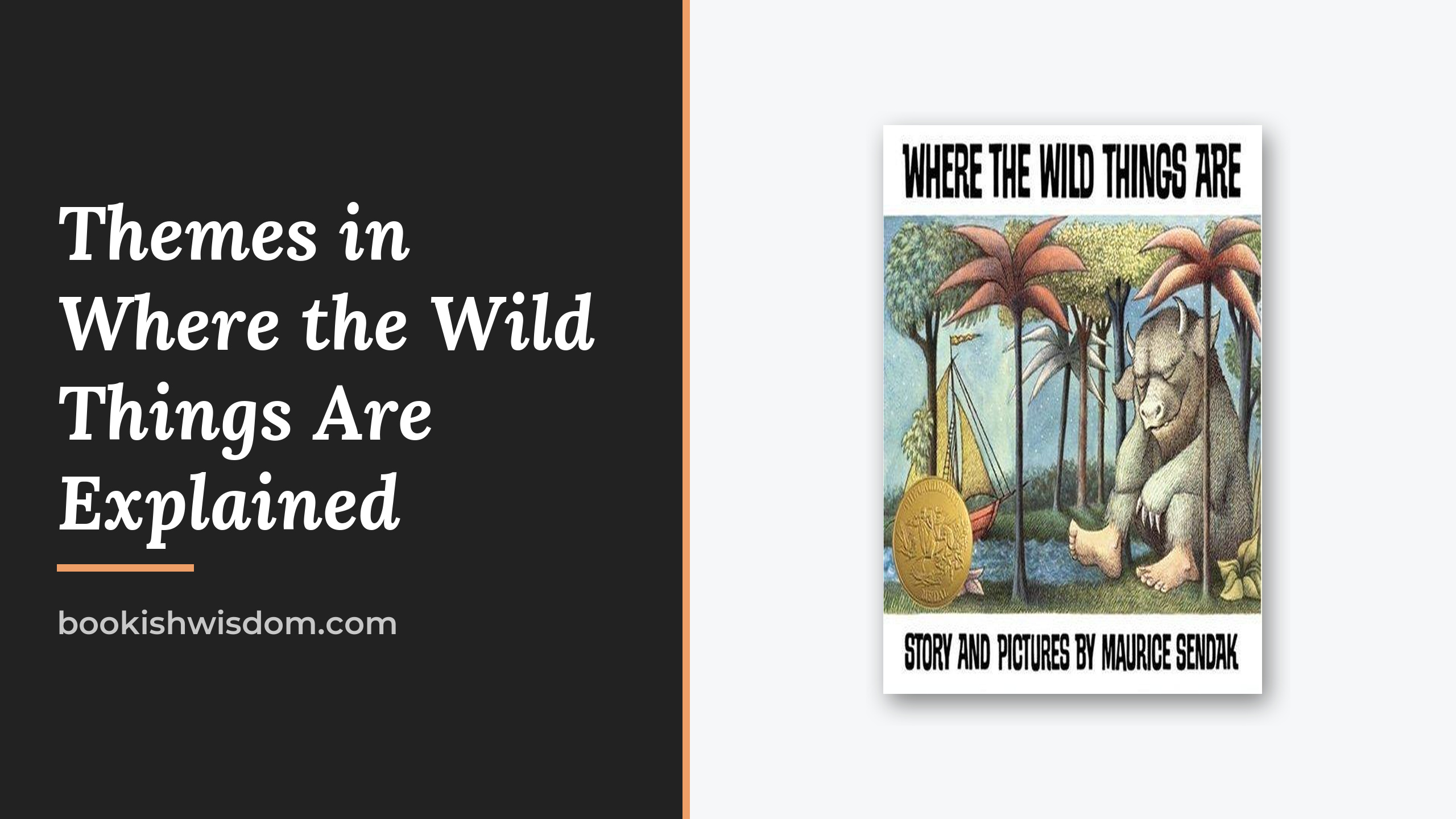
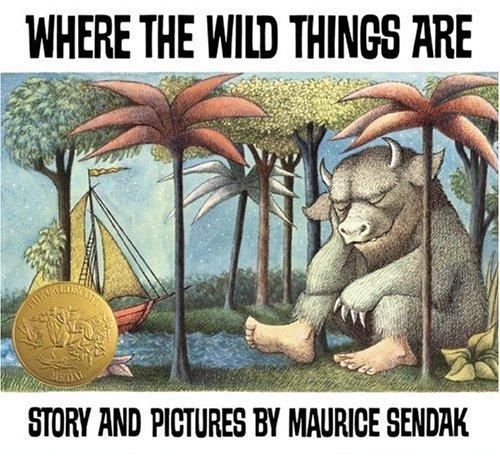
Max puts on his wolf suit and makes mischief around the house until his mother calls him “Wild Thing” and sends him to bed without supper. In his room a forest grows, an ocean appears and Max sails away to the land where the wild things are. He tames the monsters with a magic trick, becomes their king and leads a wild rumpus. Then he grows lonely, sails home and finds his supper waiting for him, still hot.
Check price of Where the Wild Things Are on Amazon
The Main Themes in Where the Wild Things Are
1. Imagination
Max's room transforms into a forest and sea through his imagination alone. Sendak shows imagination as a safe place where children can explore big feelings and powerful fantasies.
Question to consider: Where in Where the Wild Things Are does imagination matter most to the characters, and what does Maurice Sendak want readers to think about it?
2. Anger and emotions
Max is angry after being punished, and the wild things roar and gnash their teeth like his own temper. The book treats a child's strong emotions honestly, without shame or a lecture.
Question to consider: Where in Where the Wild Things Are does anger and emotions matter most to the characters, and what does Maurice Sendak want readers to think about it?
3. Power and control
Max becomes king of the wild things and controls them with a stare. The story explores a child's longing for power in a world where adults usually make the rules.
Question to consider: Where in Where the Wild Things Are does power and control matter most to the characters, and what does Maurice Sendak want readers to think about it?
4. Home and belonging
After the rumpus, Max wants to be where someone loves him best of all. Sendak shows that even the wildest adventure ends with a longing for home and family.
Question to consider: Where in Where the Wild Things Are does home and belonging matter most to the characters, and what does Maurice Sendak want readers to think about it?
5. Love and forgiveness
The hot supper waiting in his room shows that his mother still loves him. The book reassures children that love survives anger and mistakes.
Question to consider: Where in Where the Wild Things Are does love and forgiveness matter most to the characters, and what does Maurice Sendak want readers to think about it?
Symbols and Motifs
- The wolf suit. It represents Max's wild, rebellious side.
- The wild things. They stand for big, scary emotions.
- The boat. It symbolises the journey into and out of imagination.
- The hot supper. It represents unconditional love and forgiveness.
How the Themes Connect
Max's anger sets the story in motion, and imagination gives that anger a safe place to go. As king, he experiences power and control, but he soon learns that power is lonely. Home and the warm supper show that love and forgiveness are stronger than any rumpus.
How to Write About the Themes of Where the Wild Things Are
If you are writing an essay or preparing for class, these steps help:
- Pick one theme. A focused argument is stronger than a list of everything.
- Find evidence in the text. Point to specific scenes, characters and choices rather than general impressions.
- Explain, don't just describe. After each example, say what it shows about the theme.
- Connect to the ending. Ask how the final chapters resolve or complicate the theme.
- Consider other readings. A fair essay acknowledges that readers can disagree.
Discussion Questions
- Which of the themes above feels most relevant to your own life, and why?
- Do the characters in Where the Wild Things Are handle imagination well or badly?
- How does the title relate to the themes of the book?
- Would the story change if it were set in a different time or place?
- What does Maurice Sendak leave unresolved, and why might that be?
Books With Similar Themes
- The Cat in the Hat by Dr. Seuss
- Green Eggs and Ham by Dr. Seuss
Related: Where the Wild Things Are by Maurice Sendak: Summary and Key Takeaways · 15 Books Like Where the Wild Things Are You’ll Love
Frequently Asked Questions
What is the main theme of Where the Wild Things Are?
The central theme is imagination, supported by anger and emotions and power and control.
How many themes does Where the Wild Things Are have?
This guide covers 5 main themes, but readers may find others.
Who wrote Where the Wild Things Are?
Where the Wild Things Are was written by Maurice Sendak and first published in 1963.
Is Where the Wild Things Are a good book for studying themes?
Yes. Its themes are clear enough to follow and rich enough to support essays and group discussion.
What should I read after Where the Wild Things Are?
Try The Cat in the Hat by Dr. Seuss or Green Eggs and Ham by Dr. Seuss.