
Disclosure: As an Amazon Associate, Bookish Wisdom earns from qualifying purchases. This doesn't change our picks or your price.
Quick answer: Good book club questions for Water for Elephants focus on jacob, the circus and ending. Below are 18 questions grouped by theme, with a spoiler-free summary, a characters-and-themes table, meeting ideas and a sample 90-minute plan.
Quick facts
– Book: Water for Elephants by Sara Gruen
– First published: 2006
– Setting: A Depression-era circus
– Adaptation: 2011 film
– Content note: Animal cruelty, violence
Water for Elephants is a rewarding choice for a book club because it gives readers plenty to discuss without needing special knowledge. This guide gives you questions you can use as written or adapt for your group, plus ideas for running the meeting, so that a host with little time can still lead a good conversation.
Table of Contents
Spoiler-Free Summary
Jacob Jankowski, a veterinary student whose parents die, joins a failing circus during the Great Depression. He falls in love with a performer and bonds with an elephant named Rosie while confronting cruelty.
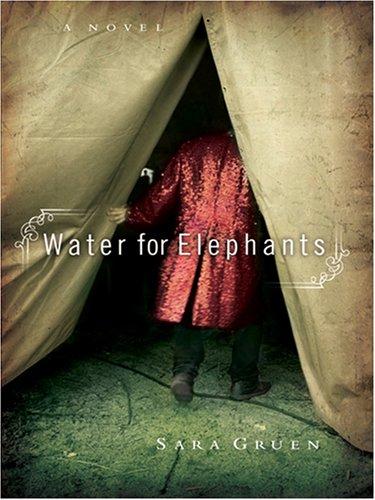
Check price of Water for Elephants on Amazon
Main Characters and Themes
| Character or Theme | What to Know |
|---|---|
| Jacob | The narrator |
| Marlena | The performer |
| August | Her husband |
| Rosie | The elephant |
Discussion Questions (Contains Spoilers)
These questions assume everyone has finished the book, so they discuss the ending. They are grouped by theme so you can move through them in order or jump to the topic your group cares about most. Feel free to rephrase them, add follow-up questions such as “why do you think so?” and skip any that do not suit your members.
Opening Reactions
- What was your first impression of Water for Elephants, and did it change as you read?
- Which scene or passage stayed with you most, and why?
Jacob
- What drives him?
- Is he reliable?
- What did you think of his choices?
- How did old-age scenes work?
The Circus
- What did you learn?
- How was cruelty shown?
- What does the circus symbolize?
- What about Rosie?
Ending
- Did you like the ending?
- What about the frame?
- What does the book say about love?
- Would you recommend it?
Looking Back
- How did the ending of Water for Elephants make you feel, and was it the ending you expected?
- Would you recommend this book to a friend, and what would you tell them first?
- If you could ask Sara Gruen one question, what would it be?
Meeting Ideas
Serve circus snacks like popcorn. Decorate with striped tents.
A simple way to start is to have each person share a one-sentence rating of the book before discussion begins. It surfaces disagreements early and gives quieter members a chance to speak first. You can also ask each member to bring one question of their own, which often leads to the best conversations of the night.
Ways to Make the Discussion Richer
- Compare formats. If a film, series or stage version of Water for Elephants exists, discuss what changes and why.
- Share a favorite line. Ask each person to read a short passage that stood out and explain what it meant to them.
- Cast the book. Ask the group who they would cast in the main roles, and why.
- Rate the pace. Ask where the book felt fastest or slowest, and whether the structure worked for them.
- Pair it with a snack or drink. Food connected to the story gives guests something to talk about before the formal discussion starts.
Tips for Leading the Discussion
- Prepare, but stay flexible. Pick a handful of questions in advance and let the group's reactions guide you.
- Invite quieter voices. Ask someone who has not spoken to share a favorite line or scene.
- Welcome disagreement. A lively debate about a character is a sign that the book is working.
- Return to the text. Ask members to point to a passage in Water for Elephants that supports their view.
- Watch the clock. Move on when a question has run its course, and save extra questions for another time.
If your group has only an hour, choose one question from each theme and skip the rest.
Is Water for Elephants a Good Book Club Pick?
An absorbing historical pick. It has some graphic scenes.
Books Like This One
- The Night Circus by Erin Morgenstern: a magical circus
- Caleb's Crossing by Geraldine Brooks: history
How to Structure Your Meeting
A 90-minute meeting works well in four parts:
- Welcome and quick ratings (10 minutes). Settle in and share a one-line reaction.
- Spoiler-free talk (20 minutes). Start with characters, setting and style before the plot.
- Spoiler discussion (45 minutes). Work through three or four of the questions above, letting the conversation wander when it is productive.
- Wrap-up (15 minutes). Share favorite lines, choose the next book and thank the host.
If the conversation is going well, it is fine to let it run long and skip some questions.
After the Meeting
Send a short follow-up message with the next title, the date and a link to any readings or articles that came up. Some groups keep a simple record of books read and ratings, which makes it easier to choose future picks and spot the kinds of books the group loves most.
Related: Water for Elephants by Sara Gruen: Summary and Key Takeaways · 15 Books Like Water for Elephants You’ll Love
Frequently Asked Questions
How many questions should we prepare for Water for Elephants?
Five to eight is enough for a 90-minute meeting. This guide gives eighteen, so you can choose the ones that fit your group.
Does Water for Elephants work as a first pick for a new book club?
An absorbing historical pick.
Is there a film?
Yes.
Is it graphic?
Some.
What if some members have not finished Water for Elephants?
Start with the spoiler-free questions and a short plot recap, then move to the spoiler section only when most people have finished.
Who are the main characters in Water for Elephants?
The key people to know are Jacob (the narrator); Marlena (the performer); August (her husband); Rosie (the elephant). Keeping this list handy helps members follow the discussion.