
Disclosure: As an Amazon Associate, Bookish Wisdom earns from qualifying purchases. This doesn't change our picks or your price.
Quick answer: Blue Bloods is best for teens aged 13 and up. The series is a paranormal story with violence, drinking and sexual content.
Quick facts
– Book: Blue Bloods by Melissa de la Cruz (2006)
– Format: Young adult paranormal series
– Suggested starting age: 13 and up
– Best for: families checking whether the book fits their child's age and maturity
Parents search for the right age for Blue Bloods because age labels on a cover rarely tell the whole story. A child's age is only one clue. Reading level, maturity, sensitivity to certain topics and whether a parent will read along all matter. This guide gives a clear age range, a content breakdown and a few ways to decide for your own child. Use the table and checklist below as a starting point, then adjust for what you know about your child's temperament, reading experience and sensitivity.
Table of Contents
Age-by-Age Guide to Blue Bloods
| Age | What to expect |
|---|---|
| 11 to 12 | Possible for mature readers. |
| 13 to 14 | A good fit. |
| 15 to 17 | Ideal. |
| 18 and up | A fun read. |
What Is Blue Bloods About?
Schuyler Van Alen, a teenager in New York, learns that she and her wealthy classmates are vampires. A threat hunts them.
Start with Blue Bloods by Melissa de la Cruz if your child is in the suggested range.
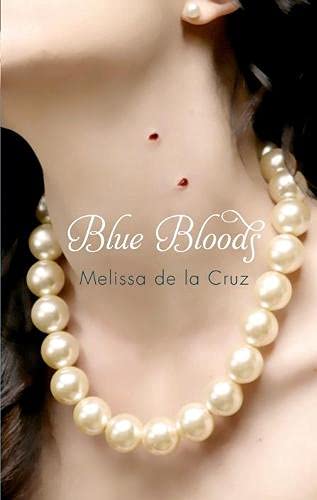
Check price of Blue Bloods on Amazon
Content Guide for Parents
| Topic | What to know |
|---|---|
| Violence | Moderate. |
| Language | Mild. |
| Romance and sex | Moderate. |
| Scary content | Moderate. |
| Drugs and alcohol | Drinking. |
| Positive messages | Identity. |
Is Blue Bloods Okay for a Younger Child?
For mature readers.
What Parents Should Know Before Their Child Reads Blue Bloods
There are seven books.
Why Age Recommendations Differ
Publishers, schools, libraries and review sites often give different age ranges for the same book. Publishers aim at the buying market, schools think about reading level and classroom discussion, and parents care most about content and maturity. If you are unsure about Blue Bloods, read a few pages, check a trusted review and trust what you know about your own child.
Reading Level, Length and Format
Before you buy, check the page count and the edition. Longer books with small print can feel harder than the age label suggests, and illustrated or abridged editions can bring a book within reach of a younger reader. Audiobooks and library copies are a low-cost way to try Blue Bloods first. If your child reads below the suggested level, reading aloud together is a good way to share the story without frustration.
Tips for Different Kinds of Readers
- Advanced young readers: A strong reader may be able to decode the words of Blue Bloods well before they are ready for its themes, so judge by maturity, not only by reading level.
- Reluctant readers: Offer the audiobook, take turns reading chapters, or watch for a good moment to stop and talk.
- Sensitive readers: Skim the content guide above and preview any chapters that may upset them.
- Older readers: Teens who read below the age range for fun can still enjoy the book, and a familiar story can be a comfortable break.
Is Your Child Ready? A Quick Checklist
- Can they read at a level close to the book's, or will they listen as you read aloud?
- Do they cope well with the themes listed in the content guide above?
- Do they like talking about stories, and will they come to you with questions?
- Have they read other books at a similar level and enjoyed them?
- Do they want to read this book, rather than feel pushed to?
- Are you able to check in after the first few chapters?
If you answered yes to most of these, your child is probably ready. If you answered no to several, it is fine to wait a year or choose a gentler book first.
A Simple Read-Together Plan
- Preview. Read the first chapter or a sample yourself so you know the tone.
- Read the first chapters together. Notice how your child reacts, and pause when something feels heavy.
- Check in. Ask what they think is happening and how they feel about the characters.
- Decide on independence. If it goes well, let them continue alone, and keep the conversation open.
If Your Child Wants to Read It Early
Curious children often ask for books before the suggested age. Rather than say no outright, offer a compromise: read the first chapters together, listen to the audiobook as a family or set a check-in after each section. That keeps Blue Bloods from becoming forbidden fruit while still letting you guide the experience.
Questions to Talk About After Reading Blue Bloods
- Which character did you understand best, and why?
- Was there a moment that surprised or worried you?
- What would you have done in the main character's place?
- What did the book teach you, if anything?
- Would you recommend it to a friend, and who would enjoy it most?
Similar Books to Try
- Gossip Girl by Cecily von Ziegesar: teen drama
- The Vampire Diaries by L.J. Smith: a vampire romance
- Vampire Academy by Richelle Mead: a vampire school
Related: 15 Books Like Blue Bloods You’ll Love
Frequently Asked Questions
What age is Blue Bloods appropriate for?
Blue Bloods is best for teens aged 13 and up. The series is a paranormal story with violence, drinking and sexual content.
Is Blue Bloods okay for a younger child?
For mature readers.
How many books are there?
Seven.
Is it dark?
Moderately.
Should I read Blue Bloods before my child does?
It is a good idea to read the opening chapters or a summary first. That way you know the tone and can answer questions as they come up.
Can my child listen to Blue Bloods instead of reading it?
Yes. An audiobook is a good option for readers who are a little below the suggested age, because you can listen together and pause to talk.