
Disclosure: As an Amazon Associate, Bookish Wisdom earns from qualifying purchases. This doesn’t change our picks or your price.
Quick answer: Hatchet by Gary Paulsen is best for ages 10 to 13. It’s a survival story with no swearing or romance, but it includes the pilot’s death in a plane crash, a body found later, animal attacks, a parent’s affair and one dark moment when Brian tries to hurt himself.
Quick facts
Recommended age: 10 to 13 (9+ for strong readers)
Reading level: Grades 5 to 8
Genre: Middle-grade survival adventure
Published: 1987; Newbery Honor 1988
Main concerns: Death, injuries, a self-harm moment, divorce
Series: Five books about Brian
Hatchet has been a classroom favorite for decades, especially with kids who love the outdoors or think they don’t like reading. It’s short, gripping and full of practical survival details. It’s also intense in places, starting with the pilot’s death. This guide explains what’s in the book so you can decide when your child is ready and how to talk about the harder moments.
Table of Contents
What Is Hatchet About?
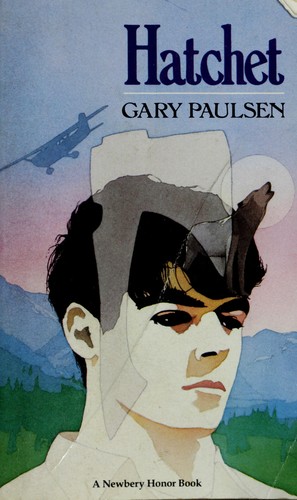
Thirteen-year-old Brian Robeson is flying in a small plane to visit his father in the Canadian north. He’s carrying a hatchet his mother gave him and a painful secret about why his parents divorced.
When the pilot has a heart attack and dies, Brian crash-lands the plane in a lake in the wilderness. With only his hatchet, he must find food, build shelter, make fire and survive mosquitoes, a moose, a tornado and his own despair until rescue comes.
Check price of Hatchet on Amazon
Content Guide for Parents
| Content | Level | What to Expect |
|---|---|---|
| Death | Moderate | The pilot dies of a heart attack mid-flight; later Brian sees the pilot’s decomposing body in the sunken plane. |
| Violence and injury | Moderate | A porcupine attack, a moose attack, hunger and injuries. |
| Self-harm | Present | In a low moment, Brian briefly tries to hurt himself with the hatchet, then decides to keep fighting. |
| Family issues | Moderate | Brian’s “Secret” is that he saw his mother with another man, which led to the divorce. |
| Language and romance | None | No swearing and no romance. |
| Positive messages | Very strong | Resilience, patience, problem-solving and self-reliance. |
Age-by-Age Breakdown
| Age | Is Hatchet a Good Fit? |
|---|---|
| 7 to 8 | Usually too intense; try I Survived books. |
| 9 to 10 | Fine for confident readers who like adventure. |
| 11 to 13 | The sweet spot; it’s a middle school favorite. |
| 14 and up | Still gripping, with Brian’s sequels to follow. |
Is Hatchet Okay for an 8- or 9-Year-Old?
Strong readers of 9 often love Hatchet, and some families read it aloud with 8-year-olds. The writing is simple and the chapters are short, but the pilot’s death, the body in the plane and Brian’s moment of despair can be upsetting for younger kids.
If your child is sensitive to death or has experienced a recent loss, it may be worth waiting or reading it together so you can talk through those scenes.
What Parents Should Know
- It’s great for reluctant readers. Kids who love adventure and the outdoors are often hooked.
- The self-harm moment is brief. It’s handled quietly, but it’s worth discussing.
- It teaches real survival skills. Paulsen drew on his own wilderness experience.
- There are four more Brian books. The River, Brian’s Winter, Brian’s Return and Brian’s Hunt continue the story.
- It’s often taught in grades 5 to 7. Your child may read it at school.
How to Tell If Your Child Is Ready for Hatchet
- Read the first chapter yourself. Ten minutes with the opening pages tells you a lot about the tone of Hatchet.
- Think about what upsets your child. Every child is different, so match the content table above to your own child rather than to their age alone.
- Ask what they already know. Kids often hear about popular books from friends, so ask what they expect and why they want to read it.
- Offer to read it together. Reading at the same time, or aloud, makes it easy to pause and talk about hard scenes.
- Keep the door open. Tell your child they can stop at any time and come to you with questions.
Questions to Talk About With Your Child
- What was Brian’s most important survival skill?
- How does Brian change between the crash and his rescue?
- What would you want with you if you were stranded?
- Why do you think Brian keeps going after his lowest moment?
- How does Brian’s “Secret” affect him during the story?
If you or someone you know is struggling, you can call or text 988 to reach the 988 Suicide & Crisis Lifeline (US).
If Your Child Isn’t Ready Yet: Similar Books to Try
These picks deliver wilderness adventure with less intensity, plus a sequel for kids who loved Brian’s story.
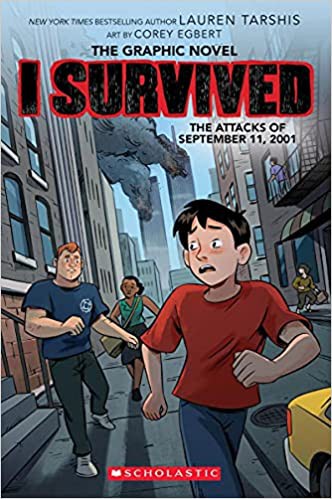
I Survived the Attacks of September 11, 2001 by Lauren Tarshis: ages 7 to 10. The I Survived series gives younger kids short, exciting survival stories based on real events.
Check price of I Survived the Attacks of September 11, 2001 on Amazon
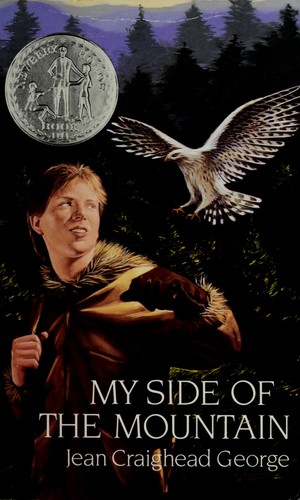
My Side of the Mountain by Jean Craighead George: ages 9 and up. A boy runs away to live in the Catskill Mountains with a falcon. It’s a gentler survival classic.
Check price of My Side of the Mountain on Amazon
Brian’s Winter by Gary Paulsen: ages 10 and up. Paulsen imagines what would have happened if Brian hadn’t been rescued before winter.
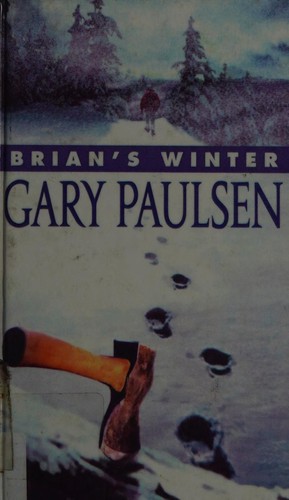
Check price of Brian’s Winter on Amazon
Related: best books to read to your kids and 21 ways to inspire kids to read.
Frequently Asked Questions
What age is Hatchet appropriate for?
Hatchet is best for ages 10 to 13 and is often taught in grades 5 to 7. Strong readers of 9 can usually handle it.
Is there anything inappropriate in Hatchet?
There’s no swearing or romance. Parents should know about the pilot’s death, the body in the plane, a parent’s affair and a brief self-harm moment.
Does Brian try to hurt himself in Hatchet?
Yes. In a moment of despair after a search plane misses him, Brian briefly tries to hurt himself, then chooses to keep surviving.
What should kids read after Hatchet?
The River, Brian’s Winter and My Side of the Mountain are popular next reads.
Is Hatchet based on a true story?
No, but Gary Paulsen drew on his own experiences in the wilderness.