
Disclosure: As an Amazon Associate, Bookish Wisdom earns from qualifying purchases. This doesn't change our picks or your price.
Quick answer: POV stands for point of view, which means whose eyes the story is told through and how close the narration is to a character's thoughts. The main types are first person, where the narrator says 'I'; second person, which uses 'you'; third person limited, which follows one character's thoughts using 'he' or 'she'; and third person omniscient, where the narrator knows what everyone thinks. Some books switch POV between characters by chapter.
Table of Contents
Key Facts
| Item | Detail |
|---|---|
| First person | The narrator says 'I' |
| Second person | The story says 'you' |
| Third limited | Follows one character closely |
| Third omniscient | Narrator knows everything |
| Multiple POV | Chapters switch narrators |
How to Choose a Point of View
1. Decide whose story it is
The POV character should be the person with the most at stake or the most interesting view.
2. Choose the distance
First person feels intimate, while omniscient allows a wider view.
3. Consider what readers should know
POV controls what readers learn and when, which shapes suspense.
4. Stay consistent
Avoid slipping into other characters' heads by accident.
5. Use chapter breaks for switches
If using multiple POVs, change narrator at clear breaks.
6. Test different versions
Rewrite a scene in another POV to see what works best.
POV Mistakes Writers Make
- Head-hopping. Switching characters' thoughts mid-scene confuses readers.
- Telling what the narrator cannot know. First-person narrators know only their own thoughts.
- Too many POV characters. Keep the number manageable.
- Inconsistent voice. Each narrator should sound distinct.
- Forgetting tense. Keep past or present tense consistent.
Building a Writing Habit That Lasts
Most books are finished by people who write regularly, not by people who wait for inspiration. Pick a time you can protect, even if it is only twenty minutes, and treat it like an appointment. Keep a running document of ideas so you never start from a blank page. Set a small, measurable goal, such as three hundred words a session, and track it. When you get stuck, skip ahead to a scene or section you are excited about and come back later. Finally, separate drafting from editing: write the rough version first, and fix it afterward, because trying to do both at once slows most writers down.
It also helps to know who the book is for. Write a one-sentence description of your reader and keep it beside your desk. Every time you are unsure about a scene, a word or a chapter, ask whether it serves that reader. This simple check keeps a draft focused and makes later editing much easier.
Finally, ask for feedback early. A trusted reader, writing group or teacher can spot problems you are too close to see, and fixing them in an early draft is much easier than in a finished one.
Keep every draft. Saving old versions lets you experiment freely, because you can always go back if a change does not work.
Most importantly, enjoy the process. Writing a book is a long project, and the writers who finish are usually the ones who find something to love in the daily work.
Reading widely in the form you are writing is one of the best teachers. Notice how other writers open, structure and end their work, and borrow techniques that suit your own voice.
Set a realistic deadline for each stage, such as finishing the draft, completing revisions and getting feedback. Deadlines turn a large, vague goal into a series of manageable steps, and they make it easier to notice when you need to adjust your plan.
Finally, protect your work. Back up every draft in at least two places, such as a cloud folder and an external drive, and keep a simple log of what you changed in each version. If anything goes wrong, you will lose a few minutes rather than months of writing.
Helpful Books and Resources
-
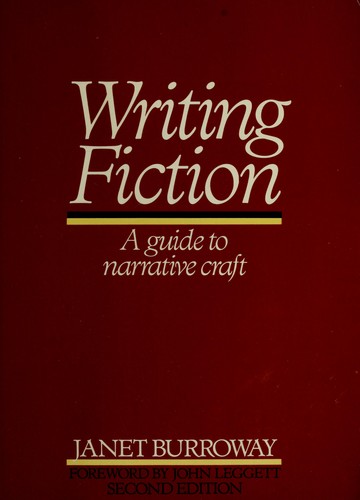
Writing Fiction by Janet Burroway
-
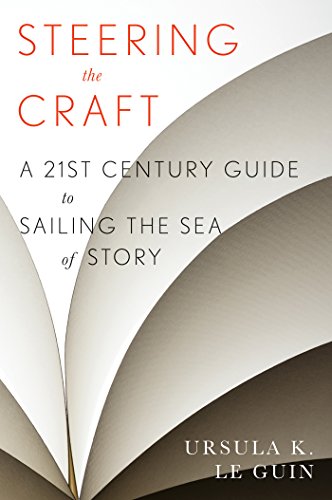
Steering the Craft by Ursula K. Le Guin
- The Emotional Craft of Fiction by Donald Maass
Related: What Does DNF Mean in Reading? · What Do Spice Ratings Mean in Books?
Frequently Asked Questions
What does POV mean in books?
Point of view, or who tells the story.
What is first person POV?
Narration using 'I', as in The Hunger Games.
What is third person limited?
Narration that follows one character's thoughts.
What is third person omniscient?
A narrator who knows all characters' thoughts.
What is second person POV?
Narration using 'you', which is rare in novels.
What is an unreliable narrator?
A narrator whose account cannot be fully trusted.
What is head-hopping?
Switching between characters' thoughts within a scene.
Which POV is best for beginners?
Third limited or first person are often easiest.
Can a book have multiple POVs?
Yes, many novels alternate narrators.
What POV is Harry Potter?
Mostly third person limited, following Harry.
What POV is Pride and Prejudice?
Third person, mostly close to Elizabeth with omniscient touches.
What is objective POV?
Narration that shows only actions and dialogue.
Does POV affect suspense?
Yes, it controls what readers know.
What is deep POV?
Very close third person with no narrative distance.
What is a POV character?
The character whose perspective is used.