
Disclosure: As an Amazon Associate, Bookish Wisdom earns from qualifying purchases. This doesn't change our picks or your price.
Quick answer: A book swap is an event or system where people exchange books they have finished for books they want to read, usually for free. Swaps can be informal gatherings of friends, community events at libraries, schools and cafes, or online services where readers trade books by mail. They save money, reduce waste and help books find new readers, and many swaps follow a simple rule of bring one, take one.
Table of Contents
Key Facts
| Item | Detail |
|---|---|
| Cost | Usually free |
| Common rule | Bring one, take one |
| Where | Libraries, schools, cafes, online |
| Benefits | Saves money and reduces waste |
| Variations | Little Free Libraries, swap shelves |
How to Run a Book Swap
1. Pick a place and date
Choose a library room, school hall, cafe or home with tables for sorting.
2. Set simple rules
Decide whether people must bring a book to take one, and how many.
3. Collect books
Ask participants to bring clean books in good condition.
4. Sort by category
Group books into fiction, nonfiction, children's and young adult sections.
5. Promote it
Share flyers and social media posts.
6. Donate leftovers
Give unclaimed books to libraries, schools or charity shops.
Book Swap Mistakes to Avoid
- Accepting damaged books. Set quality rules.
- Overcomplicated rules. Keep it simple.
- Poor organization. Sort books clearly.
- Not planning for leftovers. Arrange donations.
- Forgetting children. Include a kids' section.
Making Reading Part of Everyday Life
Small habits make the biggest difference. Keep a book where you naturally spend idle minutes, such as by the bed, in a bag or on your phone through a library app. Set a gentle goal, like ten pages a day, rather than a large number that feels like pressure. Mix formats, since audiobooks count too and can fit into commutes and chores. Let yourself stop reading books you do not enjoy, because forcing your way through them is one of the fastest ways to lose the habit. And talk about what you read with friends or a book club, since sharing a story is one of the best reasons to finish it.
If you want to read more, track what you finish in a notebook or app. Seeing a growing list is motivating, and it helps you notice what you enjoy most, so you can choose better books next time.
Finally, be patient with yourself. Reading habits grow slowly, and a few pages most days will add up to many books over a year.
It also helps to keep a list of books you want to read next. When you finish one book, you will already know what to pick up, which keeps the habit going without a gap.
Above all, choose books that match your mood and interests. Reading should feel like a reward, not a test, and the right book at the right time makes the habit easy.
Libraries are the best free resource for any reader. Librarians can suggest books, help you find formats that suit you and introduce you to digital lending apps.
Talking about books also deepens understanding. Sharing a favorite passage with a friend, joining an online discussion or writing a few lines in a reading journal helps you remember what you read and notice ideas you might otherwise miss.
It can also help to vary what you read. Alternating between fiction and nonfiction, long and short books, or new releases and older favorites keeps reading fresh and introduces you to authors and ideas you might never have chosen on purpose.
Helpful Books and Resources
-
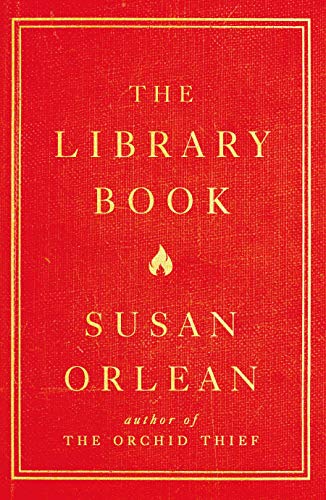
The Library Book by Susan Orlean
-
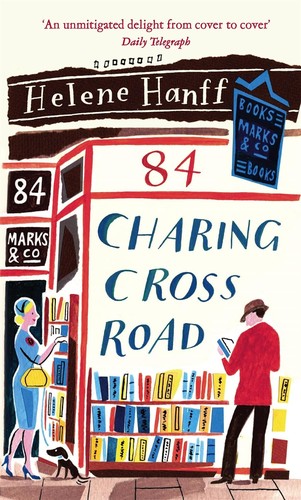
84, Charing Cross Road by Helene Hanff
-
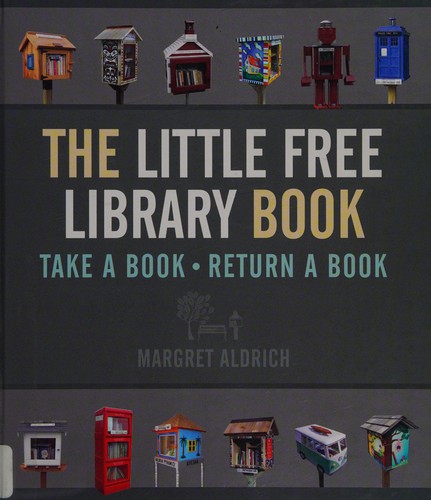
The Little Free Library Book by Margret Aldrich
Frequently Asked Questions
What is a book swap?
An exchange where readers trade books for free.
How does a book swap work?
People bring books and take others in return.
Are book swaps free?
Usually yes.
What books can I bring?
Clean, readable books in good condition.
Can kids join book swaps?
Yes, school swaps are popular.
What is a swap shelf?
A permanent shelf where people trade books.
Are there online book swaps?
Yes, some sites and groups trade books by mail.
What happens to leftover books?
They are usually donated.
Can I swap textbooks?
Some swaps accept them.
How do I host a book swap?
Choose a place, set rules and invite people.
Is a book swap the same as a Little Free Library?
They are similar, though Little Free Libraries are permanent boxes.
Can I swap e-books?
Usually not, because of licensing.
Do bookstores host swaps?
Some independent stores do.
Are book swaps good for the environment?
Yes, they reuse books.
How many books can I take?
It depends on the swap's rules.
What should I do with books nobody takes?
Donate them to a library sale, charity shop or school.
Can offices host book swaps?
Yes, a shared shelf in a break room works well.
Do book swaps need a sign-up?
Most informal swaps do not, though some events ask people to register.
Can I swap audiobooks or CDs?
Some community swaps accept them alongside books.