
Disclosure: As an Amazon Associate, Bookish Wisdom earns from qualifying purchases. This doesn't change our picks or your price.
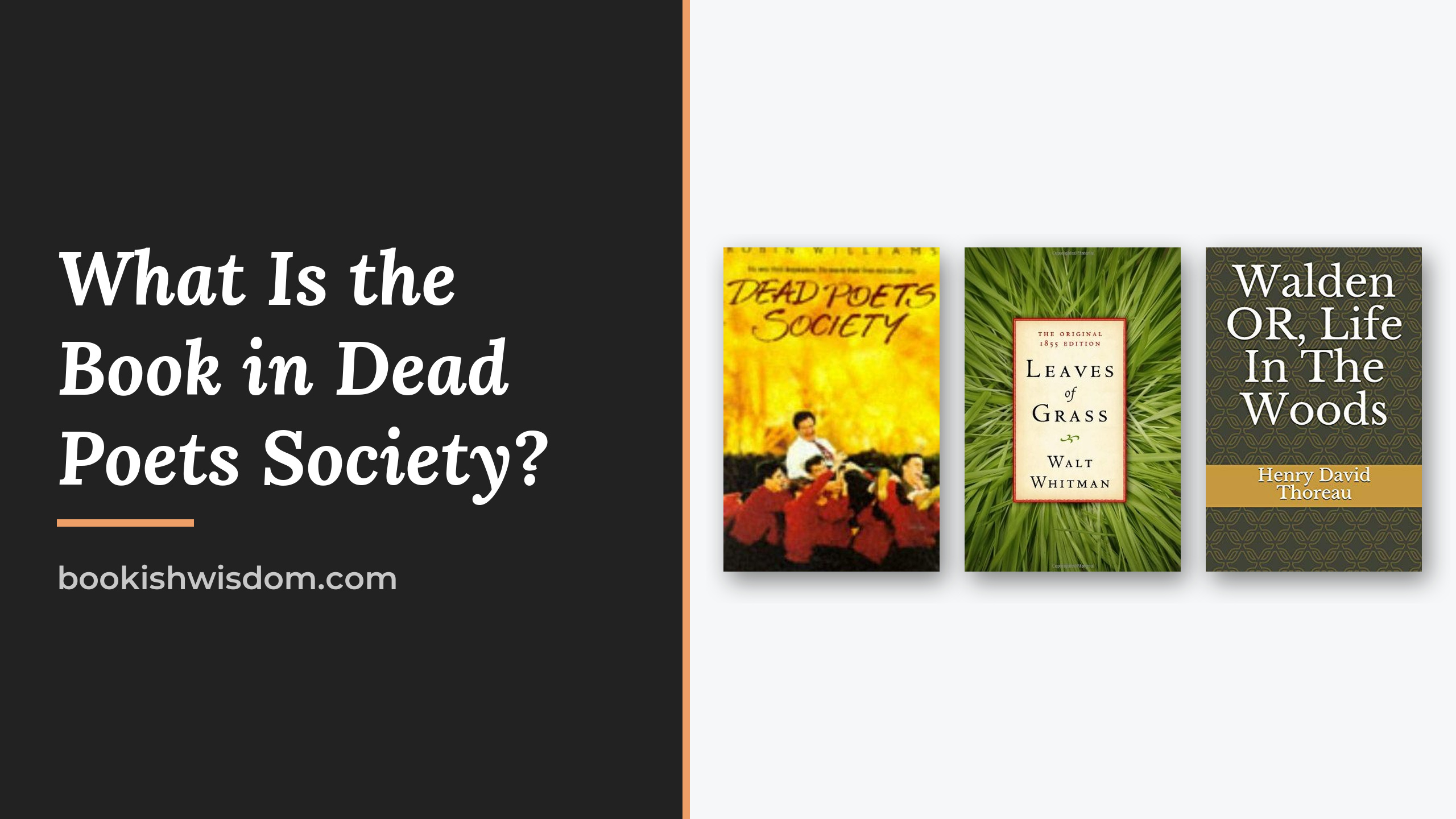
Quick answer: Dead Poets Society began as a 1989 film written by Tom Schulman, and N. H. Kleinbaum wrote a novel version based on the screenplay the same year. Inside the story, teacher John Keating shares real poems with his students, including Walt Whitman's O Captain! My Captain!, lines from Henry David Thoreau's Walden and Robert Herrick's poem that begins Gather ye rosebuds while ye may.
Table of Contents
Key Facts
| Item | Detail |
|---|---|
| Original | 1989 film written by Tom Schulman |
| Novel | Dead Poets Society by N. H. Kleinbaum (1989) |
| Famous phrase | Carpe diem, seize the day |
| Key poets | Walt Whitman, Henry David Thoreau, Robert Herrick, Alfred Tennyson |
| Setting | Welton Academy, a 1959 boys' school |
The Book and the Poems in Dead Poets Society
1. The novel by N. H. Kleinbaum
The book retells the film's story of students at a strict boarding school who are inspired by their English teacher, John Keating, to think for themselves.
2. Carpe diem
Keating teaches the Latin phrase meaning seize the day, encouraging students to make their lives extraordinary.
3. Walt Whitman
Keating asks students to call him O Captain! My Captain!, a line from Whitman's elegy for Abraham Lincoln. The phrase returns in the famous final scene.
4. Henry David Thoreau
The students open their secret meetings with lines from Walden about living deliberately.
5. Robert Herrick
The poem beginning Gather ye rosebuds while ye may introduces the carpe diem theme.
6. Alfred Tennyson
Lines from Ulysses about striving and seeking also appear.
Things That Confuse People
- Thinking the film is based on a novel. The novel came from the film.
- Assuming the poems were invented. They are real classic poems.
- Confusing Welton with a real school. It is fictional, though inspired by real schools.
- Ignoring the darker themes. The story includes tragedy.
- Missing the poems themselves. Reading them adds meaning.
Making Reading Part of Everyday Life
Small habits make the biggest difference. Keep a book where you naturally spend idle minutes, such as by the bed, in a bag or on your phone through a library app. Set a gentle goal, like ten pages a day, rather than a large number that feels like pressure. Mix formats, since audiobooks count too and can fit into commutes and chores. Let yourself stop reading books you do not enjoy, because forcing your way through them is one of the fastest ways to lose the habit. And talk about what you read with friends or a book club, since sharing a story is one of the best reasons to finish it.
If you want to read more, track what you finish in a notebook or app. Seeing a growing list is motivating, and it helps you notice what you enjoy most, so you can choose better books next time.
Finally, be patient with yourself. Reading habits grow slowly, and a few pages most days will add up to many books over a year.
It also helps to keep a list of books you want to read next. When you finish one book, you will already know what to pick up, which keeps the habit going without a gap.
Above all, choose books that match your mood and interests. Reading should feel like a reward, not a test, and the right book at the right time makes the habit easy.
Libraries are the best free resource for any reader. Librarians can suggest books, help you find formats that suit you and introduce you to digital lending apps.
Helpful Books and Resources
-
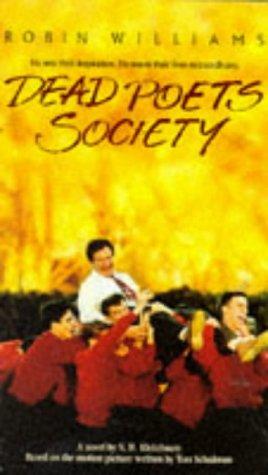
Dead Poets Society by N. H. Kleinbaum
-
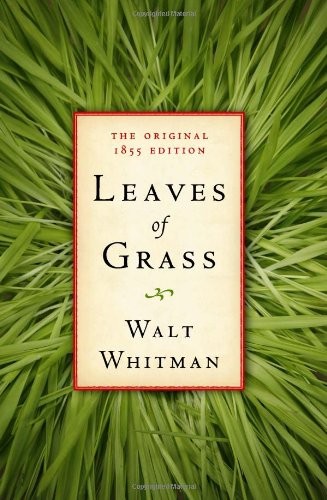
Leaves of Grass by Walt Whitman
-
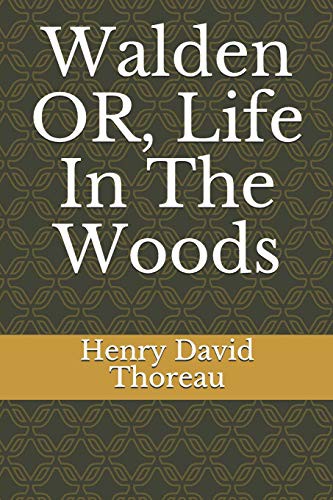
Walden by Henry David Thoreau
Related: Leaves of Grass by Walt Whitman: Summary and Key Takeaways · Walden by Henry David Thoreau: Summary and Key Takeaways
Frequently Asked Questions
Is Dead Poets Society based on a book?
No. The novel was written from the film.
Who wrote the Dead Poets Society book?
N. H. Kleinbaum.
What poem says O Captain! My Captain!?
A poem by Walt Whitman.
What does carpe diem mean?
Seize the day.
What does Thoreau's quote mean?
It encourages living with purpose.
Is Welton a real school?
No.
What age is the book for?
About twelve and up.
Is the novel the same as the film?
It follows the film closely.
What should I read next?
Leaves of Grass by Walt Whitman or Walden by Thoreau.
Who played Keating?
Robin Williams.
Where was the film shot?
Mostly in Delaware.