
Disclosure: As an Amazon Associate, Bookish Wisdom earns from qualifying purchases. This doesn't change our picks or your price.
Quick answer: Reading comprehension can feel hard because it depends on many skills at once: decoding words quickly, knowing vocabulary, having background knowledge about the topic, focusing attention and connecting ideas across sentences. If any one of these is weak, or if you are tired or distracted, understanding drops. The good news is that each skill can be improved with practice.
Table of Contents
Key Facts
| Item | Detail |
|---|---|
| Main skills involved | Decoding, vocabulary, background knowledge, attention |
| Common causes of difficulty | Unfamiliar words, unfamiliar topics, distraction |
| Biggest booster | Background knowledge |
| Helpful habits | Previewing, summarizing, asking questions |
| When to seek help | Persistent struggles despite practice |
Why Comprehension Is Hard and How to Improve
1. Slow decoding
If reading words takes effort, less attention is left for meaning. Practice and reading aloud build fluency.
2. Limited vocabulary
Unknown words create gaps. Reading widely and looking up key words helps.
3. Missing background knowledge
Texts assume readers know certain facts. Learning about a topic first makes reading much easier.
4. Distraction
Phones and noise break concentration. A quiet setting improves understanding.
5. Passive reading
Readers who do not question or summarize often forget what they read.
6. Text difficulty
Dense or poorly written texts are hard for everyone, so choose material at the right level.
Mistakes That Make Comprehension Harder
- Rereading without strategy. Summarize instead.
- Skipping unknown words. Look up the important ones.
- Reading tired. Read when alert.
- Choosing texts that are too hard. Build up gradually.
- Assuming it is a fixed ability. Comprehension improves with practice.
Making Reading Part of Everyday Life
Small habits make the biggest difference. Keep a book where you naturally spend idle minutes, such as by the bed, in a bag or on your phone through a library app. Set a gentle goal, like ten pages a day, rather than a large number that feels like pressure. Mix formats, since audiobooks count too and can fit into commutes and chores. Let yourself stop reading books you do not enjoy, because forcing your way through them is one of the fastest ways to lose the habit. And talk about what you read with friends or a book club, since sharing a story is one of the best reasons to finish it.
If you want to read more, track what you finish in a notebook or app. Seeing a growing list is motivating, and it helps you notice what you enjoy most, so you can choose better books next time.
Finally, be patient with yourself. Reading habits grow slowly, and a few pages most days will add up to many books over a year.
It also helps to keep a list of books you want to read next. When you finish one book, you will already know what to pick up, which keeps the habit going without a gap.
Above all, choose books that match your mood and interests. Reading should feel like a reward, not a test, and the right book at the right time makes the habit easy.
Libraries are the best free resource for any reader. Librarians can suggest books, help you find formats that suit you and introduce you to digital lending apps.
Talking about books also deepens understanding. Sharing a favorite passage with a friend, joining an online discussion or writing a few lines in a reading journal helps you remember what you read and notice ideas you might otherwise miss.
Helpful Books and Resources
-
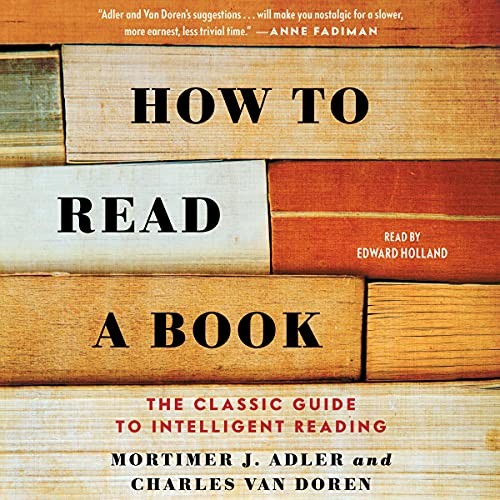
How to Read a Book by Mortimer J. Adler and Charles Van Doren
-
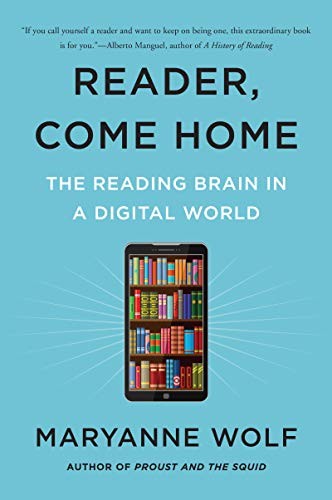
Reader, Come Home by Maryanne Wolf
-
Proust and the Squid by Maryanne Wolf
Related: How to Read Faster Without Losing Comprehension: 9 Proven Tips · 15 Best Books to Read During 75 Hard
Frequently Asked Questions
Why is reading comprehension so hard?
It requires many skills working together.
How can I improve reading comprehension?
Read regularly, build vocabulary and summarize.
Does background knowledge matter?
Yes, it is one of the biggest factors.
Can adults improve comprehension?
Yes, at any age.
Do audiobooks help comprehension?
They can build vocabulary and listening comprehension.
What is active reading?
Asking questions and taking notes while reading.
Should I read faster?
Speed often lowers comprehension.
Is it a learning difficulty?
Persistent struggles may need professional assessment.
How long does improvement take?
Steady practice shows results over weeks and months.
What books help?
How to Read a Book is a classic guide.
Why do I forget what I just read?
Often because of distraction or reading without pausing to summarize.
Does reading more improve comprehension?
Yes, wide reading builds vocabulary and knowledge.
What can parents do for children?
Read aloud together and talk about the story.
Can stress affect reading?
Yes, it lowers focus.
Is it normal?
Yes, very.
Does reading aloud help comprehension?
Yes. Hearing the words can clarify meaning, especially for difficult passages, and it slows your pace enough to notice details you might skip.
How can I build background knowledge?
Read easy introductions, watch documentaries or skim encyclopedia articles on a topic before tackling a harder book about it.
Do graphic organizers help?
Simple charts for characters, events and main ideas help many readers keep track of complex texts.
Should I read the questions first?
For tests, previewing questions helps you know what to look for while reading.
Can a tutor help?
Yes, a reading specialist can target specific skills.