
Disclosure: As an Amazon Associate, Bookish Wisdom earns from qualifying purchases. This doesn't change our picks or your price.
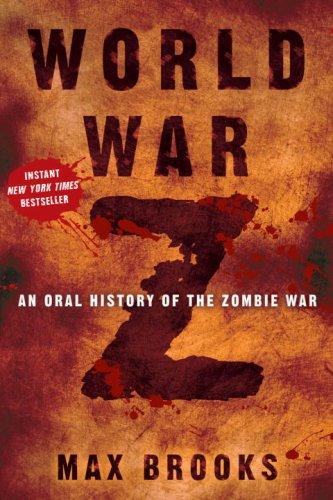
TL;DR: Subtitled “An Oral History of the Zombie War,” the novel is a collection of interviews that an agent of the United Nations collects across the world ten years after a zombie pandemic. Each survivor tells a different part of the story. It reads like a reportage of how societies fail and recover.
Table of Contents
World War Z at a Glance
| Author | Max Brooks |
| First published | 2006 |
| Type | Horror and post-apocalyptic fiction (oral history) |
| Best for | readers who like zombie stories with a realistic, global approach |
World War Z is a novel by Max Brooks, first published in 2006. The film adaptation from 2013 is very different from the book. Below you will find a part-by-part summary, five key takeaways, a few ideas worth remembering and a note on who will enjoy it most. The part-by-part section gives away the plot, including the ending, so skip it if you have not read the book yet.
Content note: Contains graphic violence and apocalyptic horror.
What Happens, Part by Part (Contains Spoilers)
Warnings
The book begins with early signs of the outbreak in China. The interviews show how governments and people ignored the signs, and how fear and denial helped the infection spread.
Blame
Many speakers describe the failure of official responses, from the lack of preparation to the attempts to cover up. The interviews show how politics and money shape responses to a crisis.
The Great Panic
As the infection spreads, there is chaos. Some countries fall quickly. Refugees move across borders, and stories describe panic, riots and unthinkable decisions.
The war for survival
The narrators describe the first big battles against the undead, and how conventional weapons failed. Soldiers, pilots and ordinary civilians tell their own stories.
Around the world
The book visits many countries, from Russia and Israel to South Africa and Cuba. Each place responds differently, based on its history and politics.
Total war
Eventually, humanity finds strategies to fight back. The final interviews look at the costs of the war and what the world has become.
The format and its voices
The book is built from short interviews, and each speaker has a distinct voice, from soldiers and engineers to a pilot and a child. The structure lets the reader see the same crisis from many angles, which is why it feels like a real documentary.
5 Key Takeaways
- Preparedness and honesty matter in a crisis.
- Systems fail when leaders put short-term interests first.
- Global problems need cooperation, but nations often act alone.
- Ordinary people can show courage, creativity and cowardice.
- The costs of war last long after the fighting ends.
Ideas Worth Remembering
These are paraphrased, not direct quotes:
- The oral-history format lets many voices tell the story.
- The zombies are an excuse to look at real human behavior.
- The most disturbing scenes are often about human choices.
Who Should Read World War Z?
Read it if you like zombie stories that focus on society, politics and war. It is more of a sociological thriller than an action novel.
Questions to Think About After Reading
These prompts work for solo reading, a book club or a classroom discussion of World War Z:
- Which character did you understand best, and what did the author do to make you feel that way?
- Which scene would you change, and what would that do to the ending?
- What does the book say about its main theme that you agree or disagree with?
Quick Facts to Remember
- Book: World War Z by Max Brooks (2006)
- Type: Horror and post-apocalyptic fiction (oral history)
- Best for: readers who like zombie stories with a realistic, global approach
- Main idea in one line: Preparedness and honesty matter in a crisis.
Reading Time and Format
Novels differ a lot in length and pace, so check the page count of your edition before you start. If you prefer to listen, many public libraries lend audiobooks through free apps, and a narrated edition can suit a long novel well.
How to Use This Summary
Use this page as a quick reference before a book club meeting, an exam, or a decision about whether World War Z is worth your time. The takeaways are written to stand on their own. If a point interests you, go back to the book for the author's full argument, examples and style, which no short summary can carry.
A Note on Accuracy and Spoilers
This summary is based on the published text of World War Z, not on any film, series or stage adaptation, which often change the story. Details are kept at the level of the main events so that nothing is invented. Editions differ slightly in length and wording, so page numbers and small details may vary from your copy.
Should You Read the Book?
If you plan to read it, set aside a few evenings and read the opening chapters before you decide. A summary tells you what happens, but the voice and pacing are what make a novel work or not.
Check price of World War Z on Amazon
What to Read Next
- The Zombie Survival Guide by Max Brooks: the author's tongue-in-cheek handbook
- The Walking Dead by Robert Kirkman: a comic series about a long zombie crisis
- The Stand by Stephen King: a classic of epidemic and apocalypse
Related: 15 Books Like World War Z You’ll Love
Frequently Asked Questions
Is World War Z like the movie?
No. The book is a collection of interviews, while the film is an action story.
Who is the narrator?
An unnamed investigator for the United Nations who collects stories.
Is it scary?
It is more tense and disturbing than scary, with a documentary style.
Who wrote it?
Max Brooks, an American author.
Is World War Z worth reading?
It depends on what you want. The book is best for readers who like zombie stories with a realistic, global approach. If that describes you, it is likely a good fit. If not, the titles under What to Read Next may suit you better.
Can this summary replace reading World War Z?
No. A summary covers the main events and ideas, but it cannot carry the author's voice, detail or pacing. Use it to decide whether to read the book, to refresh your memory or to prepare for a discussion.