
Disclosure: As an Amazon Associate, Bookish Wisdom earns from qualifying purchases. This doesn’t change our picks or your price.
Quick answer: The best books on ancient history include SPQR: A History of Ancient Rome, Rubicon, Persian Fire, Dynasty, The Histories and History of the Peloponnesian War. Start with SPQR for Rome, Persian Fire for Greece and Persia, and The Rise and Fall of Ancient Egypt for the Nile.
Ancient history is a set of true stories: kings and farmers, wars and trade routes, prophets and philosophers who lived thousands of years ago. The best books on the subject bring these distant people to life and show how much of our modern world, from alphabets and laws to cities and armies, began with them. This list gathers fifteen accessible and authoritative books on the ancient world, covering Greece, Rome, Egypt, Mesopotamia and Persia. Some are sweeping narratives by popular historians, while others are classics written by ancient authors themselves. Read a few and you will never look at a ruin, a coin or a museum the same way.
Table of Contents
Quick Picks at a Glance
| Book | Author | Region | Best For |
|---|---|---|---|
| SPQR: A History of Ancient Rome | Mary Beard | Rome | readers new to Rome |
| Rubicon | Tom Holland | Rome | narrative-history fans |
| Persian Fire | Tom Holland | Greece and Persia | readers who love battles |
| Dynasty | Tom Holland | Rome | readers of imperial history |
| The Histories | Herodotus | Primary source | readers who want the original |
| History of the Peloponnesian War | Thucydides | Primary source | readers interested in politics |
| Alexander the Great | Robin Lane Fox | Biography | biography fans |
| The Rise and Fall of Ancient Egypt | Toby Wilkinson | Egypt | readers who love pharaohs |
| The Fall of the Roman Empire | Peter Heather | Rome | readers who ask why |
| Ancient Rome: The Rise and Fall of an Empire | Simon Baker | Rome | fans of TV history |
| Mesopotamia: The Invention of the City | Gwendolyn Leick | Mesopotamia | readers curious about early cities |
| The Rise of Rome | Anthony Everitt | Rome | readers who like early history |
| The Ancient Near East | Marc Van De Mieroop | Near East | readers wanting a textbook-style survey |
| The Age of Alexander | Plutarch | Primary source | readers who want ancient biography |
| Augustus: The Life of Rome’s First Emperor | Anthony Everitt | Biography | readers who like political history |
1. SPQR: A History of Ancient Rome by Mary Beard
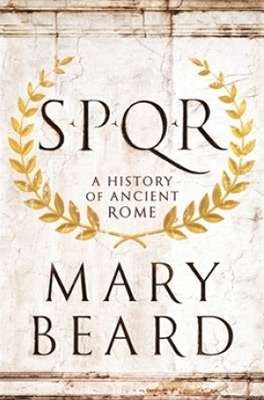
Beard, a Cambridge classicist, covers a thousand years of Roman history with wit and skepticism about the sources. Excellent for understanding how Rome grew from a village into an empire.
Best for: readers new to Rome.
2. Rubicon by Tom Holland
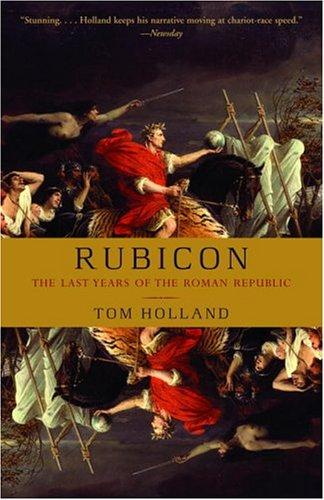
Holland tells the fall of the Roman Republic like a thriller, from Cicero to Caesar. Vivid and fast-moving.
Best for: narrative-history fans.
3. Persian Fire by Tom Holland
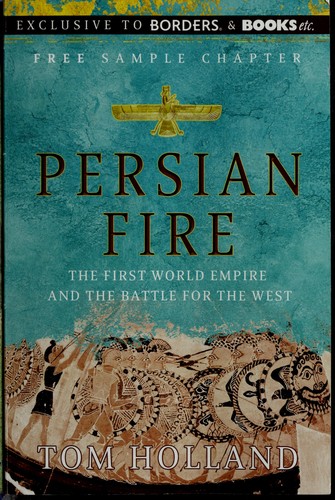
Holland tells the story of the Persian Empire’s clash with the Greek city-states, with Marathon and Thermopylae. Gripping and well researched.
Best for: readers who love battles.
4. Dynasty by Tom Holland
Covers the Julio-Claudian emperors from Augustus to Nero with drama and insight. A sequel to Rubicon in spirit.
Best for: readers of imperial history.
5. The Histories by Herodotus
Often called the father of history, Herodotus recounts the Greco-Persian wars with digressions on customs and legends. Lively and strange, in a good modern translation.
Best for: readers who want the original.
6. History of the Peloponnesian War by Thucydides
Thucydides recounts the long war between Athens and Sparta with sharp analysis of power and human nature. Heavy but rewarding.
Best for: readers interested in politics.
7. Alexander the Great by Robin Lane Fox
A detailed, vivid biography of Alexander, balancing legend and historical evidence. Scholarly but compelling.
Best for: biography fans.
8. The Rise and Fall of Ancient Egypt by Toby Wilkinson
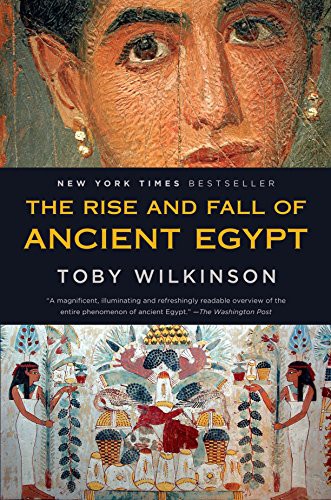
Wilkinson covers three thousand years of Egyptian history from the earliest dynasties to Cleopatra. Authoritative and engaging.
Best for: readers who love pharaohs.
9. The Fall of the Roman Empire by Peter Heather
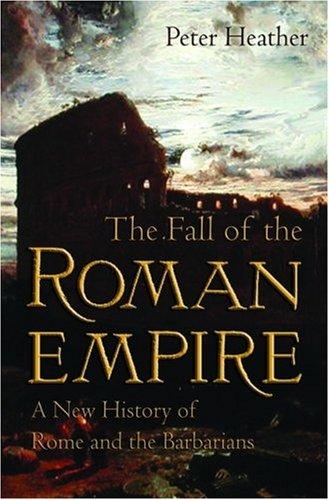
Heather argues that outside pressures, especially from migrating peoples, brought down the western empire. Clear and provocative.
Best for: readers who ask why.
10. Ancient Rome: The Rise and Fall of an Empire by Simon Baker
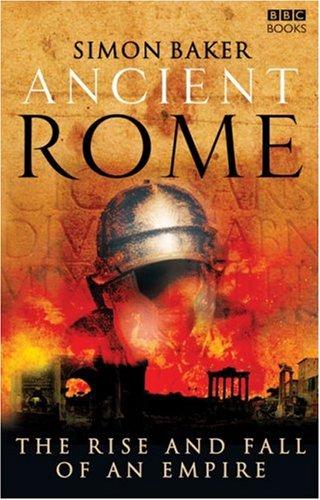
Baker’s account accompanies a BBC series and tells the story through vivid episodes and personalities.
Best for: fans of TV history.
11. Mesopotamia: The Invention of the City by Gwendolyn Leick
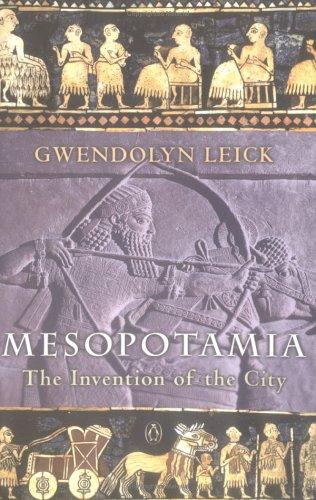
Leick traces the rise of Sumer, Babylon and Assyria, and what life was like in the first cities. Detailed but accessible.
Best for: readers curious about early cities.
12. The Rise of Rome by Anthony Everitt
Everitt tells how Rome grew from a small town into a Mediterranean power, with lively portraits. A good companion to SPQR.
Best for: readers who like early history.
13. The Ancient Near East by Marc Van De Mieroop
A clear survey of the ancient Near East from the earliest cities to the Persian conquest. Useful as a reference.
Best for: readers wanting a textbook-style survey.
14. The Age of Alexander by Plutarch
Plutarch’s lives, including Alexander and Demosthenes, were written centuries later but remain compelling. A Penguin Classics edition has helpful notes.
Best for: readers who want ancient biography.
15. Augustus: The Life of Rome’s First Emperor by Anthony Everitt
Everitt shows how a teenager inherited a revolution and became the first emperor. Clear and dramatic.
Best for: readers who like political history.
How to Choose the Right Book on Ancient History
Decide whether you want a broad survey or a deep dive. For Rome, SPQR, Rubicon and The Rise of Rome are readable and thorough. For Greece and Persia, Persian Fire and The Histories bring the Greco-Persian wars to life. For Egypt, The Rise and Fall of Ancient Egypt is the standard popular history. For Mesopotamia, try Mesopotamia: The Invention of the City. And if you want the voices of the time, read Herodotus and Thucydides. Pair your reading with maps, since geography explains much of ancient history.
Which Book Should You Start With? A Quick Guide
If you are not sure where to begin, match your situation to the list below.
- Readers new to Rome: SPQR: A History of Ancient Rome
- Narrative-history fans: Rubicon
- Readers who love battles: Persian Fire
- Readers of imperial history: Dynasty
- Readers who want the original: The Histories
- Readers interested in politics: History of the Peloponnesian War
- Biography fans: Alexander the Great
- Readers who love pharaohs: The Rise and Fall of Ancient Egypt
- Readers who ask why: The Fall of the Roman Empire
- Fans of TV history: Ancient Rome: The Rise and Fall of an Empire
- Readers curious about early cities: Mesopotamia: The Invention of the City
- Readers who like early history: The Rise of Rome
- Readers wanting a textbook-style survey: The Ancient Near East
- Readers who want ancient biography: The Age of Alexander
- Readers who like political history: Augustus: The Life of Rome’s First Emperor
A Simple Reading Plan
A sensible order helps you build momentum. Open with SPQR: A History of Ancient Rome, which is accessible and encouraging, and finish it before you buy anything else. Next, choose Rubicon to deepen what you learned, then Persian Fire when you are ready for a different voice or a more demanding read. Between books, take a few days to try something you learned, because ancient history is easier to understand once you have tested it in real life. Keep a simple note on your phone with the title, your rating and one takeaway for each book you complete.
Print, E-Book or Audiobook?
Print, e-book and audiobook each suit different readers. Print is best for books you want to mark up and return to, which is useful for practical guides on ancient history. E-books are cheap, portable and easy to search, and they make it simple to highlight a passage and find it again later. Audiobooks turn commutes, chores and walks into reading time, and a good narrator can make a heavy book on ancient history easier to take in. Your public library offers all three through apps like Libby, so you can try a title before buying it. Many readers use two formats for the same book, listening first and then skimming a print copy for notes.
How to Get More From What You Read
To get more from these books, read with a pen and a question. Decide before you start what you hope to learn about ancient history, and check at the end of each chapter whether you found it. Mark passages that feel true for you, and write down the ones you disagree with, since disagreement is also learning. Pick one practice from each book and try it for two weeks before judging it. Talking about the ideas with someone you trust, or writing a few lines in a journal, helps them move from your head into your life. Be patient with yourself; change comes in small steps.
Reading on a Budget
You do not need to buy all of these books. Your public library likely lends print, e-book and audiobook copies of many titles on ancient history for free, and the hold feature lets you queue for popular ones. Used paperbacks are usually a few dollars, and thrift stores, library sales and swap groups are good sources. If you want to own a book you will mark up, buy the print edition; if you want to try several, borrow first and buy only the ones you finish and love. Subscription audiobook services often offer a free trial that covers a first title, and some libraries partner with apps that need only a library card.
Talk About What You Read
Reading on your own is valuable, and reading with others adds accountability. Consider forming a small book club around ancient history, taking turns to choose a title from this list. Meet monthly, ask each person to share one idea and one action, and keep the tone supportive rather than competitive. If your friends are not interested, look for a local library group or an online community. A shared conversation helps you notice things you missed, and the encouragement of others makes it easier to keep going when progress feels slow.
Common Mistakes to Avoid
Three mistakes come up again and again. First, readers choose a book that is too advanced or too long and give up on the topic altogether, so start with an accessible title. Second, they read passively, without notes or a plan to use what they learn about ancient history. Third, they expect immediate results and quit when the change is slow. Avoid these by starting small, taking notes and giving each idea at least two weeks. If a book does not suit you, move on; the list above has plenty of other voices.
How to Judge a Book on Ancient history
Not every book on ancient history is equally reliable. Before you trust one, check the author’s background: are they a researcher, clinician, journalist or someone writing from lived experience? Each can be valuable, but they offer different things. Look for notes and references at the back, which show the claims can be checked. Be wary of books that promise a quick fix, rely on a single story or dismiss all other views. Read a few reviews from people with different perspectives, and treat bold claims as hypotheses to test in your own life. A good book invites questions instead of demanding agreement.
When Reading Is Not Enough
Reading can illuminate and encourage, yet some situations need more than a book. If you notice that your struggles with ancient history are getting worse, lasting a long time or affecting your health, reach out to a professional you trust. Local libraries, community centers and workplaces often offer free resources, classes or referrals. Sharing what you are reading with a friend can open the door to a supportive conversation. Use these books as companions on the journey, and let real people walk it with you.
Questions to Reflect On
Keep these in a notebook and return to them after each book:
- What do I most want to understand or change about {t}?
- Which idea from my reading feels true for me, and which do I doubt?
- What is one small action I can take this week?
- Who could I talk to about what I am learning?
- How will I know in a month that this reading helped?
Tips for Reading About Ancient history
- Use maps. Geography clarifies who fought whom and why.
- Mix sources. Pair modern histories with ancient authors.
- Watch documentaries. Visuals help bring sites to life.
- Visit museums. Seeing artifacts makes reading richer.
- Take notes on dates. A simple timeline helps keep names straight.
Related: 15 Best Books on the Ming Dynasty and 15 Best Books on the Celts.
Frequently Asked Questions
What is the best book on ancient history?
SPQR for Rome and Persian Fire for Greece and Persia are good starting points.
Where should I begin with ancient Egypt?
The Rise and Fall of Ancient Egypt by Toby Wilkinson is a standard popular history.
Are ancient authors readable?
Yes, in good translations. The Histories by Herodotus is entertaining and full of stories.
How many books on ancient history should I read at once?
One or two at a time is plenty. Finish a book, try one idea from it and then move on, so what you read turns into something you do.
Are these books on ancient history available as audiobooks?
Most of them are. Check your library’s app, such as Libby, or an audiobook service, and listen to a sample to see whether the narrator suits you.