

Disclosure: As an Amazon Associate, Bookish Wisdom earns from qualifying purchases. This doesn’t change our picks or your price.
Quick answer: The best books on body language include What Every Body Is Saying, The Definitive Book of Body Language, Presence, Louder Than Words, Emotions Revealed and Telling Lies. Start with What Every Body Is Saying for practical observation and Presence to use your own body language with confidence.
People communicate far more than they say. A raised eyebrow, a folded arm, a held gaze or a nervous foot can reveal interest, doubt or comfort before a word is spoken. Learning to read and use body language can improve interviews, negotiations, friendships and dates, though it is not a mind-reading trick. The best books on the subject separate solid research from myths, such as the idea that crossed arms always mean defensiveness. This list gathers fifteen books on body language, nonverbal communication and the psychology of reading people. Some are practical guides by former FBI agents, others are research-based studies of facial expression, and a few explore how posture affects how you feel.
Table of Contents
Quick Picks at a Glance
| Book | Author | Focus | Best For |
|---|---|---|---|
| What Every Body Is Saying | Joe Navarro | Reading others | beginners |
| The Definitive Book of Body Language | Allan Pease and Barbara Pease | Overview | readers who want a broad guide |
| Presence | Amy Cuddy | Power and posture | nervous speakers |
| Louder Than Words | Joe Navarro | Reading others | readers who want more depth |
| Emotions Revealed | Paul Ekman | Facial expression | readers interested in science |
| Telling Lies | Paul Ekman | Deception | readers curious about lie detection |
| Captivate | Vanessa Van Edwards | Charisma | networkers |
| Never Split the Difference | Chris Voss | Negotiation | negotiators |
| The Like Switch | Jack Schafer and Marvin Karlins | Rapport | readers who want social skills |
| Unmasking the Face | Paul Ekman and Wallace V. Friesen | Facial expression | serious learners |
| Blink | Malcolm Gladwell | Intuition | readers who like stories |
| Pre-Suasion | Robert Cialdini | Persuasion | marketers and leaders |
| The Silent Language | Edward T. Hall | Culture | readers interested in cross-cultural differences |
| Body Language: How to Read Others’ Thoughts by Their Gestures | Allan Pease | Classic guide | readers who want a quick intro |
| Influence | Robert B. Cialdini | Persuasion | anyone who wants to resist manipulation |
1. What Every Body Is Saying by Joe Navarro
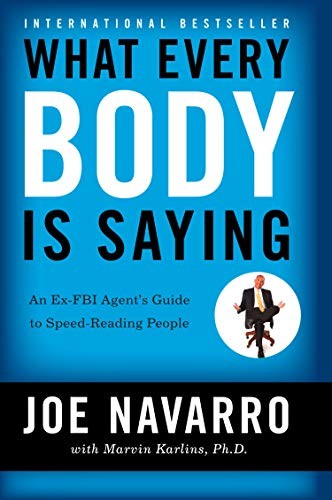
Navarro, a former FBI counterintelligence agent, teaches how to observe nonverbal cues from head to toe, emphasizing comfort and discomfort signals. Clear, practical and full of photos.
Best for: beginners.
2. The Definitive Book of Body Language by Allan Pease and Barbara Pease
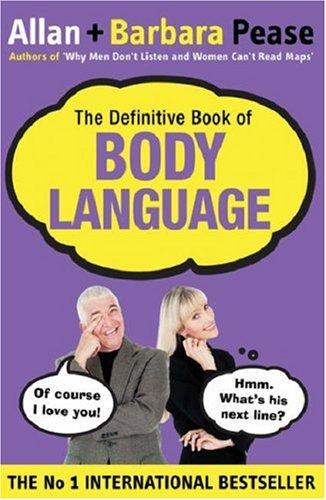
A popular guide covering gestures, posture and attraction signals with lots of examples. Some claims are generalized, so treat them as hints.
Best for: readers who want a broad guide.
3. Presence by Amy Cuddy
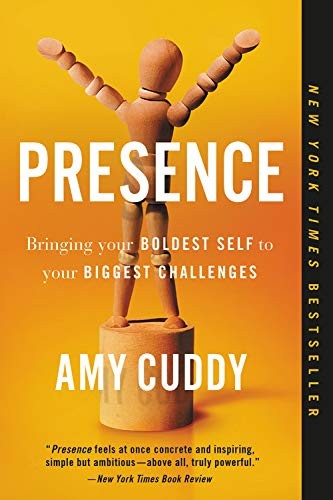
Cuddy explores how body posture can influence confidence. Some findings, such as power poses, have been debated, but her message about presence remains useful.
Best for: nervous speakers.
4. Louder Than Words by Joe Navarro
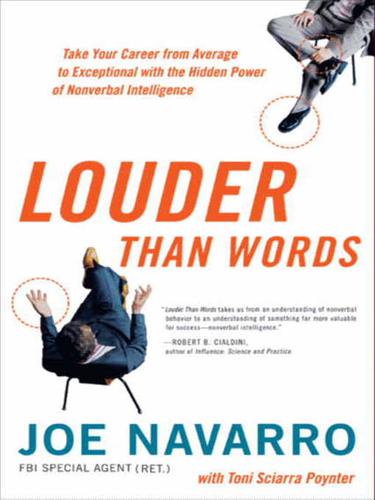
Navarro expands on nonverbal intelligence at work and in relationships. Includes lessons for interviews and negotiations.
Best for: readers who want more depth.
5. Emotions Revealed by Paul Ekman
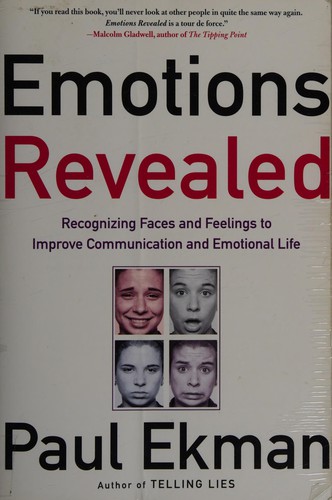
Ekman, a pioneer in the study of emotions and facial expressions, explains the universal expressions and how to read microexpressions.
Best for: readers interested in science.
6. Telling Lies by Paul Ekman
Ekman discusses how people lie and the limits of detecting deceit. Thoughtful and cautious.
Best for: readers curious about lie detection.
7. Captivate by Vanessa Van Edwards
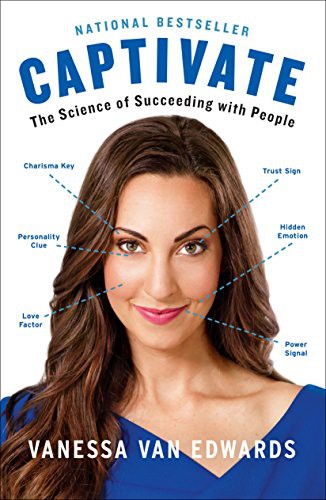
Van Edwards shares research-based tips for making a great impression, from first moments to conversation skills. Light and practical.
Best for: networkers.
8. Never Split the Difference by Chris Voss
Former FBI hostage negotiator Voss shares techniques like mirroring and labeling. Includes tips on tone and body signals.
Best for: negotiators.
9. The Like Switch by Jack Schafer and Marvin Karlins
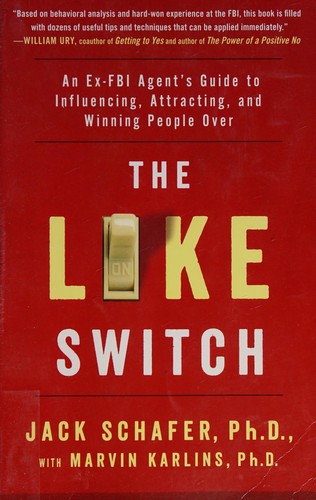
A former FBI agent explains how to build friendships using friendship formula and other behavioral techniques.
Best for: readers who want social skills.
10. Unmasking the Face by Paul Ekman and Wallace V. Friesen
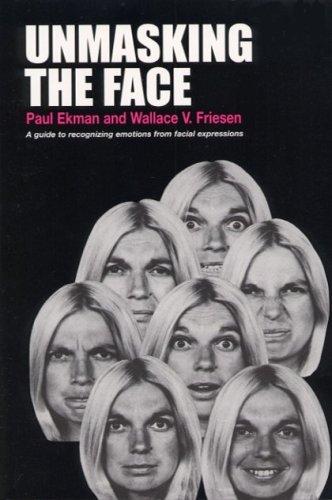
A guide with photos showing how to read facial expressions of the basic emotions. Useful as a reference.
Best for: serious learners.
11. Blink by Malcolm Gladwell

Gladwell explores snap judgments and thin-slicing. Engaging, though he sometimes oversimplifies.
Best for: readers who like stories.
12. Pre-Suasion by Robert Cialdini
Cialdini shows how what you do before a message affects its impact. Insightful and practical.
Best for: marketers and leaders.
13. The Silent Language by Edward T. Hall
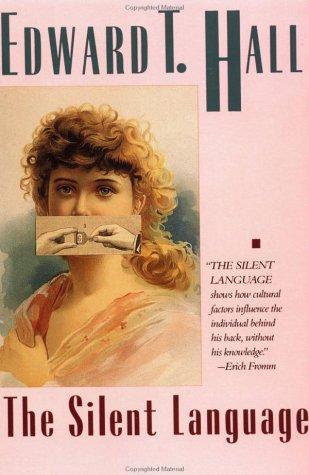
Hall explains how time, space and gestures vary across cultures. A classic that remains valuable.
Best for: readers interested in cross-cultural differences.
14. Body Language: How to Read Others’ Thoughts by Their Gestures by Allan Pease
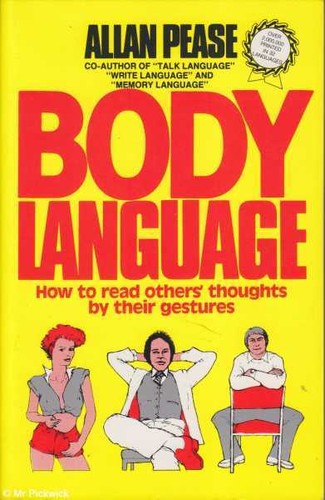
A short introduction to gestures and what they may signal. Easy to read, though some conclusions are oversimplified.
Best for: readers who want a quick intro.
15. Influence by Robert B. Cialdini
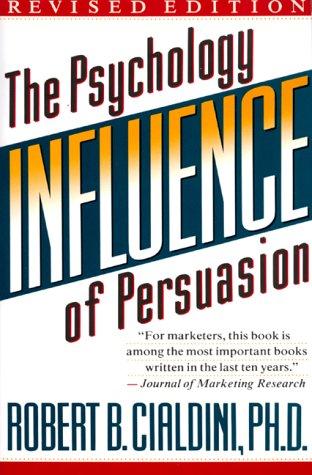
Presents six principles of persuasion and shows how to recognize them. A foundational work.
Best for: anyone who wants to resist manipulation.
How to Choose the Right Book on Body Language
Pick based on your goal. If you want to read others, What Every Body Is Saying and Louder Than Words teach observation of feet, hands and faces. If you want to project confidence, Presence and Captivate focus on your own signals. If you want science, Paul Ekman’s Emotions Revealed, Telling Lies and Unmasking the Face are foundational. For negotiation and persuasion, Never Split the Difference, Pre-Suasion and The Like Switch apply nonverbal skills. Remember that context matters: one gesture rarely means one thing, so look for clusters and changes from a person’s baseline.
Which Book Should You Start With? A Quick Guide
If you are not sure where to begin, match your situation to the list below.
- Beginners: What Every Body Is Saying
- Readers who want a broad guide: The Definitive Book of Body Language
- Nervous speakers: Presence
- Readers who want more depth: Louder Than Words
- Readers interested in science: Emotions Revealed
- Readers curious about lie detection: Telling Lies
- Networkers: Captivate
- Negotiators: Never Split the Difference
- Readers who want social skills: The Like Switch
- Serious learners: Unmasking the Face
- Readers who like stories: Blink
- Marketers and leaders: Pre-Suasion
- Readers interested in cross-cultural differences: The Silent Language
- Readers who want a quick intro: Body Language: How to Read Others’ Thoughts by Their Gestures
- Anyone who wants to resist manipulation: Influence
A Simple Reading Plan
Treat this list as a menu, not an assignment. Start with What Every Body Is Saying, because it gives you a clear overview of body language without demanding much from you. Read in short sessions and underline or note the passages that make you stop. After a week or two, move to The Definitive Book of Body Language for a different angle, then Presence when you want more depth. Spacing the books out gives the ideas time to settle, and applying one small idea per week is worth more than rushing through the whole shelf. Revisit your notes at the end of each month to see what has actually changed.
Print, E-Book or Audiobook?
Format matters more than people expect. If you tend to forget what you read, choose print or an e-book so you can underline and review. If your time is limited, audiobooks fit into the gaps of your day. For a topic like body language, short chapters are an advantage, since you can finish one in a single sitting and think about it afterward. Libraries lend e-books and audiobooks free, and many offer print copies of new releases through holds. Try one format for a week and switch if it is not working.
How to Get More From What You Read
Reading about body language only helps if something changes afterward, so build a small habit around it. Keep a notebook or a notes app, and after each chapter write one sentence about what stood out and one action you could take. Choose a single idea per week to test, such as a new routine, a conversation or a different way of thinking. Discuss what you are reading with a friend, a partner or an online group, since explaining an idea out loud makes it stick. Review your notes monthly and drop anything that did not help. The aim is progress you can notice, not a long reading list.
Reading on a Budget
Good books on body language are easier to afford than most people think. Library cards open up print, e-book and audiobook borrowing, and interlibrary loan can find titles your branch does not own. Used copies cost a fraction of new ones, and many of the classics are inexpensive in paperback. Try a sample chapter online to see whether an author’s voice suits you before you commit. If you finish a book you love, consider passing it to a friend, which keeps the ideas moving and your shelf uncluttered.
Talk About What You Read
Ideas stick when you talk about them. Choose one book from this list and invite a friend, partner or colleague to read it with you, then meet for coffee to compare notes on body language. Online communities and library groups also host discussions, and many of these books have free reading guides. If you prefer privacy, a journal works well: write a paragraph after each chapter on what you agree with, what you doubt and what you will try. Teaching an idea to someone else is one of the best ways to learn it, so explain what you read in your own words.
Common Mistakes to Avoid
A few pitfalls are worth avoiding. Do not buy a dozen books on body language in one go; borrow one, finish it and then decide what to read next. Do not expect a single book to transform your life overnight, since the best ones work through small, repeated actions. Be cautious of any author who promises guaranteed results, and check an author’s credentials and sources. Finally, do not use reading as a way of avoiding action. If you notice yourself finishing book after book without changing anything, pick one idea and practice it this week.
How to Judge a Book on Body language
Not every book on body language is equally reliable. Before you trust one, check the author’s background: are they a researcher, clinician, journalist or someone writing from lived experience? Each can be valuable, but they offer different things. Look for notes and references at the back, which show the claims can be checked. Be wary of books that promise a quick fix, rely on a single story or dismiss all other views. Read a few reviews from people with different perspectives, and treat bold claims as hypotheses to test in your own life. A good book invites questions instead of demanding agreement.
When Reading Is Not Enough
Reading can illuminate and encourage, yet some situations need more than a book. If you notice that your struggles with body language are getting worse, lasting a long time or affecting your health, reach out to a professional you trust. Local libraries, community centers and workplaces often offer free resources, classes or referrals. Sharing what you are reading with a friend can open the door to a supportive conversation. Use these books as companions on the journey, and let real people walk it with you.
Questions to Reflect On
Keep these in a notebook and return to them after each book:
- What do I most want to understand or change about {t}?
- Which idea from my reading feels true for me, and which do I doubt?
- What is one small action I can take this week?
- Who could I talk to about what I am learning?
- How will I know in a month that this reading helped?
Tips for Reading About Body language
- Look for clusters. One gesture rarely tells the whole story.
- Know the baseline. Compare behavior with how a person normally acts.
- Consider context. Cold rooms make people cross their arms.
- Practice noticing. Watch people at a cafe without staring.
- Check your own signals. Posture and eye contact shape impressions.
Related: 15 Best Books on Stress Management and mindset Summary and Key Takeaways.
Frequently Asked Questions
What is the best book on body language?
What Every Body Is Saying by Joe Navarro is a popular practical guide.
Can you really tell if someone is lying?
Research shows it is difficult. Books like Telling Lies explain the limits and caution against overconfidence.
Does posture affect confidence?
Some research suggests it can, but results vary. Presence discusses the debate.
How many books on body language should I read at once?
One or two at a time is plenty. Finish a book, try one idea from it and then move on, so what you read turns into something you do.
Are these books on body language available as audiobooks?
Most of them are. Check your library’s app, such as Libby, or an audiobook service, and listen to a sample to see whether the narrator suits you.