

Disclosure: As an Amazon Associate, Bookish Wisdom earns from qualifying purchases. This doesn’t change our picks or your price.
Quick answer: The best books on leadership for women include Lean In, Dare to Lead, Women Don’t Ask, Playing Big, Radical Candor and How Women Rise. Start with Dare to Lead for courage and Radical Candor for communication, then add Lean In or The Confidence Code for career insight.
Women who lead often face challenges that standard leadership manuals rarely mention: being interrupted in meetings, balancing warmth and authority, negotiating pay and finding mentors. The best books on women’s leadership do not tell you to change who you are; they give you language, research and strategies for navigating these realities. This list brings together fifteen books on leadership for women, from classic career advice to research on bias and practical guides to communication, confidence and negotiation. Some are written for women specifically, and others are excellent leadership books that happen to be valuable for any leader. Read them alone or with a team to start a useful conversation.
Table of Contents
Quick Picks at a Glance
| Book | Author | Focus | Best For |
|---|---|---|---|
| Lean In | Sheryl Sandberg | Career strategy | ambitious professionals |
| Dare to Lead | Brené Brown | Courageous leadership | leaders of teams |
| Women Don’t Ask | Linda Babcock and Sara Laschever | Negotiation | women preparing to negotiate |
| Playing Big | Tara Mohr | Confidence | women with inner critics |
| Radical Candor | Kim Scott | Management | new managers |
| How Women Rise | Sally Helgesen and Marshall Goldsmith | Habits to change | mid-career women |
| Executive Presence | Sylvia Ann Hewlett | Presence | women moving into senior roles |
| Own It | Sallie Krawcheck | Power | women seeking influence |
| The Memo | Minda Harts | Women of color | women of color in the workplace |
| Nice Girls Don’t Get the Corner Office | Lois P. Frankel | Behavior | readers wanting concrete tips |
| Crucial Conversations | Kerry Patterson, Joseph Grenny, Ron McMillan and Al Switzler | Communication | anyone with hard talks ahead |
| Invisible Women | Caroline Criado Perez | Data bias | readers who like facts |
| Becoming | Michelle Obama | Memoir | readers inspired by stories |
| The Confidence Code | Katty Kay and Claire Shipman | Confidence | women who underestimate themselves |
| Quiet | Susan Cain | Introverted leadership | introverted leaders |
1. Lean In by Sheryl Sandberg
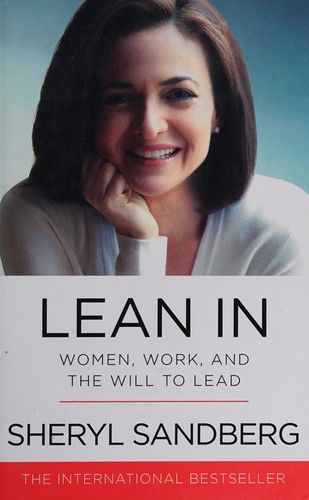
Sandberg encourages women to pursue leadership roles and examines internal barriers to advancement. The book sparked a global conversation, and while it has been criticized for focusing on individual action, it remains a useful starting point.
Best for: ambitious professionals.
2. Dare to Lead by Brené Brown
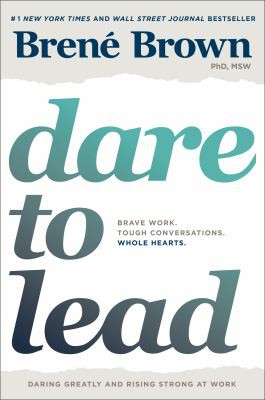
Brown draws on research with leaders to argue that vulnerability, values and courage are essential. Practical, with exercises on trust, feedback and difficult conversations.
Best for: leaders of teams.
3. Women Don’t Ask by Linda Babcock and Sara Laschever
Examines why women negotiate less often than men and how that affects careers. Combines research and practical advice for asking for what you deserve.
Best for: women preparing to negotiate.
4. Playing Big by Tara Mohr
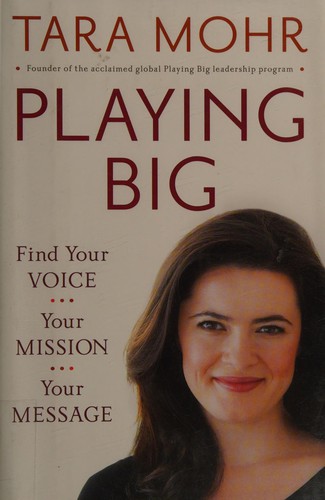
Mohr helps readers identify their inner critic, speak up and step into bigger roles. Warm and practical, with exercises throughout.
Best for: women with inner critics.
5. Radical Candor by Kim Scott
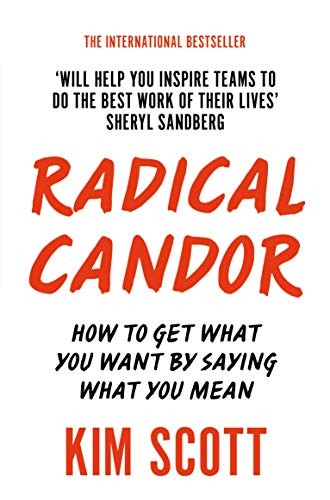
Scott’s framework of caring personally and challenging directly gives managers a model for honest feedback. Includes stories from Google and Apple.
Best for: new managers.
6. How Women Rise by Sally Helgesen and Marshall Goldsmith
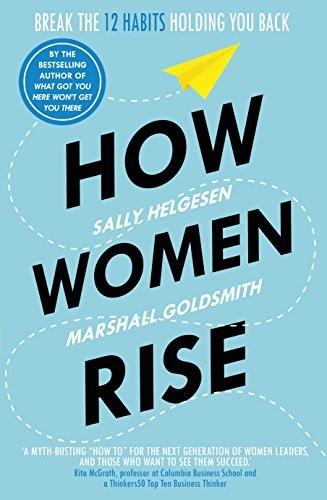
Identifies twelve habits that may hold women back, such as reluctance to claim achievements or expecting others to notice good work. Practical, though some readers find it focuses too much on individual change.
Best for: mid-career women.
7. Executive Presence by Sylvia Ann Hewlett
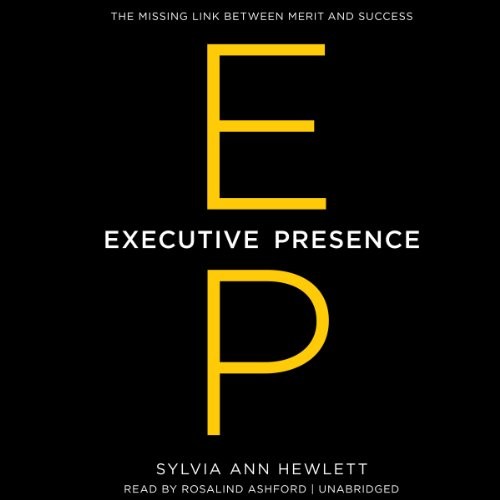
Based on surveys, the book explains how gravitas, communication and appearance shape perceptions. Controversial but eye-opening about how leaders are judged.
Best for: women moving into senior roles.
8. Own It by Sallie Krawcheck
Former Wall Street executive Krawcheck argues that women should embrace their strengths and use their power. Direct and inspiring.
Best for: women seeking influence.
9. The Memo by Minda Harts
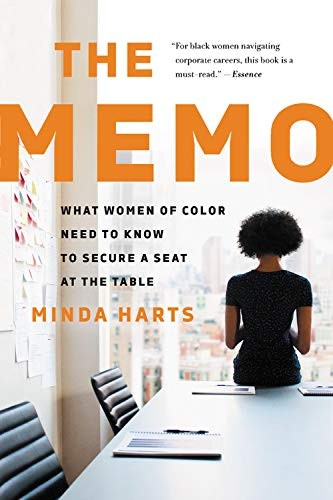
Harts offers advice for women of color on navigating workplaces, finding mentors and building allies. Honest and practical.
Best for: women of color in the workplace.
10. Nice Girls Don’t Get the Corner Office by Lois P. Frankel

Lists mistakes women make that can hold them back, with suggestions for change. Some advice feels dated, but many readers find it a useful checklist.
Best for: readers wanting concrete tips.
11. Crucial Conversations by Kerry Patterson, Joseph Grenny, Ron McMillan and Al Switzler
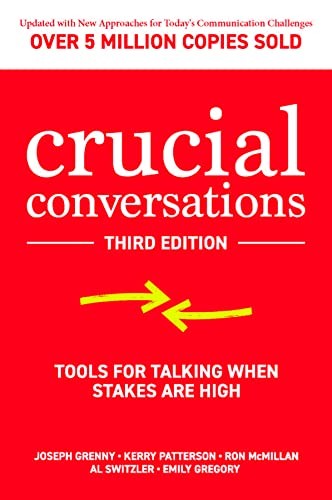
Provides tools for discussing high-stakes topics calmly and productively. Not specific to women, but valuable for leaders.
Best for: anyone with hard talks ahead.
12. Invisible Women by Caroline Criado Perez
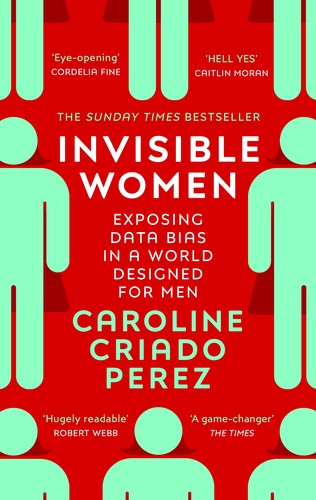
Shows how data gaps affect women in workplaces, medicine and design. Eye-opening and well researched, with implications for how leaders make decisions.
Best for: readers who like facts.
13. Becoming by Michelle Obama
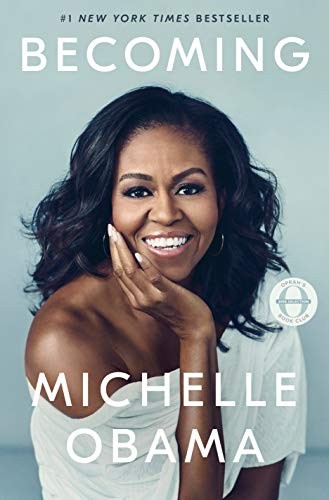
Obama’s memoir shows leadership shaped by family, education and service. Honest about doubts and challenges.
Best for: readers inspired by stories.
14. The Confidence Code by Katty Kay and Claire Shipman
Explores the science of confidence and why women often have less of it. Offers evidence that confidence can be built through action.
Best for: women who underestimate themselves.
15. Quiet by Susan Cain
Cain argues that introverts have strengths that organizations overlook. Helpful for women who feel pressured to be louder.
Best for: introverted leaders.
How to Choose the Right Book on Leadership For Women
Choose according to your stage. New managers should try Radical Candor and Crucial Conversations for communication skills. Mid-career women who want to advance may value How Women Rise and Executive Presence. If confidence is your barrier, Playing Big and The Confidence Code address self-doubt. If you want to understand structural bias, Invisible Women and The Memo provide data and perspective. And if you prefer stories, Becoming and Quiet show leadership in different forms. Read critically and adapt ideas to your own workplace.
Which Book Should You Start With? A Quick Guide
If you are not sure where to begin, match your situation to the list below.
- Ambitious professionals: Lean In
- Leaders of teams: Dare to Lead
- Women preparing to negotiate: Women Don’t Ask
- Women with inner critics: Playing Big
- New managers: Radical Candor
- Mid-career women: How Women Rise
- Women moving into senior roles: Executive Presence
- Women seeking influence: Own It
- Women of color in the workplace: The Memo
- Readers wanting concrete tips: Nice Girls Don’t Get the Corner Office
- Anyone with hard talks ahead: Crucial Conversations
- Readers who like facts: Invisible Women
- Readers inspired by stories: Becoming
- Women who underestimate themselves: The Confidence Code
- Introverted leaders: Quiet
A Simple Reading Plan
Treat this list as a menu, not an assignment. Start with Lean In, because it gives you a clear overview of leadership for women without demanding much from you. Read in short sessions and underline or note the passages that make you stop. After a week or two, move to Dare to Lead for a different angle, then Women Don’t Ask when you want more depth. Spacing the books out gives the ideas time to settle, and applying one small idea per week is worth more than rushing through the whole shelf. Revisit your notes at the end of each month to see what has actually changed.
Print, E-Book or Audiobook?
Format matters more than people expect. If you tend to forget what you read, choose print or an e-book so you can underline and review. If your time is limited, audiobooks fit into the gaps of your day. For a topic like leadership for women, short chapters are an advantage, since you can finish one in a single sitting and think about it afterward. Libraries lend e-books and audiobooks free, and many offer print copies of new releases through holds. Try one format for a week and switch if it is not working.
How to Get More From What You Read
Reading about leadership for women only helps if something changes afterward, so build a small habit around it. Keep a notebook or a notes app, and after each chapter write one sentence about what stood out and one action you could take. Choose a single idea per week to test, such as a new routine, a conversation or a different way of thinking. Discuss what you are reading with a friend, a partner or an online group, since explaining an idea out loud makes it stick. Review your notes monthly and drop anything that did not help. The aim is progress you can notice, not a long reading list.
Reading on a Budget
Good books on leadership for women are easier to afford than most people think. Library cards open up print, e-book and audiobook borrowing, and interlibrary loan can find titles your branch does not own. Used copies cost a fraction of new ones, and many of the classics are inexpensive in paperback. Try a sample chapter online to see whether an author’s voice suits you before you commit. If you finish a book you love, consider passing it to a friend, which keeps the ideas moving and your shelf uncluttered.
Talk About What You Read
Ideas stick when you talk about them. Choose one book from this list and invite a friend, partner or colleague to read it with you, then meet for coffee to compare notes on leadership for women. Online communities and library groups also host discussions, and many of these books have free reading guides. If you prefer privacy, a journal works well: write a paragraph after each chapter on what you agree with, what you doubt and what you will try. Teaching an idea to someone else is one of the best ways to learn it, so explain what you read in your own words.
Common Mistakes to Avoid
A few pitfalls are worth avoiding. Do not buy a dozen books on leadership for women in one go; borrow one, finish it and then decide what to read next. Do not expect a single book to transform your life overnight, since the best ones work through small, repeated actions. Be cautious of any author who promises guaranteed results, and check an author’s credentials and sources. Finally, do not use reading as a way of avoiding action. If you notice yourself finishing book after book without changing anything, pick one idea and practice it this week.
How to Judge a Book on Leadership for women
Not every book on leadership for women is equally reliable. Before you trust one, check the author’s background: are they a researcher, clinician, journalist or someone writing from lived experience? Each can be valuable, but they offer different things. Look for notes and references at the back, which show the claims can be checked. Be wary of books that promise a quick fix, rely on a single story or dismiss all other views. Read a few reviews from people with different perspectives, and treat bold claims as hypotheses to test in your own life. A good book invites questions instead of demanding agreement.
When Reading Is Not Enough
Reading can illuminate and encourage, yet some situations need more than a book. If you notice that your struggles with leadership for women are getting worse, lasting a long time or affecting your health, reach out to a professional you trust. Local libraries, community centers and workplaces often offer free resources, classes or referrals. Sharing what you are reading with a friend can open the door to a supportive conversation. Use these books as companions on the journey, and let real people walk it with you.
Questions to Reflect On
Keep these in a notebook and return to them after each book:
- What do I most want to understand or change about {t}?
- Which idea from my reading feels true for me, and which do I doubt?
- What is one small action I can take this week?
- Who could I talk to about what I am learning?
- How will I know in a month that this reading helped?
Tips for Reading About Leadership for women
- Find a mentor and a sponsor. A sponsor advocates for you when you are not in the room.
- Practice negotiation. Rehearse with a friend before the real conversation.
- Document achievements. Keep a running list for reviews.
- Build a network. Relationships open doors.
- Read critically. Adapt advice to your culture and workplace.
Related: 15 Best Books on Raising Kind Kids and the Gifts of Imperfection Summary and Key Takeaways.
Frequently Asked Questions
What is the best leadership book for women?
Dare to Lead, Lean In and How Women Rise are popular. The best choice depends on your stage and challenge.
Are books about women’s leadership only for women?
No. Many leaders find insights in these books, especially about bias and communication.
What should a new manager read first?
Radical Candor and Crucial Conversations are practical starting points.
How many books on leadership for women should I read at once?
One or two at a time is plenty. Finish a book, try one idea from it and then move on, so what you read turns into something you do.
Are these books on leadership for women available as audiobooks?
Most of them are. Check your library’s app, such as Libby, or an audiobook service, and listen to a sample to see whether the narrator suits you.