

Disclosure: As an Amazon Associate, Bookish Wisdom earns from qualifying purchases. This doesn’t change our picks or your price.
Quick answer: The best books on letting go include Letting Go of the Person You Used to Be, Radical Acceptance, When Things Fall Apart, Loving What Is, The Four Agreements and The Let Them Theory. Start with When Things Fall Apart or Radical Acceptance for gentle acceptance, and try The Let Them Theory for a short, practical reframe.
Letting go sounds simple until you try it. Whether you are holding on to a relationship that ended, a grudge, a version of your future that did not happen or years of clutter, the mind tends to circle what it cannot change. Letting go is not forgetting or pretending; it is choosing to stop spending your energy on what you cannot control. The books here approach it from many angles: mindfulness, psychology, forgiveness, self-compassion and even tidying. Some are tender, some blunt, and some quietly funny. Read the ones that speak to your situation, and take your time, because release often comes in small steps instead of one dramatic decision.
Table of Contents
Quick Picks at a Glance
| Book | Author | Theme | Best For |
|---|---|---|---|
| Letting Go of the Person You Used to Be | Lori Deschene | Change | readers in transition |
| Radical Acceptance | Tara Brach | Self-compassion | readers stuck in self-judgment |
| When Things Fall Apart | Pema Chödrön | Resilience | readers in crisis |
| Loving What Is | Byron Katie | Thinking patterns | readers who argue with reality |
| The Four Agreements | Don Miguel Ruiz | Beliefs | readers wanting short principles |
| The Let Them Theory | Mel Robbins | Boundaries | people-pleasers |
| The Courage to Be Disliked | Ichiro Kishimi and Fumitake Koga | Adlerian psychology | overthinkers about opinions |
| Forgive for Good | Fred Luskin | Forgiveness | readers holding grudges |
| The Untethered Soul | Michael A. Singer | Inner voice | anxious minds |
| The Body Keeps the Score | Bessel van der Kolk | Trauma | readers carrying old pain |
| Atlas of the Heart | Brené Brown | Emotions | readers who need words for feelings |
| The Life-Changing Magic of Tidying Up | Marie Kondo | Decluttering | readers with too much stuff |
| Feeling Good | David D. Burns | CBT | readers with negative thinking |
| Wintering | Katherine May | Rest | readers in a hard season |
| The Gifts of Imperfection | Brené Brown | Self-acceptance | perfectionists |
1. Letting Go of the Person You Used to Be by Lori Deschene
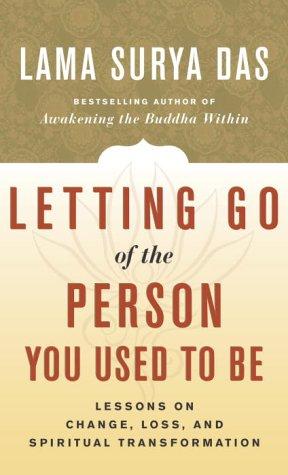
Deschene, founder of Tiny Buddha, shares short essays on releasing old identities, regrets and expectations. Warm and conversational, with practices at the end of each section. A good pick when you feel stuck between versions of yourself.
Best for: readers in transition.
2. Radical Acceptance by Tara Brach
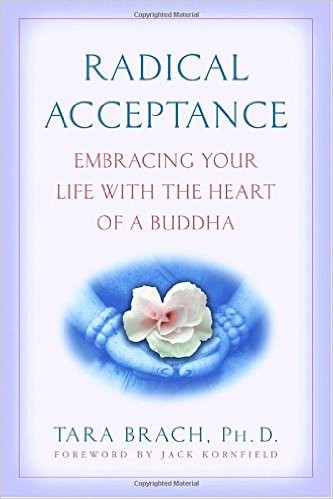
Psychologist Tara Brach teaches that accepting what is, including painful feelings, is the first step to freedom. Her stories from therapy and meditation show how acceptance changes relationships with ourselves and others.
Best for: readers stuck in self-judgment.
3. When Things Fall Apart by Pema Chödrön
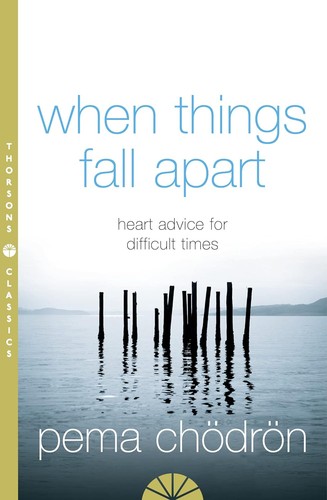
Chödrön offers Buddhist-informed advice for staying present with pain instead of running from it. Gentle, humorous and honest, it has comforted many through divorce, loss and uncertainty.
Best for: readers in crisis.
4. Loving What Is by Byron Katie
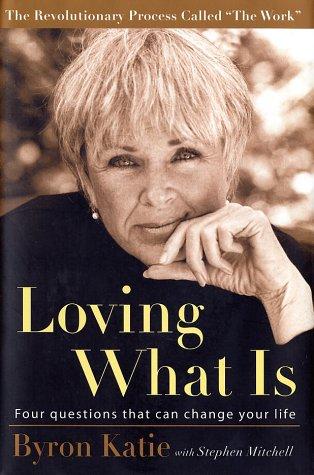
Katie’s four questions, known as The Work, help readers examine stressful thoughts. Straightforward and sometimes confronting, it offers a clear method for loosening painful beliefs.
Best for: readers who argue with reality.
5. The Four Agreements by Don Miguel Ruiz
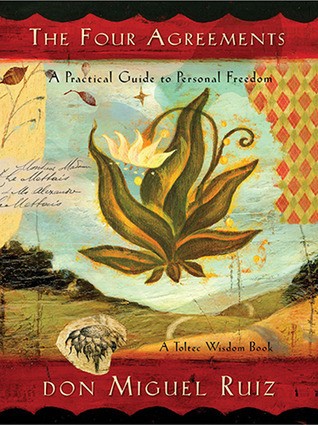
Four simple agreements, such as not taking things personally, offer a framework for freeing yourself from limiting beliefs. Short and easy to read, though some readers find it simplistic.
Best for: readers wanting short principles.
6. The Let Them Theory by Mel Robbins
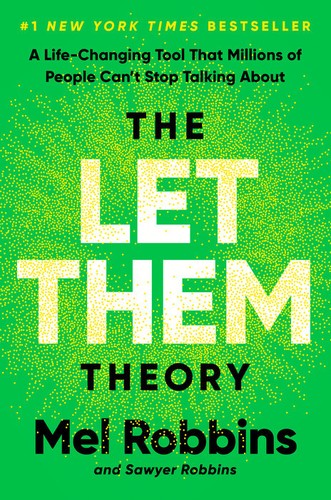
Robbins argues that you can stop managing other people’s choices by letting them be who they are. Direct and practical, with a focus on reclaiming your energy.
Best for: people-pleasers.
7. The Courage to Be Disliked by Ichiro Kishimi and Fumitake Koga
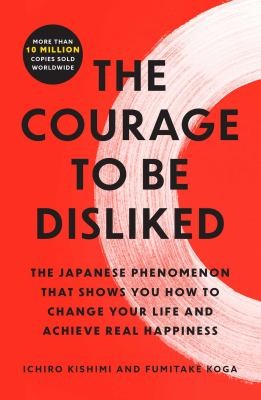
A dialogue between a philosopher and a young man introduces Adler’s ideas about freedom from others’ expectations. Thought-provoking and written as a conversation.
Best for: overthinkers about opinions.
8. Forgive for Good by Fred Luskin
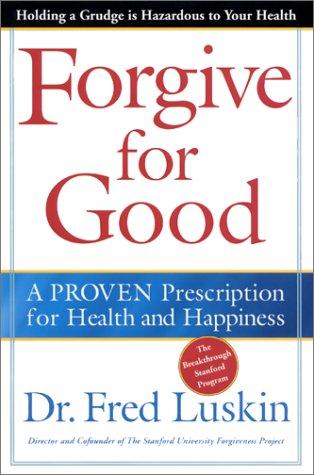
Luskin, a Stanford researcher, presents a nine-step method for forgiving, based on his studies. Practical, with exercises and real stories.
Best for: readers holding grudges.
9. The Untethered Soul by Michael A. Singer
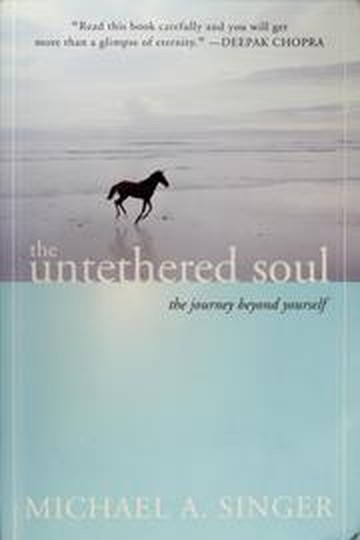
Singer explains how to step back from your thoughts and emotions and let them pass. The ideas unfold in short chapters that reward rereading.
Best for: anxious minds.
10. The Body Keeps the Score by Bessel van der Kolk
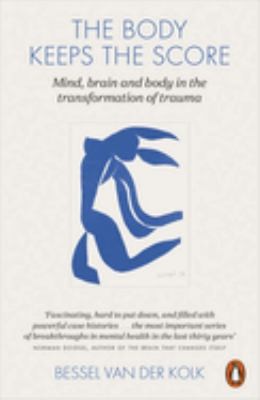
Van der Kolk explains how trauma lives in the body and describes therapies that help. Dense and sometimes heavy, but informative for those holding on to the past. Content note: descriptions of trauma and abuse.
Best for: readers carrying old pain.
11. Atlas of the Heart by Brené Brown
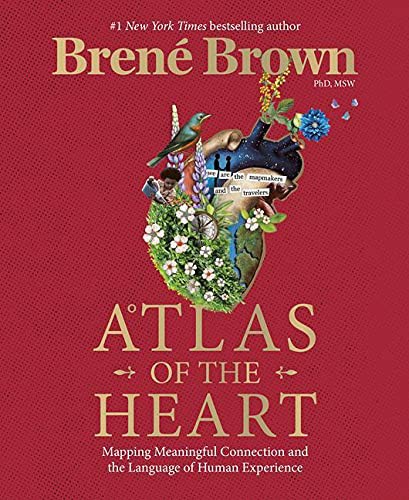
Brown maps eighty-seven emotions and experiences with definitions and stories. Helps you name what you are holding, which is the first step to releasing it.
Best for: readers who need words for feelings.
12. The Life-Changing Magic of Tidying Up by Marie Kondo
Kondo’s method of keeping only what sparks joy turns tidying into an act of gratitude and release. Its message reaches beyond closets to habits and relationships.
Best for: readers with too much stuff.
13. Feeling Good by David D. Burns
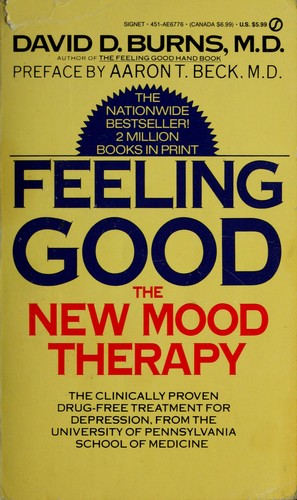
Burns’s classic introduction to cognitive therapy teaches how to identify distorted thoughts and replace them. Backed by studies and practical exercises.
Best for: readers with negative thinking.
14. Wintering by Katherine May
May writes about difficult periods as seasons to be endured and learned from. Lyrical and gentle, with essays on rest, nature and renewal.
Best for: readers in a hard season.
15. The Gifts of Imperfection by Brené Brown
Brown encourages readers to let go of who they think they should be. Short chapters with simple exercises.
Best for: perfectionists.
How to Choose the Right Book on Letting Go
Choose according to what you are holding. If it is resentment or hurt, Forgive for Good and Radical Acceptance offer practical paths. If it is an old identity, Letting Go of the Person You Used to Be speaks to change. If it is control and worry, Loving What Is and The Untethered Soul invite you to look at your thoughts. If it is stuff, The Life-Changing Magic of Tidying Up shows how physical decluttering can lighten you. Read one at a time, and use a notebook for the feelings that surface.
Which Book Should You Start With? A Quick Guide
If you are not sure where to begin, match your situation to the list below.
- Readers in transition: Letting Go of the Person You Used to Be
- Readers stuck in self-judgment: Radical Acceptance
- Readers in crisis: When Things Fall Apart
- Readers who argue with reality: Loving What Is
- Readers wanting short principles: The Four Agreements
- People-pleasers: The Let Them Theory
- Overthinkers about opinions: The Courage to Be Disliked
- Readers holding grudges: Forgive for Good
- Anxious minds: The Untethered Soul
- Readers carrying old pain: The Body Keeps the Score
- Readers who need words for feelings: Atlas of the Heart
- Readers with too much stuff: The Life-Changing Magic of Tidying Up
- Readers with negative thinking: Feeling Good
- Readers in a hard season: Wintering
- Perfectionists: The Gifts of Imperfection
A Simple Reading Plan
A reading plan works better than a stack of good intentions. Begin with Letting Go of the Person You Used to Be, which is the easiest way into letting go, and give it two weeks at ten to twenty pages a day. When you finish, spend five minutes writing down the one idea you want to try. Then move to Radical Acceptance, and only after that to When Things Fall Apart or a title that is denser. Mixing formats helps: read one book on paper, listen to another on a walk and keep a third on your phone for waiting rooms. If a book is not helping after fifty pages, put it down without guilt and try the next one, because the right book at the right time matters more than finishing every one.
Print, E-Book or Audiobook?
You do not have to pick one format. For a book on letting go, listen to the audiobook while walking or driving, and keep the paper or e-book handy for the chapters you want to study. Reading and listening together can improve retention, since you hear the author’s voice and see the structure on the page. Library apps lend all three formats free, and used paperbacks are inexpensive. If your attention drifts with long audio sessions, try 1.25x speed for an easy book and normal speed for a dense one. Choose whatever makes it easiest to read a little every day.
How to Get More From What You Read
Reading is the first step, and practice is the second. For each book on letting go, choose one idea that fits your life and schedule it, whether it is a ten-minute exercise, a conversation or a habit. Write it where you will see it, such as on a sticky note or in your calendar. After two weeks, ask what worked and what did not, and adjust. Sharing your progress with a friend adds accountability. If a book offers exercises, do them with a pencil instead of skipping to the next chapter, because the exercises are where most of the value lies.
Reading on a Budget
Reading about letting go does not have to be expensive. Start at the library, where print books, e-books and audiobooks are free with a card and a hold list, and ask the librarian for related titles. Secondhand bookstores and online used sellers keep prices low, and older editions are usually just as good as new ones. Watch for e-book sales, and borrow a title before buying it to be sure it suits you. When a book becomes a favorite, buy a copy for your shelf so you can reread and annotate it.
Talk About What You Read
Talking about what you read turns information into understanding. After each book on letting go, tell someone one thing you learned, even if it is just a five-minute chat over dinner. Post a short review for other readers, which forces you to organize your thoughts. If a book raises difficult feelings, share them with a trusted friend or counselor instead of carrying them alone. And if you disagree with an author, say so; thoughtful disagreement is part of learning, and it sharpens your own view.
Common Mistakes to Avoid
Readers often make a few predictable mistakes with books on letting go. The first is reading too many at once and finishing none, so stick with one or two at a time. The second is looking for a perfect answer, when most authors offer ideas to test, not rules to follow. The third is skipping the exercises or reflection questions, which are often the most useful parts. The fourth is comparing yourself with the author’s success story. Finally, do not treat a book as a substitute for support from people who know you. Use books as one tool among several, and be kind to yourself when progress is slow.
How to Judge a Book on Letting go
Not every book on letting go is equally reliable. Before you trust one, check the author’s background: are they a researcher, clinician, journalist or someone writing from lived experience? Each can be valuable, but they offer different things. Look for notes and references at the back, which show the claims can be checked. Be wary of books that promise a quick fix, rely on a single story or dismiss all other views. Read a few reviews from people with different perspectives, and treat bold claims as hypotheses to test in your own life. A good book invites questions instead of demanding agreement.
When Reading Is Not Enough
Reading can illuminate and encourage, yet some situations need more than a book. If you notice that your struggles with letting go are getting worse, lasting a long time or affecting your health, reach out to a professional you trust. Local libraries, community centers and workplaces often offer free resources, classes or referrals. Sharing what you are reading with a friend can open the door to a supportive conversation. Use these books as companions on the journey, and let real people walk it with you.
Questions to Reflect On
Keep these in a notebook and return to them after each book:
- What do I most want to understand or change about {t}?
- Which idea from my reading feels true for me, and which do I doubt?
- What is one small action I can take this week?
- Who could I talk to about what I am learning?
- How will I know in a month that this reading helped?
Tips for Reading About Letting go
- Name what you hold. Writing it down is a first release.
- Start small. Let go of one object or one grudge before the larger ones.
- Breathe. A few slow breaths can loosen tension in the moment.
- Allow grief. Letting go often involves sadness.
- Ask for help. A friend or therapist can hold space.
Related: 15 Best Books on Critical Thinking and the Power of Now Summary and Key Takeaways.
Frequently Asked Questions
What is the best book on letting go?
Radical Acceptance, When Things Fall Apart and Letting Go of the Person You Used to Be are widely recommended.
How do I let go of someone I loved?
Give yourself time, limit contact if needed and lean on friends. Books like Radical Acceptance and Wintering can accompany the process.
Is letting go the same as forgiving?
Not exactly. You can let go of anger without excusing what happened, and forgiveness is a choice that may take time.
How many books on letting go should I read at once?
One or two at a time is plenty. Finish a book, try one idea from it and then move on, so what you read turns into something you do.
Are these books on letting go available as audiobooks?
Most of them are. Check your library’s app, such as Libby, or an audiobook service, and listen to a sample to see whether the narrator suits you.