
Disclosure: As an Amazon Associate, Bookish Wisdom earns from qualifying purchases. This doesn’t change our picks or your price.
Quick answer: The best books on losing a parent include It’s OK That You’re Not OK, Motherless Daughters, The Long Goodbye, Crying in H Mart, H Is for Hawk and Grief Is the Thing with Feathers. Pick a memoir if you want company in your sorrow, a practical guide if you need tools for the days ahead, and a short, poetic book if concentration is hard. All are gentle and honest.
If your grief feels overwhelming or you are thinking of harming yourself, please contact a doctor or counselor, or call or text 988 in the United States for the Suicide & Crisis Lifeline. Books can support you, but they are not a substitute for professional care.
Losing a parent changes the ground you stand on, whether it happens in childhood, in midlife or at the end of a long life. Friends may say the right things for a week and then move on, while you are still looking for the phone number to call or the voice in the next room. Books cannot remove the loss, but they can make it feel less lonely and give words to feelings that seem too big to name. This list brings together fifteen memoirs, guides and works of fiction on losing a mother or father, chosen for compassion and honesty. Read slowly, skip what does not fit and return to a page when you need it.
Table of Contents
Quick Picks at a Glance
| Book | Author | Type | Best For |
|---|---|---|---|
| It’s OK That You’re Not OK | Megan Devine | Grief guide | feeling misunderstood |
| Motherless Daughters | Hope Edelman | Mother loss | women who lost a mother |
| The Long Goodbye | Meghan O’Rourke | Memoir | readers who want a literary memoir |
| Crying in H Mart | Michelle Zauner | Memoir | food and culture lovers |
| H Is for Hawk | Helen Macdonald | Memoir | nature lovers |
| Grief Is the Thing with Feathers | Max Porter | Fiction in verse | poetry lovers |
| On Grief and Grieving | Elisabeth Kübler-Ross and David Kessler | Grief guide | those wanting a framework |
| Finding Meaning: The Sixth Stage of Grief | David Kessler | Grief guide | those ready to look forward |
| The Grief Recovery Handbook | John W. James and Russell Friedman | Workbook | action-oriented readers |
| The Orphaned Adult | Alexander Levy | Parent loss | adults losing aging parents |
| A Monster Calls | Patrick Ness | Young adult novel | readers who prefer fiction |
| Option B | Sheryl Sandberg and Adam Grant | Resilience | readers wanting practical resilience |
| Healing After Loss: Daily Meditations for Working Through Grief | Martha Whitmore Hickman | Daily readings | readers who can only read a little |
| The Invention of Solitude | Paul Auster | Memoir | literary readers |
| Bearing the Unbearable | Joanne Cacciatore | Grief essays | those with complicated grief |
1. It’s OK That You’re Not OK by Megan Devine
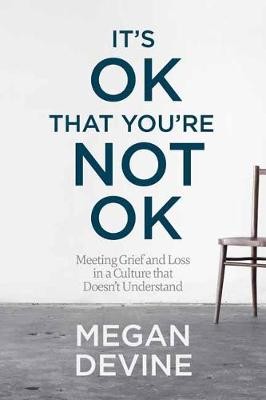
Devine, a therapist who lost her partner, argues that grief is not a problem to be fixed but a loss to be witnessed. She pushes back on advice like ‘everything happens for a reason’ and offers practical ways to survive, plus guidance for friends. Many readers find it a relief to have someone say that their pain makes sense.
Best for: feeling misunderstood.
2. Motherless Daughters by Hope Edelman
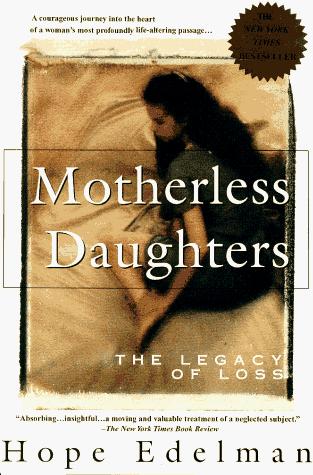
Edelman, who lost her mother at seventeen, explores how losing a mother shapes identity, relationships and motherhood at every age. She combines interviews and research with personal stories. A landmark book that has helped many women feel understood.
Best for: women who lost a mother.
3. The Long Goodbye by Meghan O’Rourke
O’Rourke chronicles her mother’s illness and death from cancer and the strange months that followed, interleaved with reflections on how culture treats grief. Honest, intelligent and unsentimental, it validates how disorienting loss can be.
Best for: readers who want a literary memoir.
4. Crying in H Mart by Michelle Zauner
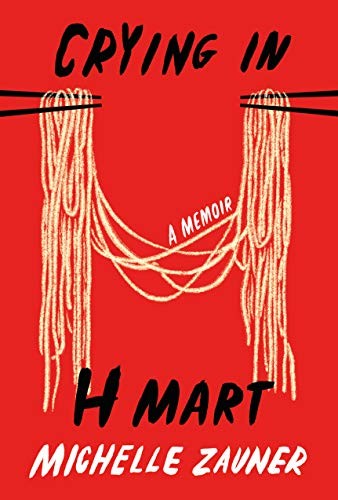
Zauner, who performs as Japanese Breakfast, writes about her Korean American identity and her mother’s death from cancer, using food as a way to stay connected. Funny, raw and moving. Many readers cook the recipes it mentions.
Best for: food and culture lovers.
5. H Is for Hawk by Helen Macdonald
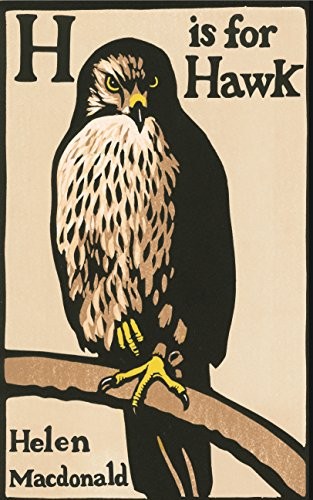
After her father’s sudden death, Macdonald trains a goshawk, a wild and difficult bird, and writes about grief, T.H. White and the pull of the wild. A beautiful, unusual book for readers who want grief that is not a straight line.
Best for: nature lovers.
6. Grief Is the Thing with Feathers by Max Porter
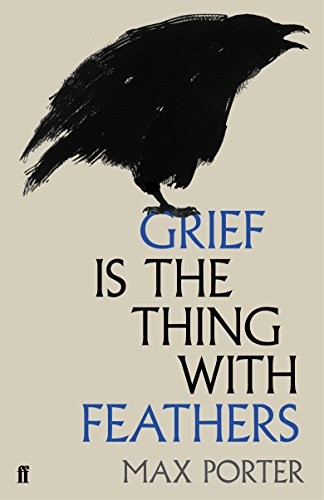
A father and his two young sons are visited by Crow in the weeks after their mother’s death. Brief, strange and tender, it is a good choice if you want a book you can finish in one evening. Content note: themes of a parent’s death and a child’s grief.
Best for: poetry lovers.
7. On Grief and Grieving by Elisabeth Kübler-Ross and David Kessler
The authors revisit the famous five stages of grief and clarify that they are not a rigid sequence. Kessler adds chapters on guilt, anger and the ways grief can change over time. Gentle, clear and widely recommended.
Best for: those wanting a framework.
8. Finding Meaning: The Sixth Stage of Grief by David Kessler
Kessler, who lost a young son, explores how people can find meaning after loss without denying the pain. He includes stories from many kinds of loss, plus exercises. Best when the first rawness has eased a little.
Best for: those ready to look forward.
9. The Grief Recovery Handbook by John W. James and Russell Friedman
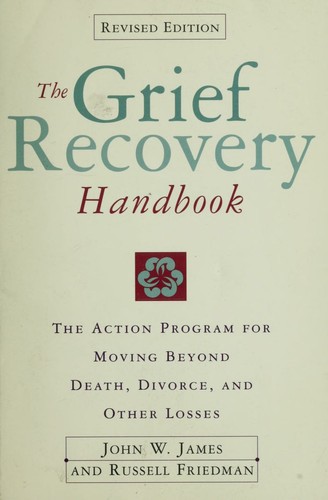
A step-by-step program for addressing unfinished business, such as the things you wish you had said. The authors offer a practical, structured way to grieve that some readers find freeing, though the approach is not for everyone.
Best for: action-oriented readers.
10. The Orphaned Adult by Alexander Levy
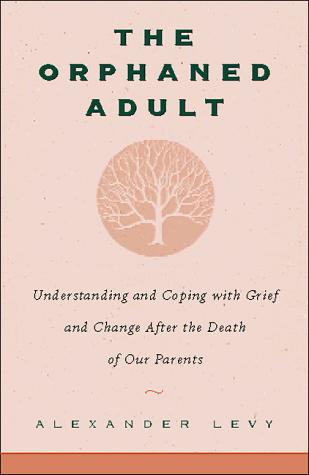
Levy writes specifically about the loss of parents in adulthood, which is often treated as ‘natural’ and overlooked. He explains the shifts in identity and family roles that follow and offers ways to cope. A rare book that speaks directly to adult children.
Best for: adults losing aging parents.
11. A Monster Calls by Patrick Ness
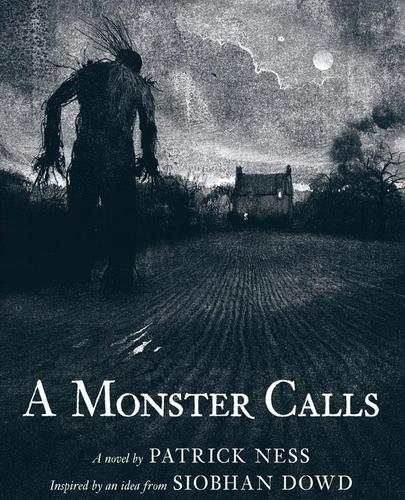
A boy whose mother is ill is visited by a monster who tells him three stories. Ness, working from an idea by Siobhan Dowd, writes about anger, guilt and truth. Written for teens, but powerful for adults. Content note: a mother’s terminal illness.
Best for: readers who prefer fiction.
12. Option B by Sheryl Sandberg and Adam Grant
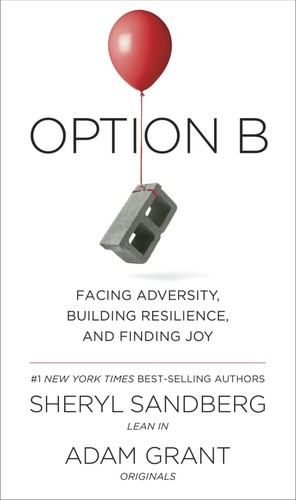
Sandberg writes about the sudden death of her husband, and Grant adds research on resilience. Though it is about a spouse, many readers find the insights on rebuilding after loss apply to parent loss too.
Best for: readers wanting practical resilience.
13. Healing After Loss: Daily Meditations for Working Through Grief by Martha Whitmore Hickman
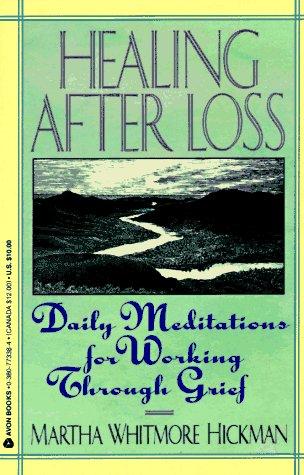
Short daily readings let you read one page at a time. Hickman’s language is simple and gentle, and the book is ideal for hard days when concentration is low.
Best for: readers who can only read a little.
14. The Invention of Solitude by Paul Auster
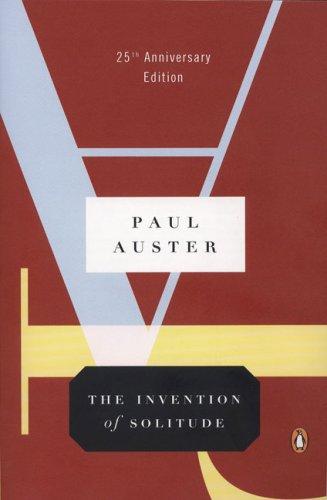
Auster reflects on his distant father’s death and on fatherhood in a two-part memoir. Spare and thoughtful, it gives voice to complicated grief when a relationship was not easy.
Best for: literary readers.
15. Bearing the Unbearable by Joanne Cacciatore
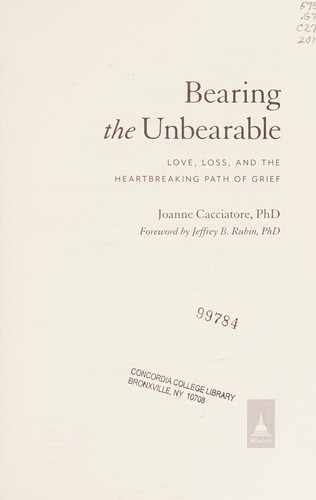
Cacciatore, a bereavement counselor and grief educator, offers essays about love, loss and the practice of staying present with pain. Compassionate and wise, it makes room for all kinds of grief.
Best for: those with complicated grief.
How to Choose the Right Book on Losing A Parent
Choose a book by what you need today. If you feel alone, a memoir by someone who has been there, such as Crying in H Mart or The Long Goodbye, can feel like a hand to hold. If you want to understand grief, On Grief and Grieving and Finding Meaning explain it with great kindness. If you struggle to focus, short and poetic books like Grief Is the Thing with Feathers or Healing After Loss can be read a page at a time. There is no correct order, and no timeline for grief. Put a book down if it hurts too much and return when you are ready.
Which Book Should You Start With? A Quick Guide
If you are not sure where to begin, match your situation to the list below.
- Feeling misunderstood: It’s OK That You’re Not OK
- Women who lost a mother: Motherless Daughters
- Readers who want a literary memoir: The Long Goodbye
- Food and culture lovers: Crying in H Mart
- Nature lovers: H Is for Hawk
- Poetry lovers: Grief Is the Thing with Feathers
- Those wanting a framework: On Grief and Grieving
- Those ready to look forward: Finding Meaning: The Sixth Stage of Grief
- Action-oriented readers: The Grief Recovery Handbook
- Adults losing aging parents: The Orphaned Adult
- Readers who prefer fiction: A Monster Calls
- Readers wanting practical resilience: Option B
- Readers who can only read a little: Healing After Loss: Daily Meditations for Working Through Grief
- Literary readers: The Invention of Solitude
- Those with complicated grief: Bearing the Unbearable
A Simple Reading Plan
A sensible order helps you build momentum. Open with It’s OK That You’re Not OK, which is accessible and encouraging, and finish it before you buy anything else. Next, choose Motherless Daughters to deepen what you learned, then The Long Goodbye when you are ready for a different voice or a more demanding read. Between books, take a few days to try something you learned, because losing a parent is easier to understand once you have tested it in real life. Keep a simple note on your phone with the title, your rating and one takeaway for each book you complete.
Print, E-Book or Audiobook?
Print, e-book and audiobook each suit different readers. Print is best for books you want to mark up and return to, which is useful for practical guides on losing a parent. E-books are cheap, portable and easy to search, and they make it simple to highlight a passage and find it again later. Audiobooks turn commutes, chores and walks into reading time, and a good narrator can make a heavy book on losing a parent easier to take in. Your public library offers all three through apps like Libby, so you can try a title before buying it. Many readers use two formats for the same book, listening first and then skimming a print copy for notes.
How to Get More From What You Read
To get more from these books, read with a pen and a question. Decide before you start what you hope to learn about losing a parent, and check at the end of each chapter whether you found it. Mark passages that feel true for you, and write down the ones you disagree with, since disagreement is also learning. Pick one practice from each book and try it for two weeks before judging it. Talking about the ideas with someone you trust, or writing a few lines in a journal, helps them move from your head into your life. Be patient with yourself; change comes in small steps.
Reading on a Budget
You do not need to buy all of these books. Your public library likely lends print, e-book and audiobook copies of many titles on losing a parent for free, and the hold feature lets you queue for popular ones. Used paperbacks are usually a few dollars, and thrift stores, library sales and swap groups are good sources. If you want to own a book you will mark up, buy the print edition; if you want to try several, borrow first and buy only the ones you finish and love. Subscription audiobook services often offer a free trial that covers a first title, and some libraries partner with apps that need only a library card.
Talk About What You Read
Reading on your own is valuable, and reading with others adds accountability. Consider forming a small book club around losing a parent, taking turns to choose a title from this list. Meet monthly, ask each person to share one idea and one action, and keep the tone supportive rather than competitive. If your friends are not interested, look for a local library group or an online community. A shared conversation helps you notice things you missed, and the encouragement of others makes it easier to keep going when progress feels slow.
Common Mistakes to Avoid
Three mistakes come up again and again. First, readers choose a book that is too advanced or too long and give up on the topic altogether, so start with an accessible title. Second, they read passively, without notes or a plan to use what they learn about losing a parent. Third, they expect immediate results and quit when the change is slow. Avoid these by starting small, taking notes and giving each idea at least two weeks. If a book does not suit you, move on; the list above has plenty of other voices.
How to Judge a Book on Losing a parent
Not every book on losing a parent is equally reliable. Before you trust one, check the author’s background: are they a researcher, clinician, journalist or someone writing from lived experience? Each can be valuable, but they offer different things. Look for notes and references at the back, which show the claims can be checked. Be wary of books that promise a quick fix, rely on a single story or dismiss all other views. Read a few reviews from people with different perspectives, and treat bold claims as hypotheses to test in your own life. A good book invites questions instead of demanding agreement.
When Reading Is Not Enough
Reading can illuminate and encourage, yet some situations need more than a book. If you notice that your struggles with losing a parent are getting worse, lasting a long time or affecting your health, reach out to a professional you trust. Local libraries, community centers and workplaces often offer free resources, classes or referrals. Sharing what you are reading with a friend can open the door to a supportive conversation. Use these books as companions on the journey, and let real people walk it with you.
Questions to Reflect On
Keep these in a notebook and return to them after each book:
- What do I most want to understand or change about {t}?
- Which idea from my reading feels true for me, and which do I doubt?
- What is one small action I can take this week?
- Who could I talk to about what I am learning?
- How will I know in a month that this reading helped?
Tips for Reading About Losing a parent
- Don’t rush. There is no deadline for grief, and the best book is the one you can bear to read.
- Mix genres. A memoir for company, a guide for tools and a poem for rest can all help.
- Use audio. Many grief books are available as audiobooks for days when reading hurts.
- Tell friends what helps. Share a book with someone who wants to support you.
- Seek support too. A counselor or grief group can help alongside reading.
Related: atomic Habits Summary and Key Takeaways and the Body Keeps the Score Summary and Key Takeaways.
Frequently Asked Questions
What is the best book for losing a parent?
It depends on what you need. It’s OK That You’re Not OK and On Grief and Grieving are widely recommended guides, while The Long Goodbye and Crying in H Mart are memoirs that many readers find comforting.
Are there books for losing a mother or father specifically?
Yes. Motherless Daughters focuses on losing a mother, The Orphaned Adult covers losing parents in adulthood and The Invention of Solitude deals with a father’s death.
When should I start reading about grief?
Whenever you feel ready. Some people read immediately, while others wait months. If a book feels like too much, put it aside and try a short or lighter one.
How many books on losing a parent should I read at once?
One or two at a time is plenty. Finish a book, try one idea from it and then move on, so what you read turns into something you do.
Are these books on losing a parent available as audiobooks?
Most of them are. Check your library’s app, such as Libby, or an audiobook service, and listen to a sample to see whether the narrator suits you.