
Disclosure: As an Amazon Associate, Bookish Wisdom earns from qualifying purchases. This doesn’t change our picks or your price.
Quick answer: These 15 back-to-school books suit elementary kids (ages 6–9). Start with First Day Jitters, Chrysanthemum, The Name Jar, Lilly’s Purple Plastic Purse, Miss Nelson Is Missing! or Thank You, Mr. Falker. Each pick below has a short blurb, an age range and a content note where it matters.
For elementary students, the start of school brings new teachers, new classmates and big feelings. Books can normalize these emotions and add humor to the transition. This list brings together fifteen picture books and chapter books for ages 6 to 9 that tackle first-day jitters, friendship, teasing, kindness and the joy of learning. You will find classics such as Chrysanthemum and Miss Nelson Is Missing! alongside newer favorites like The Name Jar and School’s First Day of School. Read them in the weeks leading up to the first bell, and give your child the words to talk about their worries and excitement.
Table of Contents
Quick Picks at a Glance
| Book | Author | Ages | Best For |
|---|---|---|---|
| First Day Jitters | Julie Danneberg | 5–8 | nervous kids |
| Chrysanthemum | Kevin Henkes | 4–8 | name-pride readers |
| The Name Jar | Yangsook Choi | 5–9 | immigrant-story readers |
| Lilly’s Purple Plastic Purse | Kevin Henkes | 4–8 | expressive kids |
| Miss Nelson Is Missing! | Harry Allard | 5–9 | mischief fans |
| Thank You, Mr. Falker | Patricia Polacco | 6–10 | struggling readers |
| The Recess Queen | Alexis O’Neill | 5–8 | kindness readers |
| Stand Tall, Molly Lou Melon | Patty Lovell | 5–8 | confidence builders |
| School’s First Day of School | Adam Rex | 5–8 | imaginative readers |
| Frindle | Andrew Clements | 8–12 | clever kids |
| Judy Moody Was in a Mood. Not a Good Mood. A Bad Mood. | Megan McDonald | 6–9 | chapter-book beginners |
| Junie B. Jones and the Stupid Smelly Bus | Barbara Park | 6–9 | first-day jokes |
| Ivy + Bean | Annie Barrows | 6–9 | friendship readers |
| Wemberly Worried | Kevin Henkes | 4–8 | anxious kids |
| Ruby the Copycat | Peggy Rathmann | 5–8 | social-skill learners |
1. First Day Jitters by Julie Danneberg
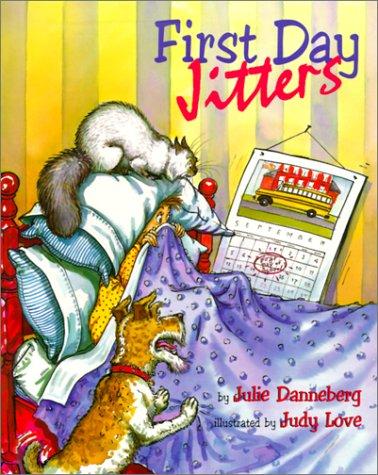
Sarah Jane Hartwell doesn’t want to go to a new school, but the reason for the surprise ending is a delight. A good read for anxious students.
Best for: nervous kids. Ages: 5–8.
2. Chrysanthemum by Kevin Henkes
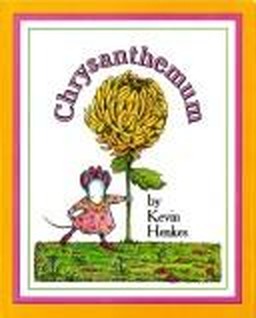
Chrysanthemum loves her unusual name until classmates tease her. A funny and warm story about confidence.
Best for: name-pride readers. Ages: 4–8.
3. The Name Jar by Yangsook Choi
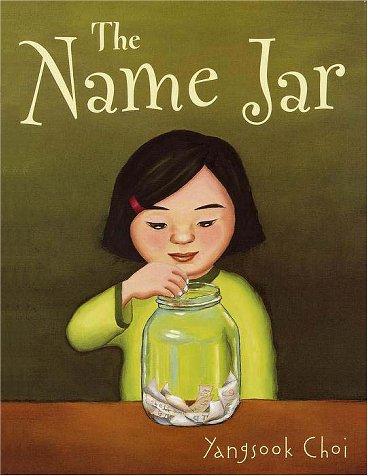
Unhei, new from Korea, considers choosing an American name to fit in. A tender story about identity and acceptance.
Best for: immigrant-story readers. Ages: 5–9.
4. Lilly’s Purple Plastic Purse by Kevin Henkes
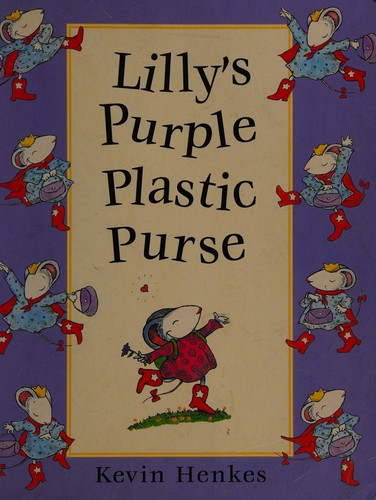
Lilly loves her teacher until he takes her purse away, and she makes a mistake she must repair. A story about emotions and apologies.
Best for: expressive kids. Ages: 4–8.
5. Miss Nelson Is Missing! by Harry Allard
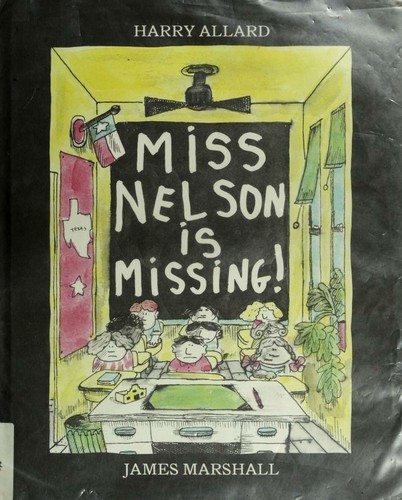
When the kind teacher disappears, a terrifying substitute takes over. Funny, with a clever twist.
Best for: mischief fans. Ages: 5–9.
6. Thank You, Mr. Falker by Patricia Polacco
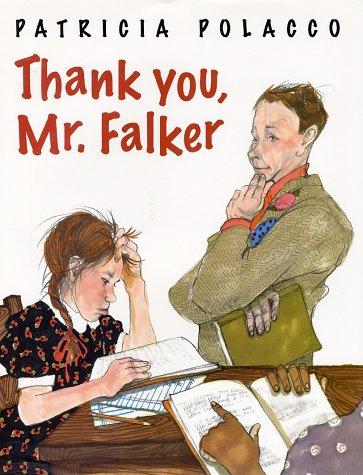
Trisha struggles to read until a teacher notices and helps. Based on the author’s life, an inspiring story.
Best for: struggling readers. Ages: 6–10.
7. The Recess Queen by Alexis O’Neill
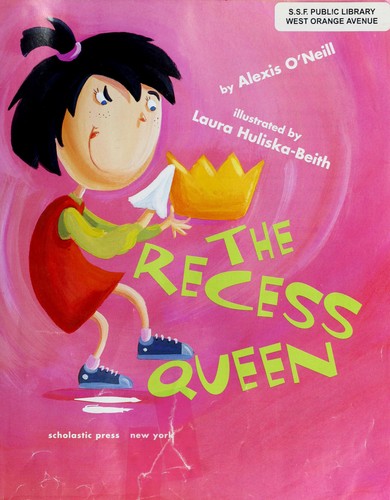
Mean Jean rules the playground until a new girl befriends her. A lively rhyme about bullies and friendship.
Best for: kindness readers. Ages: 5–8.
8. Stand Tall, Molly Lou Melon by Patty Lovell
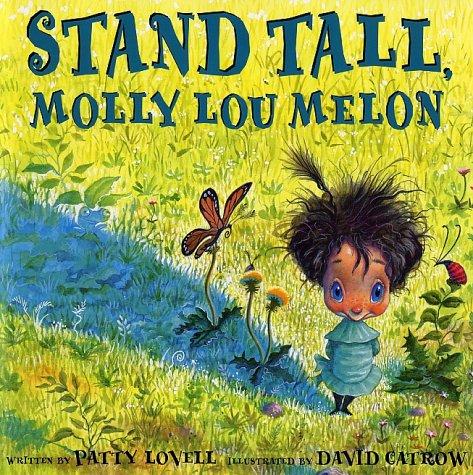
Molly Lou is small and has buck teeth but never loses confidence, even when a bully teases her. Encouraging.
Best for: confidence builders. Ages: 5–8.
9. School’s First Day of School by Adam Rex
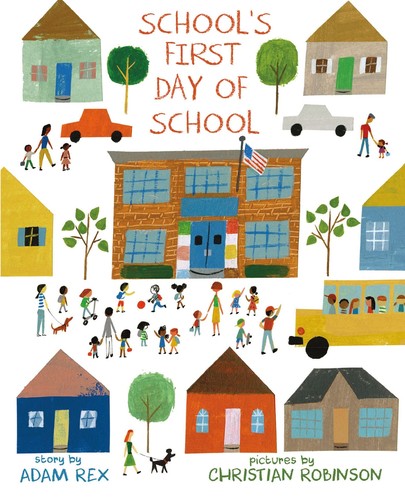
The school building is nervous about its very first day. A quirky, funny twist on the usual story.
Best for: imaginative readers. Ages: 5–8.
10. Frindle by Andrew Clements
Nick Allen invents a new word for pen, and the whole school catches on. A smart, funny novel about language and teachers.
Best for: clever kids. Ages: 8–12.
11. Judy Moody Was in a Mood. Not a Good Mood. A Bad Mood. by Megan McDonald
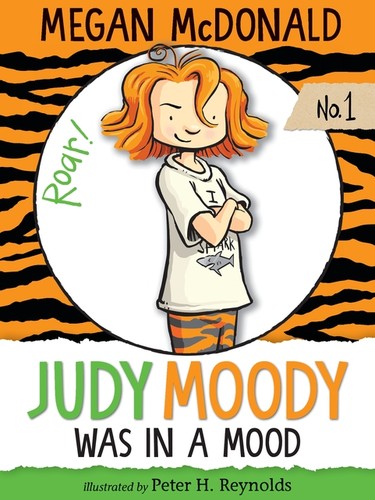
Judy starts third grade in a bad mood, but things improve with creative projects. A funny start to a long series.
Best for: chapter-book beginners. Ages: 6–9.
12. Junie B. Jones and the Stupid Smelly Bus by Barbara Park
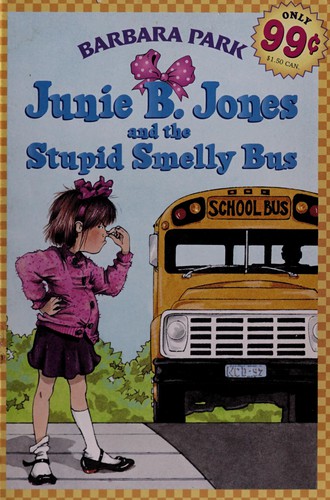
Junie B. is afraid of the bus on her first day of kindergarten. Humorous and short, with lots of kid logic.
Best for: first-day jokes. Ages: 6–9.
13. Ivy + Bean by Annie Barrows
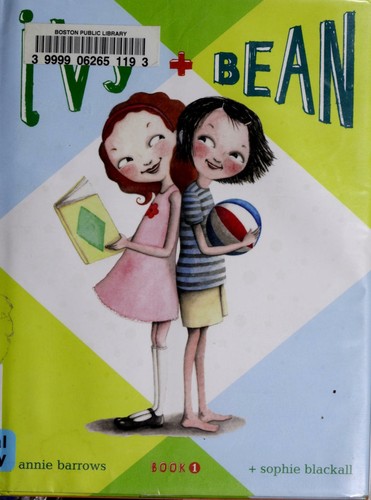
Two neighbors become friends in a chapter book about mischief. A good start to a long series.
Best for: friendship readers. Ages: 6–9.
14. Wemberly Worried by Kevin Henkes
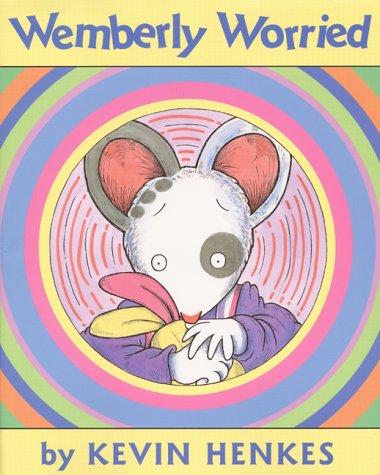
Wemberly worries about everything, including school. Helps children name and cope with worry.
Best for: anxious kids. Ages: 4–8.
15. Ruby the Copycat by Peggy Rathmann
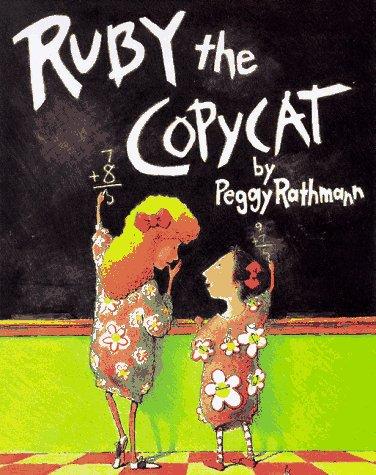
Ruby copies a classmate until her teacher helps her find her own voice. Funny and kind.
Best for: social-skill learners. Ages: 5–8.
Helping Your Child Handle School Worries
Start by listening without fixing. Ask ‘What are you most worried about?’ and let your child answer. Use stories to normalize feelings: ‘Do you feel like Wemberly?’ Make a plan together, such as sitting with a friend at lunch or asking the teacher for help. Role-play tricky situations like introducing yourself or asking to join a game. If worries last more than a few weeks or affect sleep and appetite, talk to the teacher or school counselor. Most children settle in, and books can make that process kinder and calmer.
Setting Up a Home Reading Routine for the School Year
Reading at home after school keeps skills strong. Choose a regular time, perhaps twenty minutes after dinner, and a cozy spot. Let your child pick books, including graphic novels and nonfiction. Read aloud to them, even if they can read alone, because listening to stories above their reading level builds vocabulary. Keep a chart or list of books finished. Visit the library weekly. Ask the teacher for suggestions on reading levels. A steady routine in September builds habits that last all year.
How to Match a Back-To-School Book to Your Elementary Student
Elementary-age readers range from kids who are sounding out words to kids who read chapter books independently, so check the level before you choose. A good back-to-school book for this age has a story that grabs attention, language that is slightly challenging and pictures that support the text. If your elementary student stumbles on more than a few words per page, read it aloud together; if they breeze through, move on to a longer title. Offer two or three choices rather than one assigned book, and let your child abandon a book that is not working. Books they pick themselves are the ones they finish, and finishing builds confidence.
A Simple Reading Plan for Back-To-School Books
Choose one book from the list and set a small daily goal, such as one chapter or ten pages. Take turns reading aloud when the text is challenging, and let your elementary student read alone when it is easy. Ask a question or two during the story, such as what a character might do next. When the book is finished, talk about the favorite part and look for another back-to-school title from this list. A simple reading chart on the fridge makes progress visible, and a library visit makes a good reward.
Why Back-To-School Books Matter for Elementary Kids
Reading back-to-school books during the elementary years builds fluency, vocabulary and the stamina needed for longer books. Children this age are also learning empathy and how the world works, and stories are a safe way to explore them. A back-to-school book can spark questions, writing, drawing and projects at home or school. Children who read for fun do better in school, so every enjoyable book is an investment. The best strategy is to keep reading pleasant and let your child’s interests lead.
Where to Find and How to Read These Books
You do not need to buy every book. Public libraries lend print books, e-books and audiobooks free, and school libraries add more variety. Paperbacks are great value for books your child will reread, and used copies are plentiful. Audiobooks are a good support for children who are still building reading stamina, and they let the whole family enjoy a back-to-school story in the car. Check whether a book has a sequel or companion, because finishing a series is often what turns an elementary reader into a lifelong one.
Building a Daily Routine Around Back-To-School Books
Children in the elementary years do best when reading has a regular place in the day. Choose a twenty-minute window after dinner or before bed, and let your child read alone while you read your own book nearby. Take turns reading pages aloud when the text is challenging. Keep back-to-school books in a basket by the couch or bed so they are easy to grab, and let your child decide which one to read first. Track finished books on a simple chart and celebrate when it fills up. If your child resists, shorten the session and keep it pleasant rather than turning it into a battle.
Sharing Back-To-School Books With Family and Friends
Reading is even better when it is shared. Start a family reading hour once a week, where everyone reads their own book in the same room. Invite a friend over for a book swap of back-to-school favorites, or form a mini book club with two or three classmates who read the same title. Encourage your child to recommend a book to a friend or to write a short review for the class or the family fridge. Teachers and librarians are happy to hear what students enjoy and can recommend similar titles. Sharing turns reading from a solo task into a social activity, which keeps kids interested as they grow.
After the Last Page: What to Read Next
After your child finishes a book, ask what they liked and whether they want the sequel. Look for other books by the same author or another back-to-school title from this list. A small ritual, such as choosing a new book at the library every week, keeps momentum going. If a book did not work, treat it as information about your child’s taste and try something different. Over time, those choices add up to a reading habit that lasts.
A Quick Checklist Before You Pick a Back-To-School Book
Ask these questions before you borrow or buy:
- Is the reading level right for your child, easy enough to enjoy but with a few new words?
- Does the story hook your child within the first few pages?
- Are there enough pictures to support the text?
- Is there a sequel or companion book waiting?
- Is the content appropriate for your child’s sensitivity?
Questions to Talk About After Reading
These work for almost any book on this list:
- What was the best part of the story?
- Which character would you like to be, and why?
- What would you do if you were in the story?
- Did anything surprise you?
- Which book from this list do you want to read next?
How to Tell a Back-To-School Book Is the Right Fit
You can tell a book is a good fit when your child keeps reading past bedtime, shares funny lines, asks for the next one or retells the story. A poor fit looks like groaning, skipping pages or finding other things to do. If a book is too easy, your child may breeze through it, which is fine for confidence. If it is too hard, read aloud together. Try the five-finger test: if your child misses five or more words on a page, the book is probably a challenge. Let your child abandon books that aren’t working and try another.
Tips for Choosing Back-To-School Books for Elementary Kids
- Read ahead. Look through a book together to see how a character solves a problem.
- Practice routines. Pack the backpack the night before.
- Meet a friend. Arrange a playdate with a classmate.
- Create a worry box. Let your child write worries on slips and talk about them later.
- Celebrate small wins. Praise effort in the first weeks.
Related: 15 Best Back-to-School Books for Preschoolers and 15 Best Back-to-School Books for Toddlers.
Frequently Asked Questions
What are the best back-to-school books for elementary students?
First Day Jitters, Chrysanthemum, The Name Jar and Miss Nelson Is Missing! are popular choices.
What chapter books are good for the first week of school?
Try Judy Moody Was in a Mood, Ivy + Bean and Frindle for relatable school stories.
How can books help with school anxiety?
They show characters with similar worries, which normalizes feelings and models solutions.