
Disclosure: As an Amazon Associate, Bookish Wisdom earns from qualifying purchases. This doesn’t change our picks or your price.
Quick answer: These 15 back-to-school books suit preschoolers (ages 3–5). Start with The Kissing Hand, Llama Llama Misses Mama, Wemberly Worried, Chrysanthemum, The Night Before Preschool or Pete the Cat: Rocking in My School Shoes. Each pick below has a short blurb, an age range and a content note where it matters.
Preschoolers heading into a classroom for the first time are excited, nervous and full of questions: Will I make friends? Where is the bathroom? What if I miss my mom? Picture books answer these questions gently and often with humor. This list gathers fifteen of the best back-to-school books for ages 3 to 5, from classics like The Kissing Hand and Chrysanthemum to newer favorites such as Mouse’s First Day of School and The Pigeon HAS to Go to School! Read them together in August, talk about what your child expects and enjoy the sweet moments of anticipation before the school bell rings.
Table of Contents
Quick Picks at a Glance
| Book | Author | Ages | Best For |
|---|---|---|---|
| The Kissing Hand | Audrey Penn | 3–6 | worried kids |
| Llama Llama Misses Mama | Anna Dewdney | 3–6 | drop-off readers |
| Wemberly Worried | Kevin Henkes | 3–7 | anxious kids |
| Chrysanthemum | Kevin Henkes | 4–8 | name-pride readers |
| The Night Before Preschool | Natasha Wing | 2–5 | excited kids |
| Pete the Cat: Rocking in My School Shoes | Eric Litwin | 3–6 | singalong readers |
| David Goes to School | David Shannon | 3–7 | funny-story fans |
| Mouse’s First Day of School | Lauren Thompson | 2–5 | gentle readers |
| The Pigeon HAS to Go to School! | Mo Willems | 3–7 | humor fans |
| First Day Jitters | Julie Danneberg | 4–8 | surprise-ending fans |
| How Do Dinosaurs Go to School? | Jane Yolen | 3–6 | dinosaur fans |
| Look Out Kindergarten, Here I Come! | Nancy Carlson | 4–7 | kindergarten-bound kids |
| Maisy Goes to Preschool | Lucy Cousins | 2–5 | Maisy fans |
| Starting School | Janet Ahlberg | 3–7 | observant readers |
| I Am Too Absolutely Small for School | Lauren Child | 4–8 | witty readers |
1. The Kissing Hand by Audrey Penn
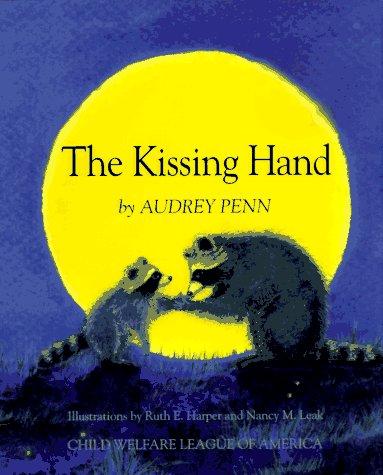
A raccoon named Chester gets a kiss in his hand to carry his mother’s love to school. A comforting story that many families turn into a daily ritual.
Best for: worried kids. Ages: 3–6.
2. Llama Llama Misses Mama by Anna Dewdney
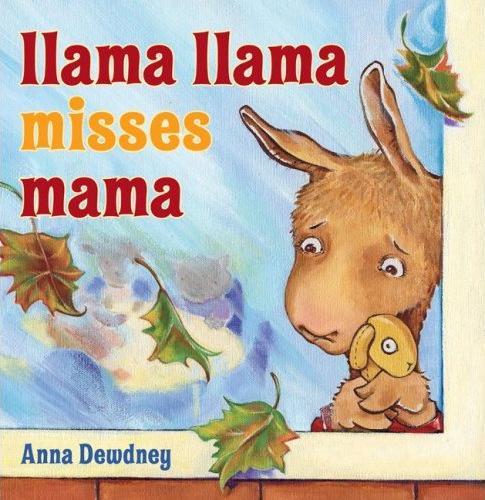
Llama Llama doesn’t want Mama to leave on the first day, but friends and activities soon cheer him up. A good model of feelings and coping.
Best for: drop-off readers. Ages: 3–6.
3. Wemberly Worried by Kevin Henkes
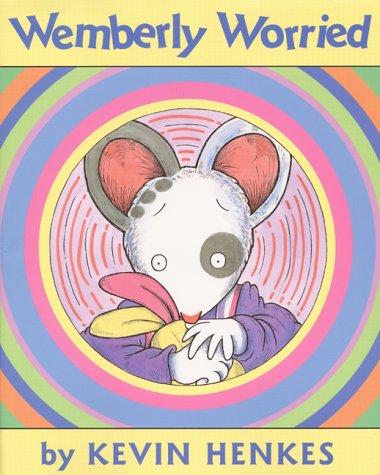
Wemberly worries about everything, and school is no exception. Henkes shows that finding a friend can ease worry.
Best for: anxious kids. Ages: 3–7.
4. Chrysanthemum by Kevin Henkes
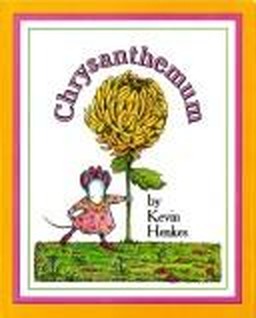
Chrysanthemum loves her name until classmates tease her. A sweet and funny story about self-confidence and kindness.
Best for: name-pride readers. Ages: 4–8.
5. The Night Before Preschool by Natasha Wing
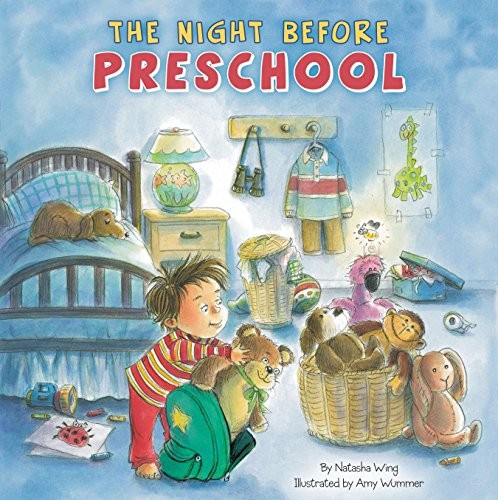
A rhyming story about the evening before the first day, with all the preparations. Cheerful and reassuring.
Best for: excited kids. Ages: 2–5.
6. Pete the Cat: Rocking in My School Shoes by Eric Litwin
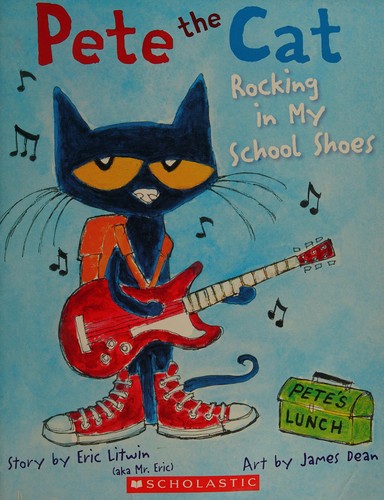
Pete shows that school can be a place of fun. The catchy refrain gets kids singing.
Best for: singalong readers. Ages: 3–6.
7. David Goes to School by David Shannon
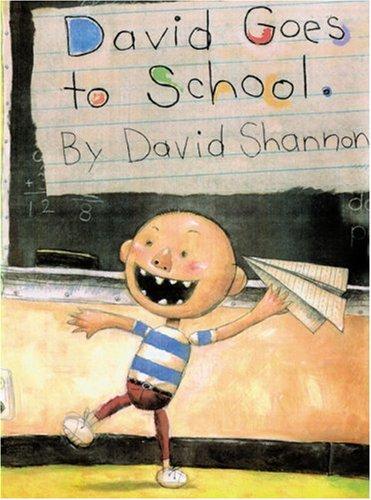
David misbehaves at school and learns the rules. Silly pictures and a gentle ending make it a hit.
Best for: funny-story fans. Ages: 3–7.
8. Mouse’s First Day of School by Lauren Thompson
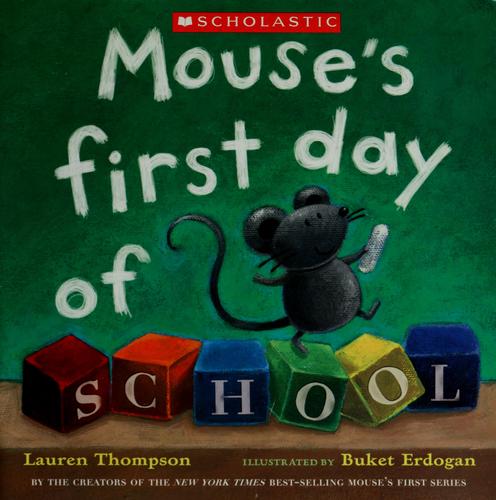
Little Mouse goes to school and finds friends. Short, sweet and full of Buket Erdogan’s soft pictures.
Best for: gentle readers. Ages: 2–5.
9. The Pigeon HAS to Go to School! by Mo Willems
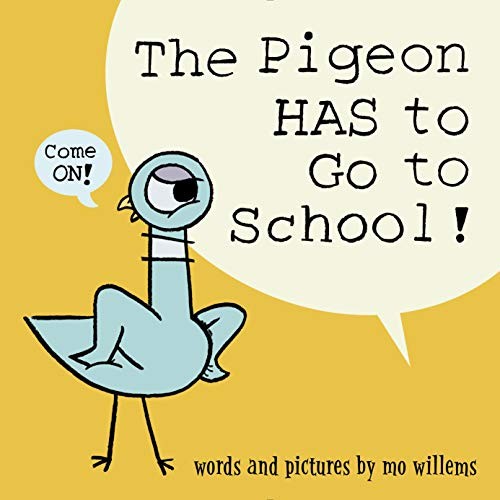
The pigeon has a long list of reasons not to go to school, until he finds out what he’s missing. A funny read-aloud.
Best for: humor fans. Ages: 3–7.
10. First Day Jitters by Julie Danneberg
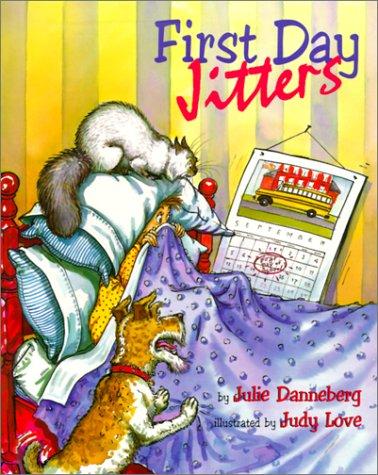
Sarah doesn’t want to go to her new school, and her nervousness has an unexpected twist at the end. A great picture book for anxious kids.
Best for: surprise-ending fans. Ages: 4–8.
11. How Do Dinosaurs Go to School? by Jane Yolen
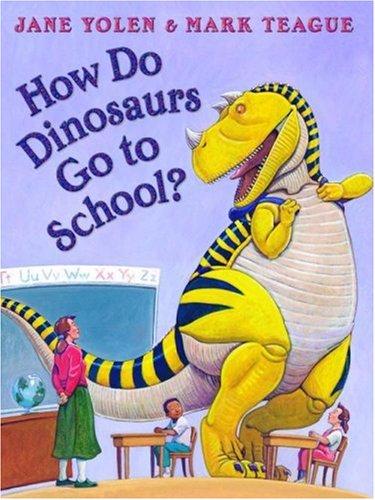
Dinosaurs show good and bad behavior at school, with funny and cheerful illustrations. Teaches manners with humor.
Best for: dinosaur fans. Ages: 3–6.
12. Look Out Kindergarten, Here I Come! by Nancy Carlson
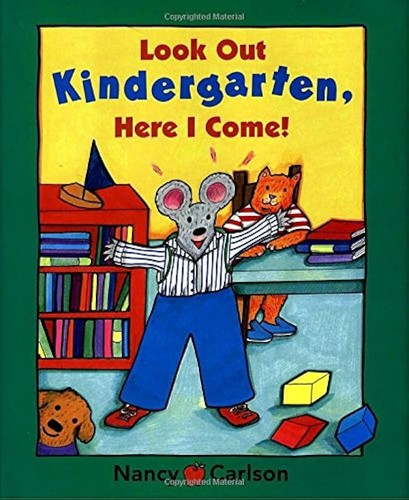
Henry is nervous about kindergarten but makes a friend and begins to enjoy the day. Reassuring.
Best for: kindergarten-bound kids. Ages: 4–7.
13. Maisy Goes to Preschool by Lucy Cousins
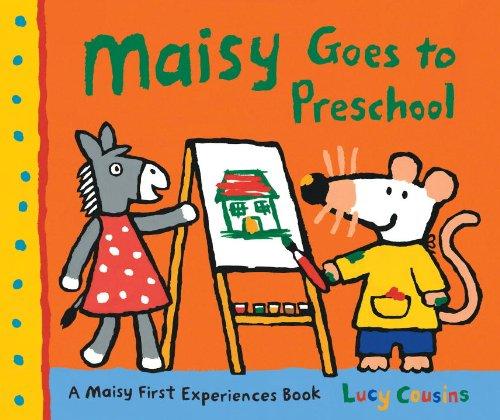
Maisy is excited to see the classroom and play with friends. Bold pictures and simple text.
Best for: Maisy fans. Ages: 2–5.
14. Starting School by Janet Ahlberg
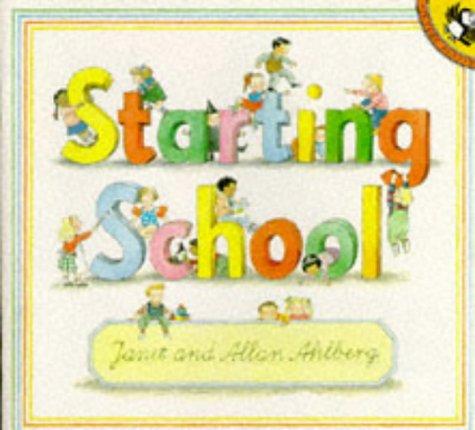
A British classic that follows a class of new children through the first weeks of school, with lively pictures.
Best for: observant readers. Ages: 3–7.
15. I Am Too Absolutely Small for School by Lauren Child
Lola thinks she is too small for school, but her brother Charlie convinces her it’s worthwhile. Quirky and funny.
Best for: witty readers. Ages: 4–8.
Building a Morning Routine That Reduces Stress
Mornings can be hard when children are nervous. Create a simple routine you can repeat each day: wake up, get dressed, eat breakfast, brush teeth, pack the backpack and read one short story before leaving. A visual chart with pictures helps preschoolers know what’s next. Pack the backpack the night before and set out clothes. Keep your own voice calm and playful. Read a back-to-school book at breakfast, such as Pete the Cat: Rocking in My School Shoes, to set a happy tone. A predictable morning makes the transition to school easier.
Talking With Your Preschooler After School
After school, children are often tired and hungry, so hold off on questions until they’ve had a snack. Then ask specific, open-ended questions such as ‘What was the funniest thing today?’ or ‘Who did you sit next to at lunch?’ Use books as a bridge: ‘Did you feel like Wemberly this morning?’ Listen without correcting. If your child says nothing, that’s fine. Some children process the day by playing, so watch what they act out with toys. Patience and presence matter more than perfect questions.
How to Match a Back-To-School Book to Your Preschooler
Preschoolers love stories with characters they recognize, funny moments and pictures worth studying. Choose back-to-school books that match your preschooler’s interests and attention span, usually a story you can finish in five to ten minutes. Read with expression, use different voices and stop to ask what might happen next. Look for rhyme, repetition and a gentle problem that gets solved, because these help preschoolers learn how stories work. Let your child choose some of the books, even if they pick the same one repeatedly, and keep a few new titles in the mix so there is always something fresh. Following the words with your finger shows them how print works.
A Simple Reading Plan for Back-To-School Books
Pick one book to read this week and set aside ten minutes at the same time each day. Read it through once for the story, then again slowly so your preschooler can look at the pictures and ask questions. Let your child turn the pages, guess what comes next and chime in on repeated phrases. Visit the library often so new back-to-school books keep arriving, and keep favorites within easy reach. A cozy spot, such as a pile of pillows, makes reading feel special. Short, happy sessions matter more than long ones.
Why Back-To-School Books Matter for Preschoolers
Reading back-to-school books with preschoolers builds the skills they need for school: vocabulary, listening, understanding how stories begin and end, and recognizing letters and sounds. It also helps children make sense of big feelings and new situations, since a story can show how a character handles worry, excitement or change. Sharing a back-to-school book makes ordinary days feel special and gives you something to talk about at dinner and bedtime. Children who enjoy books at this age are more likely to become confident readers later.
Where to Find and How to Read These Books
You do not need to buy every book. Your library has picture books, storytimes and read-along audiobooks, and children’s librarians love helping families find back-to-school titles. Paperbacks are good value for books your child will ask for repeatedly, while hardcovers last longer for favorites. Library sales, thrift stores and book swaps are inexpensive sources. Many libraries also offer e-books, which are handy for travel. Keep a basket near your child’s bed so there is always something to pick.
Building a Daily Routine Around Back-To-School Books
Preschoolers love routines, and a reliable reading time gives them something to look forward to. Choose a regular slot, such as right after dinner or just before lights out, and protect it from screens and interruptions. Allow your child to choose one of the books each night while you choose the other, which teaches that reading is both a choice and a shared activity. Keep a basket of back-to-school books close by and rotate a few titles every week so they stay fresh. Ask one question per book, such as what a character might be feeling, and leave time for your child to answer. A simple routine like this builds listening skills, vocabulary and a love of books.
Sharing Back-To-School Books With Family and Friends
Preschoolers love an audience, so share these books beyond bedtime. Invite a grandparent to read by video call, let an older cousin take a turn or visit the library for storytime where your child can listen with other kids. Swap back-to-school books with friends to keep your shelf fresh without spending money. Encourage your child to read to a stuffed animal or the family pet, even if they are only telling the story from the pictures. This pretend reading builds confidence and shows that your child understands how books work. When they see you reading for fun, too, they learn that books are for everyone.
After the Last Page: What to Read Next
After the last page, ask your preschooler what they liked best, and let them retell the story in their own words. Many children enjoy acting it out, drawing a picture or finding the book on the shelf again. Look for other books by the same author or illustrator, or another back-to-school title from this list. Visiting the library every week to choose one new book gives your child a sense of ownership. If a book was not a hit, put it away for a few months and try again; tastes change quickly at this age.
A Quick Checklist Before You Pick a Back-To-School Book
Ask these questions before you borrow or buy:
- Is the story short enough to finish in one sitting?
- Do the pictures add humor or details to talk about?
- Does it include rhyme or repetition your child can join in on?
- Is the topic one your child is curious about?
- Is the tone gentle enough for bedtime if you read it at night?
Questions to Talk About After Reading
These work for almost any book on this list:
- What was your favorite part?
- How do you think the character felt?
- What do you think will happen next?
- Has anything like this happened to you?
- Which book should we read tomorrow?
How to Tell a Back-To-School Book Is the Right Fit
A good fit shows up in small ways: your preschooler asks questions, chimes in on the repeated lines, laughs at the pictures or asks for the book again tomorrow. A book that is a miss may bring fidgeting, interruptions about something else or a request for a different story. That’s fine. If the book is too long, read half and finish the next day. If it is too scary, skip ahead or set it aside. Pay attention to the themes your child returns to, such as animals, families or feelings, and use them to guide the next choice.
Tips for Choosing Back-To-School Books for Preschoolers
- Visit the school. Tour the classroom and meet the teacher.
- Role-play. Pretend to drop off a stuffed animal at ‘school.’
- Practice routines. Wake up and dress at school time a week early.
- Read at bedtime. A story the night before eases nerves.
- Share your feelings. Say you’re excited and proud.
Related: 15 Best Back-to-School Books for Toddlers and 15 Best Valentine’s Day Books for Elementary Kids.
Frequently Asked Questions
What are the best back-to-school books for preschoolers?
The Kissing Hand, Llama Llama Misses Mama, Wemberly Worried and First Day Jitters are great for easing anxiety.
How can I help my preschooler feel ready?
Visit the school, practice routines, read books about school and talk about what to expect.
What if my child is nervous?
Acknowledge the feeling, share stories, make a goodbye ritual and keep the drop-off short.