
Disclosure: As an Amazon Associate, Bookish Wisdom earns from qualifying purchases. This doesn’t change our picks or your price.
Quick answer: These 15 back-to-school books suit toddlers (ages 1–3). Start with The Kissing Hand, Llama Llama Misses Mama, Spot Goes to School, Maisy Goes to Preschool, Pete the Cat: Rocking in My School Shoes or School Bus. Each pick below has a short blurb, an age range and a content note where it matters.
The first day of daycare or preschool is a big step for a toddler, and for a parent. Books can help by showing children what to expect and by offering comfort about saying goodbye. This list gathers fifteen gentle, sturdy picture and board books for ages 1 to 3 about school, separation and new beginnings, from the classic The Kissing Hand to cheerful stories of buses, friends and favorite stuffed animals. Read them in the weeks before school starts, visit the building together and talk about what will happen, and your child may feel braver on the big day.
Table of Contents
Quick Picks at a Glance
| Book | Author | Ages | Best For |
|---|---|---|---|
| The Kissing Hand | Audrey Penn | 2–6 | separation-worry kids |
| Llama Llama Misses Mama | Anna Dewdney | 2–5 | drop-off-day readers |
| Spot Goes to School | Eric Hill | 1–4 | lift-the-flap fans |
| Maisy Goes to Preschool | Lucy Cousins | 1–4 | Maisy fans |
| Pete the Cat: Rocking in My School Shoes | Eric Litwin | 2–6 | singalong readers |
| School Bus | Donald Crews | 1–5 | vehicle lovers |
| Bye-Bye Time | Elizabeth Verdick | 1–3 | goodbye-practicing toddlers |
| I Love You All Day Long | Francesca Rusackas | 2–5 | affection seekers |
| The Night Before Preschool | Natasha Wing | 2–5 | excited-nervous kids |
| Wemberly Worried | Kevin Henkes | 3–6 | anxious kids |
| Biscuit Goes to School | Alyssa Satin Capucilli | 2–5 | early readers |
| Mama Always Comes Home | Karma Wilson | 1–4 | reassurance seekers |
| Brown Bear, Brown Bear, What Do You See? | Bill Martin Jr. | 0–4 | storytime fans |
| Owl Babies | Martin Waddell | 2–5 | gentle readers |
| Peekaboo Morning | Rachel Isadora | 1–3 | play-based readers |
1. The Kissing Hand by Audrey Penn
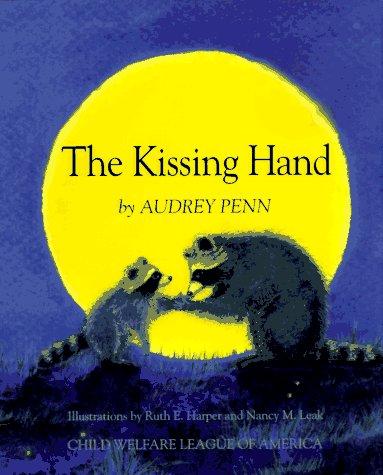
Chester the raccoon is scared of his first day at school, so his mother kisses his hand so he can carry her love with him. A gentle story many families turn into a morning ritual.
Best for: separation-worry kids. Ages: 2–6.
2. Llama Llama Misses Mama by Anna Dewdney
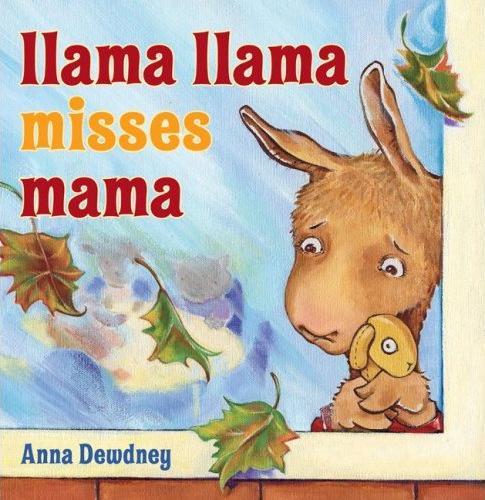
Llama Llama starts school, feels sad when Mama leaves and then finds friends and fun. Rhyming text shows the feelings toddlers have.
Best for: drop-off-day readers. Ages: 2–5.
3. Spot Goes to School by Eric Hill
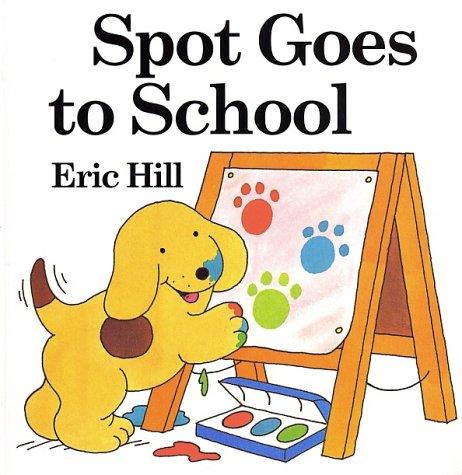
Spot visits school and discovers the fun of learning. Simple words and flaps hold attention.
Best for: lift-the-flap fans. Ages: 1–4.
4. Maisy Goes to Preschool by Lucy Cousins
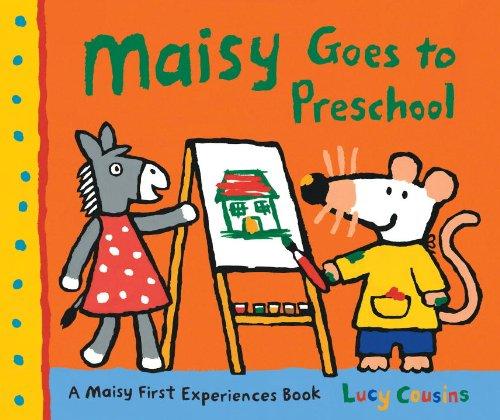
Maisy shows what happens at preschool, from painting to playing. Bold colors and simple sentences.
Best for: Maisy fans. Ages: 1–4.
5. Pete the Cat: Rocking in My School Shoes by Eric Litwin
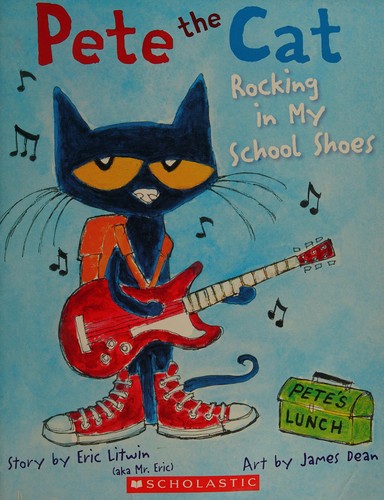
Pete visits the library, the lunchroom and the playground and rocks his school shoes everywhere. A song-like text that makes school feel fun.
Best for: singalong readers. Ages: 2–6.
6. School Bus by Donald Crews
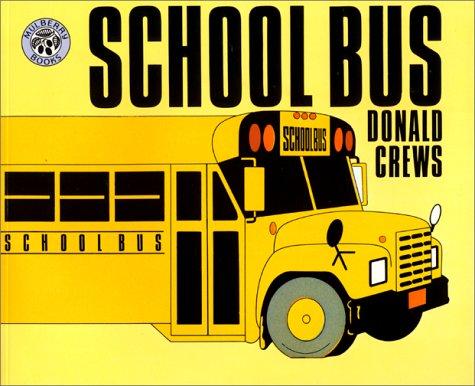
Bold pictures follow school buses on their routes with minimal words. Great for kids who love vehicles.
Best for: vehicle lovers. Ages: 1–5.
7. Bye-Bye Time by Elizabeth Verdick
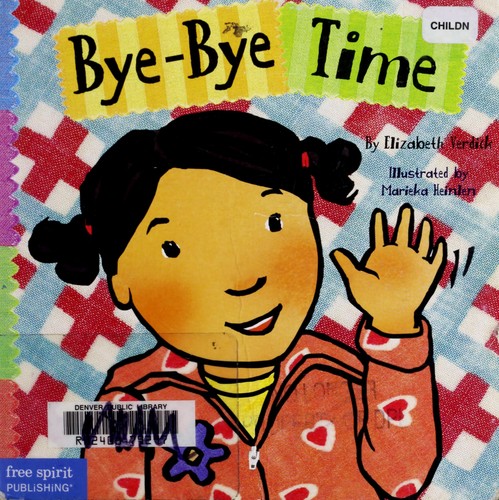
A gentle board book about saying goodbye with a hug and a kiss, and the joy of reunions. Written for toddlers and designed to ease drop-off.
Best for: goodbye-practicing toddlers. Ages: 1–3.
8. I Love You All Day Long by Francesca Rusackas
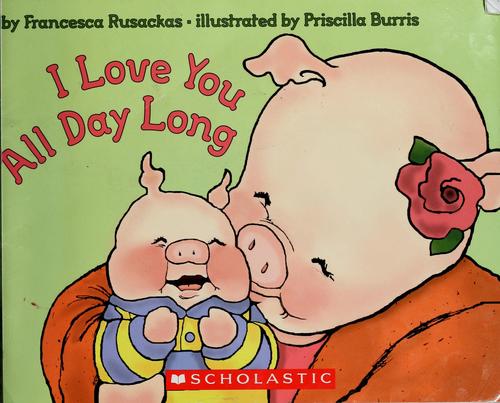
Owen is nervous about going to school, but his mother reassures him with loving words. Soft pictures and a calm text.
Best for: affection seekers. Ages: 2–5.
9. The Night Before Preschool by Natasha Wing
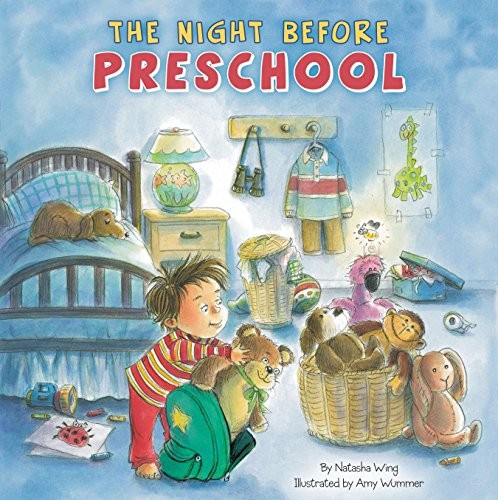
In the style of ‘The Night Before Christmas,’ a family prepares for the first day. Fun rhymes build excitement.
Best for: excited-nervous kids. Ages: 2–5.
10. Wemberly Worried by Kevin Henkes
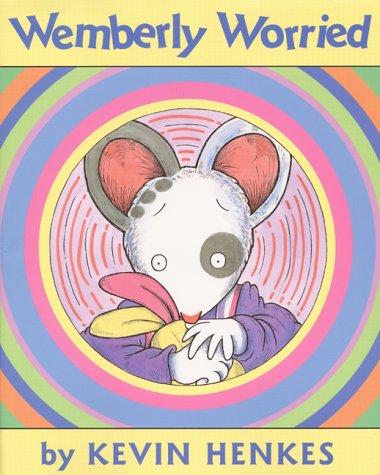
Wemberly the mouse worries about everything, especially her first day at school. Sympathetic and funny, with a happy ending.
Best for: anxious kids. Ages: 3–6.
11. Biscuit Goes to School by Alyssa Satin Capucilli
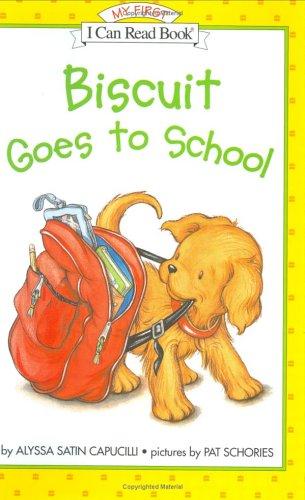
The little puppy follows a girl to school. Simple sentences and repetition.
Best for: early readers. Ages: 2–5.
12. Mama Always Comes Home by Karma Wilson
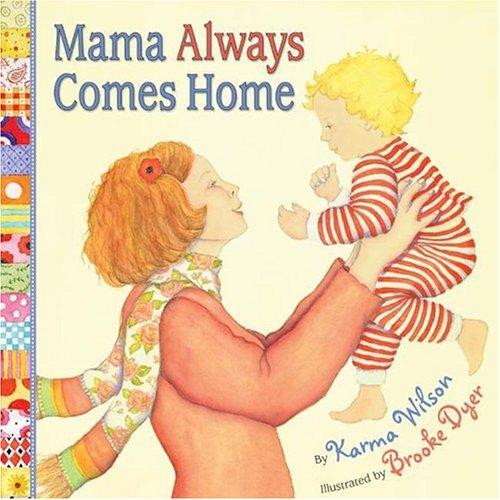
A sweet rhyming promise that Mama returns, set among animals in the forest. Comforting for the youngest.
Best for: reassurance seekers. Ages: 1–4.
13. Brown Bear, Brown Bear, What Do You See? by Bill Martin Jr.
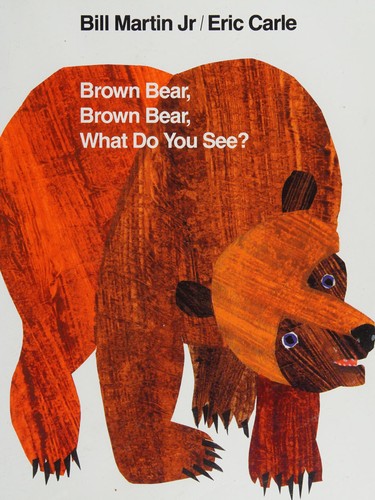
A school-friendly favorite with repetitive text that toddlers quickly join in on.
Best for: storytime fans. Ages: 0–4.
14. Owl Babies by Martin Waddell
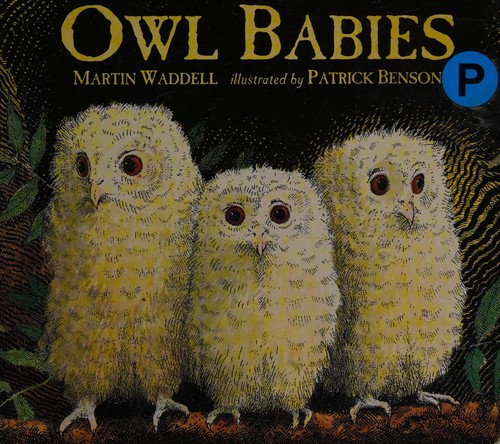
Three baby owls wake to find their mother gone and wait, worried, until she flies home. The repeated line “I want my mommy!” and the joyful return make it a classic for children who fear goodbyes at drop-off.
Best for: gentle readers. Ages: 2–5.
15. Peekaboo Morning by Rachel Isadora
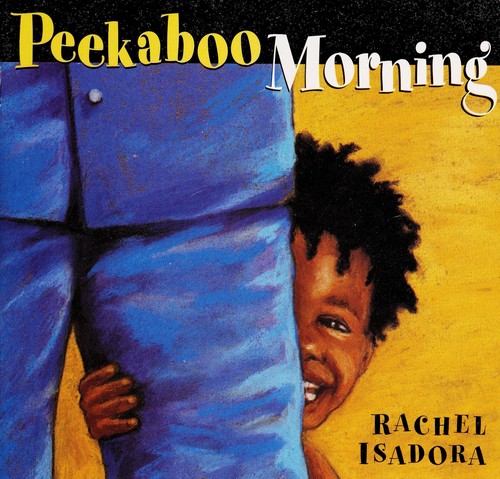
A toddler greets the day with peekaboo. Perfect for establishing a happy morning routine.
Best for: play-based readers. Ages: 1–3.
Practicing Goodbyes Before the First Day
Separation is a skill, and toddlers can practice it. Leave your child with a trusted adult for a short time, then return and say ‘I came back, just like I said.’ Read Bye-Bye Time and Mama Always Comes Home during these practice runs. Create a short goodbye routine, such as a hug, a special wave and a phrase like ‘See you after snack.’ Keep the routine the same each day. On the first morning, stay calm and brief. Many toddlers cry for a few minutes and then play happily, and the routine will help them feel secure.
Letting Toddlers Talk About School
Even young toddlers have feelings about school. Ask simple questions such as ‘Who did you play with?’ or ‘What did you do outside?’ Use picture books as prompts: ‘Was the day like Maisy’s?’ If your child cannot answer, offer a choice: ‘Did you paint or play with blocks?’ Acknowledge feelings without trying to fix them: ‘You missed Mommy, and now we’re together.’ Over time, these small conversations help your child build language and confidence, and they let you see what is going well and what might need attention.
How to Match a Back-To-School Book to Your Toddler
Toddlers learn through repetition, rhythm and touch, so choose sturdy board books with big, clear pictures and very few words per page. Watch how your toddler reacts: a book that gets giggles, pointing or a demand to ‘read it again’ is a keeper. Pick back-to-school books with a simple story or a pattern the child can anticipate, and look for rhymes, flaps, textures or sounds that keep small hands busy. Short is good; a book that takes two minutes is a success at this age. Do not worry if your toddler skips pages, chews the corner or wants one favorite forever. That is how the youngest readers explore books, and every one of those moments builds language.
A Simple Reading Plan for Back-To-School Books
Choose one book from the list and read it at the same time every day, such as after the bath or before a nap. Let your toddler hold the book, turn the pages and point at the pictures. Name what you see, make the animal sounds and pause so your child can fill in a word. Keep sessions short and stop when attention fades. Over a week, you will notice your toddler anticipating favorite parts, which is an early sign of memory and comprehension. Keep a small basket of back-to-school books where your child can reach them, so choosing a book becomes a daily habit.
Why Back-To-School Books Matter for Toddlers
Reading back-to-school books to toddlers does far more than entertain. Hearing stories builds vocabulary, listening skills and attention, and it strengthens the bond between you and your child. Toddlers who are read to every day tend to start school with more words and more curiosity. A back-to-school book also gives you ready-made words for what your child sees and feels, from the first snowflake to the first pumpkin. Pointing, naming and talking about pictures is early literacy at its simplest, and it takes only a few minutes a day.
Where to Find and How to Read These Books
You do not need to buy every book. Public libraries have board books, storytimes and free card sign-ups for the whole family, and librarians can suggest back-to-school titles that suit your child. Board books are the best buy for toddlers because they survive chewing, dropping and car seats. Used copies from thrift stores, library sales and swaps are cheap, and many families pass favorites down. Keep a few books in the car, the diaper bag and the play area, since toddlers enjoy a story wherever they are.
Building a Daily Routine Around Back-To-School Books
Toddlers thrive on routine, so attach reading to something that already happens every day. A book before the nap, a book after the bath and a book while waiting for dinner add up to three short sessions without any extra effort. Keep the books in baskets in the places you actually sit, such as the living room, the car and the bedroom. Let your toddler carry a favorite book around the house, which is a sign that reading is becoming part of their world. Do not worry about reading every word; describing the pictures in your own words is just as valuable. When your child brings you a book, say yes whenever you can.
Sharing Back-To-School Books With Family and Friends
Toddlers learn from the people around them, so share these books widely. Ask grandparents to record themselves reading a favorite, so your child can hear a familiar voice even when they are far away. Swap a few books with friends who have little ones, which brings new stories into your house for free. Take a back-to-school book to the pediatrician’s waiting room, the park bench or the supermarket line, and a short read will turn waiting into a happy moment. If you have an older sibling, invite them to read to the toddler; both children benefit. Toddlers love to see their families enjoy books, so let them catch you reading your own book too.
After the Last Page: What to Read Next
When the last page turns, there is usually a request to read it again, and that is a good thing. Repetition helps toddlers learn new words and predict what comes next. After a few days, offer a similar back-to-school book or another by the same author or illustrator. Notice what your toddler loves, whether it is animals, trucks, rhymes or flaps, and use it to guide your next choice. Keep favorites in a basket and rotate a few new books each week so the collection stays fresh.
A Quick Checklist Before You Pick a Back-To-School Book
Ask these questions before you borrow or buy:
- Is it a sturdy board book that can survive chewing and dropping?
- Are the pictures large, clear and engaging?
- Are there only a few words per page, or a pattern your child can learn?
- Does it include rhyme, repetition, textures or flaps?
- Can you read it in two or three minutes?
Questions to Talk About After Reading
These work for almost any book on this list:
- Can you point to the animals, people or objects on this page?
- What sound does this one make?
- What do you see here?
- Do you want to read it again?
- Which book should we read next?
How to Tell a Back-To-School Book Is the Right Fit
You will know a book is working when your toddler laughs, points, brings it to you again or says a word from the page. Wiggling away after a page or two is normal and is not a sign of disinterest; try again later, or read while moving. Chewing, throwing and flipping to the end are all ways of exploring. If a book is not a hit, set it aside for a month, because toddlers change quickly. Pay attention to what your child returns to, whether animals, vehicles or rhymes, and look for more of that. Trust your child’s interest as your guide.
Tips for Choosing Back-To-School Books for Toddlers
- Visit first. Walk by the school, meet the teacher and see the room before the first day.
- Make a goodbye ritual. A hug, a kiss and a wave help children feel safe.
- Read the same book often. Repetition eases worry.
- Pack a comfort item. A small family photo or toy helps.
- Stay calm. Children read your feelings, so stay upbeat and brief at drop-off.
Related: 15 Best Valentine’s Day Books for Elementary Kids and 15 Best Valentine’s Day Books for Preschoolers.
Frequently Asked Questions
What are good back-to-school books for toddlers?
The Kissing Hand, Llama Llama Misses Mama, Bye-Bye Time and Maisy Goes to Preschool are gentle and comforting.
How do I prepare my toddler for daycare?
Visit, read books about school, practice short separations and keep goodbyes quick and loving.
Is it normal for toddlers to cry at drop-off?
Yes. Many children do, and most settle within minutes. A consistent routine helps.