
Disclosure: As an Amazon Associate, Bookish Wisdom earns from qualifying purchases. This doesn’t change our picks or your price.
Quick answer: These 15 Valentine’s Day books suit elementary kids (ages 6–9). Start with Roses Are Pink, Your Feet Really Stink, Junie B. Jones and the Mushy Gushy Valentime, Arthur’s Valentine, The Day It Rained Hearts, Franklin’s Valentines or Frog and Toad Together. Each pick below has a short blurb, an age range and a content note where it matters.
By elementary school, Valentine’s Day means classroom parties, handmade cards and the nervous excitement of choosing who gets which sticker. Books can help children navigate the fun and the feelings, from jealousy to kindness to the pleasure of making someone smile. This list collects fifteen funny and heartfelt books for ages 6 to 9, including holiday stories about favorite characters like Arthur and Junie B. Jones, tales of friendship in classic series, and gentle chapter books about caring for others. Each book celebrates kindness in some way, and none of them requires a crush or a romance, so every reader can enjoy them.
Table of Contents
Quick Picks at a Glance
| Book | Author | Ages | Best For |
|---|---|---|---|
| Roses Are Pink, Your Feet Really Stink | Diane de Groat | 5–9 | class-party fans |
| Junie B. Jones and the Mushy Gushy Valentime | Barbara Park | 6–9 | early chapter-book readers |
| Arthur’s Valentine | Marc Brown | 5–8 | Arthur fans |
| The Day It Rained Hearts | Felicia Bond | 4–8 | imaginative readers |
| Franklin’s Valentines | Paulette Bourgeois | 5–8 | gentle-story readers |
| Frog and Toad Together | Arnold Lobel | 5–8 | friendship story fans |
| Charlotte’s Web | E.B. White | 7–11 | classic-novel fans |
| Ivy + Bean | Annie Barrows | 6–9 | friendship chapter-book fans |
| Stick and Stone | Beth Ferry | 4–8 | short-story fans |
| The Valentine Bears | Eve Bunting | 4–8 | sweet-story readers |
| Valentine Mice! | Bethany Roberts | 4–7 | rhyme lovers |
| I Love You, Blue Kangaroo! | Emma Chichester Clark | 4–8 | stuffed-toy lovers |
| Hug Machine | Scott Campbell | 4–8 | kind-heart readers |
| Love Monster | Rachel Bright | 4–8 | kindness readers |
| Plant a Kiss | Amy Krouse Rosenthal | 4–8 | creative thinkers |
1. Roses Are Pink, Your Feet Really Stink by Diane de Groat
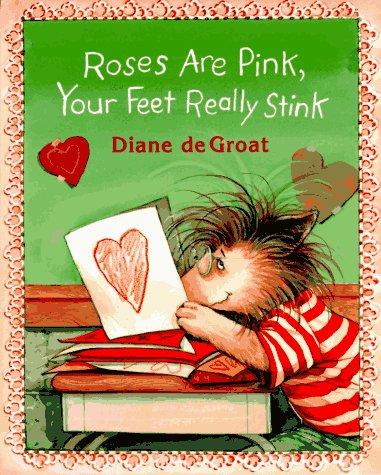
Gilbert writes funny Valentine poems for his class, including some that hurt feelings. He has to find a way to make amends. A good story about thinking before you write.
Best for: class-party fans. Ages: 5–9.
2. Junie B. Jones and the Mushy Gushy Valentime by Barbara Park
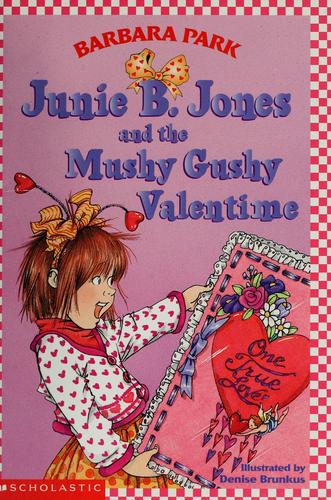
Junie B. wants to give a special valentine to a classmate and her plans go hilariously wrong. Funny, with short chapters and large print.
Best for: early chapter-book readers. Ages: 6–9.
3. Arthur’s Valentine by Marc Brown
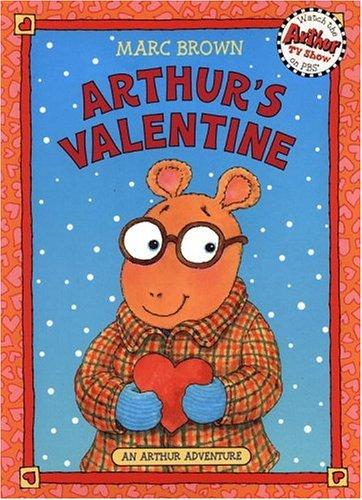
Arthur receives a secret admirer’s valentines and wonders who is behind them. A school story with a gentle twist.
Best for: Arthur fans. Ages: 5–8.
4. The Day It Rained Hearts by Felicia Bond
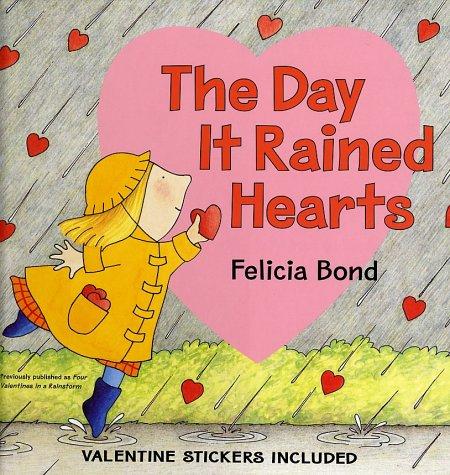
Cornelia Augusta makes a pile of paper hearts and gives them as gifts, creating a lovely chain of kindness. Gentle and sweet.
Best for: imaginative readers. Ages: 4–8.
5. Franklin’s Valentines by Paulette Bourgeois
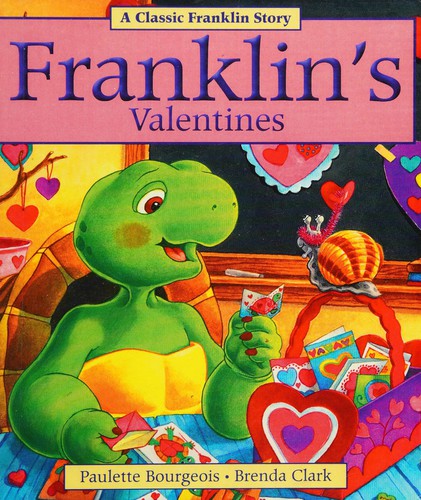
Franklin the turtle carefully prepares valentines for his friends and worries about leaving someone out. A lesson in inclusion.
Best for: gentle-story readers. Ages: 5–8.
6. Frog and Toad Together by Arnold Lobel
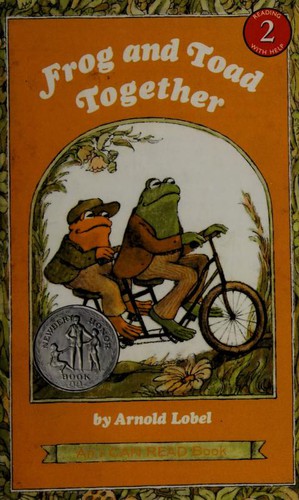
Five short stories about the two best friends, including the one where Toad bakes cookies. Simple, funny and wise.
Best for: friendship story fans. Ages: 5–8.
7. Charlotte’s Web by E.B. White
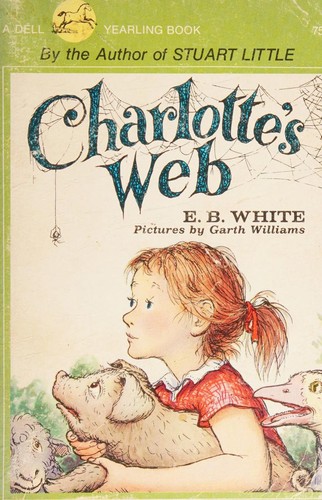
The friendship between Wilbur the pig and Charlotte the spider is one of the best portrayals of love in children’s literature. Perfect as a read-aloud. Content note: a gentle death scene.
Best for: classic-novel fans. Ages: 7–11.
8. Ivy + Bean by Annie Barrows
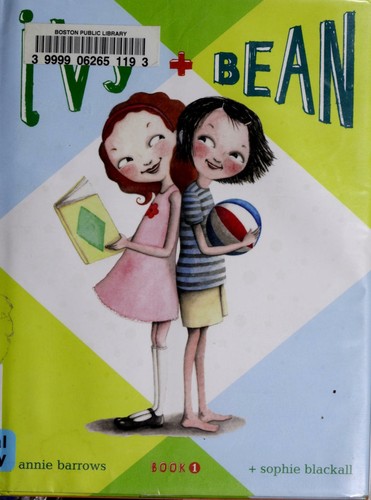
Two very different girls become friends and get into mischief. Fast, funny and good for kids learning to read chapter books.
Best for: friendship chapter-book fans. Ages: 6–9.
9. Stick and Stone by Beth Ferry
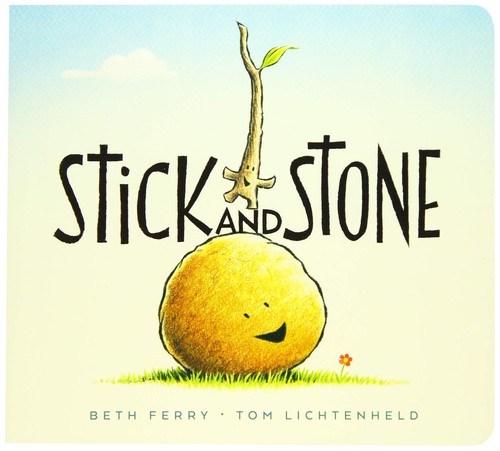
A stick and a stone become friends and defend each other. Rhyming and sweet.
Best for: short-story fans. Ages: 4–8.
10. The Valentine Bears by Eve Bunting
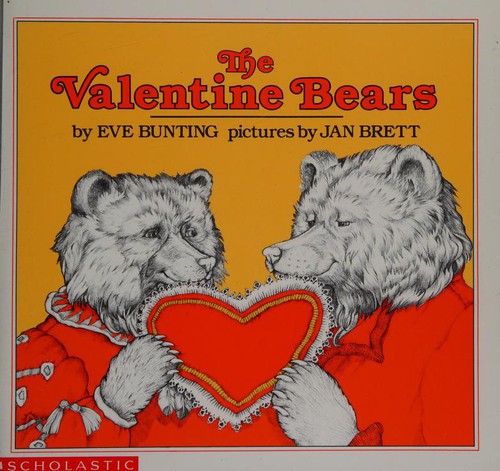
Mrs. Bear wakes up early from hibernation to celebrate Valentine’s Day with Mr. Bear, who is a heavy sleeper. A gentle winter story.
Best for: sweet-story readers. Ages: 4–8.
11. Valentine Mice! by Bethany Roberts
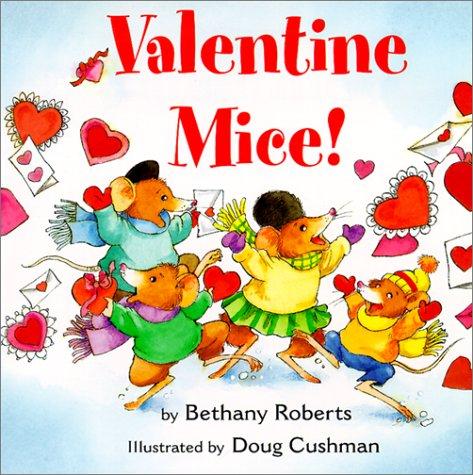
Mice tuck secret valentines into each other’s homes in a rhyming story. Cozy and bright.
Best for: rhyme lovers. Ages: 4–7.
12. I Love You, Blue Kangaroo! by Emma Chichester Clark
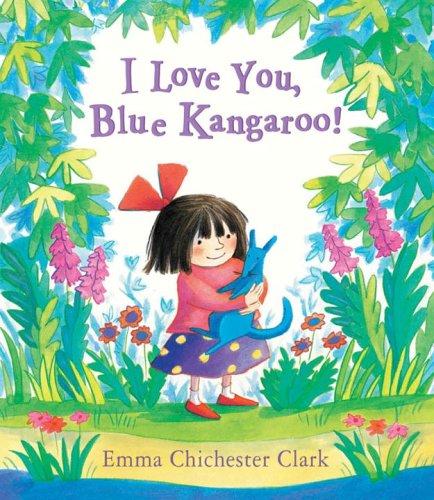
Lily loves her toy so much that she brings him everywhere, even when new toys arrive. A moving story about loyalty.
Best for: stuffed-toy lovers. Ages: 4–8.
13. Hug Machine by Scott Campbell
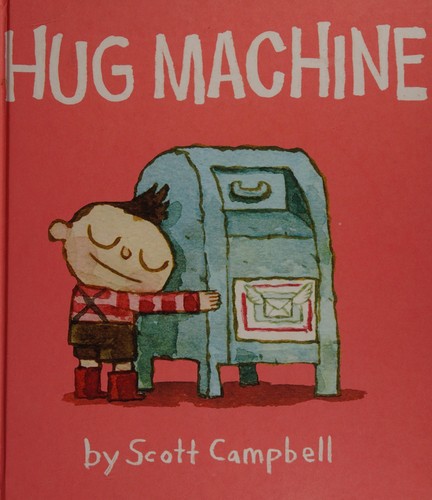
A boy hugs everything and everyone. The humor and affection suit reluctant readers, too.
Best for: kind-heart readers. Ages: 4–8.
14. Love Monster by Rachel Bright
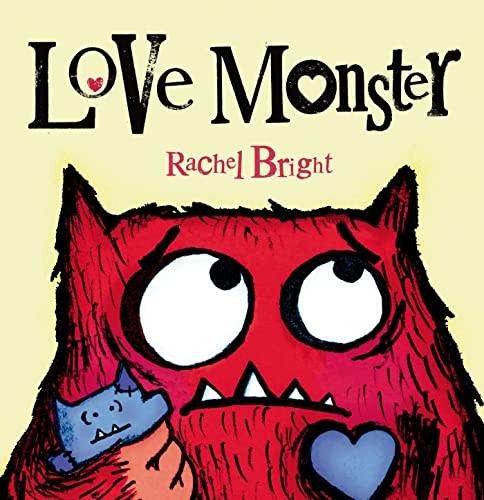
A monster searches for love in a world of cute creatures and finds it in a surprising place. Funny and heartwarming.
Best for: kindness readers. Ages: 4–8.
15. Plant a Kiss by Amy Krouse Rosenthal
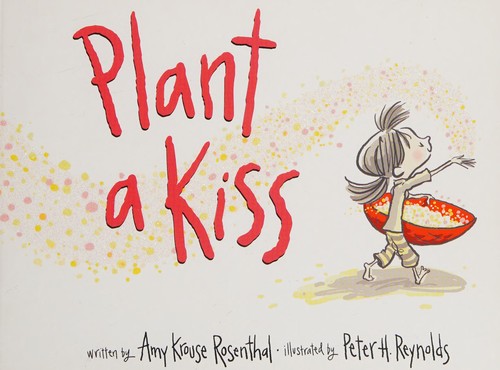
A girl plants a kiss and sees what grows in a story about sharing happiness.
Best for: creative thinkers. Ages: 4–8.
Helping Kids Handle Class Valentine Parties
Classroom parties can stir up big feelings. Talk beforehand about giving a card to everyone, so no one feels left out. Practice writing positive notes, such as ‘I like your drawings’ or ‘Thanks for sharing.’ If your child receives fewer cards than they hoped, listen and comfort, then remind them that friendships are not measured in paper. Stories like Roses Are Pink, Your Feet Really Stink and Franklin’s Valentines give children language for these moments. A calm, kind conversation after reading can turn a stressful day into a lesson in empathy.
Making Valentine Reading a Kindness Project
Challenge your child to do one kind thing for each book you read in February: bake cookies for a neighbor, write a card to a grandparent, tape a note to a teacher’s desk. Keep a chart on the fridge showing the books and the kind acts. This links reading to action and helps your child see that stories can inspire how we treat others. At the end of the month, talk about which act felt best, and plan how to keep it going. Kindness, like reading, grows with practice.
How to Match a Valentine’S Day Book to Your Elementary Student
Elementary-age readers range from kids who are sounding out words to kids who read chapter books independently, so check the level before you choose. A good Valentine’s Day book for this age has a story that grabs attention, language that is slightly challenging and pictures that support the text. If your elementary student stumbles on more than a few words per page, read it aloud together; if they breeze through, move on to a longer title. Offer two or three choices rather than one assigned book, and let your child abandon a book that is not working. Books they pick themselves are the ones they finish, and finishing builds confidence.
A Simple Reading Plan for Valentine’S Day Books
Choose one book from the list and set a small daily goal, such as one chapter or ten pages. Take turns reading aloud when the text is challenging, and let your elementary student read alone when it is easy. Ask a question or two during the story, such as what a character might do next. When the book is finished, talk about the favorite part and look for another Valentine’s Day title from this list. A simple reading chart on the fridge makes progress visible, and a library visit makes a good reward.
Why Valentine’S Day Books Matter for Elementary Kids
Reading Valentine’s Day books during the elementary years builds fluency, vocabulary and the stamina needed for longer books. Children this age are also learning empathy and how the world works, and stories are a safe way to explore them. A Valentine’s Day book can spark questions, writing, drawing and projects at home or school. Children who read for fun do better in school, so every enjoyable book is an investment. The best strategy is to keep reading pleasant and let your child’s interests lead.
Where to Find and How to Read These Books
You do not need to buy every book. Public libraries lend print books, e-books and audiobooks free, and school libraries add more variety. Paperbacks are great value for books your child will reread, and used copies are plentiful. Audiobooks are a good support for children who are still building reading stamina, and they let the whole family enjoy a Valentine’s Day story in the car. Check whether a book has a sequel or companion, because finishing a series is often what turns an elementary reader into a lifelong one.
Building a Daily Routine Around Valentine’S Day Books
Children in the elementary years do best when reading has a regular place in the day. Choose a twenty-minute window after dinner or before bed, and let your child read alone while you read your own book nearby. Take turns reading pages aloud when the text is challenging. Keep Valentine’s Day books in a basket by the couch or bed so they are easy to grab, and let your child decide which one to read first. Track finished books on a simple chart and celebrate when it fills up. If your child resists, shorten the session and keep it pleasant rather than turning it into a battle.
Sharing Valentine’S Day Books With Family and Friends
Reading is even better when it is shared. Start a family reading hour once a week, where everyone reads their own book in the same room. Invite a friend over for a book swap of Valentine’s Day favorites, or form a mini book club with two or three classmates who read the same title. Encourage your child to recommend a book to a friend or to write a short review for the class or the family fridge. Teachers and librarians are happy to hear what students enjoy and can recommend similar titles. Sharing turns reading from a solo task into a social activity, which keeps kids interested as they grow.
After the Last Page: What to Read Next
After your child finishes a book, ask what they liked and whether they want the sequel. Look for other books by the same author or another Valentine’s Day title from this list. A small ritual, such as choosing a new book at the library every week, keeps momentum going. If a book did not work, treat it as information about your child’s taste and try something different. Over time, those choices add up to a reading habit that lasts.
A Quick Checklist Before You Pick a Valentine’S Day Book
Ask these questions before you borrow or buy:
- Is the reading level right for your child, easy enough to enjoy but with a few new words?
- Does the story hook your child within the first few pages?
- Are there enough pictures to support the text?
- Is there a sequel or companion book waiting?
- Is the content appropriate for your child’s sensitivity?
Questions to Talk About After Reading
These work for almost any book on this list:
- What was the best part of the story?
- Which character would you like to be, and why?
- What would you do if you were in the story?
- Did anything surprise you?
- Which book from this list do you want to read next?
How to Tell a Valentine’S Day Book Is the Right Fit
You can tell a book is a good fit when your child keeps reading past bedtime, shares funny lines, asks for the next one or retells the story. A poor fit looks like groaning, skipping pages or finding other things to do. If a book is too easy, your child may breeze through it, which is fine for confidence. If it is too hard, read aloud together. Try the five-finger test: if your child misses five or more words on a page, the book is probably a challenge. Let your child abandon books that aren’t working and try another.
Tips for Choosing Valentine’S Day Books for Elementary Kids
- Include everyone. Encourage a valentine for every classmate.
- Write real notes. Have your child write one sentence of kindness, not just a name.
- Try humor. Funny books like Junie B. Jones make a great start.
- Read short chapters. Nightly chapters turn into a family routine.
- Talk about feelings. Ask how a character felt when they were left out.
Related: 15 Best Valentine’s Day Books for Preschoolers and 15 Best Valentine’s Day Books for Toddlers.
Frequently Asked Questions
What are good Valentine’s Day books for 7-year-olds?
Junie B. Jones and the Mushy Gushy Valentime, Arthur’s Valentine, Frog and Toad Together and Roses Are Pink, Your Feet Really Stink are popular.
Are there Valentine’s books that are about friendship and not romance?
Yes. Most books on this list focus on friendship, kindness and family love.
What chapter books are good for Valentine’s Day?
Try Ivy + Bean, Charlotte’s Web and Junie B. Jones for friendships, humor and heart.