
Disclosure: As an Amazon Associate, Bookish Wisdom earns from qualifying purchases. This doesn't change our picks or your price.
TL;DR: In a totalitarian state ruled by Big Brother, Winston Smith secretly rebels by keeping a diary and falling in love with Julia. The Party watches everything and rewrites history, and in the end it breaks Winston completely. The novel is a warning about surveillance, propaganda and the destruction of truth.
Table of Contents
1984 at a Glance
| Author | George Orwell |
| First published | 1949 |
| Type | Dystopian novel |
| Best for | readers who want the classic warning about surveillance and propaganda |
1984 is a dystopian novel by George Orwell, first published in 1949. It is set in Oceania, one of three superstates locked in endless war, where the Party controls every part of life. Below you will find a part-by-part summary, five key takeaways, ideas worth remembering and a note on who will enjoy it.
Content note: Includes torture and psychological abuse in the final part.
What Happens, Part by Part (Contains Spoilers)
Winston's world
Winston Smith works at the Ministry of Truth in London, where his job is to alter old newspaper articles so that the past always matches what the Party says now. Telescreens watch every home, the Thought Police hunt for disloyal ideas and posters warn that “Big Brother is watching you”. Winston hates the Party and secretly starts a diary, which is itself a crime.
Julia and the affair
A young woman named Julia slips Winston a note that says “I love you”. They begin a secret affair, meeting in the countryside and then in a rented room above an antique shop owned by Mr. Charrington. For a while, their love feels like a private rebellion against a system that forbids loyalty to anyone but the Party.
O'Brien and the Brotherhood
Winston believes that O'Brien, a senior Party member, secretly shares his views. O'Brien invites them to his apartment, claims to belong to the resistance known as the Brotherhood and gives Winston a forbidden book by the enemy of the state, Emmanuel Goldstein, which explains how the Party keeps power.
Arrest and the Ministry of Love
The Thought Police raid the room; Mr. Charrington is one of them. In the Ministry of Love, O'Brien reveals he was never a rebel and tortures Winston for months, forcing him to accept that two plus two make five if the Party says so.
Room 101 and the ending
In Room 101, Winston faces his worst fear, rats, and he betrays Julia by begging that the punishment be done to her instead. Released and broken, he meets Julia without feeling. The novel ends with Winston gazing at Big Brother's face and realizing that he loves him.
5 Key Takeaways
- Total surveillance destroys privacy and makes even thoughts dangerous.
- Controlling information and rewriting the past lets a government control the present.
- Language can be used to limit thought, as with the Party's Newspeak.
- Personal love and loyalty are acts of rebellion in a totalitarian system.
- The novel warns that power, once unchecked, can break even the strongest individuals.
Ideas Worth Remembering
These are paraphrased, not direct quotes:
- Who controls the past controls the future.
- Freedom begins with being allowed to say that two plus two make four.
- A society that bans honest words makes honest thought harder.
Who Should Read 1984?
Read 1984 if you want the most influential warning about surveillance, propaganda and government control. It suits older teens and adults. Readers who prefer hope may find the ending bleak, but it remains essential reading.
Questions to Think About After Reading
These prompts work for solo reading, a book club or a classroom discussion of 1984:
- How does the Party's control of language shape what people can think?
- Was Winston's rebellion doomed from the start, or did he have a real chance?
- Which parts of 1984 feel most relevant to the world today?
How to Use This Summary
Use this page as a quick reference before a book club meeting, an exam, or a decision about whether 1984 is worth your time. The takeaways are written to stand on their own. If a point interests you, go back to the book for the author's full story, characters and style, which no short summary can replace.
A Note on Accuracy and Spoilers
This summary is based on the published text of 1984, not on any film, series or stage adaptation, which often change the story. Details are kept at the level of the main events so that nothing is invented. Editions differ slightly in length and wording, so page numbers and small details may vary between copies.
Should You Read the Book?
If the summary caught your interest, read the opening chapters before you decide. A summary tells you what happens, but the voice and pacing are what make a book work or not.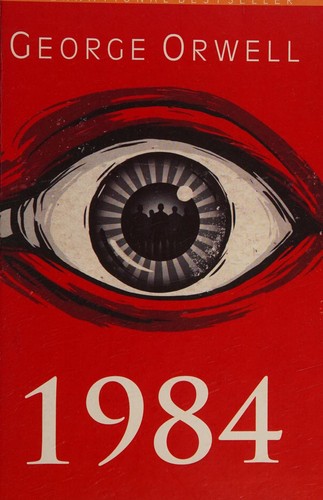
What to Read Next
- Brave New World by Aldous Huxley: a dystopia of pleasure rather than fear
- Animal Farm by George Orwell: Orwell's short fable about revolution and power
- We by Yevgeny Zamyatin: the earlier novel that inspired Orwell
Related: 15 Books Like 1984 You’ll Love · What Age Is 1984 Appropriate For? A Parent’s Guide
Frequently Asked Questions
What is 1984 about?
A man rebels against a totalitarian government that watches everything, and he is caught and broken.
What is Newspeak?
The Party's invented language, designed to make rebellious thought impossible.
Who is Big Brother?
The face of the Party, who may not even be a real person.
What is Room 101?
The torture room where prisoners face their worst fear.
Is 1984 hard to read?
It is clear and gripping, though dark.
Can this summary replace reading 1984?
No. A summary covers the events, but Orwell's style and atmosphere are what make it powerful.
Is 1984 worth reading?
It depends on what you want. The book is best for readers who want the classic warning about surveillance and propaganda. If that describes you, it is likely a good fit. If not, the titles under What to Read Next may suit you better.