
Disclosure: As an Amazon Associate, Bookish Wisdom earns from qualifying purchases. This doesn't change our picks or your price.
TL;DR: Anna Karenina, a beautiful St. Petersburg aristocrat, leaves her cold husband for the dashing officer Count Vronsky. Cast out by society and separated from her son, she grows jealous and desperate. Alongside her tragedy runs the story of Levin, a landowner who finds happiness with Kitty and meaning in family and work.
Table of Contents
Anna Karenina at a Glance
| Author | Leo Tolstoy |
| First published | 1878 |
| Type | Novel |
| Best for | readers who want one of the greatest novels ever written, about love and society |
Anna Karenina is a novel by Leo Tolstoy, published in installments from 1875 to 1877 and as a book in 1878. It opens with the famous line “Happy families are all alike; every unhappy family is unhappy in its own way.” Below you will find a part-by-part summary, five key takeaways, ideas worth remembering and a note on who will enjoy it.
Content note: Includes suicide.
Main Characters
- Anna Karenina: A married aristocrat who falls in love with Vronsky.
- Count Alexei Vronsky: A charming cavalry officer.
- Alexei Karenin: Anna's cold, proper husband.
- Konstantin Levin: A thoughtful landowner searching for meaning.
- Kitty Shcherbatskaya: A young woman who first loves Vronsky, then marries Levin.
What Happens, Part by Part (Contains Spoilers)
Moscow
Anna travels to Moscow to save her brother Stiva's marriage after his affair. At the station, she meets Count Vronsky, and a man is killed by a train, a dark omen. At a ball, Vronsky dances with Anna, breaking the heart of young Kitty, who had hoped he would propose. Kitty had refused Levin for Vronsky.
The affair
Back in St. Petersburg, Vronsky pursues Anna, and they begin an affair. At a horse race, Anna's horror when Vronsky falls reveals her feelings to her husband, Karenin. Anna becomes pregnant with Vronsky's child.
Levin's path
Levin, heartbroken, works his estate in the countryside, wrestling with questions about farming, peasants and the meaning of life. Kitty recovers from illness, and when they meet again, they fall in love and marry. Their marriage has struggles but grows strong.
Anna's isolation
Anna nearly dies giving birth to a daughter. Karenin forgives her, but she leaves with Vronsky for Italy. Society shuns her, while Vronsky remains free. She secretly visits her son Seryozha, whom Karenin keeps from her. Back in Russia, Anna grows isolated, jealous and dependent on morphine.
The ending
Convinced Vronsky no longer loves her, Anna throws herself under a train. Vronsky, devastated, leaves to fight in a war in Serbia. Levin, after nearly despairing, finds peace in his love for his family and in living for goodness, ending the novel with hope.
5 Key Takeaways
- Society judges women far more harshly than men.
- Passion without stability can lead to destruction.
- Honest work and family can bring meaning.
- Jealousy and isolation feed despair.
- Happiness grows from everyday commitment.
Ideas Worth Remembering
These are paraphrased, not direct quotes:
- Happy families are all alike; every unhappy family is unhappy in its own way.
- Love needs freedom and security to survive.
- Meaning can be found in ordinary life.
Who Should Read Anna Karenina?
Read Anna Karenina if you want a deep, immersive novel about love, marriage and society. It is long, best for patient adult readers.
Questions to Think About After Reading
These prompts work for solo reading, a book club or a classroom discussion of Anna Karenina:
- Is Anna a victim of society or of her own choices?
- How does Levin's story balance Anna's?
- What does the train symbolize?
How to Use This Summary
Use this page as a quick reference before a book club meeting, an exam, or a decision about whether Anna Karenina is worth your time. The takeaways are written to stand on their own. If a point interests you, go back to the book for the author's full story, characters and style, which no short summary can replace.
A Note on Accuracy and Spoilers
This summary is based on the published text of Anna Karenina, not on any film, series or stage adaptation, which often change the story. Details are kept at the level of the main events so that nothing is invented. Editions differ slightly in length and wording, so page numbers and small details may vary between copies.
Should You Read the Book?
If the summary caught your interest, read the opening chapters before you decide. A summary tells you what happens, but the voice and pacing are what make a book work or not.
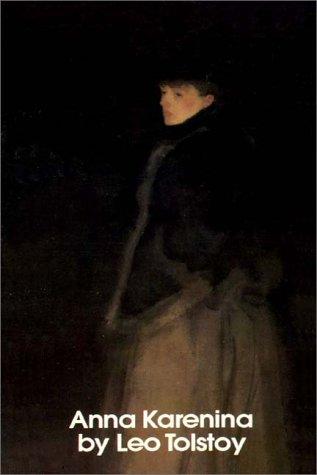
Check price of Anna Karenina on Amazon
What to Read Next
- Madame Bovary by Gustave Flaubert: another restless wife
- War and Peace by Leo Tolstoy: Tolstoy's epic of Napoleonic Russia
- The Age of Innocence by Edith Wharton: love versus social rules
Frequently Asked Questions
What is Anna Karenina about?
A married woman's affair leads to tragedy, while another couple finds happiness.
What is the first line?
“Happy families are all alike; every unhappy family is unhappy in its own way.”
How does Anna die?
She throws herself under a train.
Who is Levin?
A landowner whose search for meaning parallels Anna's story.
Who does Kitty marry?
Levin.
How long is it?
Very long, over 800 pages.
Which translation is best?
Pevear and Volokhonsky, and Rosamund Bartlett, are popular.
Is there a film?
Yes, many, including the 2012 film with Keira Knightley.
Who are the main characters in Anna Karenina?
The main characters are Anna Karenina, Count Alexei Vronsky, Alexei Karenin, Konstantin Levin and Kitty Shcherbatskaya. Anna Karenina: A married aristocrat who falls in love with Vronsky. Count Alexei Vronsky: A charming cavalry officer. Alexei Karenin: Anna's cold, proper husband.
Is Anna Karenina worth reading?
It depends on what you want. The book is best for readers who want one of the greatest novels ever written, about love and society. If that describes you, it is likely a good fit. If not, the titles under What to Read Next may suit you better.