
Disclosure: As an Amazon Associate, Bookish Wisdom earns from qualifying purchases. This doesn't change our picks or your price.
TL;DR: George F. Babbitt is a successful real estate agent in the booming city of Zenith. He is proud of his car, his clubs and his conformity. But he feels a vague dissatisfaction. When his best friend Paul is jailed for shooting his wife, Babbitt rebels against his comfortable life, until pressure from friends and family pulls him back.
Table of Contents
Babbitt at a Glance
| Author | Sinclair Lewis |
| First published | 1922 |
| Type | Novel |
| Best for | readers who want a sharp satire of conformity and middle-class life |
Babbitt is a novel by Sinclair Lewis, published in 1922. Its title character became a byword for a smug, conformist businessman. Below you will find a part-by-part summary, five key takeaways, ideas worth remembering and a note on who will enjoy it.
Content note: Includes a shooting, an affair and drinking during Prohibition.
Main Characters
- George F. Babbitt: A forty-six-year-old real estate broker.
- Myra Babbitt: George's loyal wife.
- Paul Riesling: George's sensitive best friend.
- Tanis Judique: A widow George has an affair with.
- Ted Babbitt: George's teenage son.
What Happens, Part by Part (Contains Spoilers)
An ordinary day
Babbitt wakes in his modern house in Zenith, frets about his car, his clothes and his business deals, and boasts about progress. He belongs to the right clubs and holds all the correct opinions, but feels restless.
Paul
Babbitt's closest friend, Paul Riesling, wanted to be a violinist but became a roofing salesman and is trapped in a bitter marriage. The two take a fishing trip to Maine, where Babbitt feels briefly free.
The shooting
Paul shoots and wounds his nagging wife, Zilla, and is sent to prison. Shaken, Babbitt begins to question his life. He becomes more liberal, defends striking workers and has an affair with a widow, Tanis Judique, joining her bohemian friends.
Pressure
Babbitt's friends and business partners notice his rebellion. He refuses to join the conservative Good Citizens' League, and his business suffers. He feels isolated and uncertain.
Return
When Myra needs emergency surgery, Babbitt is overwhelmed with love and fear. He returns to conformity, joining the League. At the end, his son Ted secretly marries and drops out of college. Babbitt tells him to live as he wants, admitting he never had the courage to do so himself.
5 Key Takeaways
- Conformity can bring comfort but also emptiness.
- Material success does not guarantee happiness.
- Rebellion is hard when society punishes it.
- Friendship can reveal what we really value.
- Encouraging others to be free can be a small victory.
Ideas Worth Remembering
These are paraphrased, not direct quotes:
- The things we own can come to own us.
- Most people are afraid to stand out.
- Regret often concerns what we did not dare to do.
Who Should Read Babbitt?
Read Babbitt if you enjoy satire and classics about American business culture. It suits older teens and adults.
Questions to Think About After Reading
These prompts work for solo reading, a book club or a classroom discussion of Babbitt:
- Why does Babbitt rebel?
- Why does he return to conformity?
- Is Babbitt a sympathetic character?
How to Use This Summary
Use this page as a quick reference before a book club meeting, an exam, or a decision about whether Babbitt is worth your time. The takeaways are written to stand on their own. If a point interests you, go back to the book for the author's full story, characters and style, which no short summary can replace.
A Note on Accuracy and Spoilers
This summary is based on the published text of Babbitt, not on any film, series or stage adaptation, which often change the story. Details are kept at the level of the main events so that nothing is invented. Editions differ slightly in length and wording, so page numbers and small details may vary between copies.
Should You Read the Book?
Yes. It is funny and sharp, and its portrait of a man trapped by his own success is surprisingly modern.
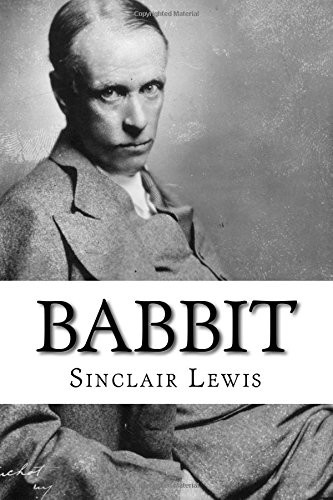
Check price of Babbitt on Amazon
What to Read Next
- Main Street by Sinclair Lewis: small-town conformity
- Revolutionary Road by Richard Yates: suburban dissatisfaction
- Death of a Salesman by Arthur Miller: the cost of the American Dream
Related: 15 Books Like Babbitt You’ll Love · Main Street by Sinclair Lewis: Summary and Key Takeaways
Frequently Asked Questions
What is Babbitt about?
A conformist businessman briefly rebels against his comfortable, empty life.
Who wrote Babbitt?
Sinclair Lewis, in 1922.
What does “Babbitt” mean today?
A self-satisfied, conformist person focused on business and status.
Where is Zenith?
A fictional Midwestern city.
What happens to Paul Riesling?
He shoots his wife and is sent to prison.
Does Babbitt change?
He rebels for a while but returns to conformity.
What age is it for?
Older teens and adults.
How long is it?
About 400 pages.
Who is Tanis Judique?
A widow Babbitt has an affair with.
What is the Good Citizens' League?
A conservative group that pressures Babbitt to conform.
What does Babbitt tell his son?
To live as he wants, unlike his father.
Is there a film?
Yes, adaptations in 1924 and 1934.
Who is Paul Riesling?
Babbitt's best friend, a frustrated former violinist.
What does Babbitt sell?
Real estate in the city of Zenith.
Who is Myra Babbitt?
George's loyal wife, whose sudden illness brings him back to his old life.
Who are the main characters in Babbitt?
The main characters are George F. Babbitt, Myra Babbitt, Paul Riesling, Tanis Judique and Ted Babbitt. George F. Babbitt: A forty-six-year-old real estate broker. Myra Babbitt: George's loyal wife. Paul Riesling: George's sensitive best friend.
Is Babbitt worth reading?
It depends on what you want. The book is best for readers who want a sharp satire of conformity and middle-class life. If that describes you, it is likely a good fit. If not, the titles under What to Read Next may suit you better.