

Disclosure: As an Amazon Associate, Bookish Wisdom earns from qualifying purchases. This doesn’t change our picks or your price.
Quick answer: These 12 books make strong April book club picks, from Braiding Sweetgrass, Silent Spring, The Overstory, The Hidden Life of Trees, The Secret Garden and Where the Crawdads Sing to six more. Each has a short blurb, a reason it works for a group and a discussion prompt.
April means spring, Earth Day and National Poetry Month, which makes it a lovely time for nature writing, gardens and new beginnings. The twelve books below take your club outdoors: forests, wilderness trails, secret gardens and the quiet wisdom of poets. Some are lyrical and slow, others are page-turners with a sense of place. Each entry includes a short summary, a reason it works for a group and a question to start the conversation. If your members need a reason to step outside, choose a book from this list and plan a meeting in a park or garden. The natural world has plenty to say, and these authors say it beautifully.
Table of Contents
Quick Picks at a Glance
| Book | Author | Genre | Best For |
|---|---|---|---|
| Braiding Sweetgrass | Robin Wall Kimmerer | Nature essays | clubs who like reflective nonfiction |
| Silent Spring | Rachel Carson | Environmental classic | clubs who want a landmark |
| The Overstory | Richard Powers | Literary fiction | clubs who like ambitious novels |
| The Hidden Life of Trees | Peter Wohlleben | Nonfiction | clubs who like science |
| The Secret Garden | Frances Hodgson Burnett | Classic | clubs who want a comfort read |
| Where the Crawdads Sing | Delia Owens | Fiction | clubs who like mysteries with nature |
| The Salt Path | Raynor Winn | Memoir | clubs who like walking stories |
| A Walk in the Woods | Bill Bryson | Humor and travel | clubs who want laughs |
| Wild | Cheryl Strayed | Memoir | clubs who like personal journeys |
| The Lost Words | Robert Macfarlane and Jackie Morris | Poetry and art | clubs who want something short |
| Devotions | Mary Oliver | Poetry | clubs who want a poetry pick |
| The Invention of Nature | Andrea Wulf | Biography | clubs who like science history |
1. Braiding Sweetgrass by Robin Wall Kimmerer
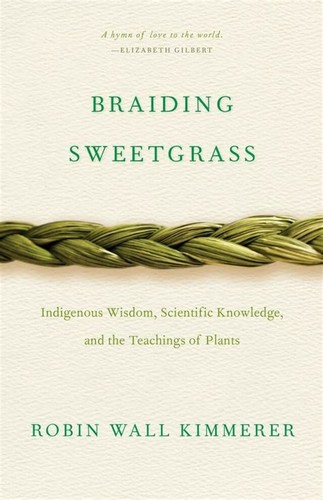
A botanist and member of the Citizen Potawatomi Nation weaves Indigenous knowledge and science into essays on plants, gratitude and reciprocity. Beautiful and thought-provoking.
Best for: clubs who like reflective nonfiction.
Talk about: What would a relationship of reciprocity with the land look like?
2. Silent Spring by Rachel Carson
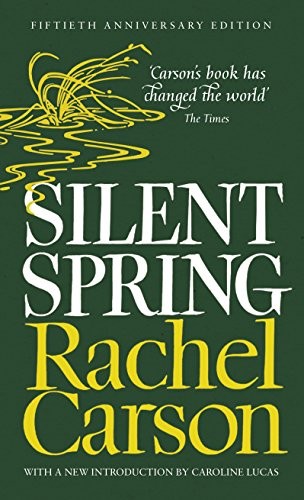
Carson’s 1962 book exposed the dangers of pesticides and helped launch the modern environmental movement. Clear, scientific and still relevant.
Best for: clubs who want a landmark.
Talk about: Which of her warnings feel familiar today?
3. The Overstory by Richard Powers
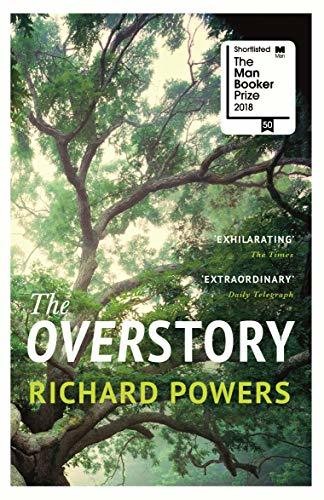
Nine characters are drawn together by trees in this Pulitzer Prize-winning novel. Dense and rewarding, with a long structure.
Best for: clubs who like ambitious novels.
Talk about: Which character’s connection to trees moved you most?
4. The Hidden Life of Trees by Peter Wohlleben
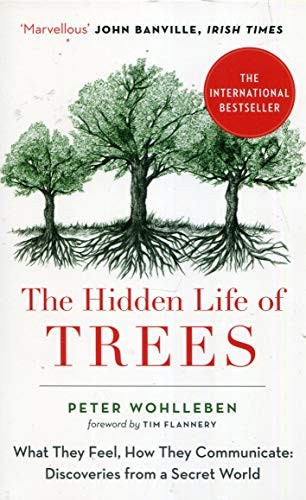
A German forester describes how trees communicate and support one another. Charming and readable, though some claims are debated by scientists.
Best for: clubs who like science.
Talk about: How did the book change how you see a forest?
5. The Secret Garden by Frances Hodgson Burnett

Mary Lennox, a lonely orphan, discovers a locked garden and heals herself and others. A children’s classic that adults appreciate.
Best for: clubs who want a comfort read.
Talk about: Why does the garden transform the children?
6. Where the Crawdads Sing by Delia Owens
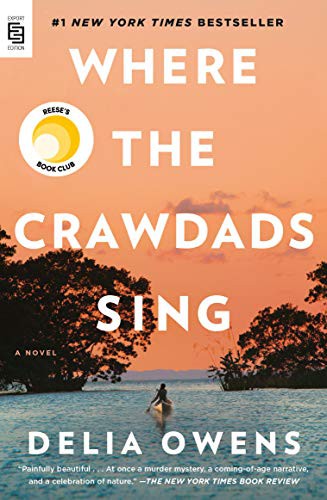
Kya, the ‘Marsh Girl,’ grows up alone in the North Carolina marshes and becomes a murder suspect. Atmospheric and popular. Content note: abuse and a sexual assault scene.
Best for: clubs who like mysteries with nature.
Talk about: How does the marsh shape Kya’s character?
7. The Salt Path by Raynor Winn
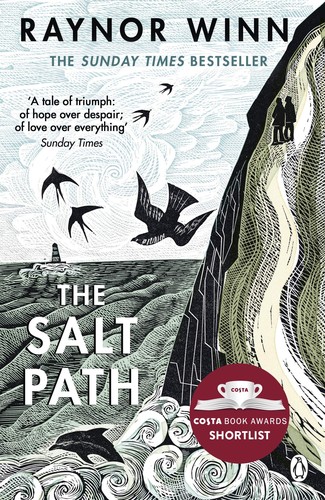
After losing their home, a couple walks the 630-mile South West Coast Path in England. Honest about hardship and hope. Note that questions have been raised about some details of the author’s account.
Best for: clubs who like walking stories.
Talk about: What does the walk give them that they lacked?
8. A Walk in the Woods by Bill Bryson
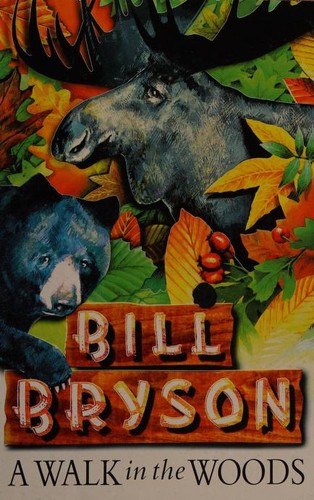
Bryson attempts to hike the Appalachian Trail with an out-of-shape friend. Funny, informative and full of asides. Content note: some strong language.
Best for: clubs who want laughs.
Talk about: Is the book more about nature or friendship?
9. Wild by Cheryl Strayed
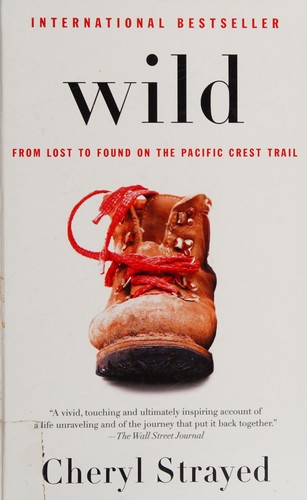
After grief and divorce, Strayed hikes the Pacific Crest Trail alone. Raw and moving. Content note: drug use and sexual content.
Best for: clubs who like personal journeys.
Talk about: What does the trail change in her?
10. The Lost Words by Robert Macfarlane and Jackie Morris
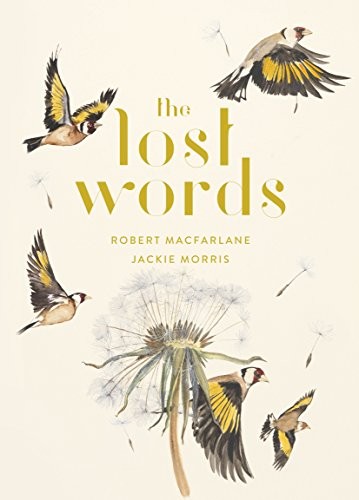
An illustrated book of ‘spell-poems’ for nature words dropped from a children’s dictionary. Gorgeous to read aloud.
Best for: clubs who want something short.
Talk about: Which word would you choose to protect?
11. Devotions by Mary Oliver
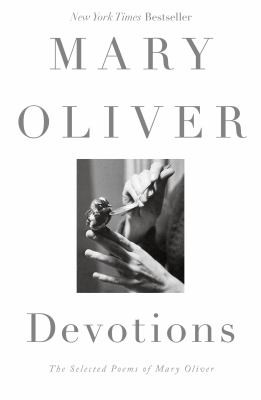
A selected collection of Oliver’s poems on wild geese, mornings and attention. Easy to read in one evening and read aloud.
Best for: clubs who want a poetry pick.
Talk about: Which poem would you like to memorize?
12. The Invention of Nature by Andrea Wulf
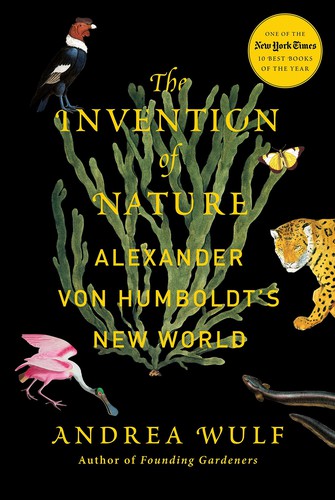
The story of Alexander von Humboldt, the naturalist whose ideas shaped Darwin, Thoreau and environmentalism. Lively and informative.
Best for: clubs who like science history.
Talk about: Why is Humboldt not better known?
Why April Is a Good Month for a Theme
April offers three built-in themes: the arrival of spring, Earth Day on April 22 and National Poetry Month. Reading about nature can make people notice their surroundings more carefully, and discussions often turn to how members relate to the environment. A poetry pick adds variety, since a short collection can be read in an evening and discussed poem by poem. Weather is also on your side: outdoor meetings in a garden or park become possible in many places. If your club tends toward serious reading, April is a gentle chance to try something lyrical. If you usually read light fiction, a nature memoir may feel refreshingly different.
How to Choose Your April Pick
Choosing a book for your club is easier when you start with the group, not the book. Ask how many people usually come, how much time members have to read, and whether the group prefers fiction, nonfiction or a mix. A 300-page novel with short chapters suits a busy month, while a longer or denser title works better when members can start early. Rotate genres so no taste is ignored for long, and let a different member choose each month. Look at the date: a April pick has the advantage of a built-in theme, which gives the conversation a spark. Finally, check the library for copies and audiobooks before you commit, because access decides whether people actually finish.
Hosting Ideas for April
Take the meeting outside if the weather allows. Set a picnic blanket in a park, or gather around a table with fresh flowers and herbs. Serve spring dishes such as asparagus tart, lemon cake and iced tea. Ask each member to bring a poem or a photo of something that bloomed near them. If you celebrate Earth Day, add a small activity such as planting seeds in paper cups or collecting litter on a short walk before you start.
How to Run the Meeting
A good meeting has a simple shape. Start with ten minutes of casual chat and food, then ask each person for a quick, spoiler-free reaction in one sentence. Move into two or three open questions, not a quiz, and let the conversation wander. Reserve the last fifteen minutes for picking the next book and a date. Designate a gentle facilitator who keeps time and invites quieter members to speak. If your group meets online, ask people to keep cameras on and use the chat for side thoughts. End with a rating from one to five, which often sparks a lively comparison, and note the scores so you can see which genres your group enjoys most.
Eight Questions That Work for Almost Any Book
- What did you expect from the book before you started, and how did it compare?
- Which character did you understand best, and which frustrated you?
- Was there a moment you wanted to stop reading or one you read twice?
- How did the setting shape the story?
- What did the ending leave you thinking about?
- Did the book change your opinion about anything?
- Which line or scene would you quote to a friend?
- Would you recommend it, and to whom?
A Reading Pace Plan
Here is a simple pace for a April meeting held at the end of the month. In week one, borrow or buy the book and read the first fifth, enough to meet the characters or the argument. In week two, read another third and jot down two questions. In week three, finish the book and write a single sentence about how it made you feel. In week four, skim your notes and bring one passage you want to discuss. A 300-page book needs about 15 pages a day, or roughly 25 minutes for an average reader. If you prefer audiobooks, a 9-hour recording fits a daily walk or commute. Members who start late can read on a weekend, and the club can agree that it is fine to attend even if you have not finished.
Book Club Etiquette
Every book club runs better with a few shared habits. Agree on a spoiler policy, such as saving endings for the second half of the meeting. Give everyone a chance to speak before anyone speaks twice. Disagree with ideas, not people, and remember that a book someone loves may be one another hates. If a member did not finish, welcome them anyway; they can listen and join the next one. Rotate hosting and picking duties so that no one carries the work. If your group grows, split into two smaller ones instead of letting a conversation turn into a lecture. These simple norms create a friendly space where honest opinions can be shared.
Meeting Online
If your April club meets online, a few tweaks keep the conversation lively. Use a video platform with a reliable connection, start on time and keep the group small enough that everyone can speak, ideally under ten. Ask members to mute when not talking and to use hand-raise or chat to signal a comment. Share the discussion questions in the invitation so people can think ahead. Break into pairs for five minutes if the group is large, then return to share highlights. Plan a shorter meeting, around an hour, since screen fatigue sets in quickly. And leave a few minutes at the end for casual chat, which online meetings often miss.
Planning the Next Month
Ending a long meeting without a plan can leave the next month wide open. Before everyone leaves, vote on the next book from a short list of three, and agree on a date and location. Share the selection by email or group chat the same day, with links to the library hold list and the audiobook. Ask one member to bring a conversation starter next time. If your group struggles with attendance, try meeting at the same time each month so it becomes a habit. Keep notes on which books worked and which did not; after a year, you will have a record of your club’s taste and can plan with confidence.
Tips for a Great April Meeting
- Meet outdoors. A park bench or garden suits a nature book.
- Pair with poetry. Read a poem aloud to open the meeting.
- Set the date early. Announce the pick at the end of the previous meeting so members have time to read.
- Offer formats. Remind members that library copies, e-books and audiobooks all count.
- Keep spoilers in check. Agree to talk about endings only after everyone has had a chance to share first impressions.
Related: 12 Best Book Club Picks for March and 12 Best Book Club Picks for February.
Frequently Asked Questions
What are the best book club picks for April?
Strong April picks include Braiding Sweetgrass, Silent Spring and The Overstory. The list above gives twelve options with discussion prompts.
How long should a book club book be?
Most clubs do well with books between 250 and 400 pages. Choose shorter books for busy months and longer ones when members can start early.
Should a book club read fiction or nonfiction?
A mix works best. Rotate genres so every member gets a pick they enjoy, and use themed months like this one as a guide.