
Disclosure: As an Amazon Associate, Bookish Wisdom earns from qualifying purchases. This doesn’t change our picks or your price.
Quick answer: These 12 books make strong May book club picks, from Pachinko, The Joy Luck Club, Crying in H Mart, Interior Chinatown, The Namesake and Convenience Store Woman to six more. Each has a short blurb, a reason it works for a group and a discussion prompt.
May brings Asian American and Pacific Islander Heritage Month and Mother’s Day, two occasions that make for rich reading. The twelve books below include novels, memoirs and essays by Asian American authors, along with stories of mothers and daughters that range from tender to complicated. They cover immigration, identity, family secrets and belonging, and many are bestsellers that book clubs return to again and again. Each entry includes a summary, why it works for discussion and a question to start the conversation. Whether you choose one book for the month or a pair for different meetings, these titles will lead to thoughtful, personal conversations.
Table of Contents
Quick Picks at a Glance
| Book | Author | Genre | Best For |
|---|---|---|---|
| Pachinko | Min Jin Lee | Historical fiction | clubs who like family sagas |
| The Joy Luck Club | Amy Tan | Fiction | clubs who like mother-daughter stories |
| Crying in H Mart | Michelle Zauner | Memoir | clubs who like food and memoir |
| Interior Chinatown | Charles Yu | Satirical fiction | clubs who want something inventive |
| The Namesake | Jhumpa Lahiri | Literary fiction | clubs who like quiet family novels |
| Convenience Store Woman | Sayaka Murata | Short novel | clubs who want a quick, quirky read |
| The Vegetarian | Han Kang | Literary fiction | clubs who like challenging fiction |
| Everything I Never Told You | Celeste Ng | Fiction | clubs who like mysteries within families |
| Minor Feelings | Cathy Park Hong | Essays | clubs who want a provocative nonfiction pick |
| Little Fires Everywhere | Celeste Ng | Fiction | clubs who like moral dilemmas |
| The Woman Warrior | Maxine Hong Kingston | Memoir | clubs who like classic memoir |
| Born a Crime | Trevor Noah | Memoir | clubs who like humor and heart |
1. Pachinko by Min Jin Lee
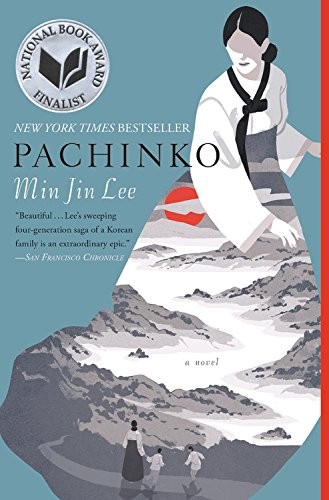
Four generations of a Korean family in Japan face discrimination and survive through hard work. A sweeping novel about identity and endurance. Content note: some violence and sexual content.
Best for: clubs who like family sagas.
Talk about: How does each generation define home?
2. The Joy Luck Club by Amy Tan
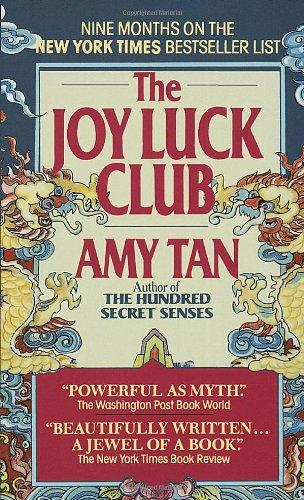
Four Chinese American mothers and their daughters tell stories of loss, hope and misunderstanding. A classic of Asian American literature.
Best for: clubs who like mother-daughter stories.
Talk about: What gets lost between mothers and daughters?
3. Crying in H Mart by Michelle Zauner
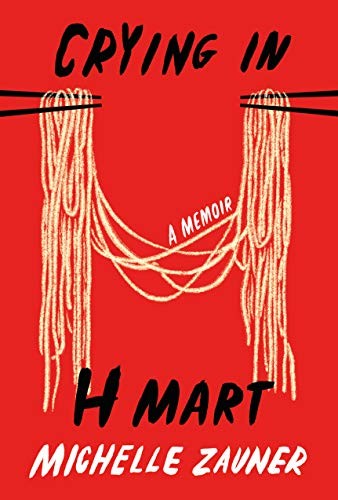
Zauner writes about losing her mother to cancer and finding her Korean identity through food. Funny, raw and moving. Content note: cancer and grief.
Best for: clubs who like food and memoir.
Talk about: How does food connect her to her mother?
4. Interior Chinatown by Charles Yu
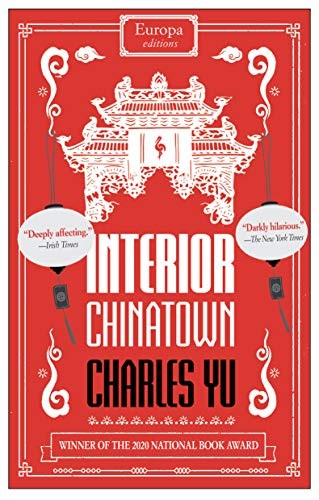
Willis Wu, a background actor, dreams of being the lead in a show called Black and White. Written in screenplay form, it is witty and sharp about stereotypes.
Best for: clubs who want something inventive.
Talk about: What does the format reveal about the character?
5. The Namesake by Jhumpa Lahiri
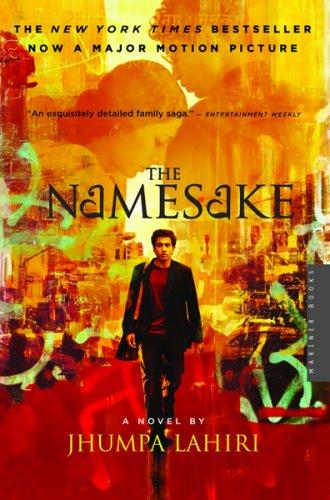
Gogol Ganguli grows up in the United States with a name that carries his Bengali parents’ history. A tender novel about identity.
Best for: clubs who like quiet family novels.
Talk about: How does Gogol’s name shape his sense of self?
6. Convenience Store Woman by Sayaka Murata
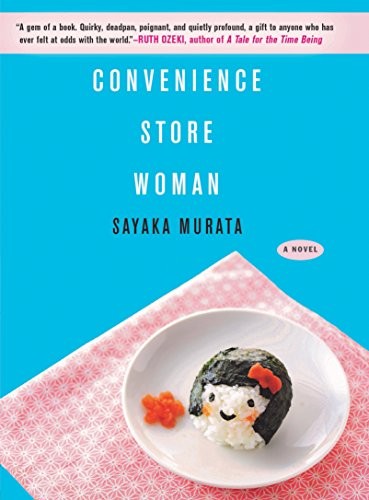
Keiko, a thirty-six-year-old woman, has worked at a convenience store for 18 years and feels at home there, to the despair of her family. Dark, funny and short.
Best for: clubs who want a quick, quirky read.
Talk about: What does the book say about conformity?
7. The Vegetarian by Han Kang
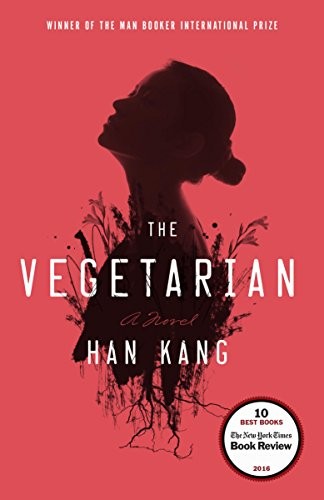
After a dream, Yeong-hye decides to stop eating meat, with disturbing consequences for her family. Translated from Korean, it is strange and haunting. Content note: violence and sexual content.
Best for: clubs who like challenging fiction.
Talk about: How does the three-part structure change our view?
8. Everything I Never Told You by Celeste Ng
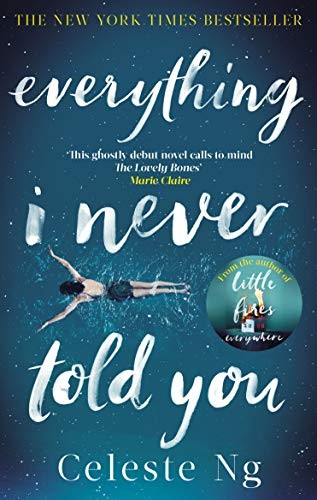
In 1970s Ohio, the death of a teenage girl reveals the secrets of her Chinese American family. A quiet, moving novel about expectations.
Best for: clubs who like mysteries within families.
Talk about: What did each family member keep unsaid?
9. Minor Feelings by Cathy Park Hong
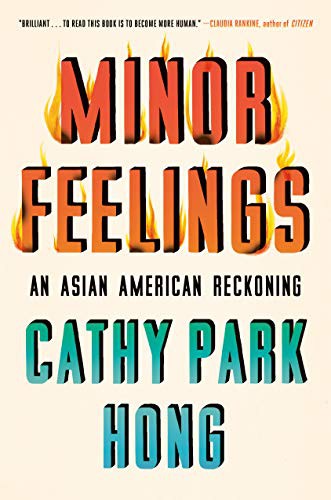
Hong writes about race, identity and the emotions of Asian Americans. Personal and sharp.
Best for: clubs who want a provocative nonfiction pick.
Talk about: Which essay challenged your assumptions?
10. Little Fires Everywhere by Celeste Ng

In Shaker Heights, a custody battle between a wealthy family and an artist mother divides a community. Explores motherhood and privilege.
Best for: clubs who like moral dilemmas.
Talk about: What makes a good mother in this book?
11. The Woman Warrior by Maxine Hong Kingston
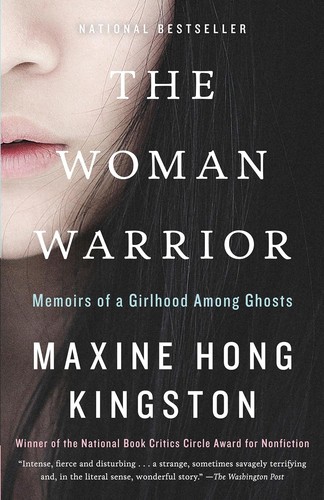
A blend of memoir and myth, Kingston explores growing up Chinese American with stories from her mother. Experimental and influential. Content note: some violence.
Best for: clubs who like classic memoir.
Talk about: How do the stories blur truth and legend?
12. Born a Crime by Trevor Noah
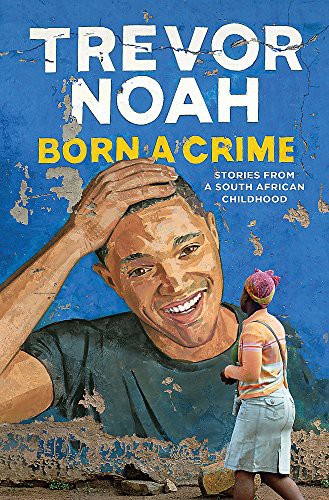
Noah’s story of growing up in apartheid South Africa and his bond with his mother. A good Mother’s Day pick. Content note: violence and abuse.
Best for: clubs who like humor and heart.
Talk about: What does his mother teach him?
Why May Is a Good Month for a Theme
AAPI Heritage Month, celebrated in May in the United States, honors the histories and contributions of Asian Americans and Pacific Islanders. Reading their stories is a way to understand the immigrant experience, generational differences and questions of belonging. Mother’s Day, also in May, invites a closer look at mother-child relationships. Many of the best books in this list explore both themes, which often overlap. As you choose, remember that the Asian American community is diverse, so a single book cannot speak for everyone. Reading several voices, from Korean, Chinese, Indian, Japanese and other backgrounds, gives your club a richer view.
How to Choose Your May Pick
Choosing a book for your club is easier when you start with the group, not the book. Ask how many people usually come, how much time members have to read, and whether the group prefers fiction, nonfiction or a mix. A 300-page novel with short chapters suits a busy month, while a longer or denser title works better when members can start early. Rotate genres so no taste is ignored for long, and let a different member choose each month. Look at the date: a May pick has the advantage of a built-in theme, which gives the conversation a spark. Finally, check the library for copies and audiobooks before you commit, because access decides whether people actually finish.
Hosting Ideas for May
For an AAPI Heritage Month meeting, serve dishes from different cuisines such as dumplings, bao, dal or Korean rice cakes, or ask members to bring a family recipe. For Mother’s Day, set out photos of mothers and invite short stories. Play music by Asian American artists. Keep the evening respectful and curious, and consider donating to a local cultural or immigrant support organization.
How to Run the Meeting
A good meeting has a simple shape. Start with ten minutes of casual chat and food, then ask each person for a quick, spoiler-free reaction in one sentence. Move into two or three open questions, not a quiz, and let the conversation wander. Reserve the last fifteen minutes for picking the next book and a date. Designate a gentle facilitator who keeps time and invites quieter members to speak. If your group meets online, ask people to keep cameras on and use the chat for side thoughts. End with a rating from one to five, which often sparks a lively comparison, and note the scores so you can see which genres your group enjoys most.
Eight Questions That Work for Almost Any Book
- What did you expect from the book before you started, and how did it compare?
- Which character did you understand best, and which frustrated you?
- Was there a moment you wanted to stop reading or one you read twice?
- How did the setting shape the story?
- What did the ending leave you thinking about?
- Did the book change your opinion about anything?
- Which line or scene would you quote to a friend?
- Would you recommend it, and to whom?
A Reading Pace Plan
Here is a simple pace for a May meeting held at the end of the month. In week one, borrow or buy the book and read the first fifth, enough to meet the characters or the argument. In week two, read another third and jot down two questions. In week three, finish the book and write a single sentence about how it made you feel. In week four, skim your notes and bring one passage you want to discuss. A 300-page book needs about 15 pages a day, or roughly 25 minutes for an average reader. If you prefer audiobooks, a 9-hour recording fits a daily walk or commute. Members who start late can read on a weekend, and the club can agree that it is fine to attend even if you have not finished.
Book Club Etiquette
Every book club runs better with a few shared habits. Agree on a spoiler policy, such as saving endings for the second half of the meeting. Give everyone a chance to speak before anyone speaks twice. Disagree with ideas, not people, and remember that a book someone loves may be one another hates. If a member did not finish, welcome them anyway; they can listen and join the next one. Rotate hosting and picking duties so that no one carries the work. If your group grows, split into two smaller ones instead of letting a conversation turn into a lecture. These simple norms create a friendly space where honest opinions can be shared.
Meeting Online
If your May club meets online, a few tweaks keep the conversation lively. Use a video platform with a reliable connection, start on time and keep the group small enough that everyone can speak, ideally under ten. Ask members to mute when not talking and to use hand-raise or chat to signal a comment. Share the discussion questions in the invitation so people can think ahead. Break into pairs for five minutes if the group is large, then return to share highlights. Plan a shorter meeting, around an hour, since screen fatigue sets in quickly. And leave a few minutes at the end for casual chat, which online meetings often miss.
Planning the Next Month
Ending a long meeting without a plan can leave the next month wide open. Before everyone leaves, vote on the next book from a short list of three, and agree on a date and location. Share the selection by email or group chat the same day, with links to the library hold list and the audiobook. Ask one member to bring a conversation starter next time. If your group struggles with attendance, try meeting at the same time each month so it becomes a habit. Keep notes on which books worked and which did not; after a year, you will have a record of your club’s taste and can plan with confidence.
Tips for a Great May Meeting
- Read widely. Choose voices from different backgrounds.
- Honor mothers. Invite members to share a story about their own mothers.
- Set the date early. Announce the pick at the end of the previous meeting so members have time to read.
- Offer formats. Remind members that library copies, e-books and audiobooks all count.
- Keep spoilers in check. Agree to talk about endings only after everyone has had a chance to share first impressions.
Related: 12 Best Book Club Picks for April and 12 Best Book Club Picks for March.
Frequently Asked Questions
What are the best book club picks for May?
Strong May picks include Pachinko, The Joy Luck Club and Crying in H Mart. The list above gives twelve options with discussion prompts.
How long should a book club book be?
Most clubs do well with books between 250 and 400 pages. Choose shorter books for busy months and longer ones when members can start early.
Should a book club read fiction or nonfiction?
A mix works best. Rotate genres so every member gets a pick they enjoy, and use themed months like this one as a guide.