
Disclosure: As an Amazon Associate, Bookish Wisdom earns from qualifying purchases. This doesn't change our picks or your price.
Quick answer: The best books About the History of Science include The Structure of Scientific Revolutions by Thomas S. Kuhn, The Making of the Atomic Bomb by Richard Rhodes and The Double Helix by James D. Watson, plus twelve more strong picks. Each one below has a short description and who it suits best, with a quick table to compare them.
The history of science is full of rivalries, accidents and brilliant leaps. These books tell the stories behind the discoveries that shaped the modern world, from longitude to DNA. They are written for curious readers, not scientists.
Table of Contents
Quick Picks at a Glance
| Book | Author | Best for |
|---|---|---|
| The Structure of Scientific Revolutions | Thomas S. Kuhn | how science changes |
| The Making of the Atomic Bomb | Richard Rhodes | epic history |
| The Double Helix | James D. Watson | DNA's discovery |
| Longitude | Dava Sobel | short and gripping |
| The Discoverers | Daniel J. Boorstin | big-picture history |
| The Code Breaker | Walter Isaacson | gene editing |
| The Disappearing Spoon | Sam Kean | the periodic table |
| Chaos | James Gleick | new science |
| The Invention of Nature | Andrea Wulf | naturalists |
| The Age of Wonder | Richard Holmes | Romantic-era science |
| Rosalind Franklin | Brenda Maddox | women in science |
| The Elegant Universe | Brian Greene | modern physics |
| Seven Brief Lessons on Physics | Carlo Rovelli | very short reads |
| The Ghost Map | Steven Johnson | medicine and cities |
| A Short History of Nearly Everything | Bill Bryson | broad overviews |
1. The Structure of Scientific Revolutions by Thomas S. Kuhn
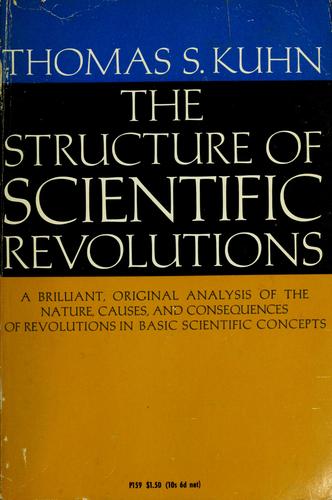
The classic book that introduced the idea of a paradigm shift.
2. The Making of the Atomic Bomb by Richard Rhodes
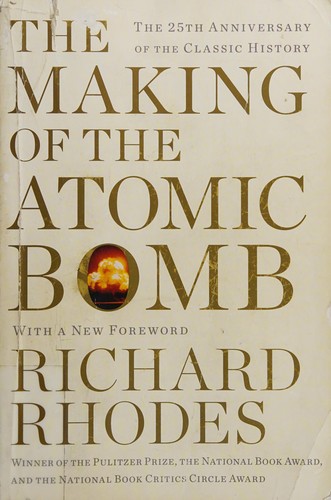
The scientists and politics behind the bomb. Pulitzer winner.
3. The Double Helix by James D. Watson
Watson's personal account of the race to find DNA's structure.
4. Longitude by Dava Sobel
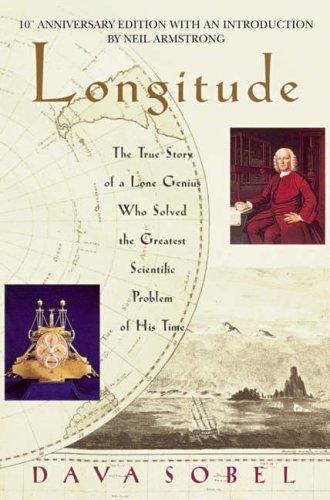
A clockmaker solves the problem of finding longitude at sea.
5. The Discoverers by Daniel J. Boorstin
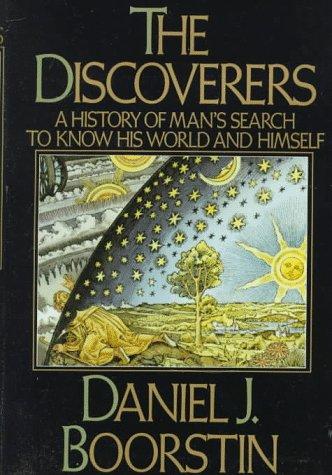
How people discovered the world and themselves.
6. The Code Breaker by Walter Isaacson
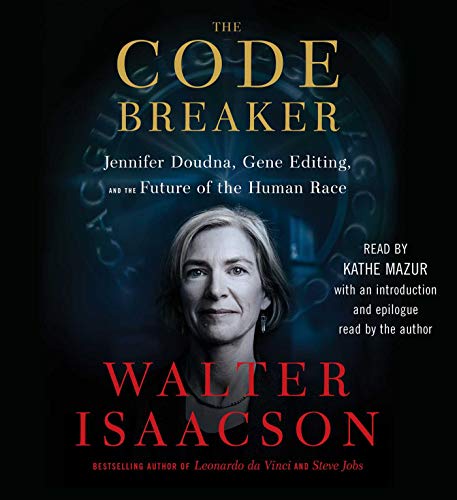
Jennifer Doudna and the CRISPR revolution.
7. The Disappearing Spoon by Sam Kean
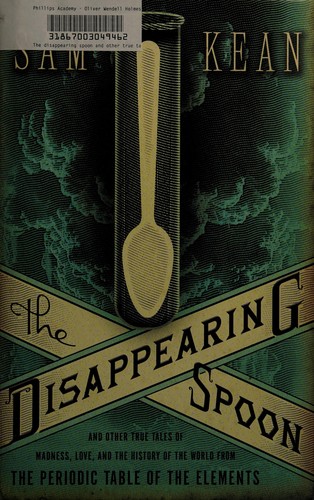
Stories behind the elements.
8. Chaos by James Gleick
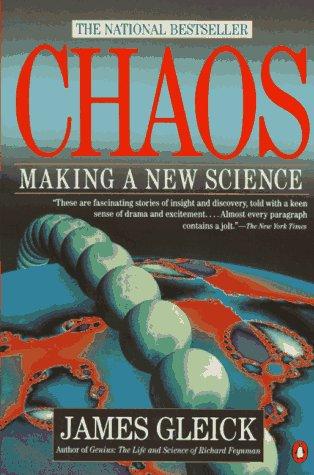
How chaos theory emerged.
9. The Invention of Nature by Andrea Wulf
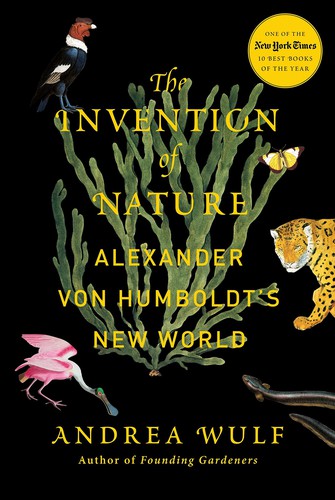
Alexander von Humboldt's influence on how we see nature.
10. The Age of Wonder by Richard Holmes
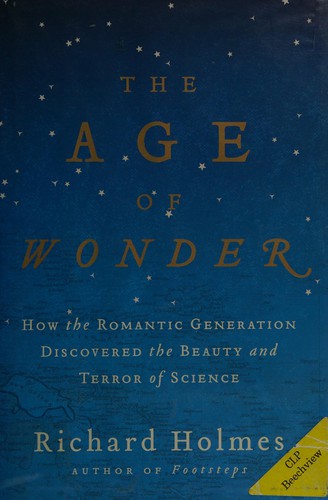
Scientists of the late 18th and early 19th centuries.
11. Rosalind Franklin by Brenda Maddox
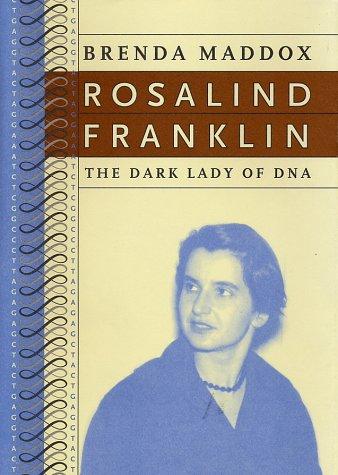
The life of the scientist behind DNA's famous photograph.
12. The Elegant Universe by Brian Greene
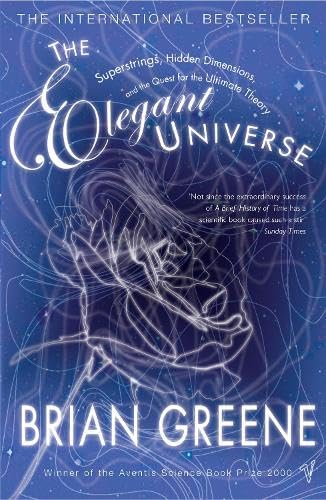
String theory explained for general readers.
13. Seven Brief Lessons on Physics by Carlo Rovelli
The key ideas of modern physics in under a hundred pages.
14. The Ghost Map by Steven Johnson
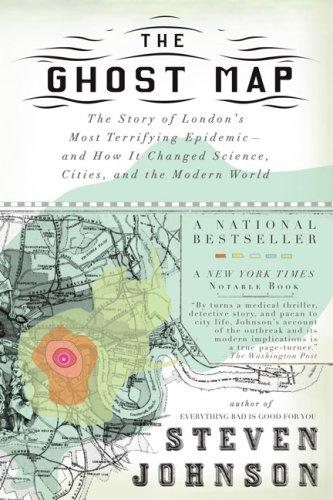
How a doctor traced London's 1854 cholera outbreak.
15. A Short History of Nearly Everything by Bill Bryson
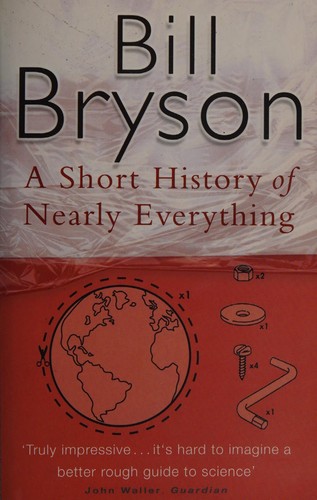
A funny tour of science and scientists.
How to Choose
For a quick start, read Longitude or Seven Brief Lessons on Physics. For a big story, choose The Making of the Atomic Bomb, and for an overview, pick A Short History of Nearly Everything.
How We Chose These Books
Every pick is a real, widely available book with strong reviews from readers, teachers or librarians. We mixed well-known favourites with a few less obvious titles and noted who each one suits best. Check the description and the table before you buy, and borrow a copy from the library first if you are unsure.
Tips for Getting the Most From These Books
- Start with one. Pick the title that matches your goal today, not the longest one on the list.
- Sample first. Read the opening chapter in a library copy or ebook preview before you buy.
- Try audio. Many of these work well as audiobooks on a commute or walk.
- Mix formats. Try an audiobook or ebook version of one pick to see which format clicks.
- Keep a list. Jot down the titles you finish so you can look for more by the same authors.
Frequently Asked Questions
Which book should I start with?
The Structure of Scientific Revolutions by Thomas S. Kuhn is a strong first pick, and every book on this list is worth a look.
Where can I find these books?
Most of these titles are easy to find at public libraries and bookshops, and many are also available as ebooks or audiobooks.
Related: Chaos by James Gleick: Summary and Key Takeaways · A Short History of Nearly Everything by Bill Bryson: Summary and Key Takeaways