
Disclosure: As an Amazon Associate, Bookish Wisdom earns from qualifying purchases. This doesn't change our picks or your price.
Quick answer: The best books About the Hubble Telescope include The Hubble Cosmos by David H. DeVorkin and Robert W. Smith, Hubble: 15 Years of Discovery by Lars Lindberg Christensen and Robert A. Fosbury and Expanding Universe by Owen Edwards, plus twelve more strong picks. Each one below has a short description and who it suits best, with a quick table to compare them.
Since its launch in 1990, the Hubble Space Telescope has changed how we see the universe. These books cover its stunning images, its troubled early years, the astronomers behind it and the discoveries it made.
Table of Contents
Quick Picks at a Glance
| Book | Author | Ages | Best for |
|---|---|---|---|
| The Hubble Cosmos | David H. DeVorkin and Robert W. Smith | – | images and science |
| Hubble: 15 Years of Discovery | Lars Lindberg Christensen and Robert A. Fosbury | – | discoveries |
| Expanding Universe | Owen Edwards | – | photography |
| The Universe in a Mirror | Robert Zimmerman | – | history |
| Hubble: Window on the Universe | Giles Sparrow | – | visual guide |
| Edwin Hubble: Mariner of the Nebulae | Gale E. Christianson | – | biography |
| The Day We Found the Universe | Marcia Bartusiak | – | discovery |
| The Hubble Legacy | Jim Bell | – | anniversary |
| Hubble's Universe | Terence Dickinson | – | popular astronomy |
| The Hubble Wars | Eric J. Chaisson | – | behind the scenes |
| Hubble: Imaging Space and Time | David H. DeVorkin and Robert W. Smith | – | National Geographic |
| Cosmos | Carl Sagan | – | classic |
| A Brief History of Time | Stephen Hawking | – | cosmology |
| Astrophysics for People in a Hurry | Neil deGrasse Tyson | – | quick read |
| Mysteries of the Universe | Will Gater | 9-14 | young readers |
1. The Hubble Cosmos by David H. DeVorkin and Robert W. Smith
25 years of new vistas in space. Ages -.
2. Hubble: 15 Years of Discovery by Lars Lindberg Christensen and Robert A. Fosbury
Highlights from the telescope's first years. Ages -.
3. Expanding Universe by Owen Edwards
Photographs from the Hubble Space Telescope. Ages -.
4. The Universe in a Mirror by Robert Zimmerman
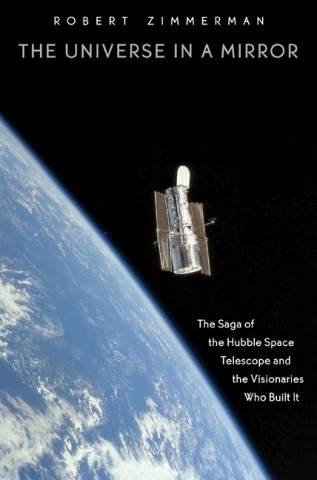
The saga of the Hubble telescope and its visionaries. Ages -.
5. Hubble: Window on the Universe by Giles Sparrow
A photo tour of the cosmos. Ages -.
6. Edwin Hubble: Mariner of the Nebulae by Gale E. Christianson
The astronomer behind the name. Ages -.
7. The Day We Found the Universe by Marcia Bartusiak
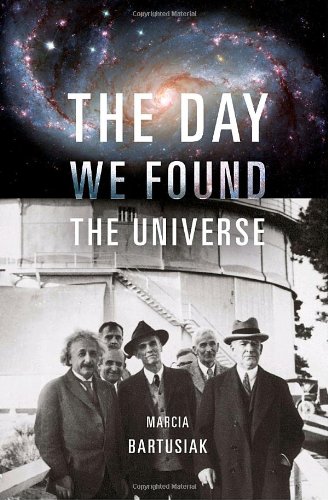
How Hubble proved the universe is expanding. Ages -.
8. The Hubble Legacy by Jim Bell
30 years of discoveries and images. Ages -.
9. Hubble's Universe by Terence Dickinson
Greatest discoveries and latest images. Ages -.
10. The Hubble Wars by Eric J. Chaisson
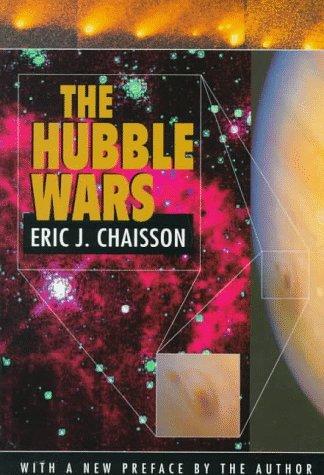
Astrophysics meets astropolitics. Ages -.
11. Hubble: Imaging Space and Time by David H. DeVorkin and Robert W. Smith
A visual history. Ages -.
12. Cosmos by Carl Sagan
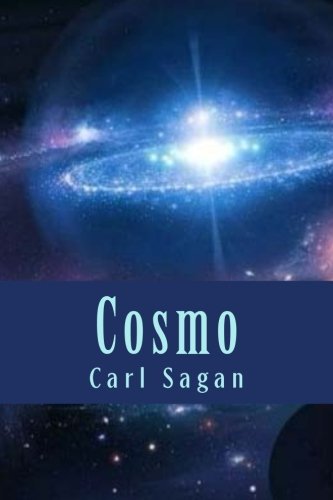
Our place in the universe. Ages -.
13. A Brief History of Time by Stephen Hawking
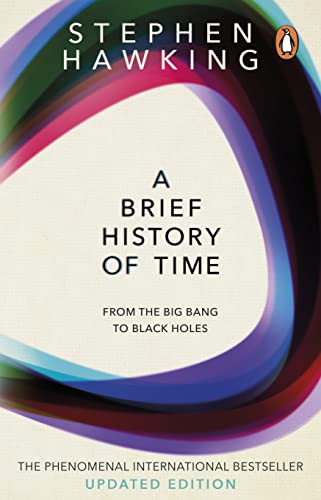
From the big bang to black holes. Ages -.
14. Astrophysics for People in a Hurry by Neil deGrasse Tyson
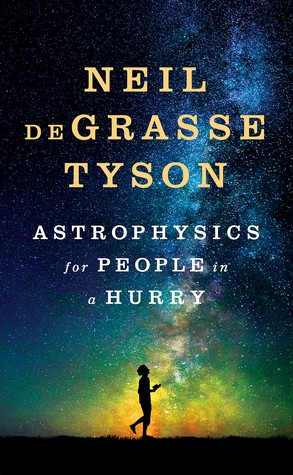
The universe in short chapters. Ages -.
15. Mysteries of the Universe by Will Gater
A DK guide to space. Ages 9-14.
How to Choose
Start with The Hubble Cosmos for images and science. For history, read The Universe in a Mirror, and for the man behind the name, choose Edwin Hubble.
How We Chose These Books
Every pick is a real, widely available book with strong reviews from parents, teachers and librarians. We mixed well-known favourites with a few less obvious titles and gave each one a suggested age range. Age ranges are guides, not rules, so preview a book first if your child is sensitive to a topic.
Tips for Sharing These Books
- Preview first. A quick skim helps you spot anything worth talking about.
- Read together. Ask what a character feels or might do next.
- Use the library. Borrow a few titles and see which ones your reader returns to.
Frequently Asked Questions
Which book should I start with?
The Hubble Cosmos by David H. DeVorkin and Robert W. Smith is a strong first pick, and every book on this list is worth a look.
What ages are these books for?
The books on this list suit roughly ages 9 to 14, and each entry shows its own suggested range.
Where can I find these books?
Most of these titles are easy to find at public libraries and bookshops, and many are also available as ebooks or audiobooks.
Related: Cosmos by Carl Sagan: Summary and Key Takeaways · A Brief History of Time by Stephen Hawking: Summary and Key Takeaways