
Disclosure: As an Amazon Associate, Bookish Wisdom earns from qualifying purchases. This doesn't change our picks or your price.
Quick answer: The best books for early years teachers include The Hurried Child by David Elkind, Einstein Never Used Flash Cards by Kathy Hirsh-Pasek and Roberta Michnick Golinkoff and Mind in the Making by Ellen Galinsky, plus twelve more strong picks. Each one below has a short description and who it suits best, with a quick table to compare them.
Early years teachers shape children at their most important stage of development. These books cover child development, play-based learning, behaviour, language and literacy, and practical classroom ideas for nursery, preschool and reception teachers.
Each book below has a short description and a note on who it suits best. Use the quick table to compare the picks at a glance, then read the full entries for the titles that catch your eye.
Table of Contents
Quick Picks at a Glance
| Book | Author | Best for |
|---|---|---|
| The Hurried Child | David Elkind | childhood |
| Einstein Never Used Flash Cards | Kathy Hirsh-Pasek and Roberta Michnick Golinkoff | play-based learning |
| Mind in the Making | Ellen Galinsky | life skills |
| The Whole-Brain Child | Daniel J. Siegel and Tina Payne Bryson | emotions |
| Reading Magic | Mem Fox | reading aloud |
| Balanced and Barefoot | Angela J. Hanscom | outdoor play |
| How Children Learn | John Holt | learning |
| The Read-Aloud Handbook | Jim Trelease | literacy |
| No-Drama Discipline | Daniel J. Siegel and Tina Payne Bryson | behaviour |
| Teaching with Intention | Debbie Miller | classroom practice |
| The Importance of Being Little | Erika Christakis | preschool |
| Last Child in the Woods | Richard Louv | nature |
| Fostering Resilient Learners | Kristin Souers and Pete Hall | trauma-informed |
| How to Talk So Little Kids Will Listen | Joanna Faber and Julie King | communication |
| The Montessori Method | Maria Montessori | classic methods |
1. The Hurried Child by David Elkind
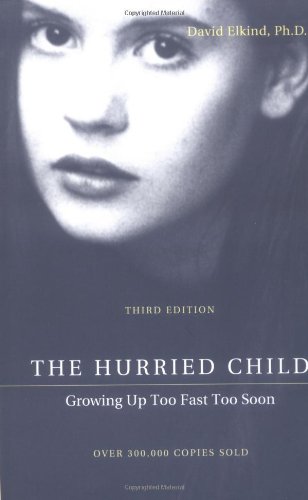
Why rushing children harms development.
2. Einstein Never Used Flash Cards by Kathy Hirsh-Pasek and Roberta Michnick Golinkoff
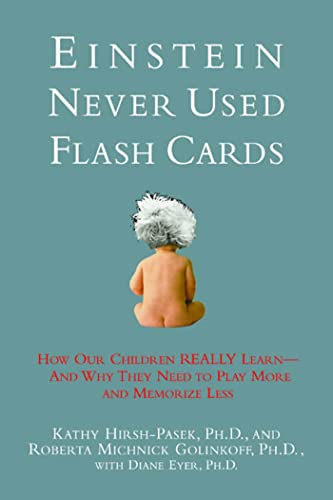
Research on why play beats drills.
3. Mind in the Making by Ellen Galinsky
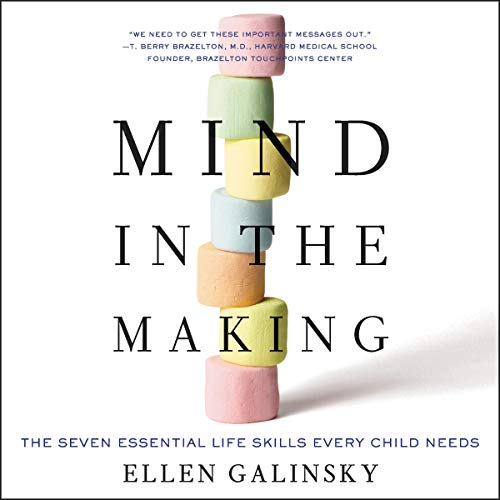
Seven essential skills every child needs.
4. The Whole-Brain Child by Daniel J. Siegel and Tina Payne Bryson
Brain-based strategies for big feelings.
5. Reading Magic by Mem Fox
Why reading aloud changes lives.
6. Balanced and Barefoot by Angela J. Hanscom
Why unrestricted outdoor play matters.
7. How Children Learn by John Holt
A classic on children's natural learning.
8. The Read-Aloud Handbook by Jim Trelease
Bringing children to books.
9. No-Drama Discipline by Daniel J. Siegel and Tina Payne Bryson
Calm, connected discipline.
10. Teaching with Intention by Debbie Miller
Aligning beliefs and teaching.
11. The Importance of Being Little by Erika Christakis
What young children really need.
12. Last Child in the Woods by Richard Louv
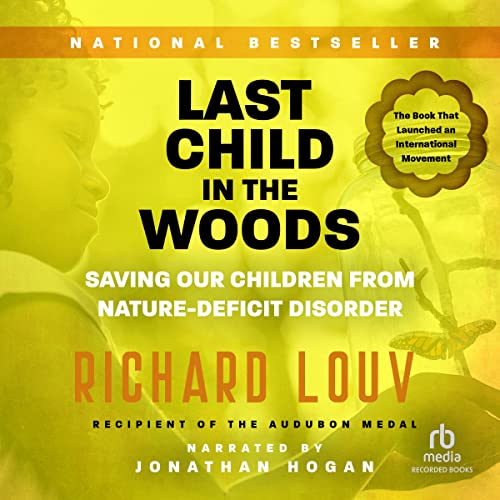
Saving children from nature-deficit.
13. Fostering Resilient Learners by Kristin Souers and Pete Hall
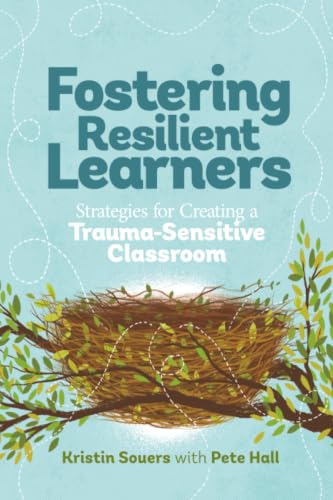
Strategies for trauma-sensitive classrooms.
14. How to Talk So Little Kids Will Listen by Joanna Faber and Julie King
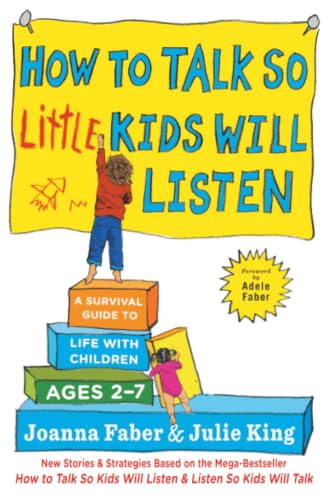
Talking with young children.
15. The Montessori Method by Maria Montessori
Montessori's foundational work.
How to Choose
Start with Einstein Never Used Flash Cards and The Importance of Being Little for the big ideas. For behaviour, No-Drama Discipline and How to Talk So Little Kids Will Listen are very practical.
How We Chose These Books
Every pick is a real, widely available book with strong reviews from readers, teachers or librarians. We mixed well-known favourites with a few less obvious titles and noted who each one suits best. Check the description and the table before you buy, and borrow a copy from the library first if you are unsure.
Tips for Getting the Most From These Books
- Start with one. Pick the title that matches your goal today, not the longest one on the list.
- Sample first. Read the opening chapter in a library copy or ebook preview before you buy.
- Try audio. Many of these work well as audiobooks on a commute or walk.
- Mix formats. Try an audiobook or ebook version of one pick to see which format clicks.
- Keep a list. Jot down the titles you finish so you can look for more by the same authors.
Frequently Asked Questions
Which book should I start with?
The Hurried Child by David Elkind is a strong first pick, and every book on this list is worth a look.
Where can I find these books?
Most of these titles are easy to find at public libraries and bookshops, and many are also available as ebooks or audiobooks.
Related: The Whole-Brain Child by Daniel J. Siegel and Tina Payne Bryson: Summary and Key Takeaways · 15 Best Picture Books About Teachers