
Disclosure: As an Amazon Associate, Bookish Wisdom earns from qualifying purchases. This doesn’t change our picks or your price.
Quick answer: The best books on building habits include Atomic Habits, The Power of Habit, Tiny Habits, Mini Habits, Habit Stacking and Better Than Before. Start with Atomic Habits for a clear framework, and add Tiny Habits or Mini Habits if you struggle to get started.
Habits are the small, repeated actions that shape our days and, over time, our lives. Building good ones and breaking bad ones is less about willpower than about design: cues, routines, rewards and environments. The books here are among the most useful on the subject. They include the biggest bestsellers, short practical guides and research-driven works from psychologists and behavior scientists. Some emphasize starting tiny, others focus on identity or systems. Together they offer a toolkit you can mix and match. Choose one habit to build, read a chapter, apply it and track what happens. The point is not perfection but steady progress.
Table of Contents
Quick Picks at a Glance
| Book | Author | Approach | Best For |
|---|---|---|---|
| Atomic Habits | James Clear | Framework | readers who want a clear system |
| The Power of Habit | Charles Duhigg | Science and stories | readers who like narrative |
| Tiny Habits | BJ Fogg | Behavior design | readers who struggle to start |
| Mini Habits | Stephen Guise | Small steps | readers who feel overwhelmed |
| Habit Stacking | S.J. Scott | Practical | readers who like lists |
| Better Than Before | Gretchen Rubin | Personality | readers who want self-knowledge |
| Good Habits, Bad Habits | Wendy Wood | Research | readers who like science |
| The Compound Effect | Darren Hardy | Motivation | readers who want a push |
| The Slight Edge | Jeff Olson | Motivation | readers who like short books |
| The Willpower Instinct | Kelly McGonigal | Self-control | readers who want strategies |
| Indistractable | Nir Eyal | Focus | readers distracted by devices |
| Deep Work | Cal Newport | Focus | knowledge workers |
| Smarter Faster Better | Charles Duhigg | Productivity | readers wanting broader ideas |
| Make Your Bed | William H. McRaven | Discipline | readers who like short books |
| Four Thousand Weeks | Oliver Burkeman | Time | readers who feel overwhelmed |
1. Atomic Habits by James Clear
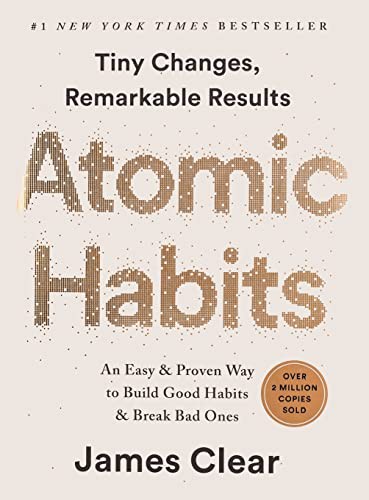
Clear teaches that small changes compound and offers four laws: make it obvious, attractive, easy and satisfying. Practical and widely loved.
Best for: readers who want a clear system.
2. The Power of Habit by Charles Duhigg
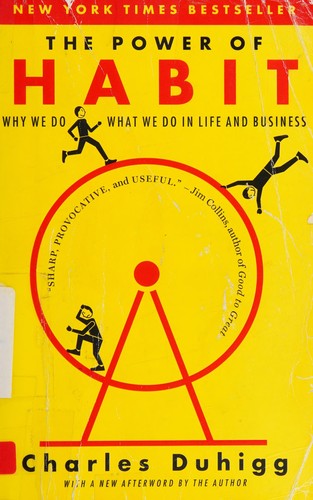
Duhigg explains the habit loop of cue, routine and reward through stories from business and life.
Best for: readers who like narrative.
3. Tiny Habits by BJ Fogg
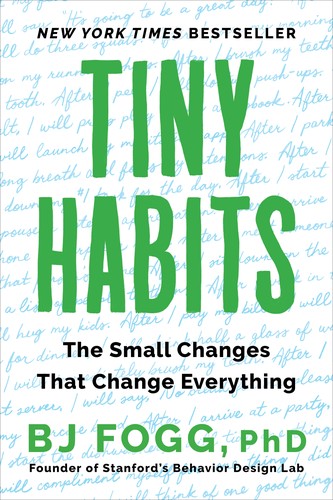
Fogg shows how to build habits by making them tiny and tying them to anchors, with emotional rewards.
Best for: readers who struggle to start.
4. Mini Habits by Stephen Guise
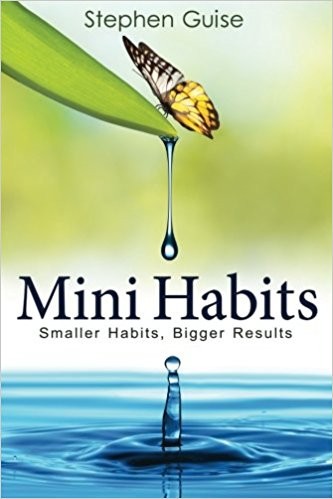
Guise suggests ridiculously small goals, such as one push-up, to build momentum.
Best for: readers who feel overwhelmed.
5. Habit Stacking by S.J. Scott
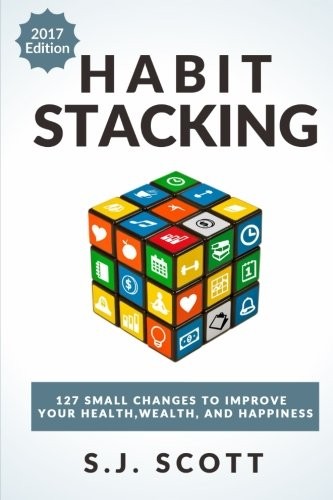
Offers 97 small changes that can be added to routines. Quick to read.
Best for: readers who like lists.
6. Better Than Before by Gretchen Rubin
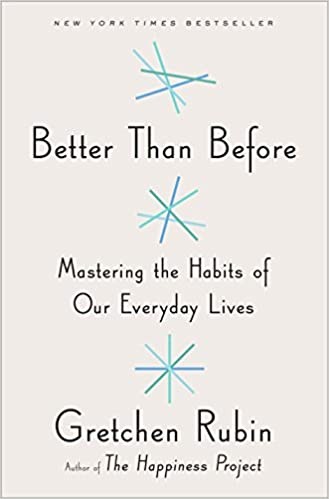
Rubin identifies four tendencies and strategies for different personalities. Chatty and thoughtful.
Best for: readers who want self-knowledge.
7. Good Habits, Bad Habits by Wendy Wood
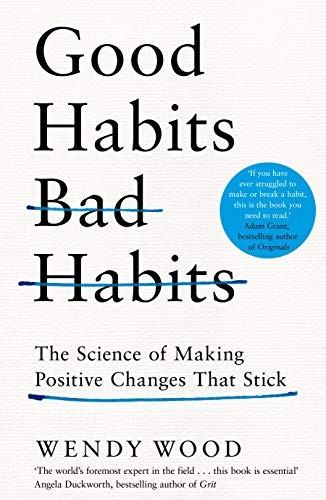
A psychologist explains how habits form and how environments shape them. Clear and well researched.
Best for: readers who like science.
8. The Compound Effect by Darren Hardy
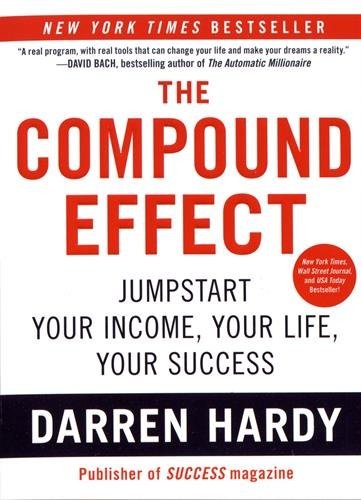
Hardy emphasizes small choices repeated over time. Simple and motivational.
Best for: readers who want a push.
9. The Slight Edge by Jeff Olson
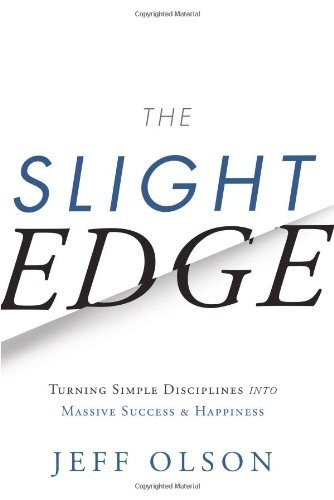
Argues that small, consistent actions create big results.
Best for: readers who like short books.
10. The Willpower Instinct by Kelly McGonigal
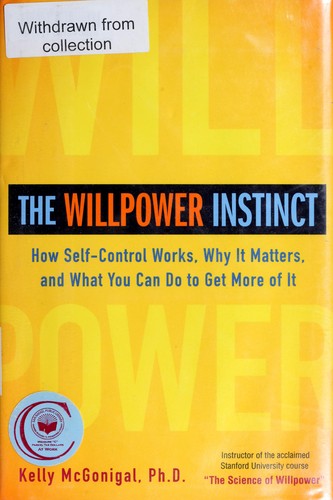
Draws on Stanford research to teach how to manage willpower.
Best for: readers who want strategies.
11. Indistractable by Nir Eyal
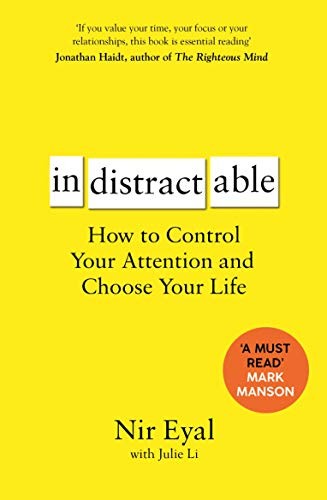
Shows how to control attention in a world of distractions.
Best for: readers distracted by devices.
12. Deep Work by Cal Newport
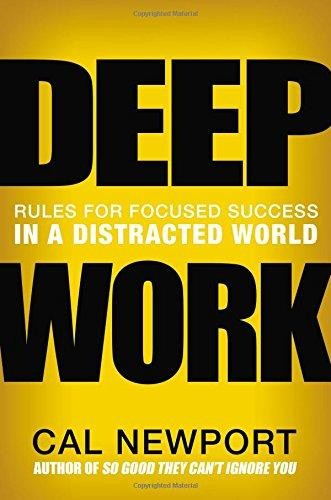
Teaches how to cultivate focused work.
Best for: knowledge workers.
13. Smarter Faster Better by Charles Duhigg
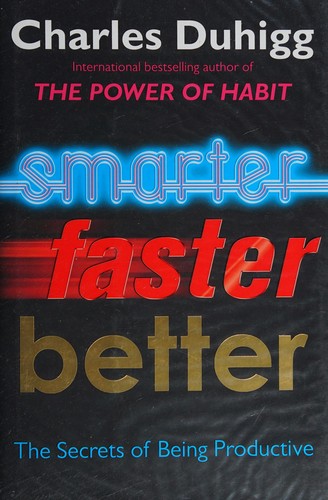
Explores motivation, focus and goal setting through stories.
Best for: readers wanting broader ideas.
14. Make Your Bed by William H. McRaven
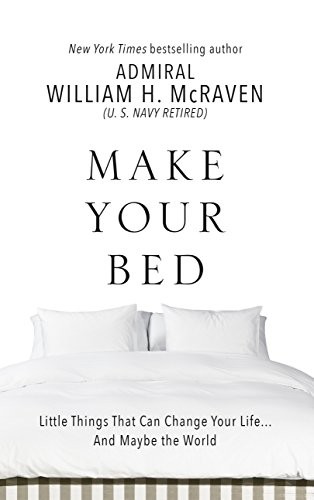
Ten lessons from Navy SEAL training, starting with a small daily habit.
Best for: readers who like short books.
15. Four Thousand Weeks by Oliver Burkeman
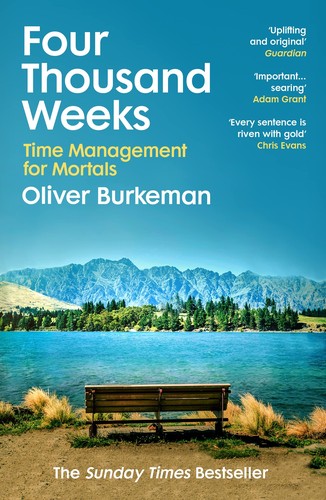
Encourages accepting limits and focusing on what matters.
Best for: readers who feel overwhelmed.
How to Choose the Right Book on Building Habits
Pick based on your style. If you want a clear framework, Atomic Habits is the most popular. If you prefer a very small start, Tiny Habits and Mini Habits lower the bar. If you like science, The Power of Habit and Good Habits, Bad Habits explain how habits work. If you want motivation, The Compound Effect and The Slight Edge emphasize consistency. If you want to protect your attention, Indistractable and Deep Work help. Whichever you choose, start with one habit and anchor it to something you already do.
Which Book Should You Start With? A Quick Guide
If you are not sure where to begin, match your situation to the list below.
- Readers who want a clear system: Atomic Habits
- Readers who like narrative: The Power of Habit
- Readers who struggle to start: Tiny Habits
- Readers who feel overwhelmed: Mini Habits
- Readers who like lists: Habit Stacking
- Readers who want self-knowledge: Better Than Before
- Readers who like science: Good Habits, Bad Habits
- Readers who want a push: The Compound Effect
- Readers who like short books: The Slight Edge
- Readers who want strategies: The Willpower Instinct
- Readers distracted by devices: Indistractable
- Knowledge workers: Deep Work
- Readers wanting broader ideas: Smarter Faster Better
- Readers who like short books: Make Your Bed
- Readers who feel overwhelmed: Four Thousand Weeks
A Simple Reading Plan
A sensible order helps you build momentum. Open with Atomic Habits, which is accessible and encouraging, and finish it before you buy anything else. Next, choose The Power of Habit to deepen what you learned, then Tiny Habits when you are ready for a different voice or a more demanding read. Between books, take a few days to try something you learned, because building habits is easier to understand once you have tested it in real life. Keep a simple note on your phone with the title, your rating and one takeaway for each book you complete.
Print, E-Book or Audiobook?
Print, e-book and audiobook each suit different readers. Print is best for books you want to mark up and return to, which is useful for practical guides on building habits. E-books are cheap, portable and easy to search, and they make it simple to highlight a passage and find it again later. Audiobooks turn commutes, chores and walks into reading time, and a good narrator can make a heavy book on building habits easier to take in. Your public library offers all three through apps like Libby, so you can try a title before buying it. Many readers use two formats for the same book, listening first and then skimming a print copy for notes.
How to Get More From What You Read
To get more from these books, read with a pen and a question. Decide before you start what you hope to learn about building habits, and check at the end of each chapter whether you found it. Mark passages that feel true for you, and write down the ones you disagree with, since disagreement is also learning. Pick one practice from each book and try it for two weeks before judging it. Talking about the ideas with someone you trust, or writing a few lines in a journal, helps them move from your head into your life. Be patient with yourself; change comes in small steps.
Reading on a Budget
You do not need to buy all of these books. Your public library likely lends print, e-book and audiobook copies of many titles on building habits for free, and the hold feature lets you queue for popular ones. Used paperbacks are usually a few dollars, and thrift stores, library sales and swap groups are good sources. If you want to own a book you will mark up, buy the print edition; if you want to try several, borrow first and buy only the ones you finish and love. Subscription audiobook services often offer a free trial that covers a first title, and some libraries partner with apps that need only a library card.
Talk About What You Read
Reading on your own is valuable, and reading with others adds accountability. Consider forming a small book club around building habits, taking turns to choose a title from this list. Meet monthly, ask each person to share one idea and one action, and keep the tone supportive rather than competitive. If your friends are not interested, look for a local library group or an online community. A shared conversation helps you notice things you missed, and the encouragement of others makes it easier to keep going when progress feels slow.
Common Mistakes to Avoid
Three mistakes come up again and again. First, readers choose a book that is too advanced or too long and give up on the topic altogether, so start with an accessible title. Second, they read passively, without notes or a plan to use what they learn about building habits. Third, they expect immediate results and quit when the change is slow. Avoid these by starting small, taking notes and giving each idea at least two weeks. If a book does not suit you, move on; the list above has plenty of other voices.
How to Judge a Book on Building habits
Not every book on building habits is equally reliable. Before you trust one, check the author’s background: are they a researcher, clinician, journalist or someone writing from lived experience? Each can be valuable, but they offer different things. Look for notes and references at the back, which show the claims can be checked. Be wary of books that promise a quick fix, rely on a single story or dismiss all other views. Read a few reviews from people with different perspectives, and treat bold claims as hypotheses to test in your own life. A good book invites questions instead of demanding agreement.
When Reading Is Not Enough
Reading can illuminate and encourage, yet some situations need more than a book. If you notice that your struggles with building habits are getting worse, lasting a long time or affecting your health, reach out to a professional you trust. Local libraries, community centers and workplaces often offer free resources, classes or referrals. Sharing what you are reading with a friend can open the door to a supportive conversation. Use these books as companions on the journey, and let real people walk it with you.
Questions to Reflect On
Keep these in a notebook and return to them after each book:
- What do I most want to understand or change about {t}?
- Which idea from my reading feels true for me, and which do I doubt?
- What is one small action I can take this week?
- Who could I talk to about what I am learning?
- How will I know in a month that this reading helped?
Tips for Reading About Building habits
- Anchor it. Attach a new habit to an existing one.
- Track it. Mark days on a calendar.
- Never miss twice. If you miss a day, restart immediately.
- Shape your environment. Make good choices easier.
- Celebrate. Positive emotion helps the habit stick.
Related: 15 Best Books on Procrastination and atomic Habits Summary and Key Takeaways.
Frequently Asked Questions
What is the best book on building habits?
Atomic Habits is the most popular, while Tiny Habits is excellent for starting small.
How long does it take to build a habit?
A study found a median of about 66 days, but it varies widely.
Should I build several habits at once?
Most experts suggest starting with one or two so you can focus.
How many books on building habits should I read at once?
One or two at a time is plenty. Finish a book, try one idea from it and then move on, so what you read turns into something you do.
Are these books on building habits available as audiobooks?
Most of them are. Check your library’s app, such as Libby, or an audiobook service, and listen to a sample to see whether the narrator suits you.