
Disclosure: As an Amazon Associate, Bookish Wisdom earns from qualifying purchases. This doesn’t change our picks or your price.
Quick answer: The best books on co-parenting include The Co-Parenting Handbook, Mom’s House, Dad’s House, The Good Divorce, Co-Parenting with a Toxic Ex, Joint Custody with a Jerk and BIFF: Quick Responses to High-Conflict People. Start with The Co-Parenting Handbook or Mom’s House, Dad’s House, and add Co-Parenting with a Toxic Ex if conflict is high.
These books are educational and are not legal advice. If you or your children are unsafe, contact local emergency services; in the United States, the National Domestic Violence Hotline is 1-800-799-7233.
Co-parenting after separation or divorce asks two adults to cooperate for the sake of their children, even if they could not stay together. Studies suggest that children do best when conflict between parents is low, when each parent remains involved and when routines are stable. That is easier said than done, especially when emotions are raw. The books in this list offer practical advice on communication, schedules, boundaries, parallel parenting when cooperation is difficult and supporting kids through change. Some are written for amicable situations, and others for high-conflict ones. Read with patience, choose strategies that fit your situation and seek legal and professional advice when needed. Your children’s well-being is the shared goal.
Table of Contents
Quick Picks at a Glance
| Book | Author | Focus | Best For |
|---|---|---|---|
| The Co-Parenting Handbook | Karen Bonnell and Kristin Little | Practical | separated parents |
| Mom’s House, Dad’s House | Isolina Ricci | Two households | parents building two homes |
| The Good Divorce | Constance Ahrons | Research | parents who want hope |
| Co-Parenting with a Toxic Ex | Amy J. L. Baker and Paul R. Fine | High conflict | parents facing a difficult ex |
| Joint Custody with a Jerk | Julie A. Ross and Judy Corcoran | High conflict | parents in tough situations |
| BIFF: Quick Responses to High-Conflict People | Bill Eddy | Communication | parents managing hostile messages |
| Divorce Poison | Richard A. Warshak | Alienation | parents worried about alienation |
| Between Two Worlds | Elizabeth Marquardt | Children’s perspective | parents wanting to understand kids |
| The Unexpected Legacy of Divorce | Judith Wallerstein, Julia Lewis and Sandra Blakeslee | Research | readers who want data |
| Putting Children First | JoAnne Pedro-Carroll | Guidance | parents who want to protect kids |
| Divorce Is Not the End of the World | Zoe Stern and Evan Stern | For kids | children and teens |
| The Whole-Brain Child | Daniel J. Siegel and Tina Payne Bryson | Brain science | parents with kids upset by change |
| How to Talk So Kids Will Listen & Listen So Kids Will Talk | Adele Faber and Elaine Mazlish | Communication | parents talking with kids |
| Good Inside | Becky Kennedy | Connection | parents who feel guilty |
| Nonviolent Communication | Marshall B. Rosenberg | Communication | parents managing conflict |
1. The Co-Parenting Handbook by Karen Bonnell and Kristin Little
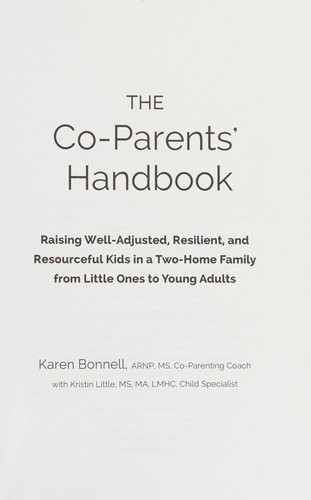
Offers a clear framework for working with your ex, from communication to schedules. Practical and calm.
Best for: separated parents.
2. Mom’s House, Dad’s House by Isolina Ricci
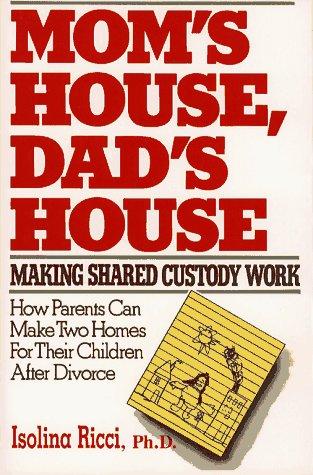
A classic guide to making two households work for children.
Best for: parents building two homes.
3. The Good Divorce by Constance Ahrons
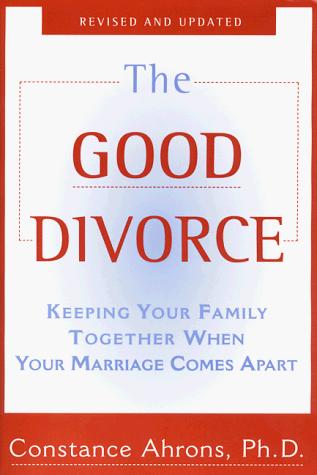
Based on research, shows how families can stay healthy after divorce.
Best for: parents who want hope.
4. Co-Parenting with a Toxic Ex by Amy J. L. Baker and Paul R. Fine
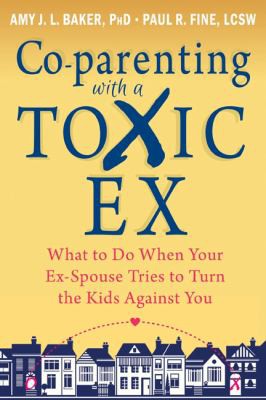
Offers strategies for parallel parenting and protecting children from conflict.
Best for: parents facing a difficult ex.
5. Joint Custody with a Jerk by Julie A. Ross and Judy Corcoran
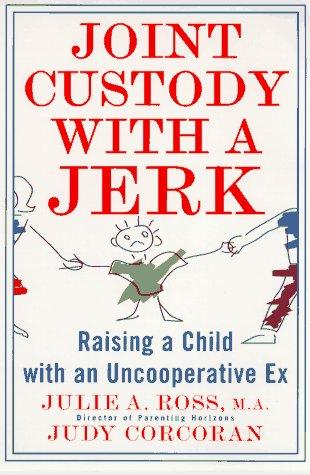
Provides tactics for dealing with a difficult co-parent.
Best for: parents in tough situations.
6. BIFF: Quick Responses to High-Conflict People by Bill Eddy
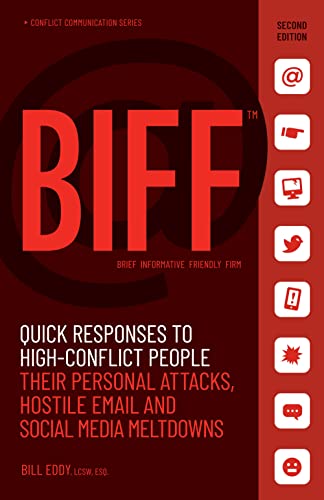
Teaches how to write responses that are Brief, Informative, Friendly and Firm.
Best for: parents managing hostile messages.
7. Divorce Poison by Richard A. Warshak
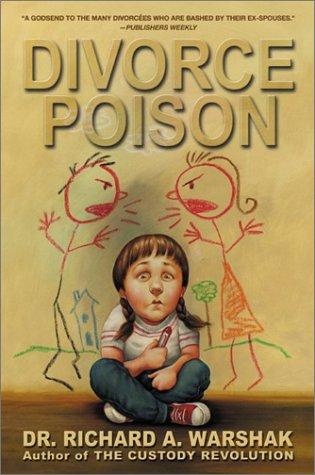
Discusses how children can be turned against a parent and what to do. Controversial but widely read.
Best for: parents worried about alienation.
8. Between Two Worlds by Elizabeth Marquardt
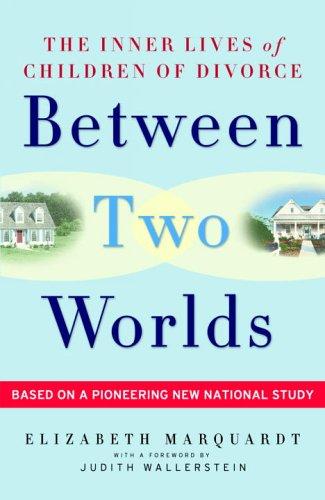
Based on research, describes the inner lives of children of divorce.
Best for: parents wanting to understand kids.
9. The Unexpected Legacy of Divorce by Judith Wallerstein, Julia Lewis and Sandra Blakeslee
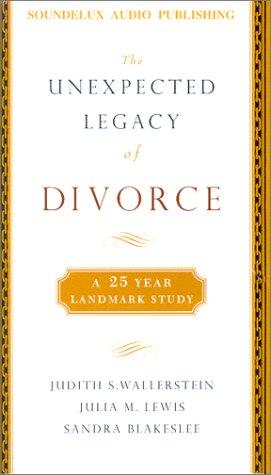
Follows children of divorce for 25 years.
Best for: readers who want data.
10. Putting Children First by JoAnne Pedro-Carroll
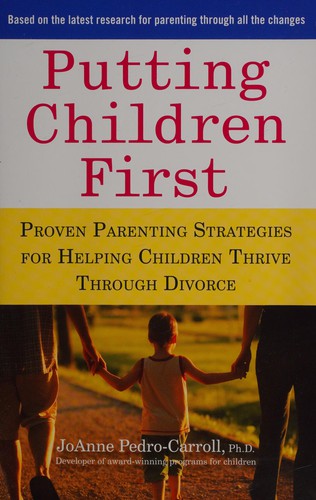
Offers advice from a psychologist on helping children cope.
Best for: parents who want to protect kids.
11. Divorce Is Not the End of the World by Zoe Stern and Evan Stern
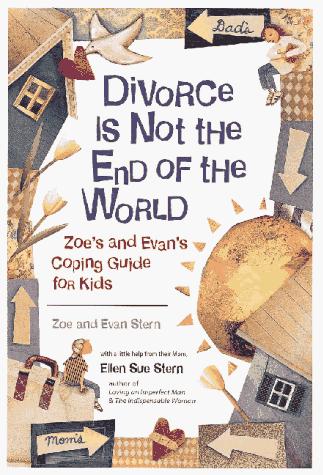
Written by two teens, it offers honest advice for young people coping with divorce.
Best for: children and teens.
12. The Whole-Brain Child by Daniel J. Siegel and Tina Payne Bryson
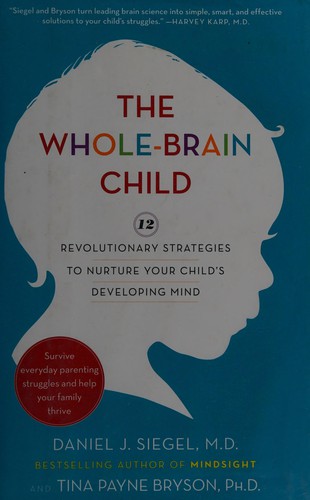
Strategies for helping kids handle big feelings.
Best for: parents with kids upset by change.
13. How to Talk So Kids Will Listen & Listen So Kids Will Talk by Adele Faber and Elaine Mazlish
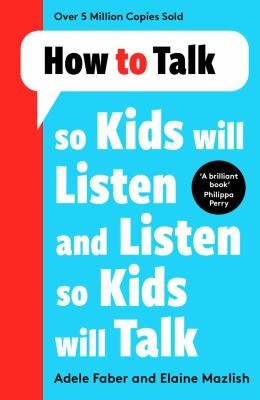
Classic communication skills.
Best for: parents talking with kids.
14. Good Inside by Becky Kennedy
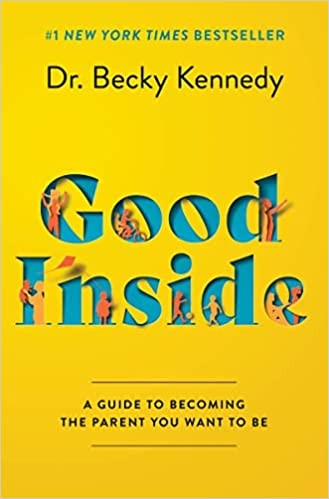
Encourages repair and boundaries.
Best for: parents who feel guilty.
15. Nonviolent Communication by Marshall B. Rosenberg

Teaches how to express needs without blame.
Best for: parents managing conflict.
How to Choose the Right Book on Co-Parenting
Choose by your situation. For cooperative co-parenting, The Co-Parenting Handbook, Mom’s House, Dad’s House and The Good Divorce are helpful. For high conflict, Co-Parenting with a Toxic Ex, Joint Custody with a Jerk and BIFF teach boundaries and communication. For understanding children’s experience, Between Two Worlds, The Unexpected Legacy of Divorce and Putting Children First give research. For talking with kids, The Whole-Brain Child and How to Talk So Kids Will Listen help. For kids themselves, Divorce Is Not the End of the World offers comfort.
Which Book Should You Start With? A Quick Guide
If you are not sure where to begin, match your situation to the list below.
- Separated parents: The Co-Parenting Handbook
- Parents building two homes: Mom’s House, Dad’s House
- Parents who want hope: The Good Divorce
- Parents facing a difficult ex: Co-Parenting with a Toxic Ex
- Parents in tough situations: Joint Custody with a Jerk
- Parents managing hostile messages: BIFF: Quick Responses to High-Conflict People
- Parents worried about alienation: Divorce Poison
- Parents wanting to understand kids: Between Two Worlds
- Readers who want data: The Unexpected Legacy of Divorce
- Parents who want to protect kids: Putting Children First
- Children and teens: Divorce Is Not the End of the World
- Parents with kids upset by change: The Whole-Brain Child
- Parents talking with kids: How to Talk So Kids Will Listen & Listen So Kids Will Talk
- Parents who feel guilty: Good Inside
- Parents managing conflict: Nonviolent Communication
A Simple Reading Plan
A sensible order helps you build momentum. Open with The Co-Parenting Handbook, which is accessible and encouraging, and finish it before you buy anything else. Next, choose Mom’s House, Dad’s House to deepen what you learned, then The Good Divorce when you are ready for a different voice or a more demanding read. Between books, take a few days to try something you learned, because co-parenting is easier to understand once you have tested it in real life. Keep a simple note on your phone with the title, your rating and one takeaway for each book you complete.
Print, E-Book or Audiobook?
Print, e-book and audiobook each suit different readers. Print is best for books you want to mark up and return to, which is useful for practical guides on co-parenting. E-books are cheap, portable and easy to search, and they make it simple to highlight a passage and find it again later. Audiobooks turn commutes, chores and walks into reading time, and a good narrator can make a heavy book on co-parenting easier to take in. Your public library offers all three through apps like Libby, so you can try a title before buying it. Many readers use two formats for the same book, listening first and then skimming a print copy for notes.
How to Get More From What You Read
To get more from these books, read with a pen and a question. Decide before you start what you hope to learn about co-parenting, and check at the end of each chapter whether you found it. Mark passages that feel true for you, and write down the ones you disagree with, since disagreement is also learning. Pick one practice from each book and try it for two weeks before judging it. Talking about the ideas with someone you trust, or writing a few lines in a journal, helps them move from your head into your life. Be patient with yourself; change comes in small steps.
Reading on a Budget
You do not need to buy all of these books. Your public library likely lends print, e-book and audiobook copies of many titles on co-parenting for free, and the hold feature lets you queue for popular ones. Used paperbacks are usually a few dollars, and thrift stores, library sales and swap groups are good sources. If you want to own a book you will mark up, buy the print edition; if you want to try several, borrow first and buy only the ones you finish and love. Subscription audiobook services often offer a free trial that covers a first title, and some libraries partner with apps that need only a library card.
Talk About What You Read
Reading on your own is valuable, and reading with others adds accountability. Consider forming a small book club around co-parenting, taking turns to choose a title from this list. Meet monthly, ask each person to share one idea and one action, and keep the tone supportive rather than competitive. If your friends are not interested, look for a local library group or an online community. A shared conversation helps you notice things you missed, and the encouragement of others makes it easier to keep going when progress feels slow.
Common Mistakes to Avoid
Three mistakes come up again and again. First, readers choose a book that is too advanced or too long and give up on the topic altogether, so start with an accessible title. Second, they read passively, without notes or a plan to use what they learn about co-parenting. Third, they expect immediate results and quit when the change is slow. Avoid these by starting small, taking notes and giving each idea at least two weeks. If a book does not suit you, move on; the list above has plenty of other voices.
How to Judge a Book on Co-parenting
Not every book on co-parenting is equally reliable. Before you trust one, check the author’s background: are they a researcher, clinician, journalist or someone writing from lived experience? Each can be valuable, but they offer different things. Look for notes and references at the back, which show the claims can be checked. Be wary of books that promise a quick fix, rely on a single story or dismiss all other views. Read a few reviews from people with different perspectives, and treat bold claims as hypotheses to test in your own life. A good book invites questions instead of demanding agreement.
When Reading Is Not Enough
Reading can illuminate and encourage, yet some situations need more than a book. If you notice that your struggles with co-parenting are getting worse, lasting a long time or affecting your health, reach out to a professional you trust. Local libraries, community centers and workplaces often offer free resources, classes or referrals. Sharing what you are reading with a friend can open the door to a supportive conversation. Use these books as companions on the journey, and let real people walk it with you.
Questions to Reflect On
Keep these in a notebook and return to them after each book:
- What do I most want to understand or change about {t}?
- Which idea from my reading feels true for me, and which do I doubt?
- What is one small action I can take this week?
- Who could I talk to about what I am learning?
- How will I know in a month that this reading helped?
Tips for Reading About Co-parenting
- Keep kids out of the middle. Do not use them as messengers.
- Stay consistent. Routines help children.
- Communicate in writing. Short, neutral messages reduce conflict.
- Speak well of the other parent. Children notice.
- Get support. Therapists and mediators can help.
Related: 15 Best Books on Raising Girls and the Body Keeps the Score Summary and Key Takeaways.
Frequently Asked Questions
What is the best book on co-parenting?
The Co-Parenting Handbook and Mom’s House, Dad’s House are popular for cooperative situations.
What is parallel parenting?
A model for high-conflict situations in which parents engage minimally and handle matters separately.
Do I need legal advice?
Yes, for custody and schedule decisions. These books are educational.
How many books on co-parenting should I read at once?
One or two at a time is plenty. Finish a book, try one idea from it and then move on, so what you read turns into something you do.
Are these books on co-parenting available as audiobooks?
Most of them are. Check your library’s app, such as Libby, or an audiobook service, and listen to a sample to see whether the narrator suits you.