
Disclosure: As an Amazon Associate, Bookish Wisdom earns from qualifying purchases. This doesn’t change our picks or your price.
Quick answer: The best books on raising girls include Untangled, Reviving Ophelia, Under Pressure, Odd Girl Out, The Curse of the Good Girl and Enough as She Is. Start with Untangled and Reviving Ophelia, then add Odd Girl Out if relational aggression is a concern.
Girls today grow up with more opportunities than ever and also with unique pressures: perfectionism, body image, social media and relational conflict. Parents often wonder how to help daughters build confidence without making them feel they must do everything perfectly. The books in this list provide research, stories and strategies from psychologists, journalists and educators. They cover friendships, anxiety, sexuality, self-esteem and the transition into adolescence. Some are warm and reassuring, others sobering. Read with an open mind, and remember that each girl is different. Your steady support, curiosity and willingness to listen can make a bigger difference than any perfect script.
Table of Contents
Quick Picks at a Glance
| Book | Author | Focus | Best For |
|---|---|---|---|
| Untangled | Lisa Damour | Development | parents of girls |
| Reviving Ophelia | Mary Pipher | Adolescence | parents who want depth |
| Under Pressure | Lisa Damour | Stress | parents of anxious girls |
| Odd Girl Out | Rachel Simmons | Relational aggression | parents worried about friendships |
| The Curse of the Good Girl | Rachel Simmons | Perfectionism | parents of pleasers |
| Enough as She Is | Rachel Simmons | Pressure | parents of high-achieving girls |
| Queen Bees and Wannabes | Rosalind Wiseman | Cliques | parents and teens |
| The Triple Bind | Stephen Hinshaw | Pressure | parents who want research |
| Girls & Sex | Peggy Orenstein | Sexuality | parents of older teens |
| Cinderella Ate My Daughter | Peggy Orenstein | Culture | parents of young girls |
| Strong Fathers, Strong Daughters | Meg Meeker | Fathers | fathers |
| Brave, Not Perfect | Reshma Saujani | Courage | parents and girls |
| The Confidence Code | Katty Kay and Claire Shipman | Confidence | parents interested in research |
| Hold On to Your Kids | Gordon Neufeld and Gabor Maté | Attachment | parents worried about peer influence |
| Good Inside | Becky Kennedy | Connection | parents wanting scripts |
1. Untangled by Lisa Damour
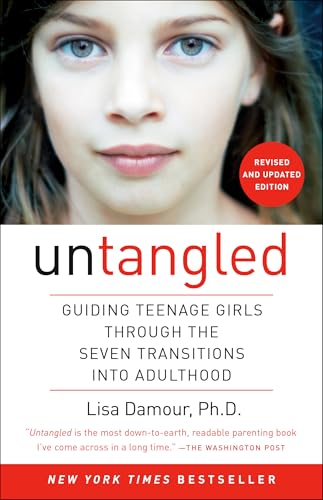
Damour describes seven transitions girls navigate, from parting with childhood to caring for their bodies. Reassuring, practical and wise.
Best for: parents of girls.
2. Reviving Ophelia by Mary Pipher
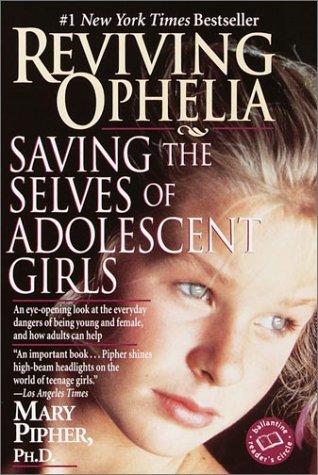
Pipher, a psychologist, describes how girls lose confidence in adolescence and how to help. A classic from 1994 that still resonates.
Best for: parents who want depth.
3. Under Pressure by Lisa Damour
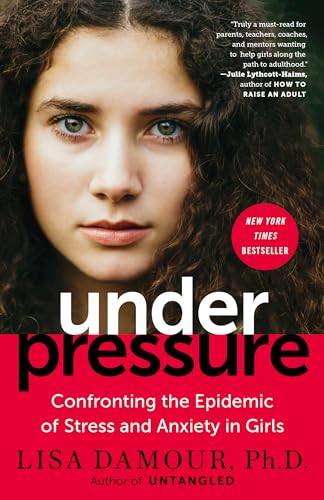
Explains that stress and anxiety are normal and shows how to help girls cope.
Best for: parents of anxious girls.
4. Odd Girl Out by Rachel Simmons
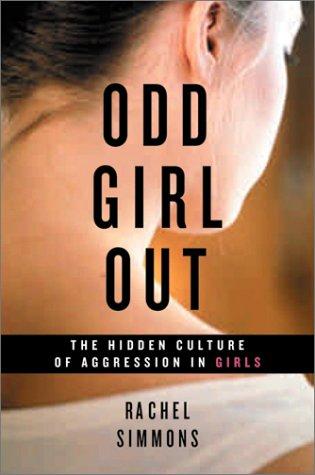
Describes hidden aggression among girls and how to respond.
Best for: parents worried about friendships.
5. The Curse of the Good Girl by Rachel Simmons
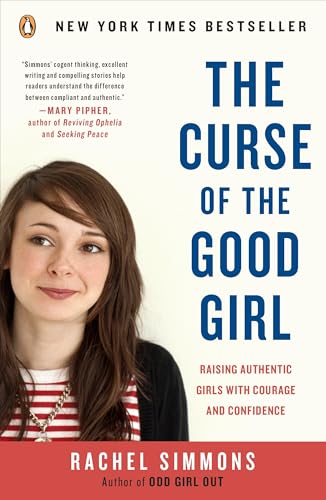
Argues that girls are taught to please and shows how to nurture authenticity.
Best for: parents of pleasers.
6. Enough as She Is by Rachel Simmons
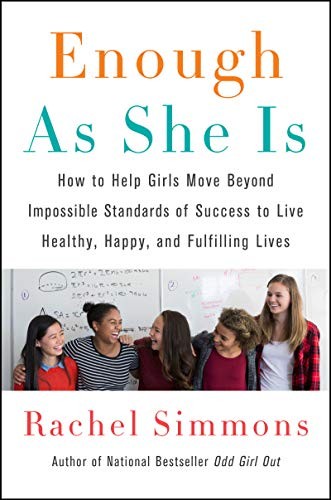
Explores stress and perfectionism among girls and ways to support them.
Best for: parents of high-achieving girls.
7. Queen Bees and Wannabes by Rosalind Wiseman
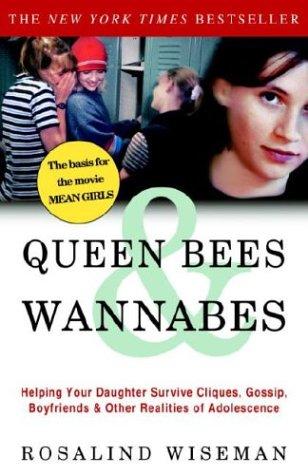
Explains girl social hierarchies and gives advice for handling them. The basis for the film Mean Girls.
Best for: parents and teens.
8. The Triple Bind by Stephen Hinshaw
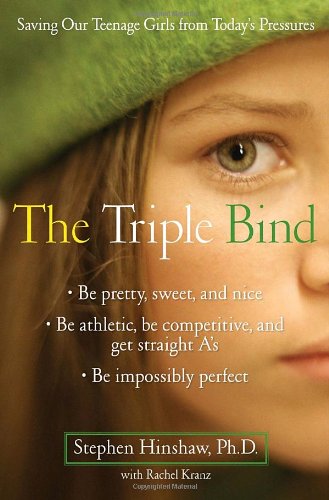
Describes mixed messages girls face and how to help.
Best for: parents who want research.
9. Girls & Sex by Peggy Orenstein
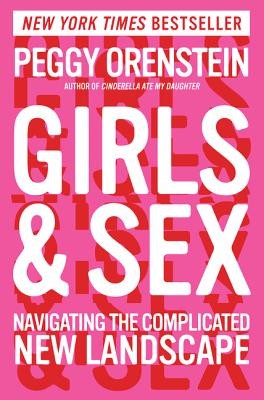
Based on interviews with young women, it explores hookups and pleasure. Frank and informative. Content note: frank discussion of sex.
Best for: parents of older teens.
10. Cinderella Ate My Daughter by Peggy Orenstein
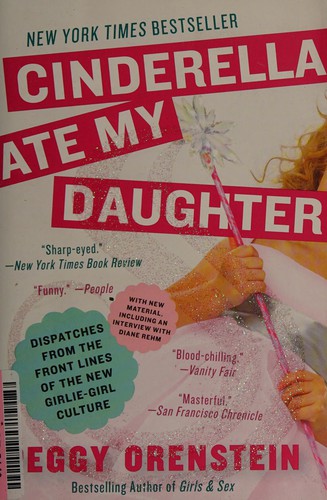
Examines princess culture and its effects. Witty and thoughtful.
Best for: parents of young girls.
11. Strong Fathers, Strong Daughters by Meg Meeker
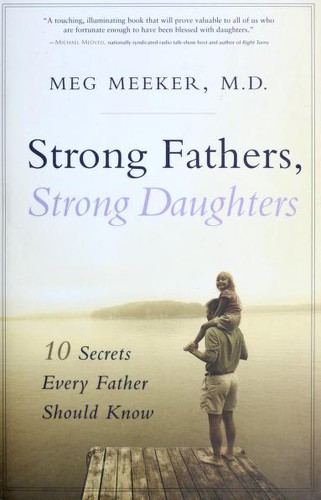
A pediatrician encourages fathers to build strong bonds. Some views are traditional.
Best for: fathers.
12. Brave, Not Perfect by Reshma Saujani
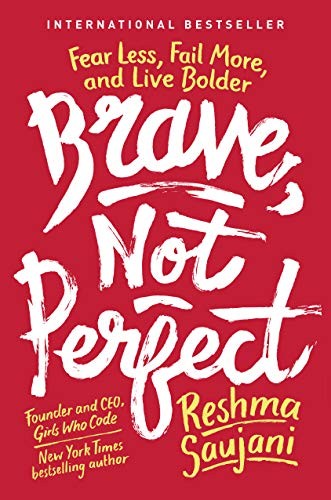
Argues that girls should be encouraged to take risks.
Best for: parents and girls.
13. The Confidence Code by Katty Kay and Claire Shipman
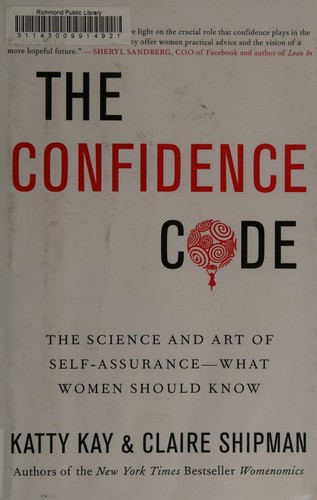
Explores how confidence is built.
Best for: parents interested in research.
14. Hold On to Your Kids by Gordon Neufeld and Gabor Maté

Argues for strong parental attachment.
Best for: parents worried about peer influence.
15. Good Inside by Becky Kennedy
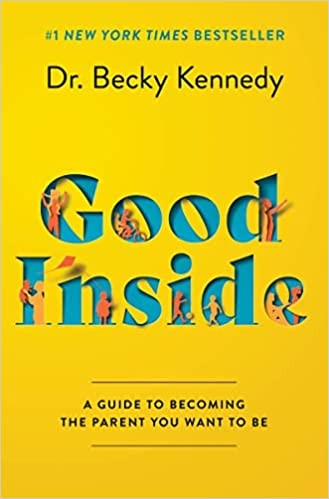
Offers ways to repair and connect.
Best for: parents wanting scripts.
How to Choose the Right Book on Raising Girls
Choose by concern. For adolescent development, Untangled and Reviving Ophelia are classics. For stress and perfectionism, Under Pressure, The Triple Bind and Brave, Not Perfect offer insight. For friendships and bullying, Odd Girl Out, Queen Bees and Wannabes and The Curse of the Good Girl are helpful. For sexuality and culture, Girls & Sex and Cinderella Ate My Daughter provide context. For fathers, Strong Fathers, Strong Daughters addresses their role. For confidence, The Confidence Code has a section for girls.
Which Book Should You Start With? A Quick Guide
If you are not sure where to begin, match your situation to the list below.
- Parents of girls: Untangled
- Parents who want depth: Reviving Ophelia
- Parents of anxious girls: Under Pressure
- Parents worried about friendships: Odd Girl Out
- Parents of pleasers: The Curse of the Good Girl
- Parents of high-achieving girls: Enough as She Is
- Parents and teens: Queen Bees and Wannabes
- Parents who want research: The Triple Bind
- Parents of older teens: Girls & Sex
- Parents of young girls: Cinderella Ate My Daughter
- Fathers: Strong Fathers, Strong Daughters
- Parents and girls: Brave, Not Perfect
- Parents interested in research: The Confidence Code
- Parents worried about peer influence: Hold On to Your Kids
- Parents wanting scripts: Good Inside
A Simple Reading Plan
Treat this list as a menu, not an assignment. Start with Untangled, because it gives you a clear overview of raising girls without demanding much from you. Read in short sessions and underline or note the passages that make you stop. After a week or two, move to Reviving Ophelia for a different angle, then Under Pressure when you want more depth. Spacing the books out gives the ideas time to settle, and applying one small idea per week is worth more than rushing through the whole shelf. Revisit your notes at the end of each month to see what has actually changed.
Print, E-Book or Audiobook?
Format matters more than people expect. If you tend to forget what you read, choose print or an e-book so you can underline and review. If your time is limited, audiobooks fit into the gaps of your day. For a topic like raising girls, short chapters are an advantage, since you can finish one in a single sitting and think about it afterward. Libraries lend e-books and audiobooks free, and many offer print copies of new releases through holds. Try one format for a week and switch if it is not working.
How to Get More From What You Read
Reading about raising girls only helps if something changes afterward, so build a small habit around it. Keep a notebook or a notes app, and after each chapter write one sentence about what stood out and one action you could take. Choose a single idea per week to test, such as a new routine, a conversation or a different way of thinking. Discuss what you are reading with a friend, a partner or an online group, since explaining an idea out loud makes it stick. Review your notes monthly and drop anything that did not help. The aim is progress you can notice, not a long reading list.
Reading on a Budget
Good books on raising girls are easier to afford than most people think. Library cards open up print, e-book and audiobook borrowing, and interlibrary loan can find titles your branch does not own. Used copies cost a fraction of new ones, and many of the classics are inexpensive in paperback. Try a sample chapter online to see whether an author’s voice suits you before you commit. If you finish a book you love, consider passing it to a friend, which keeps the ideas moving and your shelf uncluttered.
Talk About What You Read
Ideas stick when you talk about them. Choose one book from this list and invite a friend, partner or colleague to read it with you, then meet for coffee to compare notes on raising girls. Online communities and library groups also host discussions, and many of these books have free reading guides. If you prefer privacy, a journal works well: write a paragraph after each chapter on what you agree with, what you doubt and what you will try. Teaching an idea to someone else is one of the best ways to learn it, so explain what you read in your own words.
Common Mistakes to Avoid
A few pitfalls are worth avoiding. Do not buy a dozen books on raising girls in one go; borrow one, finish it and then decide what to read next. Do not expect a single book to transform your life overnight, since the best ones work through small, repeated actions. Be cautious of any author who promises guaranteed results, and check an author’s credentials and sources. Finally, do not use reading as a way of avoiding action. If you notice yourself finishing book after book without changing anything, pick one idea and practice it this week.
How to Judge a Book on Raising girls
A few quick checks can save you time when choosing a book on raising girls. Look at who wrote it and what qualifies them. See whether the author cites research or sources, and whether those sources are recent enough to matter. Notice the tone: honest authors admit limits and exceptions, while less reliable ones speak in absolutes. Skim the table of contents and a sample chapter, and read both enthusiastic and critical reviews. If a claim seems too good to be true, search for what other experts say. Reading widely across several authors is the best protection against any single voice.
When Reading Is Not Enough
Books are a good start, but they are not the whole answer to every situation involving raising girls. If your difficulties interfere with sleep, work, relationships or safety, talk with a doctor, counselor or other qualified professional. Support groups, whether in person or online, can give you something books cannot: people who understand and respond. Friends and family can help if you let them know what you need. Think of your reading as one part of a larger toolkit, and do not hesitate to add other tools. Asking for help is a sign of strength and often speeds progress.
Questions to Reflect On
Keep these in a notebook and return to them after each book:
- What do I most want to understand or change about {t}?
- Which idea from my reading feels true for me, and which do I doubt?
- What is one small action I can take this week?
- Who could I talk to about what I am learning?
- How will I know in a month that this reading helped?
Tips for Reading About Raising girls
- Listen without fixing. Sometimes she needs to vent.
- Praise effort. Avoid appearance-based praise.
- Watch social media. Talk about comparison.
- Model confidence. Girls watch how adults treat themselves.
- Keep the door open. Be available.
Related: 15 Best Books on Raising Boys and atomic Habits Summary and Key Takeaways.
Frequently Asked Questions
What is the best book on raising girls?
Untangled and Reviving Ophelia are widely recommended.
How can I help my daughter with friendship problems?
Listen, role-play responses and read Odd Girl Out for insight.
When should I seek help?
If your daughter shows persistent sadness, anxiety, eating changes or self-harm, talk to a professional.
How many books on raising girls should I read at once?
One or two at a time is plenty. Finish a book, try one idea from it and then move on, so what you read turns into something you do.
Are these books on raising girls available as audiobooks?
Most of them are. Check your library’s app, such as Libby, or an audiobook service, and listen to a sample to see whether the narrator suits you.