
Disclosure: As an Amazon Associate, Bookish Wisdom earns from qualifying purchases. This doesn’t change our picks or your price.
Quick answer: The best books on codependency include Codependent No More, Beyond Codependency, The Language of Letting Go, Facing Codependence, The Human Magnet Syndrome and Conquering Shame and Codependency. Start with Codependent No More, then add Set Boundaries, Find Peace for practical limits.
If you are in an abusive relationship, help is available. In the United States, call the National Domestic Violence Hotline at 1-800-799-7233.
Codependency describes a pattern in which a person’s sense of worth depends on taking care of, pleasing or controlling someone else, often at the expense of their own needs. It often grows in families affected by addiction, illness or emotional neglect, and it shows up in friendships, romance and work. Recognizing the pattern can be a relief, because it explains why saying no feels frightening and why other people’s moods feel like your responsibility. The books in this list include recovery classics, modern guides and related works on boundaries and emotional immaturity. Many are linked to twelve-step traditions, though not all are religious. Read with self-compassion, and consider a therapist or support group alongside your reading.
Table of Contents
Quick Picks at a Glance
| Book | Author | Focus | Best For |
|---|---|---|---|
| Codependent No More | Melody Beattie | Classic | readers new to the topic |
| Beyond Codependency | Melody Beattie | Recovery | readers who want next steps |
| The Language of Letting Go | Melody Beattie | Daily meditations | readers who like daily readings |
| Facing Codependence | Pia Mellody | Clinical guide | readers who want depth |
| The Human Magnet Syndrome | Ross Rosenberg | Relationship patterns | readers drawn to narcissists |
| Conquering Shame and Codependency | Darlene Lancer | Shame | readers who feel unworthy |
| Women Who Love Too Much | Robin Norwood | Relationship patterns | readers who repeat painful relationships |
| Toxic Parents | Susan Forward | Family | readers healing from parents |
| Set Boundaries, Find Peace | Nedra Glover Tawwab | Boundaries | readers learning to say no |
| The Dance of Anger | Harriet Lerner | Emotions | readers who suppress anger |
| Attached | Amir Levine and Rachel Heller | Attachment | readers curious about relationship styles |
| Adult Children of Emotionally Immature Parents | Lindsay C. Gibson | Family patterns | readers who feel responsible for parents |
| Radical Acceptance | Tara Brach | Mindfulness | readers who judge themselves |
| The Gifts of Imperfection | Brené Brown | Self-worth | readers who want a gentle read |
| Maybe You Should Talk to Someone | Lori Gottlieb | Memoir | readers considering therapy |
1. Codependent No More by Melody Beattie
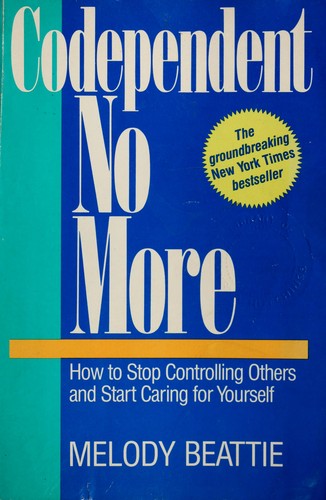
Beattie’s 1986 bestseller defines codependency and offers a path to recovery through detachment and self-care. Warm, direct and influential, though rooted in twelve-step language.
Best for: readers new to the topic.
2. Beyond Codependency by Melody Beattie
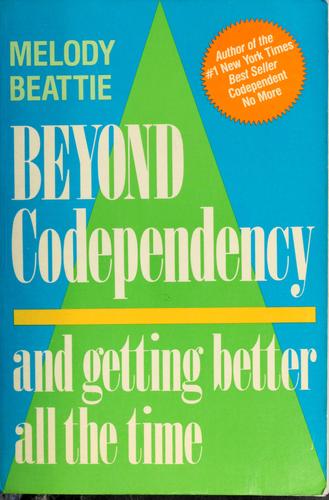
A follow-up that focuses on growth after recognizing codependent patterns. Includes practical tools.
Best for: readers who want next steps.
3. The Language of Letting Go by Melody Beattie
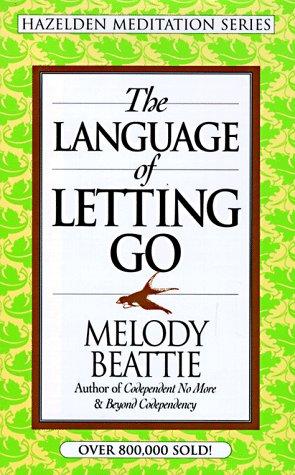
366 short daily meditations on detachment and self-care. Good for morning reflection.
Best for: readers who like daily readings.
4. Facing Codependence by Pia Mellody
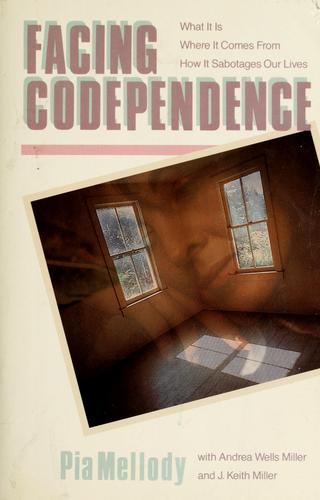
Mellody explains how childhood experiences lead to codependence and describes five core symptoms. More clinical than Beattie.
Best for: readers who want depth.
5. The Human Magnet Syndrome by Ross Rosenberg
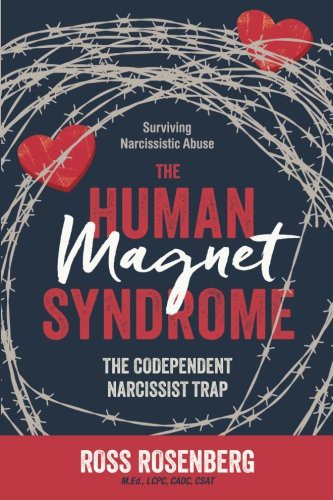
Explains how codependents and narcissists attract each other and describes the dynamic. Clear and practical, though sometimes simplified.
Best for: readers drawn to narcissists.
6. Conquering Shame and Codependency by Darlene Lancer
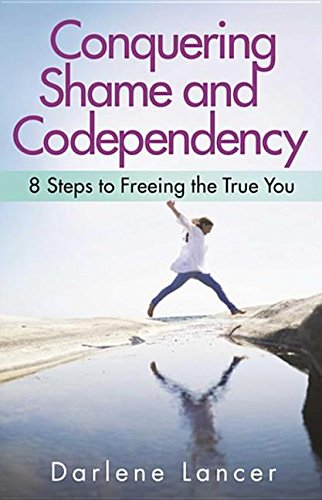
Lancer connects codependency with shame and offers steps to heal. Includes exercises.
Best for: readers who feel unworthy.
7. Women Who Love Too Much by Robin Norwood
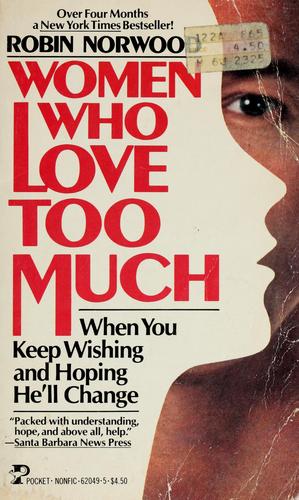
A 1985 classic about women who pursue unavailable partners. Dated in tone but still resonant.
Best for: readers who repeat painful relationships.
8. Toxic Parents by Susan Forward
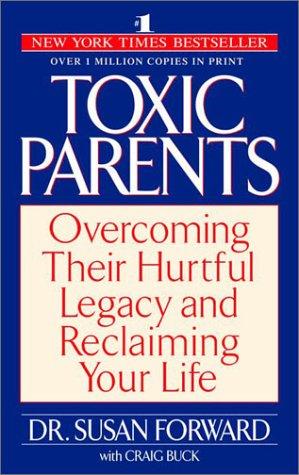
Forward describes types of damaging parents and offers ways to heal. Practical and validating.
Best for: readers healing from parents.
9. Set Boundaries, Find Peace by Nedra Glover Tawwab
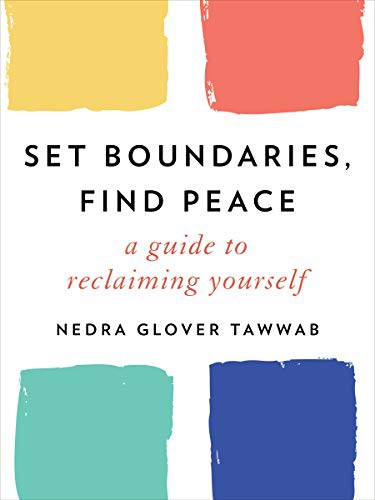
A therapist explains how to set limits in all relationships. Practical scripts and examples.
Best for: readers learning to say no.
10. The Dance of Anger by Harriet Lerner
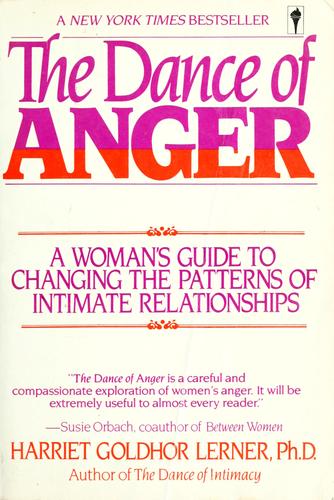
Lerner shows how to use anger as information and change relationship patterns. Warm and wise.
Best for: readers who suppress anger.
11. Attached by Amir Levine and Rachel Heller
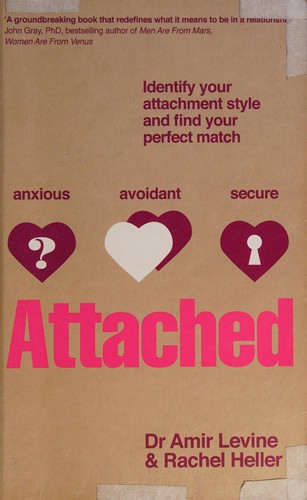
Explains anxious, avoidant and secure attachment and how they play out in romantic relationships.
Best for: readers curious about relationship styles.
12. Adult Children of Emotionally Immature Parents by Lindsay C. Gibson
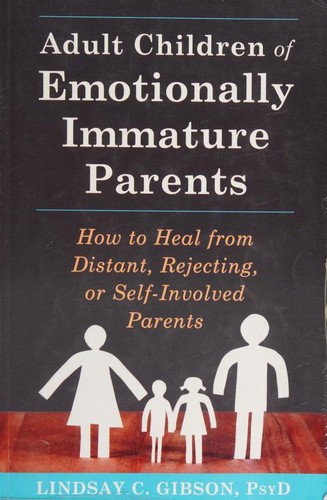
Describes emotionally immature parenting and how to protect your inner world.
Best for: readers who feel responsible for parents.
13. Radical Acceptance by Tara Brach
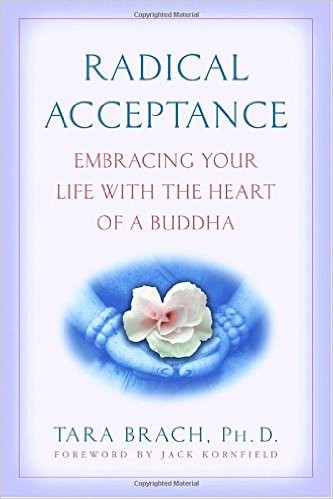
Combines psychology and mindfulness to help readers treat themselves with kindness.
Best for: readers who judge themselves.
14. The Gifts of Imperfection by Brené Brown
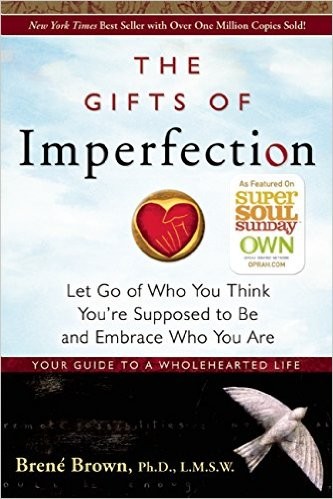
Brown encourages wholehearted living and letting go of what others think.
Best for: readers who want a gentle read.
15. Maybe You Should Talk to Someone by Lori Gottlieb
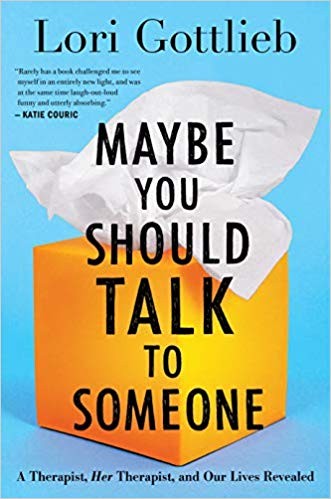
A therapist writes about her own therapy and her patients’ stories. Funny, moving and encouraging.
Best for: readers considering therapy.
How to Choose the Right Book on Codependency
If you are new to the topic, start with Codependent No More, which defined the term for many readers. If you want deeper clinical guidance, Facing Codependence and Conquering Shame and Codependency explain how it develops. If you recognize a pull toward needy or narcissistic partners, The Human Magnet Syndrome and Women Who Love Too Much address that cycle. For daily reflections, The Language of Letting Go is gentle. And for practical limits, Set Boundaries, Find Peace and The Dance of Anger are strong follow-ups.
Which Book Should You Start With? A Quick Guide
If you are not sure where to begin, match your situation to the list below.
- Readers new to the topic: Codependent No More
- Readers who want next steps: Beyond Codependency
- Readers who like daily readings: The Language of Letting Go
- Readers who want depth: Facing Codependence
- Readers drawn to narcissists: The Human Magnet Syndrome
- Readers who feel unworthy: Conquering Shame and Codependency
- Readers who repeat painful relationships: Women Who Love Too Much
- Readers healing from parents: Toxic Parents
- Readers learning to say no: Set Boundaries, Find Peace
- Readers who suppress anger: The Dance of Anger
- Readers curious about relationship styles: Attached
- Readers who feel responsible for parents: Adult Children of Emotionally Immature Parents
- Readers who judge themselves: Radical Acceptance
- Readers who want a gentle read: The Gifts of Imperfection
- Readers considering therapy: Maybe You Should Talk to Someone
A Simple Reading Plan
Treat this list as a menu, not an assignment. Start with Codependent No More, because it gives you a clear overview of codependency without demanding much from you. Read in short sessions and underline or note the passages that make you stop. After a week or two, move to Beyond Codependency for a different angle, then The Language of Letting Go when you want more depth. Spacing the books out gives the ideas time to settle, and applying one small idea per week is worth more than rushing through the whole shelf. Revisit your notes at the end of each month to see what has actually changed.
Print, E-Book or Audiobook?
Format matters more than people expect. If you tend to forget what you read, choose print or an e-book so you can underline and review. If your time is limited, audiobooks fit into the gaps of your day. For a topic like codependency, short chapters are an advantage, since you can finish one in a single sitting and think about it afterward. Libraries lend e-books and audiobooks free, and many offer print copies of new releases through holds. Try one format for a week and switch if it is not working.
How to Get More From What You Read
Reading about codependency only helps if something changes afterward, so build a small habit around it. Keep a notebook or a notes app, and after each chapter write one sentence about what stood out and one action you could take. Choose a single idea per week to test, such as a new routine, a conversation or a different way of thinking. Discuss what you are reading with a friend, a partner or an online group, since explaining an idea out loud makes it stick. Review your notes monthly and drop anything that did not help. The aim is progress you can notice, not a long reading list.
Reading on a Budget
Good books on codependency are easier to afford than most people think. Library cards open up print, e-book and audiobook borrowing, and interlibrary loan can find titles your branch does not own. Used copies cost a fraction of new ones, and many of the classics are inexpensive in paperback. Try a sample chapter online to see whether an author’s voice suits you before you commit. If you finish a book you love, consider passing it to a friend, which keeps the ideas moving and your shelf uncluttered.
Talk About What You Read
Ideas stick when you talk about them. Choose one book from this list and invite a friend, partner or colleague to read it with you, then meet for coffee to compare notes on codependency. Online communities and library groups also host discussions, and many of these books have free reading guides. If you prefer privacy, a journal works well: write a paragraph after each chapter on what you agree with, what you doubt and what you will try. Teaching an idea to someone else is one of the best ways to learn it, so explain what you read in your own words.
Common Mistakes to Avoid
A few pitfalls are worth avoiding. Do not buy a dozen books on codependency in one go; borrow one, finish it and then decide what to read next. Do not expect a single book to transform your life overnight, since the best ones work through small, repeated actions. Be cautious of any author who promises guaranteed results, and check an author’s credentials and sources. Finally, do not use reading as a way of avoiding action. If you notice yourself finishing book after book without changing anything, pick one idea and practice it this week.
How to Judge a Book on Codependency
A few quick checks can save you time when choosing a book on codependency. Look at who wrote it and what qualifies them. See whether the author cites research or sources, and whether those sources are recent enough to matter. Notice the tone: honest authors admit limits and exceptions, while less reliable ones speak in absolutes. Skim the table of contents and a sample chapter, and read both enthusiastic and critical reviews. If a claim seems too good to be true, search for what other experts say. Reading widely across several authors is the best protection against any single voice.
When Reading Is Not Enough
Books are a good start, but they are not the whole answer to every situation involving codependency. If your difficulties interfere with sleep, work, relationships or safety, talk with a doctor, counselor or other qualified professional. Support groups, whether in person or online, can give you something books cannot: people who understand and respond. Friends and family can help if you let them know what you need. Think of your reading as one part of a larger toolkit, and do not hesitate to add other tools. Asking for help is a sign of strength and often speeds progress.
Questions to Reflect On
Keep these in a notebook and return to them after each book:
- What do I most want to understand or change about {t}?
- Which idea from my reading feels true for me, and which do I doubt?
- What is one small action I can take this week?
- Who could I talk to about what I am learning?
- How will I know in a month that this reading helped?
Tips for Reading About Codependency
- Notice caretaking. Ask if your help is a choice or a compulsion.
- Practice small no’s. Start with low-stakes situations.
- Find support. A group or counselor can help.
- Care for yourself. Schedule rest and enjoyable activities.
- Be patient. Patterns change slowly.
Related: 15 Best Books on Inner Child Healing and the Subtle Art of Not Giving a F*ck Summary and Key Takeaways.
Frequently Asked Questions
What is the best book on codependency?
Codependent No More by Melody Beattie is the classic. Facing Codependence is a more clinical option.
Is codependency a diagnosis?
It is not an official diagnosis, but therapists use the term to describe a pattern of relationships.
Can I recover from codependency?
Yes. Many people improve with awareness, boundaries and support.
How many books on codependency should I read at once?
One or two at a time is plenty. Finish a book, try one idea from it and then move on, so what you read turns into something you do.
Are these books on codependency available as audiobooks?
Most of them are. Check your library’s app, such as Libby, or an audiobook service, and listen to a sample to see whether the narrator suits you.