
Disclosure: As an Amazon Associate, Bookish Wisdom earns from qualifying purchases. This doesn’t change our picks or your price.
Quick answer: The best books on Hiroshima and Nagasaki tell the story of the atomic bombings of August 1945 and the people who survived them. Start with Hiroshima by John Hersey, Nagasaki by Susan Southard, Hiroshima Diary by Michihiko Hachiya, Black Rain by Masuji Ibuse and Sadako and the Thousand Paper Cranes by Eleanor Coerr.
On August 6, 1945, the United States dropped an atomic bomb on Hiroshima, Japan. Three days later, a second bomb destroyed much of Nagasaki. Together they killed more than 100,000 people immediately and many more in the following months from burns, injuries and radiation sickness. Japan announced its surrender on August 15. The bombings ended World War II, began the nuclear age and are still debated: were they necessary, and what alternatives existed? The survivors, called hibakusha, have spent their lives telling their stories. The books below include classic reporting, survivors’ accounts, histories of the decision and powerful books for young readers. Content note: graphic injuries and death.
Table of Contents
Quick Picks at a Glance
| Book | Author | Type | Best For |
|---|---|---|---|
| Hiroshima | John Hersey | Journalism | The essential first read |
| Nagasaki: Life After Nuclear War | Susan Southard | Narrative history | Survivors’ lives |
| Hiroshima Diary | Michihiko Hachiya | Diary | A doctor’s eyewitness |
| Countdown 1945 | Chris Wallace | Narrative history | The decision |
| Shockwave | Stephen Walker | Narrative history | The final countdown |
| Hiroshima Nagasaki | Paul Ham | History | Questioning the decision |
| Downfall | Richard B. Frank | History | The end of the war |
| Racing the Enemy | Tsuyoshi Hasegawa | History | The Soviet factor |
| Fallout | Lesley M. M. Blume | Narrative history | The story behind Hersey |
| Day One | Peter Wyden | Narrative history | From Los Alamos to Hiroshima |
| Hiroshima: The World’s Bomb | Andrew J. Rotter | History | Global context |
| Black Rain | Masuji Ibuse | Novel | Classic Japanese literature |
| Barefoot Gen | Keiji Nakazawa | Graphic novel | Teens and adults |
| Sadako and the Thousand Paper Cranes | Eleanor Coerr | Children’s book | Ages 8–12 |
| Hiroshima No Pika | Toshi Maruki | Picture book | Ages 8 and up |
1. Hiroshima by John Hersey
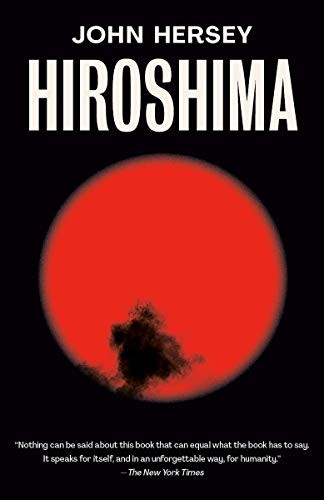
Hersey followed six survivors through the day of the bombing and its aftermath. First published in The New Yorker in 1946, it’s one of the most important pieces of journalism ever written.
2. Nagasaki: Life After Nuclear War by Susan Southard
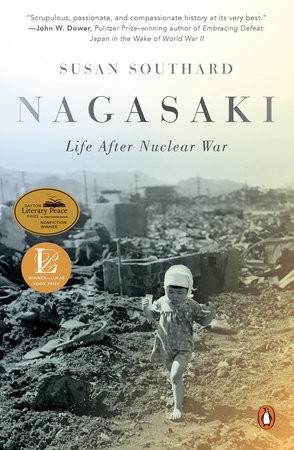
Southard follows five survivors of Nagasaki from 1945 through the rest of their lives. It’s moving, detailed and essential.
3. Hiroshima Diary by Michihiko Hachiya
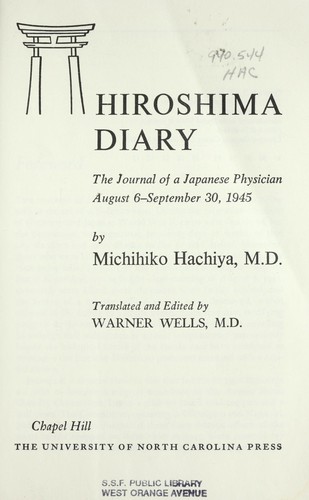
Hachiya, a Hiroshima hospital director who was himself injured, kept a diary of the weeks after the bombing. It’s calm, precise and harrowing.
4. Countdown 1945 by Chris Wallace
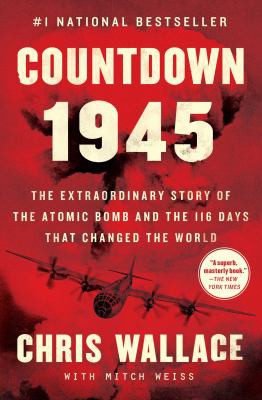
Wallace tells the story of the 116 days from Truman becoming president to the bombing of Hiroshima. It’s fast-paced and accessible.
5. Shockwave by Stephen Walker
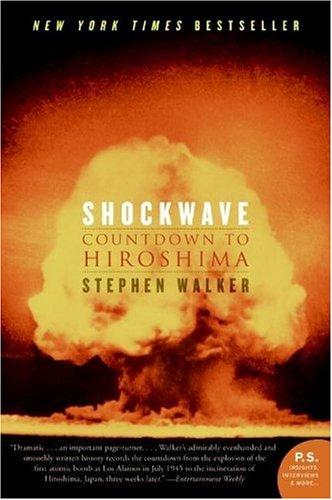
Walker tells the story of the three weeks before the Hiroshima bombing, from Los Alamos to Tinian to the city itself. It’s gripping and balanced.
6. Hiroshima Nagasaki by Paul Ham
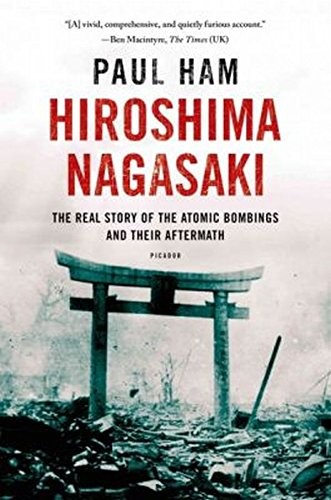
Ham examines the bombings from all sides and argues they weren’t necessary to end the war. It’s a provocative and thorough history.
7. Downfall by Richard B. Frank
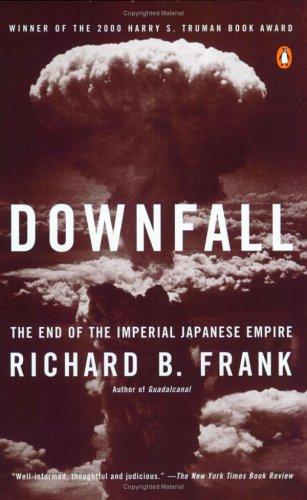
Frank examines the end of the Pacific War and argues the bombings were part of a complex series of events that forced Japan’s surrender. It’s a major work.
8. Racing the Enemy by Tsuyoshi Hasegawa
Hasegawa argues that the Soviet declaration of war on Japan was as important as the bombs in ending the war. It’s an influential reinterpretation.
9. Fallout by Lesley M. M. Blume
Blume tells how John Hersey reported Hiroshima and broke through government secrecy. It’s a fascinating journalism story.
10. Day One by Peter Wyden
Wyden tells the story of the bomb’s creation and use, with interviews from scientists, crew and survivors. It’s vivid and humane.
11. Hiroshima: The World’s Bomb by Andrew J. Rotter
Rotter places the bomb in an international story involving many countries and scientists. It’s concise and thoughtful.
12. Black Rain by Masuji Ibuse
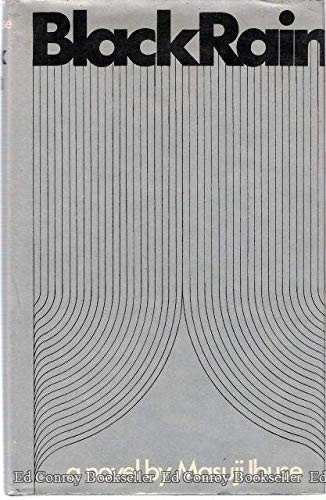
Based on survivors’ diaries, this novel follows a family affected by the “black rain” of radioactive fallout. It’s quiet, powerful and a classic of Japanese literature.
13. Barefoot Gen by Keiji Nakazawa
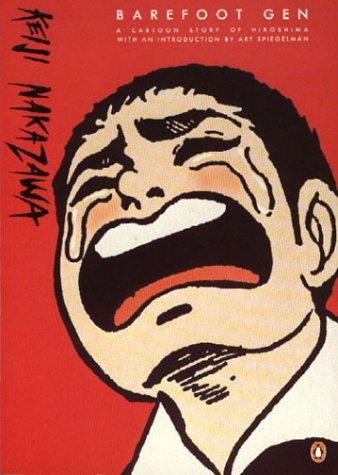
Nakazawa, a Hiroshima survivor, tells the story of a boy and his family before and after the bombing. It’s raw and unforgettable.
14. Sadako and the Thousand Paper Cranes by Eleanor Coerr
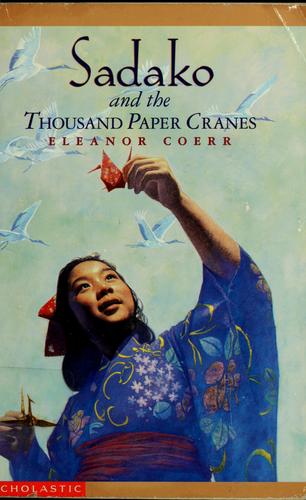
Sadako Sasaki developed leukemia ten years after the Hiroshima bombing and folded paper cranes hoping to get well. This short book is gentle and moving.
15. Hiroshima No Pika by Toshi Maruki
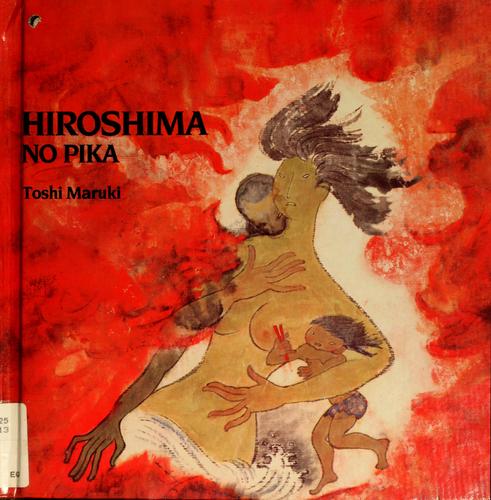
Maruki’s painted picture book tells the story of a girl and her mother on the day of the bombing. It’s powerful and best read with an adult.
Tips for Reading About Hiroshima and Nagasaki
- Start with Hersey. Hiroshima is short and essential.
- Read the survivors. Hachiya and Southard tell the human story.
- Learn the debate. Frank, Hasegawa and Ham disagree about the decision.
- Read Japanese voices. Black Rain and Barefoot Gen come from survivors’ experience.
- Choose carefully for kids. Sadako suits younger readers; Barefoot Gen is graphic.
- Visit if you can. The Hiroshima Peace Memorial Museum is deeply moving.
Related: best books on World War II and best books on Pearl Harbor.
Frequently Asked Questions
What is the best book about Hiroshima?
Hiroshima by John Hersey is the essential book, following six survivors of the bombing.
What is the best book about Nagasaki?
Nagasaki: Life After Nuclear War by Susan Southard follows five survivors through their lives after the bombing.
Is there a good book about Hiroshima for kids?
Sadako and the Thousand Paper Cranes by Eleanor Coerr is a gentle, moving book for ages 8 to 12.