
Disclosure: As an Amazon Associate, Bookish Wisdom earns from qualifying purchases. This doesn’t change our picks or your price.
Quick answer: The best books on the 1918 Spanish flu explain the deadliest pandemic of the 20th century. Start with The Great Influenza by John M. Barry, Pale Rider by Laura Spinney, Flu by Gina Kolata, America’s Forgotten Pandemic by Alfred W. Crosby and the novel The Pull of the Stars by Emma Donoghue.
In 1918, as World War I was ending, a new strain of influenza swept the world in several waves. It infected about a third of the world’s population and killed an estimated 50 million people, possibly more, far more than the war itself. Unusually, it hit healthy young adults hardest. It was called the “Spanish” flu only because neutral Spain’s newspapers reported it openly while warring countries censored news. Cities closed schools and theaters, masks were required in some places, and hospitals were overwhelmed. Since COVID-19, these books have found many new readers. Here are the best histories, science books and novels about the pandemic.
Table of Contents
Quick Picks at a Glance
| Book | Author | Type | Best For |
|---|---|---|---|
| The Great Influenza | John M. Barry | Narrative history | The essential first read |
| Pale Rider | Laura Spinney | Global history | The worldwide story |
| Flu | Gina Kolata | Science history | The hunt for the virus |
| America’s Forgotten Pandemic | Alfred W. Crosby | History | The classic study |
| Pandemic 1918 | Catharine Arnold | Narrative history | Eyewitness stories |
| Influenza 1918 | Lynette Iezzoni | Illustrated history | Visual learners |
| The Influenza Pandemic of 1918–1919 | Susan Kingsley Kent | Primary sources | Students |
| Hunting the 1918 Flu | Kirsty Duncan | Science memoir | Science lovers |
| Influenza | Jeremy Brown | Medical history | A doctor’s view |
| Spillover | David Quammen | Science writing | Where pandemics come from |
| Fever Year | Don Brown | Graphic nonfiction | Teens |
| The Pull of the Stars | Emma Donoghue | Novel | Book clubs |
| The Last Town on Earth | Thomas Mullen | Novel | Literary fiction fans |
| Pale Horse, Pale Rider | Katherine Anne Porter | Short novels | Classic literature |
| As Bright as Heaven | Susan Meissner | Novel | Historical fiction fans |
1. The Great Influenza by John M. Barry
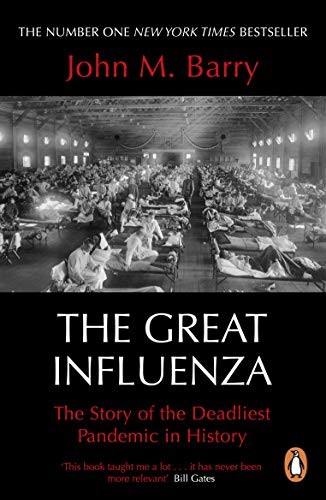
Barry tells the story of the pandemic and the scientists who fought it, with special focus on the United States. It’s gripping, detailed and the most popular book on the subject.
2. Pale Rider by Laura Spinney
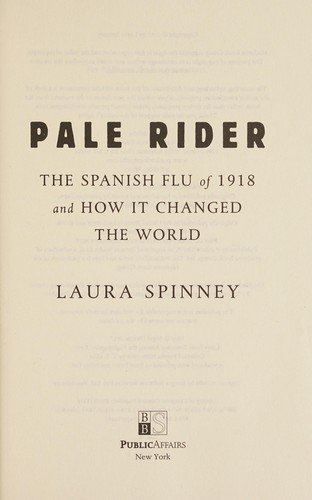
Spinney shows how the pandemic affected countries from Brazil and India to South Africa and Iran. It’s a fresh, global view.
3. Flu by Gina Kolata
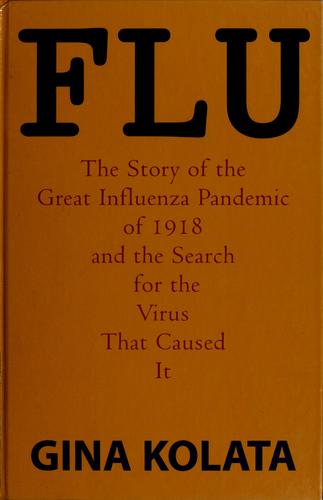
Kolata, a New York Times science writer, tells the story of the pandemic and the decades-long scientific search for the virus. It reads like a detective story.
4. America’s Forgotten Pandemic by Alfred W. Crosby
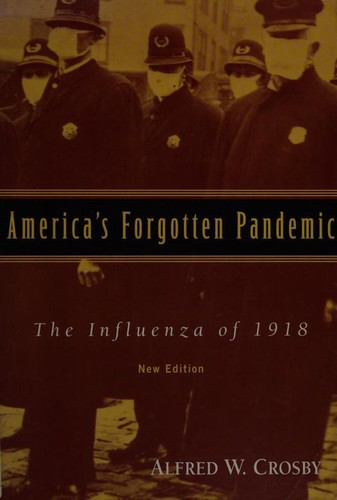
Crosby’s pioneering history asks why Americans forgot a disaster that killed hundreds of thousands. It’s still essential.
5. Pandemic 1918 by Catharine Arnold
Arnold tells the story through the voices of survivors, doctors and nurses around the world. It’s vivid and human.
6. Influenza 1918 by Lynette Iezzoni
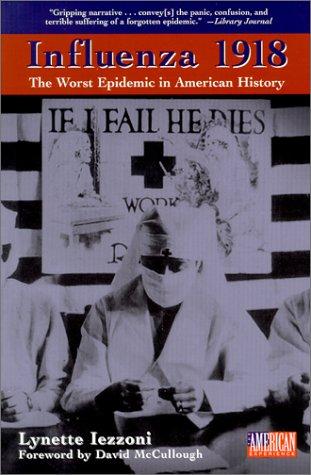
The companion to a PBS documentary, this book combines survivors’ stories with photographs. It’s an accessible introduction.
7. The Influenza Pandemic of 1918–1919 by Susan Kingsley Kent
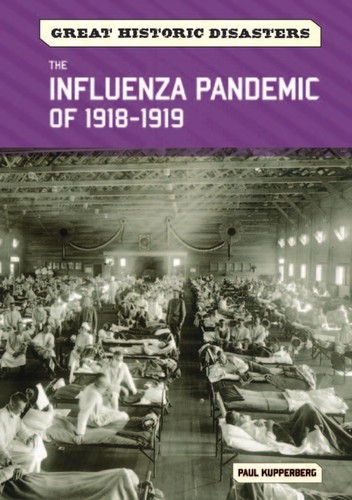
Kent’s short book combines an overview with documents from the time, from newspaper reports to letters. It’s great for students.
8. Hunting the 1918 Flu by Kirsty Duncan
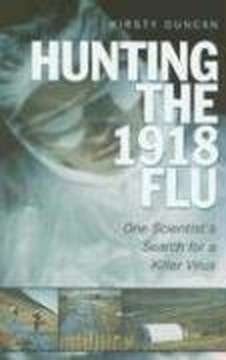
Duncan, a Canadian scientist, describes her expedition to Norway to find frozen victims of the flu and recover the virus. It’s fascinating.
9. Influenza by Jeremy Brown
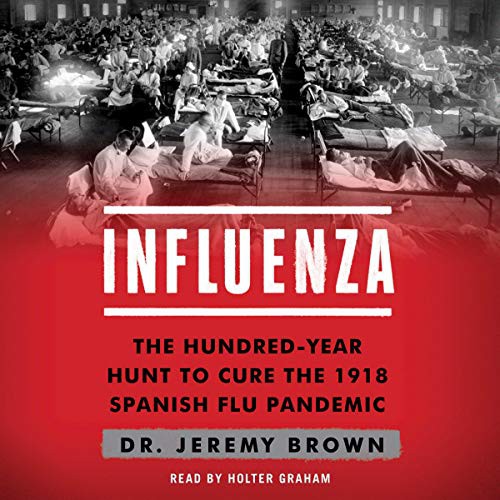
Brown, an emergency physician, tells the history of influenza and how we fight it today, starting with 1918. It’s clear and informative.
10. Spillover by David Quammen
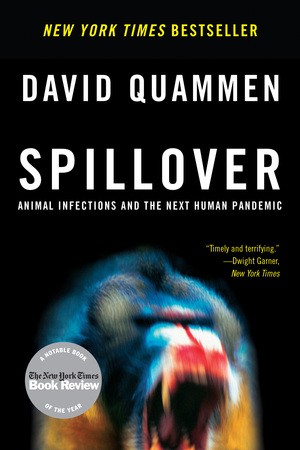
Quammen explains how diseases jump from animals to humans and why new pandemics are likely. It’s not only about 1918 but puts it in context.
11. Fever Year by Don Brown
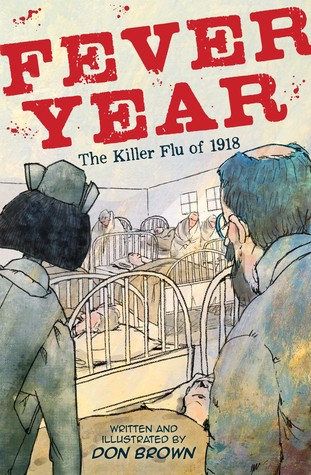
Brown’s graphic history tells the story of the 1918 pandemic for young readers. It’s powerful and accessible.
12. The Pull of the Stars by Emma Donoghue
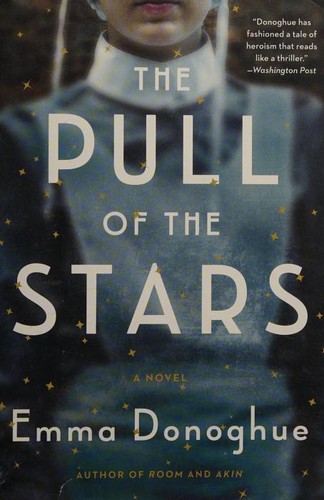
In a Dublin maternity ward for flu patients in 1918, a nurse works through three intense days. It’s gripping and moving. Content note: childbirth and medical detail.
13. The Last Town on Earth by Thomas Mullen
A Washington mill town quarantines itself in 1918, until a stranger arrives. It’s a tense, thoughtful novel.
14. Pale Horse, Pale Rider by Katherine Anne Porter
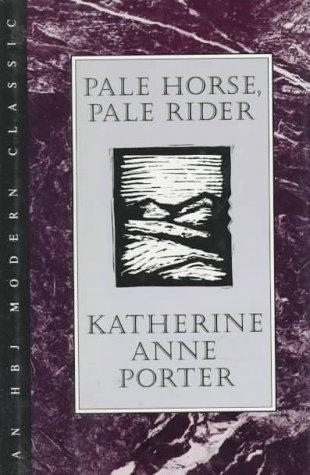
Porter’s famous title story, based on her own near-death from the flu in 1918, is a masterpiece of American fiction.
15. As Bright as Heaven by Susan Meissner
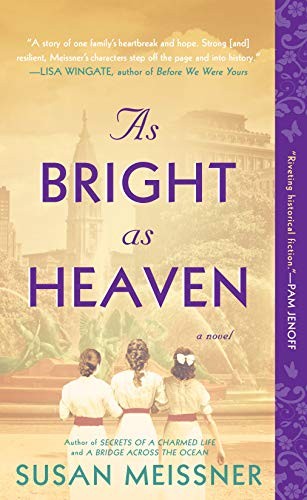
A family moves to Philadelphia in 1918 just as the flu arrives. Told by a mother and her three daughters, it’s emotional and absorbing.
Tips for Reading About the 1918 Flu
- Start with Barry. The Great Influenza is the standard modern account.
- Read globally. Pale Rider shows the pandemic beyond the US and Europe.
- Learn the science. Kolata and Duncan explain how the virus was found.
- Compare with COVID-19. Many lessons about masks and closures still apply.
- Read a novel. The Pull of the Stars makes it personal.
- Take breaks. The subject can be hard to read about.
Related: best books on World War I and best books on the Black Death.
Frequently Asked Questions
What is the best book about the 1918 flu?
The Great Influenza by John M. Barry is the most popular history, and Pale Rider by Laura Spinney is the best global account.
How many people died in the 1918 flu pandemic?
Estimates are around 50 million deaths worldwide, and some historians believe the toll was even higher.
Why was it called the Spanish flu?
Spain was neutral in World War I, so its newspapers reported the outbreak freely while warring countries censored news. That made it seem the flu came from Spain, though it didn’t.