
Disclosure: As an Amazon Associate, Bookish Wisdom earns from qualifying purchases. This doesn’t change our picks or your price.
Quick answer: The best books on loneliness include Together, Lost Connections, The Lonely City, Loneliness, The Lonely Century and Lonely. Start with Together by Vivek Murthy or Lost Connections for context, and add The Lonely City for beautiful reflection.
If loneliness feels overwhelming or you are thinking about harming yourself, call or text 988 in the United States, or reach out to a trusted person.
Loneliness is not the same as being alone. It is the painful gap between the connection you have and the connection you want, and it affects people of every age, in crowded cities and quiet towns. Studies link chronic loneliness to poorer health, and public health leaders have called it an epidemic. Yet it is often hidden by shame. The books on this list explore loneliness from many angles: science, memoir, social critique and fiction. They will not fill the gap on their own, but they can help you understand it, feel less isolated and find small steps toward connection. Read slowly, and let a book keep you company while you work on reaching out.
Table of Contents
Quick Picks at a Glance
| Book | Author | Type | Best For |
|---|---|---|---|
| Together | Vivek H. Murthy | Public health | readers who want hope |
| Lost Connections | Johann Hari | Depression and society | readers who want a broader view |
| The Lonely City | Olivia Laing | Essay and memoir | readers who like art |
| Loneliness | John T. Cacioppo and William Patrick | Science | readers who like research |
| The Lonely Century | Noreena Hertz | Social analysis | readers who care about society |
| Lonely | Emily White | Memoir | readers who want honest accounts |
| How to Be Alone | Sara Maitland | Solitude | readers who want to enjoy solitude |
| Solitude: A Return to the Self | Anthony Storr | Psychology | readers who value alone time |
| Quiet | Susan Cain | Introversion | quiet readers |
| Bittersweet | Susan Cain | Longing | sensitive readers |
| Bowling Alone | Robert D. Putnam | Social capital | readers interested in society |
| Eleanor Oliphant Is Completely Fine | Gail Honeyman | Fiction | readers who like heartfelt novels |
| A Man Called Ove | Fredrik Backman | Fiction | readers who want a warm story |
| The Midnight Library | Matt Haig | Fiction | readers who like big questions |
| Lonely Castle in the Mirror | Mizuki Tsujimura | Fiction | readers who like fantasy |
1. Together by Vivek H. Murthy
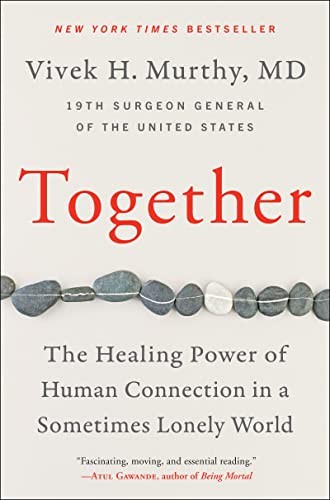
The former U.S. Surgeon General explains why loneliness matters and how we can build connection in daily life. Warm and practical.
Best for: readers who want hope.
2. Lost Connections by Johann Hari
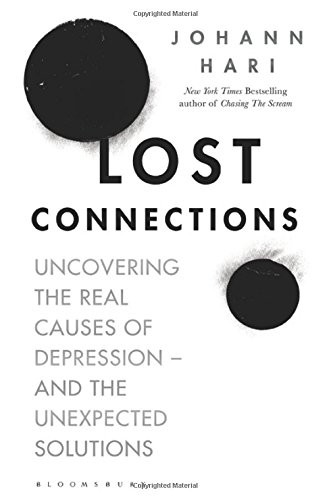
Hari argues that depression and anxiety often stem from disconnection and lists ways to reconnect. Provocative and widely read; some claims are debated.
Best for: readers who want a broader view.
3. The Lonely City by Olivia Laing
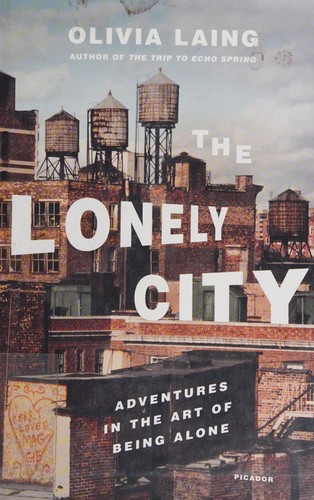
Laing explores loneliness in New York through artists such as Edward Hopper and Andy Warhol. Beautiful and unsentimental.
Best for: readers who like art.
4. Loneliness by John T. Cacioppo and William Patrick
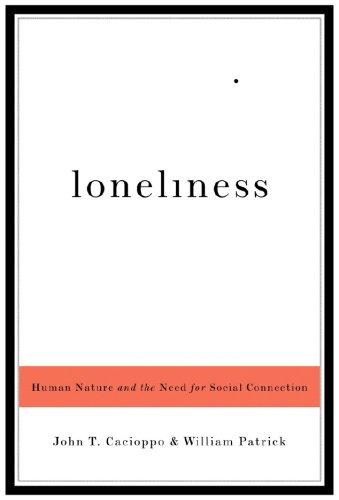
A neuroscientist explains the biology of loneliness and why it matters. Clear and thorough.
Best for: readers who like research.
5. The Lonely Century by Noreena Hertz
Explores how modern life, work and technology contribute to loneliness and what we can do.
Best for: readers who care about society.
6. Lonely by Emily White
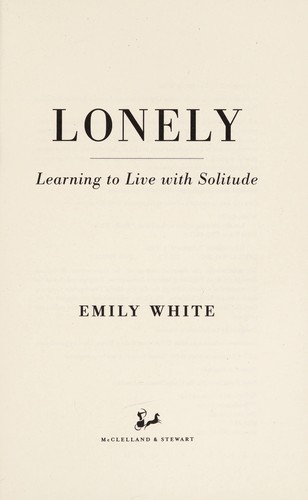
White describes her own long loneliness and interviews others. Candid and validating.
Best for: readers who want honest accounts.
7. How to Be Alone by Sara Maitland
Explores the difference between loneliness and solitude and the pleasures of being alone.
Best for: readers who want to enjoy solitude.
8. Solitude: A Return to the Self by Anthony Storr
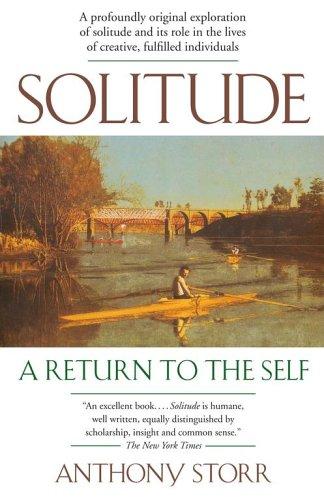
Argues that solitude can be creative and healing.
Best for: readers who value alone time.
9. Quiet by Susan Cain
Shows that introverts have strengths, and that being alone is not a flaw.
Best for: quiet readers.
10. Bittersweet by Susan Cain
Explores sorrow and longing as sources of connection and creativity.
Best for: sensitive readers.
11. Bowling Alone by Robert D. Putnam
Documents the decline of community life in America. Classic and data-rich.
Best for: readers interested in society.
12. Eleanor Oliphant Is Completely Fine by Gail Honeyman
A lonely woman slowly learns to accept friendship. Content note: themes of abuse and loneliness.
Best for: readers who like heartfelt novels.
13. A Man Called Ove by Fredrik Backman
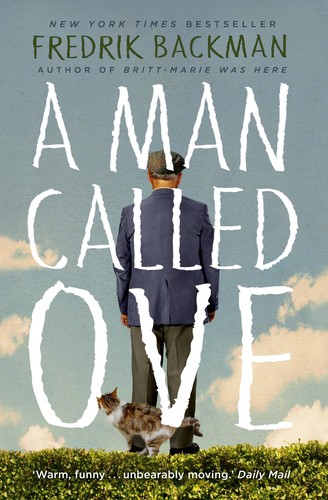
A grumpy widower is drawn back into community life. Content note: grief and suicidal thoughts.
Best for: readers who want a warm story.
14. The Midnight Library by Matt Haig
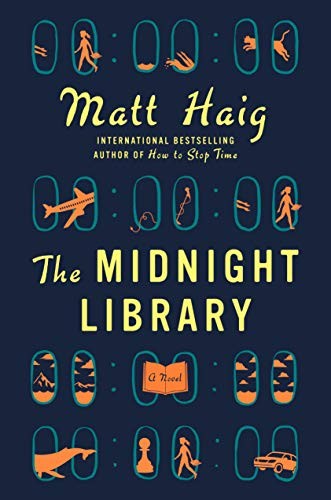
Nora explores alternate lives and discovers what connects her. Content note: themes of suicidal feelings.
Best for: readers who like big questions.
15. Lonely Castle in the Mirror by Mizuki Tsujimura

Seven isolated teens find a castle behind a mirror. Gentle and moving, with a satisfying twist.
Best for: readers who like fantasy.
How to Choose the Right Book on Loneliness
Choose by what you need. For understanding, Loneliness by Cacioppo and Patrick and The Lonely Century explain the science and social causes. For personal stories, The Lonely City and Lonely are honest. For ideas on healing, Together, Lost Connections and How to Be Alone point toward connection and solitude. For comfort in fiction, Eleanor Oliphant Is Completely Fine, A Man Called Ove and The Midnight Library offer warm stories. Pair reading with action, such as texting one person this week.
Which Book Should You Start With? A Quick Guide
If you are not sure where to begin, match your situation to the list below.
- Readers who want hope: Together
- Readers who want a broader view: Lost Connections
- Readers who like art: The Lonely City
- Readers who like research: Loneliness
- Readers who care about society: The Lonely Century
- Readers who want honest accounts: Lonely
- Readers who want to enjoy solitude: How to Be Alone
- Readers who value alone time: Solitude: A Return to the Self
- Quiet readers: Quiet
- Sensitive readers: Bittersweet
- Readers interested in society: Bowling Alone
- Readers who like heartfelt novels: Eleanor Oliphant Is Completely Fine
- Readers who want a warm story: A Man Called Ove
- Readers who like big questions: The Midnight Library
- Readers who like fantasy: Lonely Castle in the Mirror
A Simple Reading Plan
A reading plan works better than a stack of good intentions. Begin with Together, which is the easiest way into loneliness, and give it two weeks at ten to twenty pages a day. When you finish, spend five minutes writing down the one idea you want to try. Then move to Lost Connections, and only after that to The Lonely City or a title that is denser. Mixing formats helps: read one book on paper, listen to another on a walk and keep a third on your phone for waiting rooms. If a book is not helping after fifty pages, put it down without guilt and try the next one, because the right book at the right time matters more than finishing every one.
Print, E-Book or Audiobook?
You do not have to pick one format. For a book on loneliness, listen to the audiobook while walking or driving, and keep the paper or e-book handy for the chapters you want to study. Reading and listening together can improve retention, since you hear the author’s voice and see the structure on the page. Library apps lend all three formats free, and used paperbacks are inexpensive. If your attention drifts with long audio sessions, try 1.25x speed for an easy book and normal speed for a dense one. Choose whatever makes it easiest to read a little every day.
How to Get More From What You Read
Reading is the first step, and practice is the second. For each book on loneliness, choose one idea that fits your life and schedule it, whether it is a ten-minute exercise, a conversation or a habit. Write it where you will see it, such as on a sticky note or in your calendar. After two weeks, ask what worked and what did not, and adjust. Sharing your progress with a friend adds accountability. If a book offers exercises, do them with a pencil instead of skipping to the next chapter, because the exercises are where most of the value lies.
Reading on a Budget
Reading about loneliness does not have to be expensive. Start at the library, where print books, e-books and audiobooks are free with a card and a hold list, and ask the librarian for related titles. Secondhand bookstores and online used sellers keep prices low, and older editions are usually just as good as new ones. Watch for e-book sales, and borrow a title before buying it to be sure it suits you. When a book becomes a favorite, buy a copy for your shelf so you can reread and annotate it.
Talk About What You Read
Talking about what you read turns information into understanding. After each book on loneliness, tell someone one thing you learned, even if it is just a five-minute chat over dinner. Post a short review for other readers, which forces you to organize your thoughts. If a book raises difficult feelings, share them with a trusted friend or counselor instead of carrying them alone. And if you disagree with an author, say so; thoughtful disagreement is part of learning, and it sharpens your own view.
Common Mistakes to Avoid
Readers often make a few predictable mistakes with books on loneliness. The first is reading too many at once and finishing none, so stick with one or two at a time. The second is looking for a perfect answer, when most authors offer ideas to test, not rules to follow. The third is skipping the exercises or reflection questions, which are often the most useful parts. The fourth is comparing yourself with the author’s success story. Finally, do not treat a book as a substitute for support from people who know you. Use books as one tool among several, and be kind to yourself when progress is slow.
How to Judge a Book on Loneliness
Not every book on loneliness is equally reliable. Before you trust one, check the author’s background: are they a researcher, clinician, journalist or someone writing from lived experience? Each can be valuable, but they offer different things. Look for notes and references at the back, which show the claims can be checked. Be wary of books that promise a quick fix, rely on a single story or dismiss all other views. Read a few reviews from people with different perspectives, and treat bold claims as hypotheses to test in your own life. A good book invites questions instead of demanding agreement.
When Reading Is Not Enough
Reading can illuminate and encourage, yet some situations need more than a book. If you notice that your struggles with loneliness are getting worse, lasting a long time or affecting your health, reach out to a professional you trust. Local libraries, community centers and workplaces often offer free resources, classes or referrals. Sharing what you are reading with a friend can open the door to a supportive conversation. Use these books as companions on the journey, and let real people walk it with you.
Questions to Reflect On
Keep these in a notebook and return to them after each book:
- What do I most want to understand or change about {t}?
- Which idea from my reading feels true for me, and which do I doubt?
- What is one small action I can take this week?
- Who could I talk to about what I am learning?
- How will I know in a month that this reading helped?
Tips for Reading About Loneliness
- Start small. Greet a neighbor or a barista.
- Join something. A club, class or volunteer group builds ties.
- Limit passive scrolling. Replace some with real contact.
- Be kind to yourself. Loneliness is common and not a flaw.
- Seek help. Talk to a counselor if loneliness weighs on you.
Related: 15 Best Books on Friendship and atomic Habits Summary and Key Takeaways.
Frequently Asked Questions
What is the best book on loneliness?
Together by Vivek Murthy and The Lonely City by Olivia Laing are widely recommended.
Is loneliness harmful?
Chronic loneliness is linked to poorer physical and mental health, so it is worth addressing.
Can books help with loneliness?
They can provide company and ideas, though real-life connection is the goal.
How many books on loneliness should I read at once?
One or two at a time is plenty. Finish a book, try one idea from it and then move on, so what you read turns into something you do.
Are these books on loneliness available as audiobooks?
Most of them are. Check your library’s app, such as Libby, or an audiobook service, and listen to a sample to see whether the narrator suits you.