
Disclosure: As an Amazon Associate, Bookish Wisdom earns from qualifying purchases. This doesn’t change our picks or your price.
Quick answer: The best books on menopause include The Menopause Manifesto, Next Level, The Menopause Brain, Estrogen Matters, Perimenopause Power and Menopause Confidential. Start with The Menopause Manifesto for evidence-based clarity and Next Level for exercise and nutrition.
These books are educational and are not medical advice. Discuss symptoms and treatments with a qualified healthcare provider.
Menopause marks the end of menstrual cycles, and the years around it, perimenopause, can bring hot flashes, sleep problems, mood changes, brain fog and shifts in body composition. For decades, many women received little information, and myths filled the gap. The books on this list, written by doctors, researchers and journalists, aim to replace silence with facts. They discuss symptoms, hormone therapy, lifestyle, mental health and the emotional side of this transition. Some are strongly evidence-based, others more personal. Read critically, and bring questions to a healthcare provider who knows menopause care, since treatments vary by person. You are not imagining your symptoms, and the right information can make this stage easier.
Table of Contents
Quick Picks at a Glance
| Book | Author | Focus | Best For |
|---|---|---|---|
| The Menopause Manifesto | Jen Gunter | Medical guide | readers who want evidence |
| Next Level | Stacy T. Sims and Selene Yeager | Exercise and nutrition | active women |
| The Menopause Brain | Lisa Mosconi | Brain health | readers worried about memory |
| Estrogen Matters | Avrum Bluming and Carol Tavris | Hormone therapy | readers weighing hormone therapy |
| Perimenopause Power | Maisie Hill | Perimenopause | readers in the transition |
| Menopause Confidential | Tara Allmen | Medical guide | readers who want a doctor’s view |
| Cracking the Menopause | Mariella Frostrup and Alice Smellie | Overview | readers who like a conversational tone |
| Hormone Repair Manual | Lara Briden | Natural approaches | readers who prefer lifestyle options |
| Roar | Stacy T. Sims | Women and exercise | women athletes |
| Younger Next Year for Women | Chris Crowley and Henry S. Lodge | Exercise | women over fifty |
| Burnout | Emily Nagoski and Amelia Nagoski | Stress | exhausted women |
| Come as You Are | Emily Nagoski | Sexuality | readers who want to understand desire |
| Wintering | Katherine May | Rest | readers in a difficult season |
| The Gifts of Imperfection | Brené Brown | Self-acceptance | readers rebuilding confidence |
| Aging Well | George E. Vaillant | Research | readers who want a long view |
1. The Menopause Manifesto by Jen Gunter
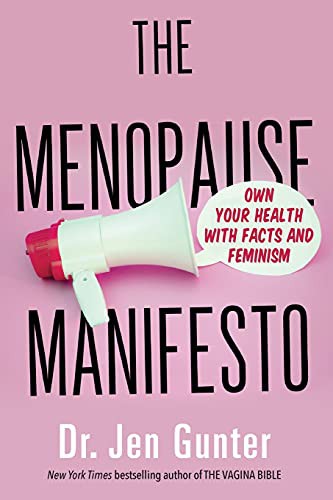
Gunter, an OB-GYN, debunks myths, explains symptoms and treatments and critiques unproven products. Clear, direct and funny.
Best for: readers who want evidence.
2. Next Level by Stacy T. Sims and Selene Yeager
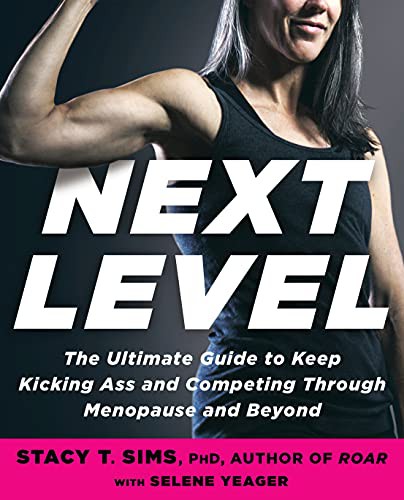
Explains how to adjust training and eating during perimenopause and menopause. Practical and science-based.
Best for: active women.
3. The Menopause Brain by Lisa Mosconi
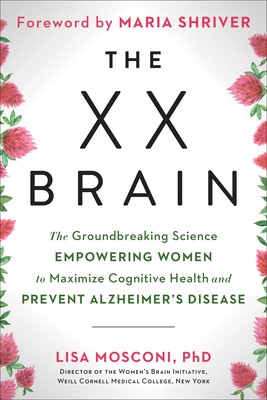
A neuroscientist explains how hormonal changes affect the brain and offers strategies for brain health.
Best for: readers worried about memory.
4. Estrogen Matters by Avrum Bluming and Carol Tavris
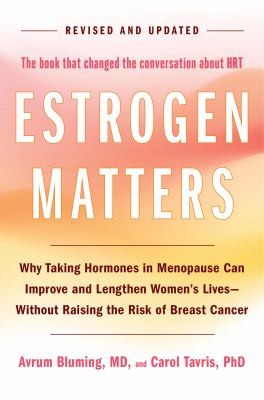
Argues that hormone therapy’s risks were overstated and benefits underappreciated. Opinionated; discuss with your doctor.
Best for: readers weighing hormone therapy.
5. Perimenopause Power by Maisie Hill
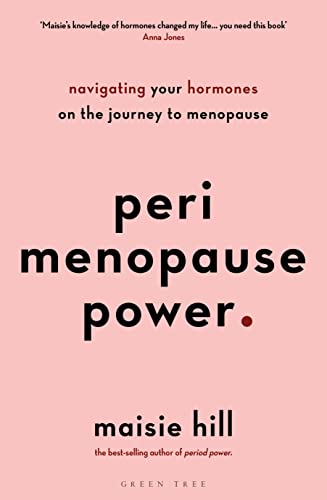
Explains the stage before menopause and offers practical advice. Warm and accessible.
Best for: readers in the transition.
6. Menopause Confidential by Tara Allmen
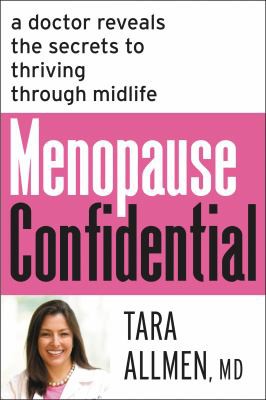
A physician shares what she tells her patients about symptoms and treatments.
Best for: readers who want a doctor’s view.
7. Cracking the Menopause by Mariella Frostrup and Alice Smellie
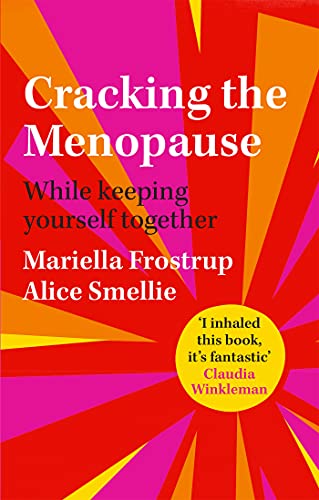
A journalist and a writer present an accessible overview with expert input.
Best for: readers who like a conversational tone.
8. Hormone Repair Manual by Lara Briden
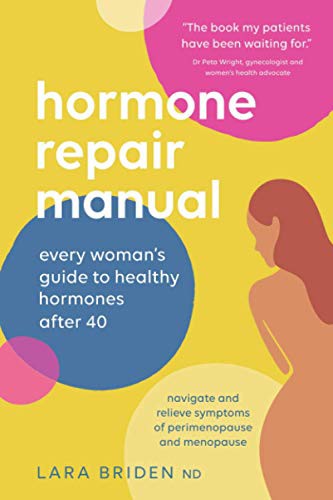
Offers advice on nutrition and lifestyle for menopause. Some suggestions are less evidence-based, so discuss with a clinician.
Best for: readers who prefer lifestyle options.
9. Roar by Stacy T. Sims
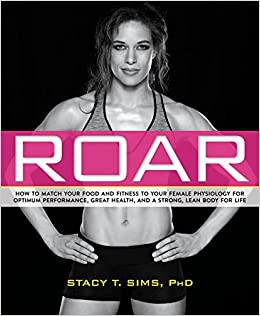
Argues that women should train and eat differently from men, with advice across life stages.
Best for: women athletes.
10. Younger Next Year for Women by Chris Crowley and Henry S. Lodge
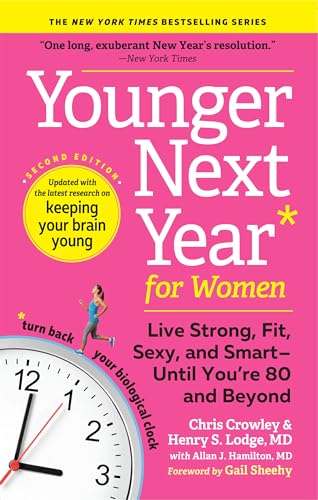
Encourages daily exercise for health in later life.
Best for: women over fifty.
11. Burnout by Emily Nagoski and Amelia Nagoski
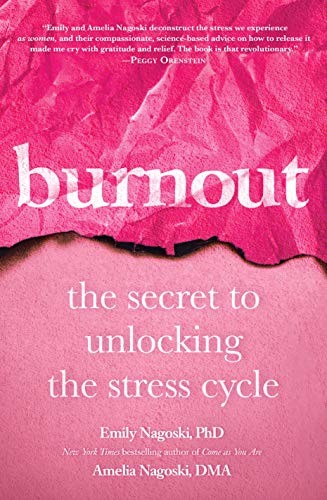
Explains the stress cycle and how to recover.
Best for: exhausted women.
12. Come as You Are by Emily Nagoski
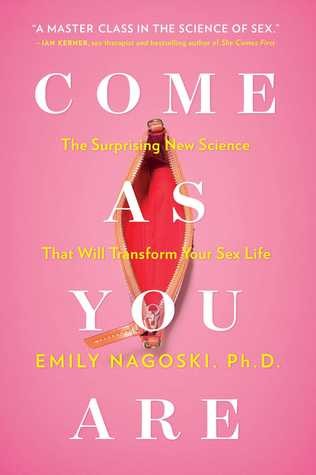
Explains the science of sexuality with reassurance. Content note: frank discussion of sex.
Best for: readers who want to understand desire.
13. Wintering by Katherine May
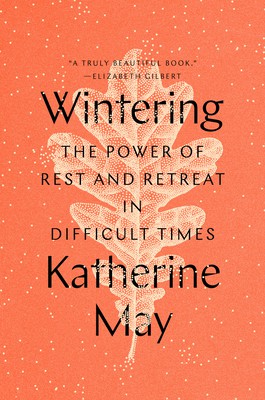
Reflects on slow seasons as times for renewal.
Best for: readers in a difficult season.
14. The Gifts of Imperfection by Brené Brown
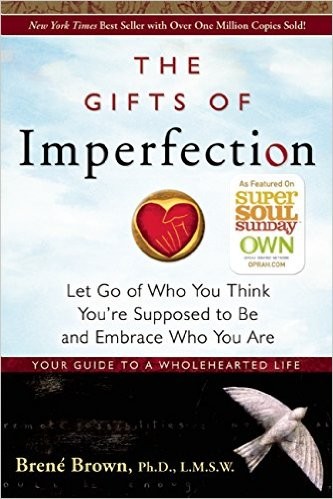
Encourages living wholeheartedly.
Best for: readers rebuilding confidence.
15. Aging Well by George E. Vaillant
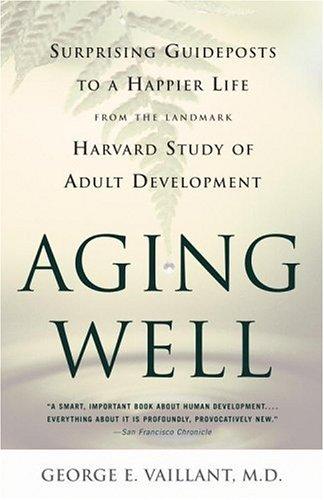
Explores what makes later life good.
Best for: readers who want a long view.
How to Choose the Right Book on Menopause
Choose by need. For medical facts and myths, The Menopause Manifesto, Menopause Confidential and Estrogen Matters are clear. For perimenopause, Perimenopause Power and The Menopause Brain explain brain and mood changes. For exercise and nutrition, Next Level, Roar and Younger Next Year for Women help. For a conversational overview, Cracking the Menopause is approachable. For emotional support, Burnout and Wintering are comforting. Discuss hormone therapy and other treatments with a qualified clinician.
Which Book Should You Start With? A Quick Guide
If you are not sure where to begin, match your situation to the list below.
- Readers who want evidence: The Menopause Manifesto
- Active women: Next Level
- Readers worried about memory: The Menopause Brain
- Readers weighing hormone therapy: Estrogen Matters
- Readers in the transition: Perimenopause Power
- Readers who want a doctor’s view: Menopause Confidential
- Readers who like a conversational tone: Cracking the Menopause
- Readers who prefer lifestyle options: Hormone Repair Manual
- Women athletes: Roar
- Women over fifty: Younger Next Year for Women
- Exhausted women: Burnout
- Readers who want to understand desire: Come as You Are
- Readers in a difficult season: Wintering
- Readers rebuilding confidence: The Gifts of Imperfection
- Readers who want a long view: Aging Well
A Simple Reading Plan
Treat this list as a menu, not an assignment. Start with The Menopause Manifesto, because it gives you a clear overview of menopause without demanding much from you. Read in short sessions and underline or note the passages that make you stop. After a week or two, move to Next Level for a different angle, then The Menopause Brain when you want more depth. Spacing the books out gives the ideas time to settle, and applying one small idea per week is worth more than rushing through the whole shelf. Revisit your notes at the end of each month to see what has actually changed.
Print, E-Book or Audiobook?
Format matters more than people expect. If you tend to forget what you read, choose print or an e-book so you can underline and review. If your time is limited, audiobooks fit into the gaps of your day. For a topic like menopause, short chapters are an advantage, since you can finish one in a single sitting and think about it afterward. Libraries lend e-books and audiobooks free, and many offer print copies of new releases through holds. Try one format for a week and switch if it is not working.
How to Get More From What You Read
Reading about menopause only helps if something changes afterward, so build a small habit around it. Keep a notebook or a notes app, and after each chapter write one sentence about what stood out and one action you could take. Choose a single idea per week to test, such as a new routine, a conversation or a different way of thinking. Discuss what you are reading with a friend, a partner or an online group, since explaining an idea out loud makes it stick. Review your notes monthly and drop anything that did not help. The aim is progress you can notice, not a long reading list.
Reading on a Budget
Good books on menopause are easier to afford than most people think. Library cards open up print, e-book and audiobook borrowing, and interlibrary loan can find titles your branch does not own. Used copies cost a fraction of new ones, and many of the classics are inexpensive in paperback. Try a sample chapter online to see whether an author’s voice suits you before you commit. If you finish a book you love, consider passing it to a friend, which keeps the ideas moving and your shelf uncluttered.
Talk About What You Read
Ideas stick when you talk about them. Choose one book from this list and invite a friend, partner or colleague to read it with you, then meet for coffee to compare notes on menopause. Online communities and library groups also host discussions, and many of these books have free reading guides. If you prefer privacy, a journal works well: write a paragraph after each chapter on what you agree with, what you doubt and what you will try. Teaching an idea to someone else is one of the best ways to learn it, so explain what you read in your own words.
Common Mistakes to Avoid
A few pitfalls are worth avoiding. Do not buy a dozen books on menopause in one go; borrow one, finish it and then decide what to read next. Do not expect a single book to transform your life overnight, since the best ones work through small, repeated actions. Be cautious of any author who promises guaranteed results, and check an author’s credentials and sources. Finally, do not use reading as a way of avoiding action. If you notice yourself finishing book after book without changing anything, pick one idea and practice it this week.
How to Judge a Book on Menopause
Not every book on menopause is equally reliable. Before you trust one, check the author’s background: are they a researcher, clinician, journalist or someone writing from lived experience? Each can be valuable, but they offer different things. Look for notes and references at the back, which show the claims can be checked. Be wary of books that promise a quick fix, rely on a single story or dismiss all other views. Read a few reviews from people with different perspectives, and treat bold claims as hypotheses to test in your own life. A good book invites questions instead of demanding agreement.
When Reading Is Not Enough
Reading can illuminate and encourage, yet some situations need more than a book. If you notice that your struggles with menopause are getting worse, lasting a long time or affecting your health, reach out to a professional you trust. Local libraries, community centers and workplaces often offer free resources, classes or referrals. Sharing what you are reading with a friend can open the door to a supportive conversation. Use these books as companions on the journey, and let real people walk it with you.
Questions to Reflect On
Keep these in a notebook and return to them after each book:
- What do I most want to understand or change about {t}?
- Which idea from my reading feels true for me, and which do I doubt?
- What is one small action I can take this week?
- Who could I talk to about what I am learning?
- How will I know in a month that this reading helped?
Tips for Reading About Menopause
- Track symptoms. A journal helps you talk to your doctor.
- Move and lift. Strength training protects bones and muscle.
- Prioritize sleep. Cool, dark rooms help.
- Ask about options. Hormone therapy suits some women.
- Find community. Talking to others reduces isolation.
Related: 15 Best Books on Aging Well and atomic Habits Summary and Key Takeaways.
Frequently Asked Questions
What is the best book on menopause?
The Menopause Manifesto by Jen Gunter is widely recommended for facts.
When does perimenopause start?
Often in the forties, though it varies. Symptoms can start years before periods stop.
Are menopause books medical advice?
No. Discuss symptoms and treatments with your clinician.
How many books on menopause should I read at once?
One or two at a time is plenty. Finish a book, try one idea from it and then move on, so what you read turns into something you do.
Are these books on menopause available as audiobooks?
Most of them are. Check your library’s app, such as Libby, or an audiobook service, and listen to a sample to see whether the narrator suits you.