
Disclosure: As an Amazon Associate, Bookish Wisdom earns from qualifying purchases. This doesn’t change our picks or your price.
Quick answer: The best books on overthinking include Chatter, The Worry Trick, Unwinding Anxiety, Women Who Think Too Much, Stop Overthinking and Don’t Believe Everything You Think. Start with Chatter or The Worry Trick to understand your thoughts, then try Stop Overthinking for practical techniques.
These books are for education and are not a substitute for professional care. If you are in crisis, call or text 988 in the United States.
Overthinking is the habit of replaying conversations, imagining worst cases and analyzing decisions until you are exhausted. It feels productive, as if you are solving something, but it usually leaves you more anxious and less able to act. Psychologists describe it as rumination and worry, and they have developed methods to interrupt it, from mindfulness and journaling to cognitive techniques and simple distraction. This list gathers fifteen books on overthinking, with a mix of research-based explanations, practical guides, philosophical reminders and gentle memoirs. Some are short and punchy, others more scholarly. Read one at a time, and try a single technique before you decide whether it works for you.
Table of Contents
Quick Picks at a Glance
| Book | Author | Approach | Best For |
|---|---|---|---|
| Chatter | Ethan Kross | Inner voice | readers who want research |
| The Worry Trick | David A. Carbonell | Anxiety | chronic worriers |
| Unwinding Anxiety | Judson Brewer | Habits | readers who like mindfulness |
| Women Who Think Too Much | Susan Nolen-Hoeksema | Rumination | readers who ruminate |
| Stop Overthinking | Nick Trenton | Practical | readers who want quick tools |
| Don’t Believe Everything You Think | Joseph Nguyen | Mindset | readers who like short books |
| The Power of Now | Eckhart Tolle | Presence | readers who want spiritual approach |
| The Happiness Trap | Russ Harris | ACT | readers who like psychology |
| Feeling Good | David D. Burns | CBT | readers who want a classic |
| Mind Over Mood | Dennis Greenberger and Christine A. Padesky | CBT workbook | readers who want exercises |
| How to Stop Worrying and Start Living | Dale Carnegie | Classic | readers who like old-school advice |
| The Untethered Soul | Michael A. Singer | Inner voice | readers who like contemplative writing |
| 10% Happier | Dan Harris | Memoir | skeptics of meditation |
| Four Thousand Weeks | Oliver Burkeman | Time | readers who overplan |
| Thinking, Fast and Slow | Daniel Kahneman | Cognition | readers who like science |
1. Chatter by Ethan Kross
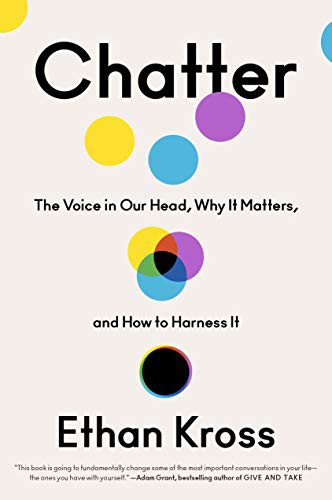
Kross, a psychologist, explains the science of the inner voice and offers evidence-based tools such as self-distancing and talking to yourself in the third person. Clear and practical.
Best for: readers who want research.
2. The Worry Trick by David A. Carbonell
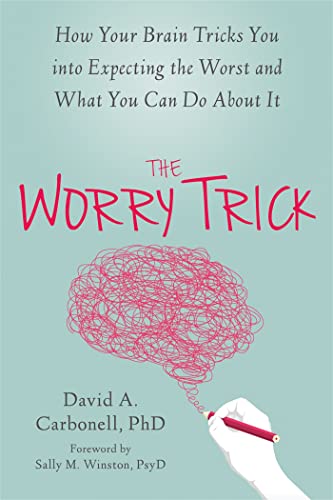
Explains why trying to stop worrying fails and teaches how to change your relationship with worry.
Best for: chronic worriers.
3. Unwinding Anxiety by Judson Brewer
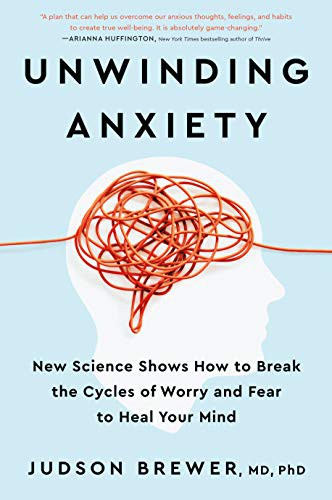
Shows how anxious thinking becomes a habit and how curiosity can interrupt it.
Best for: readers who like mindfulness.
4. Women Who Think Too Much by Susan Nolen-Hoeksema
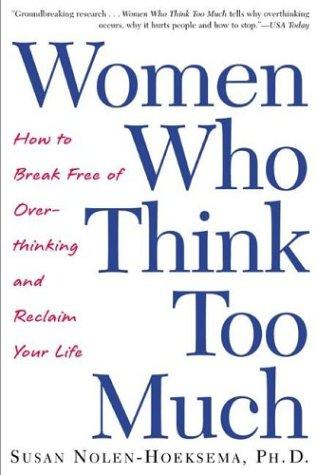
Based on years of research, this book helps readers recognize and stop overthinking. Though titled for women, it is useful to anyone.
Best for: readers who ruminate.
5. Stop Overthinking by Nick Trenton
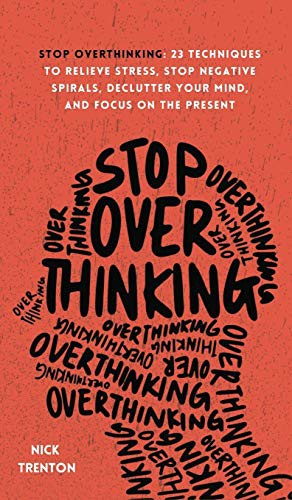
Offers 23 techniques to reduce rumination and worry. Short and easy to apply.
Best for: readers who want quick tools.
6. Don’t Believe Everything You Think by Joseph Nguyen
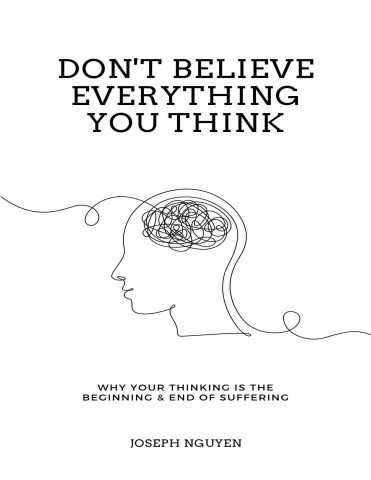
A brief, accessible book on how thoughts create suffering and how to let them pass.
Best for: readers who like short books.
7. The Power of Now by Eckhart Tolle
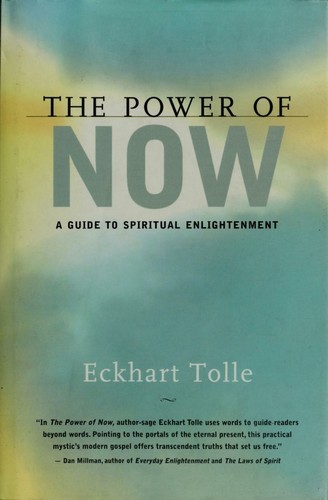
Argues that peace comes from living in the present. Some readers find it mystical, others practical.
Best for: readers who want spiritual approach.
8. The Happiness Trap by Russ Harris
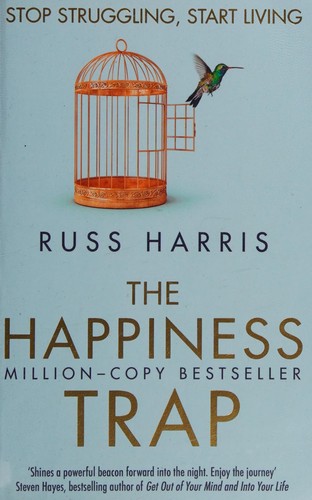
Introduces acceptance and commitment therapy with exercises for unhooking from thoughts.
Best for: readers who like psychology.
9. Feeling Good by David D. Burns
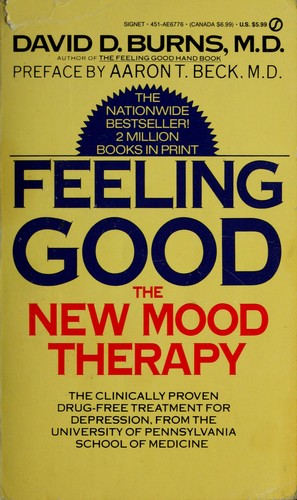
A classic on cognitive therapy, teaching how to identify and change distorted thoughts.
Best for: readers who want a classic.
10. Mind Over Mood by Dennis Greenberger and Christine A. Padesky
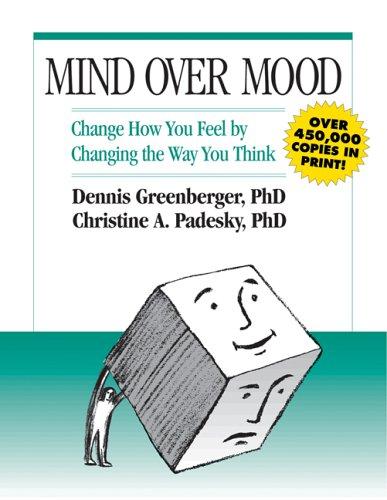
A workbook for tracking and changing unhelpful thoughts.
Best for: readers who want exercises.
11. How to Stop Worrying and Start Living by Dale Carnegie
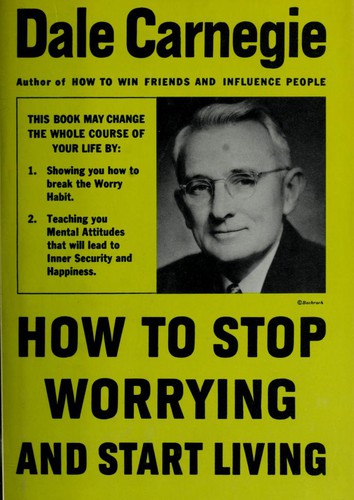
Carnegie’s 1948 book offers practical rules for handling worry, supported by stories.
Best for: readers who like old-school advice.
12. The Untethered Soul by Michael A. Singer

Teaches how to observe your thoughts and let them go.
Best for: readers who like contemplative writing.
13. 10% Happier by Dan Harris
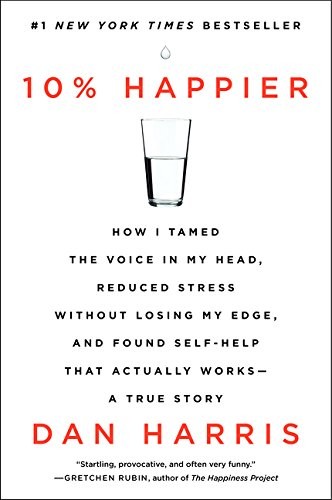
A TV anchor describes how meditation helped him cope with anxious thoughts.
Best for: skeptics of meditation.
14. Four Thousand Weeks by Oliver Burkeman
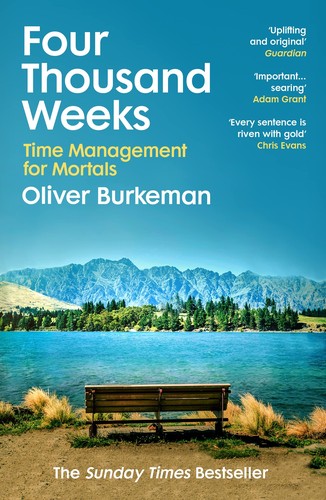
Argues that accepting limits eases the pressure to do everything.
Best for: readers who overplan.
15. Thinking, Fast and Slow by Daniel Kahneman
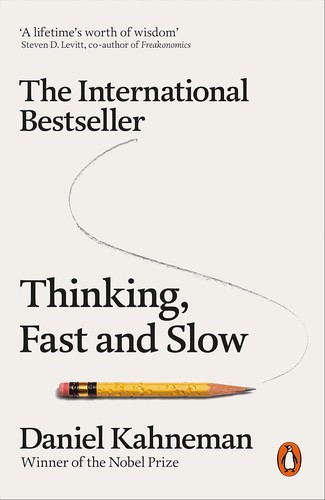
Explains how fast and slow thinking lead to biases. Useful for understanding mental habits.
Best for: readers who like science.
How to Choose the Right Book on Overthinking
Choose by how you think. If your thoughts loop around the past, Women Who Think Too Much and Chatter explain rumination. If you worry about the future, The Worry Trick and Unwinding Anxiety help. If you want fast, practical tools, Stop Overthinking and Don’t Believe Everything You Think are concise. If you like philosophy, The Power of Now and The Happiness Trap offer a different perspective. If you prefer CBT, Feeling Good and Mind Over Mood give exercises. Try one technique for two weeks, and keep notes on what changes.
Which Book Should You Start With? A Quick Guide
If you are not sure where to begin, match your situation to the list below.
- Readers who want research: Chatter
- Chronic worriers: The Worry Trick
- Readers who like mindfulness: Unwinding Anxiety
- Readers who ruminate: Women Who Think Too Much
- Readers who want quick tools: Stop Overthinking
- Readers who like short books: Don’t Believe Everything You Think
- Readers who want spiritual approach: The Power of Now
- Readers who like psychology: The Happiness Trap
- Readers who want a classic: Feeling Good
- Readers who want exercises: Mind Over Mood
- Readers who like old-school advice: How to Stop Worrying and Start Living
- Readers who like contemplative writing: The Untethered Soul
- Skeptics of meditation: 10% Happier
- Readers who overplan: Four Thousand Weeks
- Readers who like science: Thinking, Fast and Slow
A Simple Reading Plan
A reading plan works better than a stack of good intentions. Begin with Chatter, which is the easiest way into overthinking, and give it two weeks at ten to twenty pages a day. When you finish, spend five minutes writing down the one idea you want to try. Then move to The Worry Trick, and only after that to Unwinding Anxiety or a title that is denser. Mixing formats helps: read one book on paper, listen to another on a walk and keep a third on your phone for waiting rooms. If a book is not helping after fifty pages, put it down without guilt and try the next one, because the right book at the right time matters more than finishing every one.
Print, E-Book or Audiobook?
You do not have to pick one format. For a book on overthinking, listen to the audiobook while walking or driving, and keep the paper or e-book handy for the chapters you want to study. Reading and listening together can improve retention, since you hear the author’s voice and see the structure on the page. Library apps lend all three formats free, and used paperbacks are inexpensive. If your attention drifts with long audio sessions, try 1.25x speed for an easy book and normal speed for a dense one. Choose whatever makes it easiest to read a little every day.
How to Get More From What You Read
Reading is the first step, and practice is the second. For each book on overthinking, choose one idea that fits your life and schedule it, whether it is a ten-minute exercise, a conversation or a habit. Write it where you will see it, such as on a sticky note or in your calendar. After two weeks, ask what worked and what did not, and adjust. Sharing your progress with a friend adds accountability. If a book offers exercises, do them with a pencil instead of skipping to the next chapter, because the exercises are where most of the value lies.
Reading on a Budget
Reading about overthinking does not have to be expensive. Start at the library, where print books, e-books and audiobooks are free with a card and a hold list, and ask the librarian for related titles. Secondhand bookstores and online used sellers keep prices low, and older editions are usually just as good as new ones. Watch for e-book sales, and borrow a title before buying it to be sure it suits you. When a book becomes a favorite, buy a copy for your shelf so you can reread and annotate it.
Talk About What You Read
Talking about what you read turns information into understanding. After each book on overthinking, tell someone one thing you learned, even if it is just a five-minute chat over dinner. Post a short review for other readers, which forces you to organize your thoughts. If a book raises difficult feelings, share them with a trusted friend or counselor instead of carrying them alone. And if you disagree with an author, say so; thoughtful disagreement is part of learning, and it sharpens your own view.
Common Mistakes to Avoid
Readers often make a few predictable mistakes with books on overthinking. The first is reading too many at once and finishing none, so stick with one or two at a time. The second is looking for a perfect answer, when most authors offer ideas to test, not rules to follow. The third is skipping the exercises or reflection questions, which are often the most useful parts. The fourth is comparing yourself with the author’s success story. Finally, do not treat a book as a substitute for support from people who know you. Use books as one tool among several, and be kind to yourself when progress is slow.
How to Judge a Book on Overthinking
Not every book on overthinking is equally reliable. Before you trust one, check the author’s background: are they a researcher, clinician, journalist or someone writing from lived experience? Each can be valuable, but they offer different things. Look for notes and references at the back, which show the claims can be checked. Be wary of books that promise a quick fix, rely on a single story or dismiss all other views. Read a few reviews from people with different perspectives, and treat bold claims as hypotheses to test in your own life. A good book invites questions instead of demanding agreement.
When Reading Is Not Enough
Reading can illuminate and encourage, yet some situations need more than a book. If you notice that your struggles with overthinking are getting worse, lasting a long time or affecting your health, reach out to a professional you trust. Local libraries, community centers and workplaces often offer free resources, classes or referrals. Sharing what you are reading with a friend can open the door to a supportive conversation. Use these books as companions on the journey, and let real people walk it with you.
Questions to Reflect On
Keep these in a notebook and return to them after each book:
- What do I most want to understand or change about {t}?
- Which idea from my reading feels true for me, and which do I doubt?
- What is one small action I can take this week?
- Who could I talk to about what I am learning?
- How will I know in a month that this reading helped?
Tips for Reading About Overthinking
- Name the loop. Say ‘I’m ruminating’ when it starts.
- Move your body. A walk can interrupt a thought spiral.
- Schedule worry time. Set a ten-minute window to think, then stop.
- Write it down. Put thoughts on paper to clear your mind.
- Talk to someone. Sharing can reduce rumination.
Related: 15 Best Books on Emotional Intelligence and the Daily Stoic Summary and Key Takeaways.
Frequently Asked Questions
What is the best book on overthinking?
Chatter and The Worry Trick are popular for research and technique.
How can I stop overthinking?
Try mindfulness, scheduled worry time, writing, movement and distance from your thoughts.
Is overthinking a sign of anxiety?
It can be, but not always. If it interferes with daily life, consider speaking with a mental health professional.
How many books on overthinking should I read at once?
One or two at a time is plenty. Finish a book, try one idea from it and then move on, so what you read turns into something you do.
Are these books on overthinking available as audiobooks?
Most of them are. Check your library’s app, such as Libby, or an audiobook service, and listen to a sample to see whether the narrator suits you.