
Disclosure: As an Amazon Associate, Bookish Wisdom earns from qualifying purchases. This doesn’t change our picks or your price.
Quick answer: The best books on personal finance for beginners include I Will Teach You to Be Rich, The Simple Path to Wealth, Broke Millennial, Get Good with Money, The Automatic Millionaire and Smart Women Finish Rich. Start with I Will Teach You to Be Rich or Personal Finance for Dummies, then add The Simple Path to Wealth for investing.
These books are educational and are not personalized financial advice. Rules vary by country.
Personal finance can feel like a foreign language, but the basics are simple: spend less than you earn, avoid costly debt, build an emergency fund, save for the future and invest wisely. The books here explain those basics in plain English, with a range of tones from friendly to funny to data-driven. They cover budgeting, credit, retirement accounts, index funds and the habits that make it all work. Some are written for young adults, others for families, and a few for anyone who feels behind. Read one, set up one automatic transfer to savings and one action on debt, and then read the next. Progress comes from small, consistent steps, not perfection.
Table of Contents
Quick Picks at a Glance
| Book | Author | Focus | Best For |
|---|---|---|---|
| I Will Teach You to Be Rich | Ramit Sethi | Plan | young adults |
| The Simple Path to Wealth | JL Collins | Investing | readers who want a simple plan |
| Broke Millennial | Erin Lowry | Basics | young adults |
| Get Good with Money | Tiffany Aliche | Wholeness | readers who want gentle guidance |
| The Automatic Millionaire | David Bach | Automation | readers who want a hands-off plan |
| Smart Women Finish Rich | David Bach | Women | women |
| Personal Finance for Dummies | Eric Tyson | Reference | readers who want a full guide |
| The Index Card | Helaine Olen and Harold Pollack | Simple rules | readers who want brevity |
| The Barefoot Investor | Scott Pape | Plan | Australian readers |
| How to Money | Jean Chatzky and Kathryn Tuggle | Basics | millennials |
| The Psychology of Money | Morgan Housel | Behavior | readers who want mindset |
| Your Money or Your Life | Vicki Robin and Joe Dominguez | Values | readers who want purpose |
| The Little Book of Common Sense Investing | John C. Bogle | Investing | readers who want a short book |
| The Bogleheads’ Guide to Investing | Taylor Larimore, Mel Lindauer and Michael LeBoeuf | Investing | DIY investors |
| Rich Dad Poor Dad | Robert T. Kiyosaki | Mindset | readers who want inspiration |
1. I Will Teach You to Be Rich by Ramit Sethi
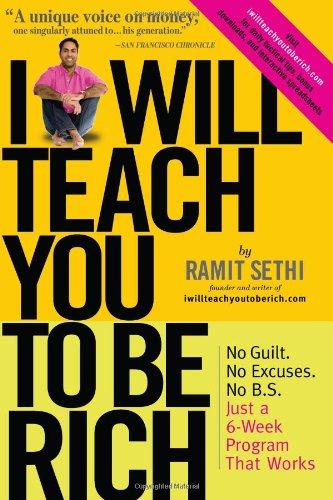
Sethi’s six-week program covers accounts, credit cards, saving and investing, with a focus on automation. Direct and humorous, with scripts for negotiating fees.
Best for: young adults.
2. The Simple Path to Wealth by JL Collins
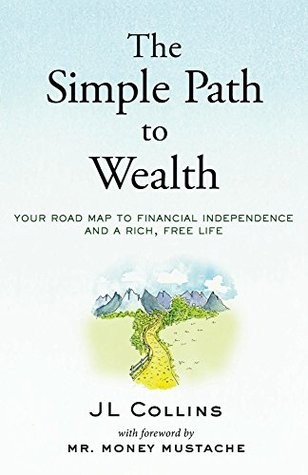
Explains why low-cost index funds are the foundation of wealth. Friendly letters to the author’s daughter.
Best for: readers who want a simple plan.
3. Broke Millennial by Erin Lowry
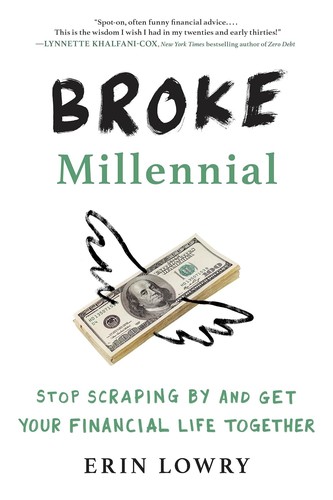
Covers budgeting, debt and investing with humor and empathy.
Best for: young adults.
4. Get Good with Money by Tiffany Aliche
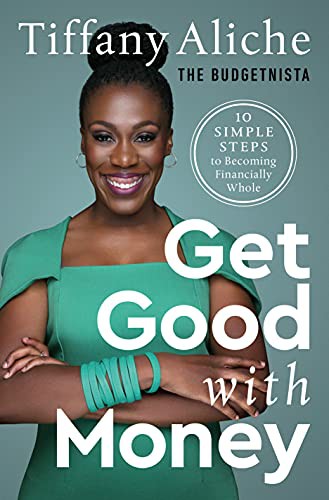
Ten steps to financial wholeness with an encouraging voice.
Best for: readers who want gentle guidance.
5. The Automatic Millionaire by David Bach
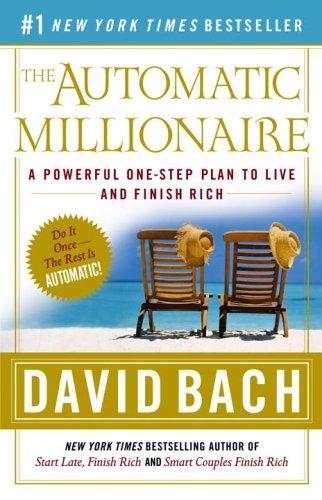
Bach advocates automating savings and paying yourself first. Simple and popular.
Best for: readers who want a hands-off plan.
6. Smart Women Finish Rich by David Bach
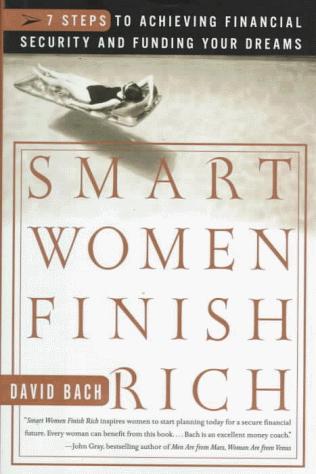
A classic aimed at women, with practical steps for saving and investing.
Best for: women.
7. Personal Finance for Dummies by Eric Tyson
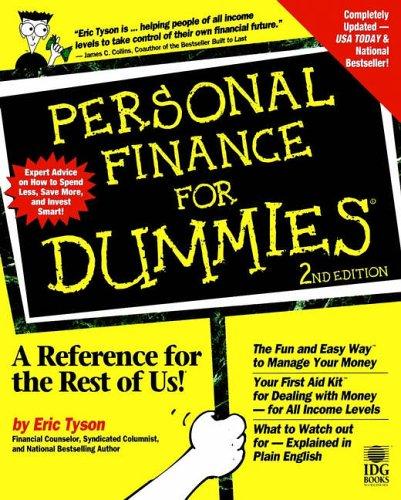
A comprehensive guide covering budgeting, taxes, investing and insurance.
Best for: readers who want a full guide.
8. The Index Card by Helaine Olen and Harold Pollack
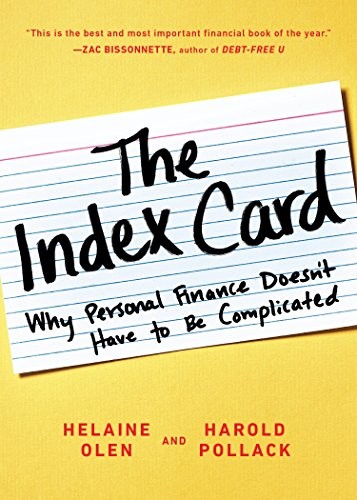
The authors distill personal finance into rules that fit on an index card.
Best for: readers who want brevity.
9. The Barefoot Investor by Scott Pape
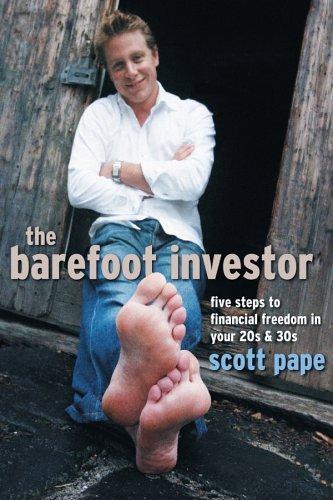
A popular Australian guide with a simple system of buckets for money. Country-specific.
Best for: Australian readers.
10. How to Money by Jean Chatzky and Kathryn Tuggle
A friendly guide to saving, investing and debt.
Best for: millennials.
11. The Psychology of Money by Morgan Housel
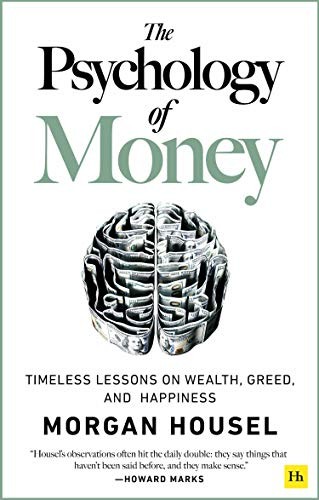
Explores why behavior matters more than knowledge.
Best for: readers who want mindset.
12. Your Money or Your Life by Vicki Robin and Joe Dominguez
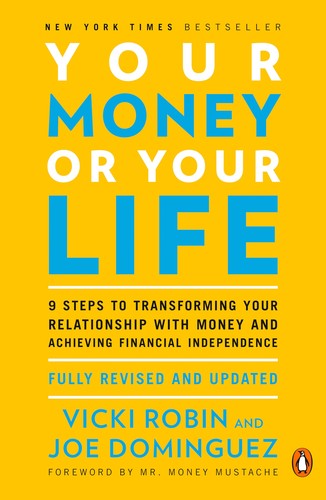
Connects money to life energy.
Best for: readers who want purpose.
13. The Little Book of Common Sense Investing by John C. Bogle

Argues for low-cost index funds.
Best for: readers who want a short book.
14. The Bogleheads’ Guide to Investing by Taylor Larimore, Mel Lindauer and Michael LeBoeuf
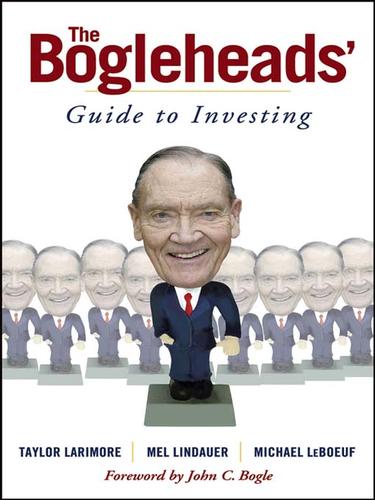
Explains asset allocation and index investing.
Best for: DIY investors.
15. Rich Dad Poor Dad by Robert T. Kiyosaki
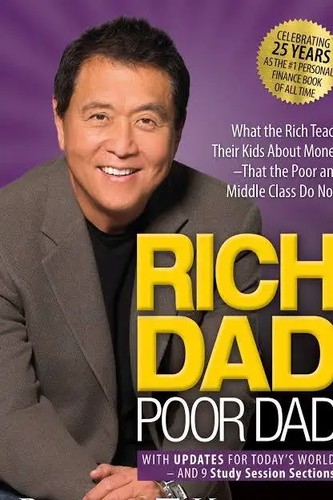
Popular and controversial; treat specifics cautiously.
Best for: readers who want inspiration.
How to Choose the Right Book on Personal finance for beginners
Choose by your starting point. For a step-by-step plan, I Will Teach You to Be Rich and The Automatic Millionaire give systems. For simplicity, The Index Card and The Barefoot Investor fit into a page of rules. For young adults, Broke Millennial and How to Money are friendly. For women, Get Good with Money and Smart Women Finish Rich offer encouragement. For a reference, Personal Finance for Dummies covers everything. For investing basics, The Simple Path to Wealth and The Little Book of Common Sense Investing are clear. Adapt advice to your country.
Which Book Should You Start With? A Quick Guide
If you are not sure where to begin, match your situation to the list below.
- Young adults: I Will Teach You to Be Rich
- Readers who want a simple plan: The Simple Path to Wealth
- Young adults: Broke Millennial
- Readers who want gentle guidance: Get Good with Money
- Readers who want a hands-off plan: The Automatic Millionaire
- Women: Smart Women Finish Rich
- Readers who want a full guide: Personal Finance for Dummies
- Readers who want brevity: The Index Card
- Australian readers: The Barefoot Investor
- Millennials: How to Money
- Readers who want mindset: The Psychology of Money
- Readers who want purpose: Your Money or Your Life
- Readers who want a short book: The Little Book of Common Sense Investing
- DIY investors: The Bogleheads’ Guide to Investing
- Readers who want inspiration: Rich Dad Poor Dad
A Simple Reading Plan
Treat this list as a menu, not an assignment. Start with I Will Teach You to Be Rich, because it gives you a clear overview of personal finance for beginners without demanding much from you. Read in short sessions and underline or note the passages that make you stop. After a week or two, move to The Simple Path to Wealth for a different angle, then Broke Millennial when you want more depth. Spacing the books out gives the ideas time to settle, and applying one small idea per week is worth more than rushing through the whole shelf. Revisit your notes at the end of each month to see what has actually changed.
Print, E-Book or Audiobook?
Format matters more than people expect. If you tend to forget what you read, choose print or an e-book so you can underline and review. If your time is limited, audiobooks fit into the gaps of your day. For a topic like personal finance for beginners, short chapters are an advantage, since you can finish one in a single sitting and think about it afterward. Libraries lend e-books and audiobooks free, and many offer print copies of new releases through holds. Try one format for a week and switch if it is not working.
How to Get More From What You Read
Reading about personal finance for beginners only helps if something changes afterward, so build a small habit around it. Keep a notebook or a notes app, and after each chapter write one sentence about what stood out and one action you could take. Choose a single idea per week to test, such as a new routine, a conversation or a different way of thinking. Discuss what you are reading with a friend, a partner or an online group, since explaining an idea out loud makes it stick. Review your notes monthly and drop anything that did not help. The aim is progress you can notice, not a long reading list.
Reading on a Budget
Good books on personal finance for beginners are easier to afford than most people think. Library cards open up print, e-book and audiobook borrowing, and interlibrary loan can find titles your branch does not own. Used copies cost a fraction of new ones, and many of the classics are inexpensive in paperback. Try a sample chapter online to see whether an author’s voice suits you before you commit. If you finish a book you love, consider passing it to a friend, which keeps the ideas moving and your shelf uncluttered.
Talk About What You Read
Ideas stick when you talk about them. Choose one book from this list and invite a friend, partner or colleague to read it with you, then meet for coffee to compare notes on personal finance for beginners. Online communities and library groups also host discussions, and many of these books have free reading guides. If you prefer privacy, a journal works well: write a paragraph after each chapter on what you agree with, what you doubt and what you will try. Teaching an idea to someone else is one of the best ways to learn it, so explain what you read in your own words.
Common Mistakes to Avoid
A few pitfalls are worth avoiding. Do not buy a dozen books on personal finance for beginners in one go; borrow one, finish it and then decide what to read next. Do not expect a single book to transform your life overnight, since the best ones work through small, repeated actions. Be cautious of any author who promises guaranteed results, and check an author’s credentials and sources. Finally, do not use reading as a way of avoiding action. If you notice yourself finishing book after book without changing anything, pick one idea and practice it this week.
How to Judge a Book on Personal finance for beginners
Not every book on personal finance for beginners is equally reliable. Before you trust one, check the author’s background: are they a researcher, clinician, journalist or someone writing from lived experience? Each can be valuable, but they offer different things. Look for notes and references at the back, which show the claims can be checked. Be wary of books that promise a quick fix, rely on a single story or dismiss all other views. Read a few reviews from people with different perspectives, and treat bold claims as hypotheses to test in your own life. A good book invites questions instead of demanding agreement.
When Reading Is Not Enough
Reading can illuminate and encourage, yet some situations need more than a book. If you notice that your struggles with personal finance for beginners are getting worse, lasting a long time or affecting your health, reach out to a professional you trust. Local libraries, community centers and workplaces often offer free resources, classes or referrals. Sharing what you are reading with a friend can open the door to a supportive conversation. Use these books as companions on the journey, and let real people walk it with you.
Questions to Reflect On
Keep these in a notebook and return to them after each book:
- What do I most want to understand or change about {t}?
- Which idea from my reading feels true for me, and which do I doubt?
- What is one small action I can take this week?
- Who could I talk to about what I am learning?
- How will I know in a month that this reading helped?
Tips for Reading About Personal finance for beginners
- Build an emergency fund. Aim for three to six months of expenses.
- Pay down high-interest debt. Start with the costliest.
- Automate. Set up transfers on payday.
- Use tax-advantaged accounts. Take employer matches.
- Review yearly. Adjust as life changes.
Related: 15 Best Books on Money Mindset and the 7 Habits of Highly Effective People Summary and Key Takeaways.
Frequently Asked Questions
What is the best book on personal finance for beginners?
I Will Teach You to Be Rich and The Simple Path to Wealth are popular.
How much should I save?
Many experts suggest at least 15 percent of income for retirement, adjusted to your situation.
Do I need a financial advisor?
Not always, but a fee-only advisor can help with complex situations.
How many books on personal finance for beginners should I read at once?
One or two at a time is plenty. Finish a book, try one idea from it and then move on, so what you read turns into something you do.
Are these books on personal finance for beginners available as audiobooks?
Most of them are. Check your library’s app, such as Libby, or an audiobook service, and listen to a sample to see whether the narrator suits you.