
Disclosure: As an Amazon Associate, Bookish Wisdom earns from qualifying purchases. This doesn't change our picks or your price.
Quick answer: The best books on physics for beginners include Seven Brief Lessons on Physics by Carlo Rovelli, A Brief History of Time by Stephen Hawking and Astrophysics for People in a Hurry by Neil deGrasse Tyson, plus twelve more strong picks. Each one below has a short description and who it suits best, with a quick table to compare them.
Physics explains everything from falling apples to black holes, and you do not need advanced maths to enjoy it. These beginner books explain the big ideas of physics in clear, often funny language, with a few that add simple equations for readers who want more.
Table of Contents
Quick Picks at a Glance
| Book | Author | Best for |
|---|---|---|
| Seven Brief Lessons on Physics | Carlo Rovelli | very short intros |
| A Brief History of Time | Stephen Hawking | cosmology |
| Astrophysics for People in a Hurry | Neil deGrasse Tyson | quick reads |
| Physics of the Impossible | Michio Kaku | sci-fi science |
| Six Easy Pieces | Richard P. Feynman | classic lectures |
| The Elegant Universe | Brian Greene | string theory |
| What If? | Randall Munroe | humour |
| We Have No Idea | Jorge Cham and Daniel Whiteson | unanswered questions |
| The Order of Time | Carlo Rovelli | time |
| Thing Explainer | Randall Munroe | visual explanations |
| Physics for Future Presidents | Richard A. Muller | everyday physics |
| The Theoretical Minimum | Leonard Susskind and George Hrabovsky | maths included |
| Why Does E=mc²? | Brian Cox and Jeff Forshaw | relativity |
| Surely You're Joking, Mr. Feynman! | Richard P. Feynman | physicist stories |
| The Fabric of the Cosmos | Brian Greene | space and time |
1. Seven Brief Lessons on Physics by Carlo Rovelli
Seven short essays on relativity, quantum mechanics, black holes and time.
2. A Brief History of Time by Stephen Hawking
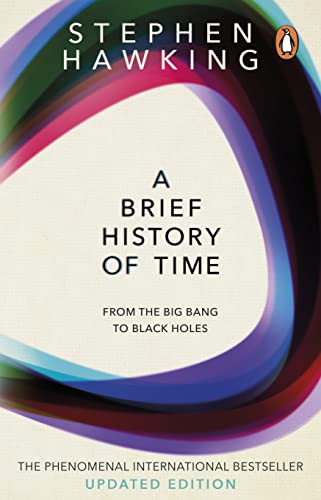
Hawking's classic on the Big Bang, black holes and the nature of time.
3. Astrophysics for People in a Hurry by Neil deGrasse Tyson
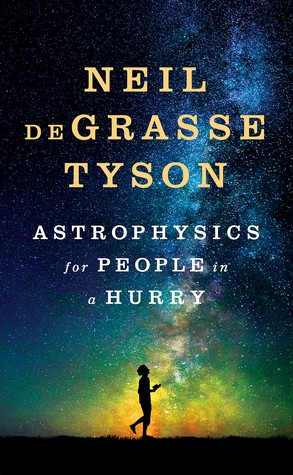
The essentials of the universe in short chapters.
4. Physics of the Impossible by Michio Kaku
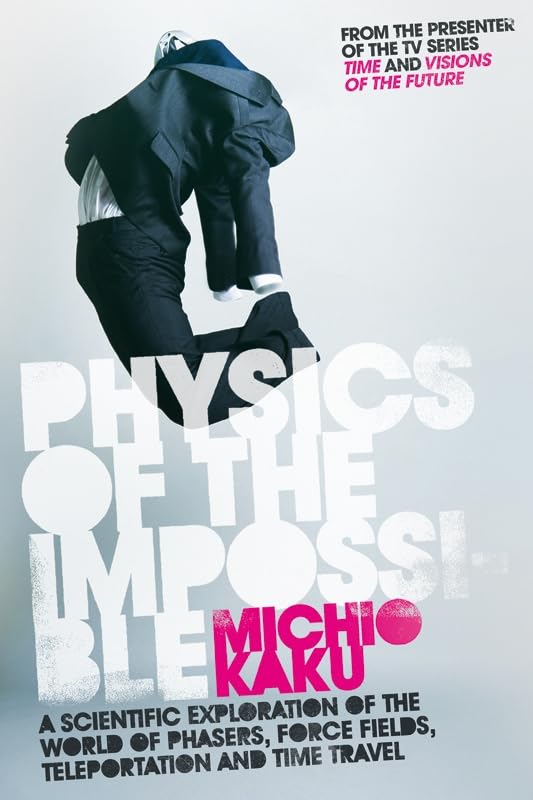
Could force fields, teleportation and time travel really work?
5. Six Easy Pieces by Richard P. Feynman
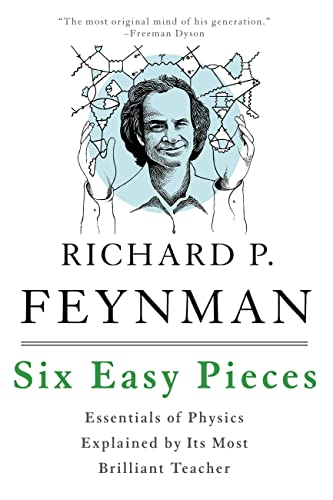
The most accessible chapters from Feynman's famous lectures.
6. The Elegant Universe by Brian Greene
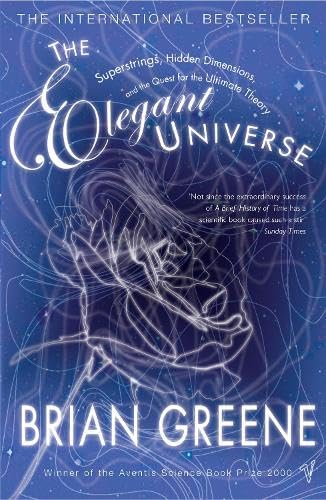
The search for a theory of everything.
7. What If? by Randall Munroe
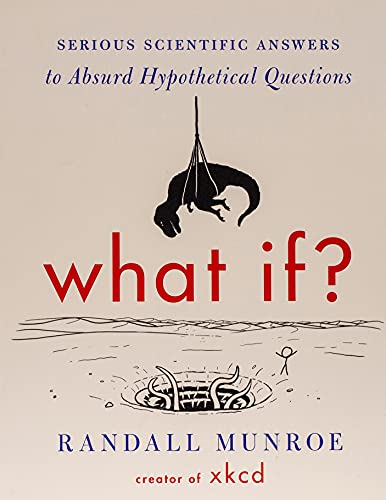
Scientific answers to absurd hypothetical questions.
8. We Have No Idea by Jorge Cham and Daniel Whiteson
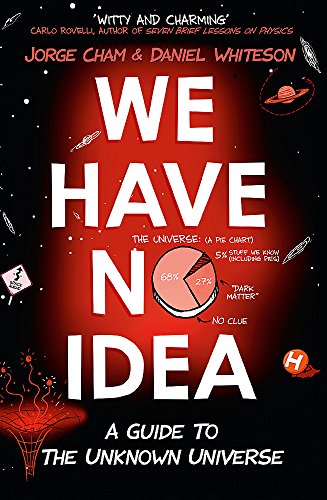
A funny guide to the mysteries of the universe.
9. The Order of Time by Carlo Rovelli
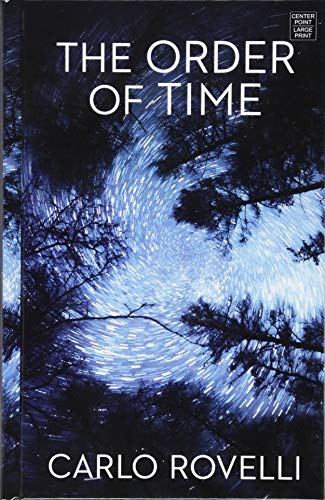
What physics says about time.
10. Thing Explainer by Randall Munroe
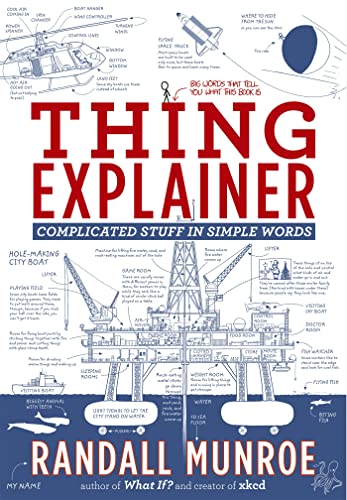
Complicated things explained with simple words.
11. Physics for Future Presidents by Richard A. Muller
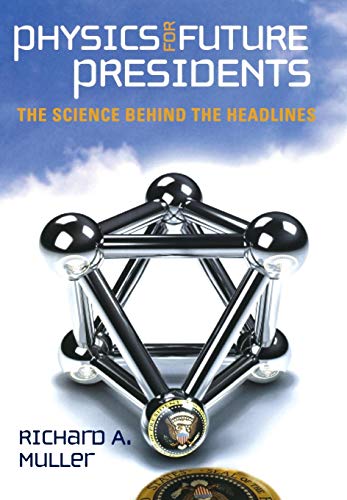
Energy, nuclear power and climate.
12. The Theoretical Minimum by Leonard Susskind and George Hrabovsky
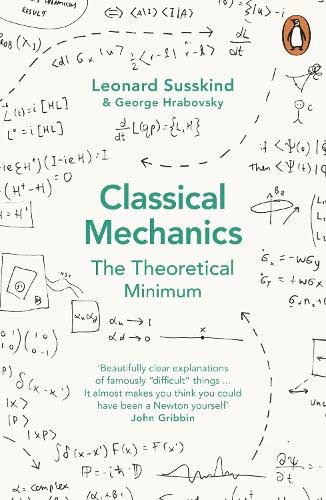
What you need to start doing physics.
13. Why Does E=mc²? by Brian Cox and Jeff Forshaw
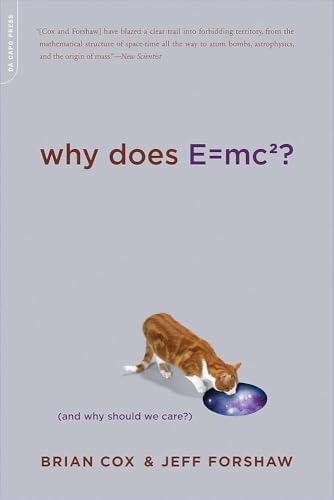
Einstein's famous equation explained.
14. Surely You're Joking, Mr. Feynman! by Richard P. Feynman
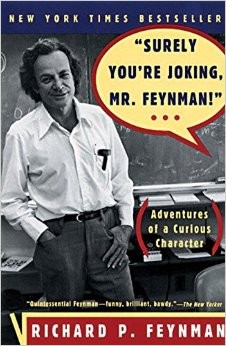
Feynman's funny adventures.
15. The Fabric of the Cosmos by Brian Greene
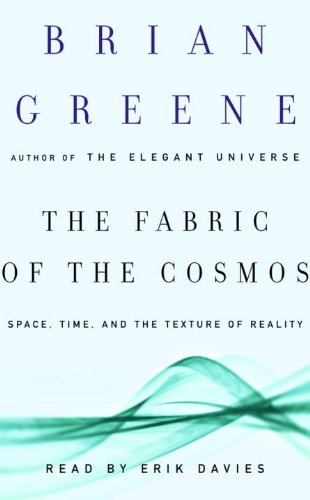
The nature of space, time and reality.
How to Choose
Start with Seven Brief Lessons on Physics or What If? for a fun first read. If you want maths, The Theoretical Minimum is the best step up.
How We Chose These Books
Every pick is a real, widely available book with strong reviews from readers, teachers or librarians. We mixed well-known favourites with a few less obvious titles and noted who each one suits best. Check the description and the table before you buy, and borrow a copy from the library first if you are unsure.
Tips for Getting the Most From These Books
- Start with one. Pick the title that matches your goal today, not the longest one on the list.
- Sample first. Read the opening chapter in a library copy or ebook preview before you buy.
- Try audio. Many of these work well as audiobooks on a commute or walk.
- Mix formats. Try an audiobook or ebook version of one pick to see which format clicks.
- Keep a list. Jot down the titles you finish so you can look for more by the same authors.
Frequently Asked Questions
Which book should I start with?
Seven Brief Lessons on Physics by Carlo Rovelli is a strong first pick, and every book on this list is worth a look.
Where can I find these books?
Most of these titles are easy to find at public libraries and bookshops, and many are also available as ebooks or audiobooks.
Related: A Brief History of Time by Stephen Hawking: Summary and Key Takeaways