
Disclosure: As an Amazon Associate, Bookish Wisdom earns from qualifying purchases. This doesn't change our picks or your price.
Quick answer: The best books on critical thinking for beginners include Thinking, Fast and Slow by Daniel Kahneman, The Skeptics' Guide to the Universe by Steven Novella and others and Asking the Right Questions by M. Neil Browne and Stuart M. Keeley, plus twelve more strong picks. Each one below has a short description and who it suits best, with a quick table to compare them.
Critical thinking means questioning claims, spotting bias and reasoning clearly before you decide. These beginner books teach logic, scepticism and better decision-making in plain language, with examples from everyday life, news and science.
Table of Contents
Quick Picks at a Glance
| Book | Author | Best for |
|---|---|---|
| Thinking, Fast and Slow | Daniel Kahneman | cognitive biases |
| The Skeptics' Guide to the Universe | Steven Novella and others | scientific scepticism |
| Asking the Right Questions | M. Neil Browne and Stuart M. Keeley | classroom guides |
| An Illustrated Book of Bad Arguments | Ali Almossawi | logical fallacies |
| The Art of Thinking Clearly | Rolf Dobelli | everyday biases |
| Factfulness | Hans Rosling | data |
| Calling Bullshit | Carl T. Bergstrom and Jevin D. West | data literacy |
| Thinking in Bets | Annie Duke | decisions |
| Think Again | Adam Grant | open minds |
| The Scout Mindset | Julia Galef | seeing clearly |
| How to Lie with Statistics | Darrell Huff | statistics |
| Superforecasting | Philip E. Tetlock and Dan Gardner | prediction |
| Mistakes Were Made (but Not by Me) | Carol Tavris and Elliot Aronson | self-justification |
| A Rulebook for Arguments | Anthony Weston | logic |
| The Black Swan | Nassim Nicholas Taleb | uncertainty |
1. Thinking, Fast and Slow by Daniel Kahneman
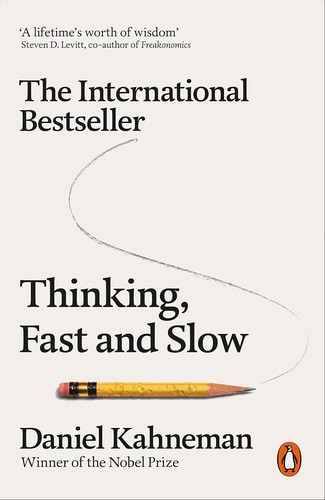
A Nobel winner explains the mental shortcuts that lead us astray.
2. The Skeptics' Guide to the Universe by Steven Novella and others
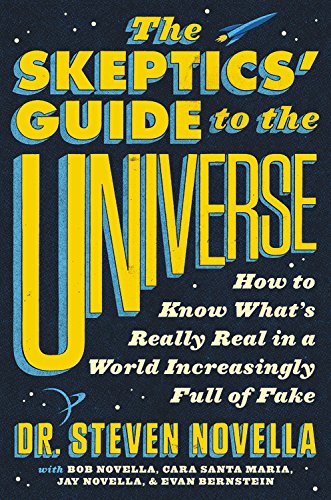
A podcast host's guide to telling real science from pseudoscience and hype.
3. Asking the Right Questions by M. Neil Browne and Stuart M. Keeley
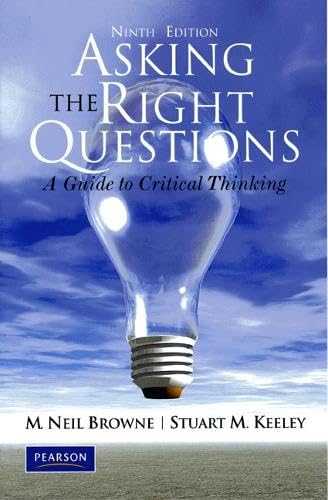
A step-by-step guide to evaluating arguments.
4. An Illustrated Book of Bad Arguments by Ali Almossawi
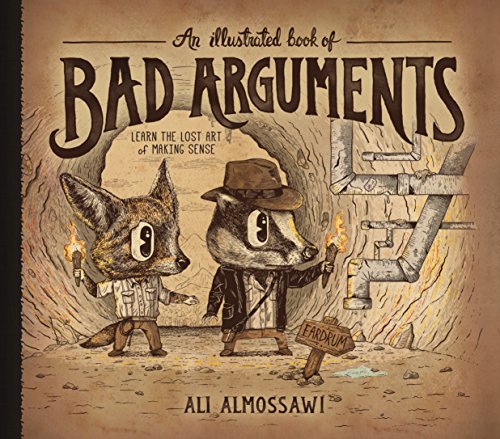
Short illustrated explanations of common fallacies.
5. The Art of Thinking Clearly by Rolf Dobelli
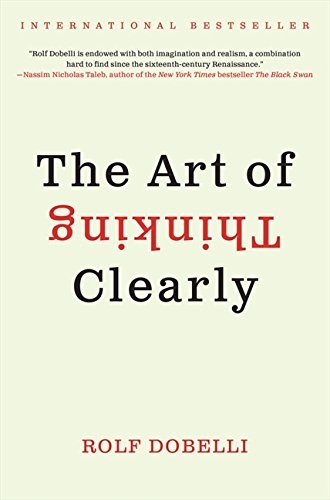
Ninety-nine thinking errors in short chapters.
6. Factfulness by Hans Rosling
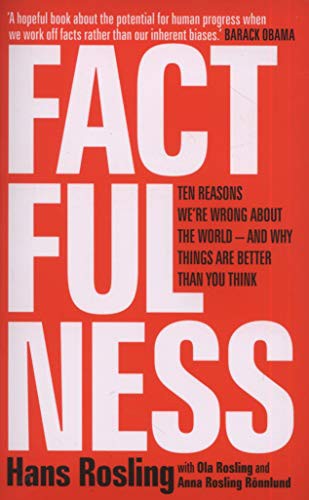
Ten instincts that distort how we see the world.
7. Calling Bullshit by Carl T. Bergstrom and Jevin D. West
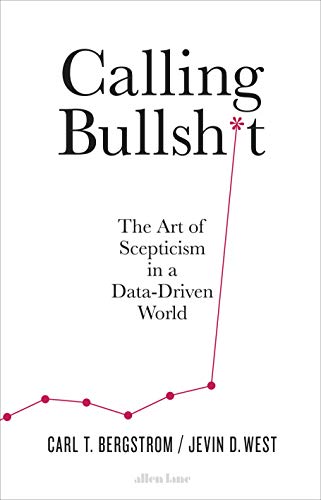
How to spot misleading numbers and claims.
8. Thinking in Bets by Annie Duke
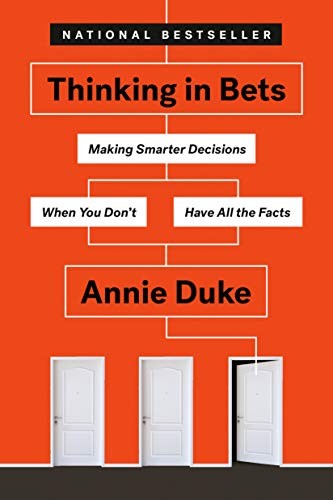
A poker champion on decisions under uncertainty.
9. Think Again by Adam Grant
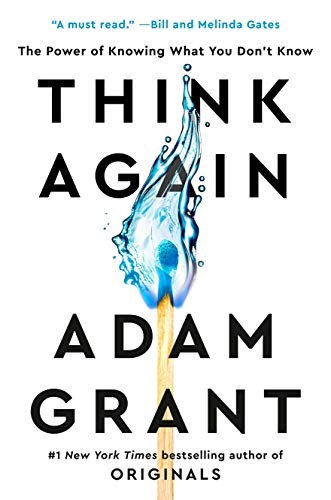
The power of rethinking.
10. The Scout Mindset by Julia Galef
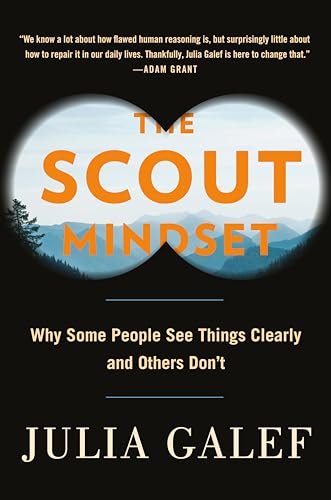
Why some people see things clearly and others don't.
11. How to Lie with Statistics by Darrell Huff
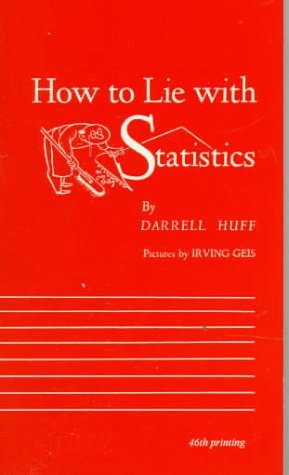
A classic on misleading numbers.
12. Superforecasting by Philip E. Tetlock and Dan Gardner
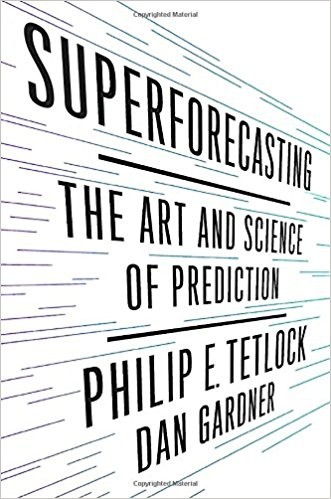
How to forecast better.
13. Mistakes Were Made (but Not by Me) by Carol Tavris and Elliot Aronson
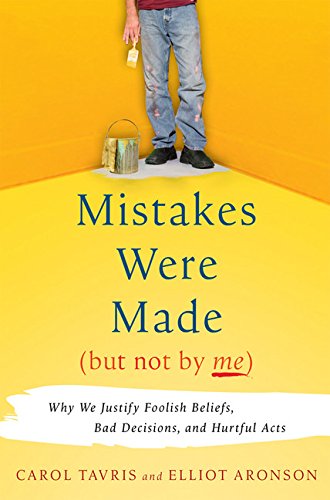
Why we justify bad decisions.
14. A Rulebook for Arguments by Anthony Weston
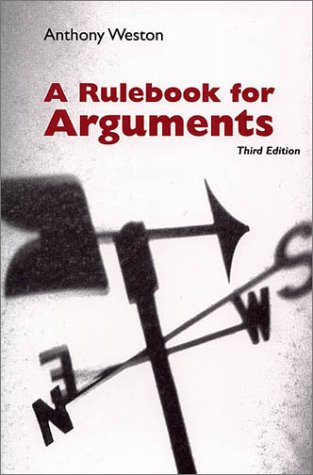
A short guide to building good arguments.
15. The Black Swan by Nassim Nicholas Taleb
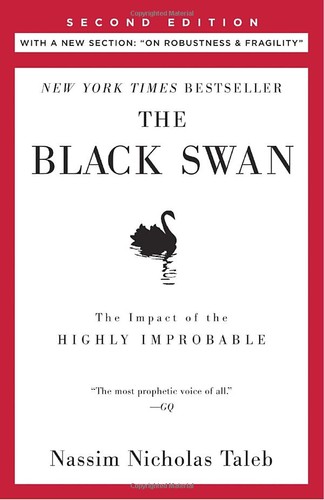
Rare events that change everything.
How to Choose
Start with An Illustrated Book of Bad Arguments for a quick win, then The Scout Mindset or Thinking, Fast and Slow for depth.
How We Chose These Books
Every pick is a real, widely available book with strong reviews from readers, teachers or librarians. We mixed well-known favourites with a few less obvious titles and noted who each one suits best. Check the description and the table before you buy, and borrow a copy from the library first if you are unsure.
Tips for Getting the Most From These Books
- Start with one. Pick the title that matches your goal today, not the longest one on the list.
- Sample first. Read the opening chapter in a library copy or ebook preview before you buy.
- Try audio. Many of these work well as audiobooks on a commute or walk.
- Mix formats. Try an audiobook or ebook version of one pick to see which format clicks.
- Keep a list. Jot down the titles you finish so you can look for more by the same authors.
Frequently Asked Questions
Which book should I start with?
Thinking, Fast and Slow by Daniel Kahneman is a strong first pick, and every book on this list is worth a look.
Where can I find these books?
Most of these titles are easy to find at public libraries and bookshops, and many are also available as ebooks or audiobooks.
Related: Thinking, Fast and Slow by Daniel Kahneman: Summary and Key Takeaways · The Art of Thinking Clearly by Rolf Dobelli: Summary and Key Takeaways