
Disclosure: As an Amazon Associate, Bookish Wisdom earns from qualifying purchases. This doesn’t change our picks or your price.
Quick answer: The best books on sales include To Sell Is Human, The Go-Giver, SPIN Selling, The Challenger Sale, Gap Selling and Fanatical Prospecting. Start with To Sell Is Human or The Go-Giver for mindset, then SPIN Selling and The Challenger Sale for method.
Everyone sells something: ideas, services, products or themselves. Sales, at its best, is the process of understanding a problem and helping someone solve it. The books in this list explain how to build rapport, ask good questions, handle objections and close ethically. They range from research-based frameworks used by large companies to inspirational stories about generosity and persistence. Some emphasize consultative selling, others prospecting or negotiation. Whether you are in a formal sales job, a founder pitching customers or a professional who needs to persuade, these books will sharpen your skills. Read one, apply a technique in your next conversation and track what happens. Selling gets easier when you focus on service.
Table of Contents
Quick Picks at a Glance
| Book | Author | Focus | Best For |
|---|---|---|---|
| To Sell Is Human | Daniel H. Pink | Mindset | readers who dislike selling |
| The Go-Giver | Bob Burg and John David Mann | Parable | readers who like stories |
| SPIN Selling | Neil Rackham | Method | B2B sales professionals |
| The Challenger Sale | Matthew Dixon and Brent Adamson | Method | complex sales |
| Gap Selling | Keenan | Method | sales teams |
| Fanatical Prospecting | Jeb Blount | Prospecting | salespeople who need pipeline |
| The Psychology of Selling | Brian Tracy | Classic | readers who want a broad guide |
| Never Split the Difference | Chris Voss | Negotiation | salespeople negotiating terms |
| Influence | Robert B. Cialdini | Persuasion | readers who want the science |
| Pitch Anything | Oren Klaff | Pitching | founders and presenters |
| How to Win Friends and Influence People | Dale Carnegie | Classic | readers new to people skills |
| Sell or Be Sold | Grant Cardone | Motivation | readers who like intensity |
| The Little Red Book of Selling | Jeffrey Gitomer | Short guide | readers who like punchy advice |
| Predictable Revenue | Aaron Ross and Marylou Tyler | Sales process | startup sales teams |
| Start with Why | Simon Sinek | Purpose | leaders and salespeople |
1. To Sell Is Human by Daniel H. Pink
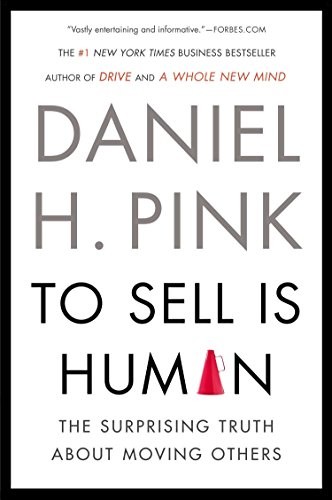
Pink argues that most people spend much of their time moving others, and he offers research-based tips such as attunement and buoyancy. Accessible and encouraging.
Best for: readers who dislike selling.
2. The Go-Giver by Bob Burg and John David Mann
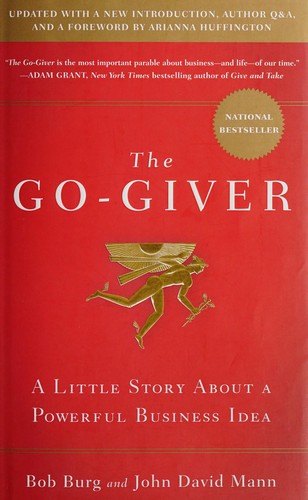
A short parable about giving value and building relationships. Easy to read and inspiring.
Best for: readers who like stories.
3. SPIN Selling by Neil Rackham
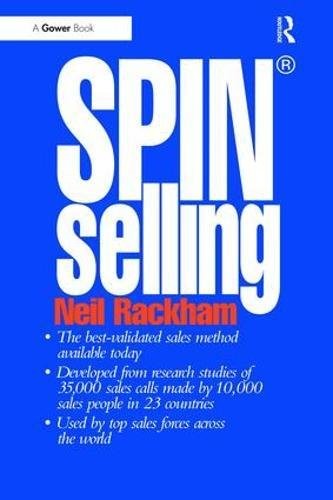
Based on research of 35,000 sales calls, it introduces Situation, Problem, Implication and Need-payoff questions.
Best for: B2B sales professionals.
4. The Challenger Sale by Matthew Dixon and Brent Adamson
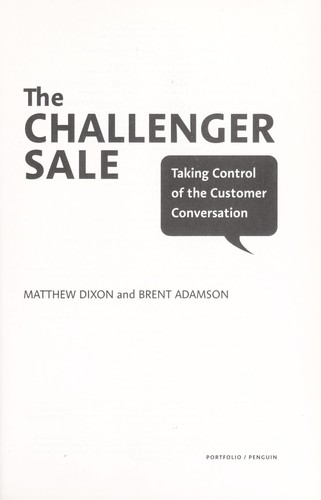
Argues that top performers teach, tailor and take control. Based on research, widely used in B2B sales.
Best for: complex sales.
5. Gap Selling by Keenan
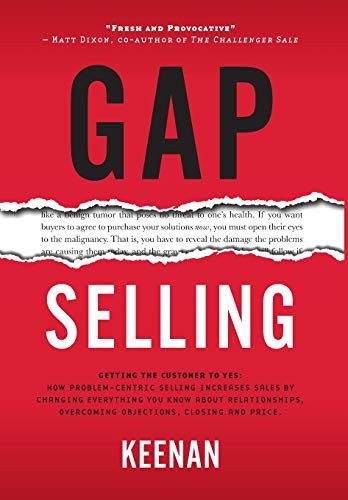
Explains selling as solving the gap between current and future state. Direct and structured.
Best for: sales teams.
6. Fanatical Prospecting by Jeb Blount
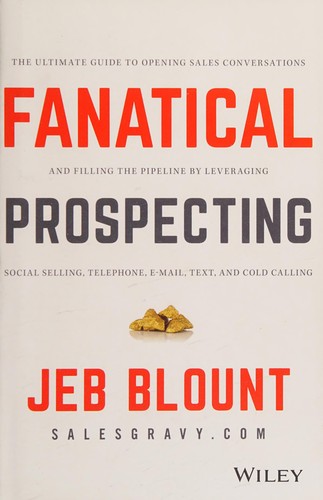
Practical guidance on building a pipeline through calling, email and social.
Best for: salespeople who need pipeline.
7. The Psychology of Selling by Brian Tracy
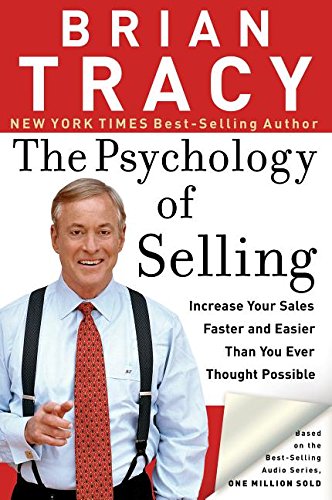
Tracy covers mindset, rapport and closing with plenty of tips.
Best for: readers who want a broad guide.
8. Never Split the Difference by Chris Voss
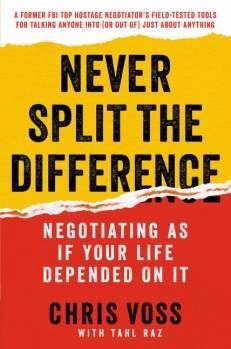
A former FBI negotiator teaches tactical empathy.
Best for: salespeople negotiating terms.
9. Influence by Robert B. Cialdini
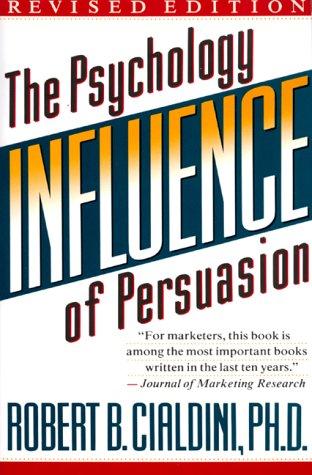
Presents six principles of persuasion.
Best for: readers who want the science.
10. Pitch Anything by Oren Klaff
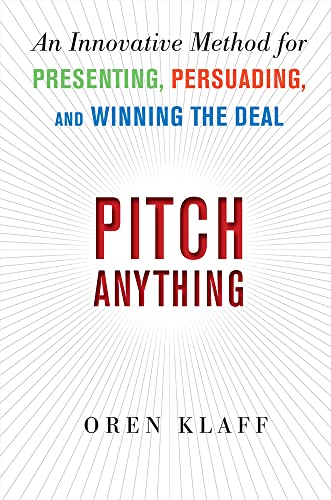
Klaff offers a method for pitching based on brain science and frame control. Opinionated.
Best for: founders and presenters.
11. How to Win Friends and Influence People by Dale Carnegie
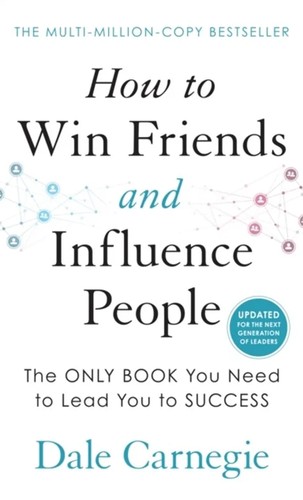
Timeless advice on listening and showing interest.
Best for: readers new to people skills.
12. Sell or Be Sold by Grant Cardone
Cardone’s high-energy case for taking control of your career through selling.
Best for: readers who like intensity.
13. The Little Red Book of Selling by Jeffrey Gitomer
Short chapters on the principles of sales success.
Best for: readers who like punchy advice.
14. Predictable Revenue by Aaron Ross and Marylou Tyler
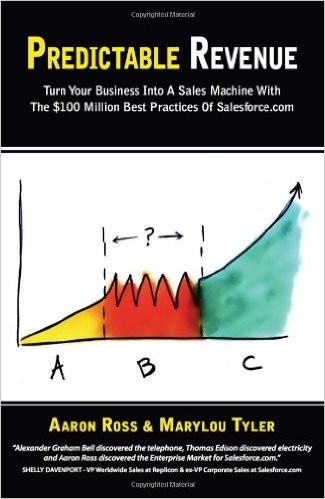
Describes how Salesforce built an outbound sales machine by separating roles like prospecting and closing. Influential in software sales.
Best for: startup sales teams.
15. Start with Why by Simon Sinek
Argues that people buy why you do it. Inspirational.
Best for: leaders and salespeople.
How to Choose the Right Book on Sales
Choose by challenge. For mindset, To Sell Is Human, The Go-Giver and How to Win Friends and Influence People reframe selling as helping. For method, SPIN Selling, The Challenger Sale and Gap Selling teach structured conversations. For prospecting, Fanatical Prospecting gives tactics. For negotiation and persuasion, Never Split the Difference, Influence and Pitch Anything help. For motivation, The Psychology of Selling and The Little Red Book of Selling are classics. Practice with real calls and ask for feedback.
Which Book Should You Start With? A Quick Guide
If you are not sure where to begin, match your situation to the list below.
- Readers who dislike selling: To Sell Is Human
- Readers who like stories: The Go-Giver
- B2B sales professionals: SPIN Selling
- Complex sales: The Challenger Sale
- Sales teams: Gap Selling
- Salespeople who need pipeline: Fanatical Prospecting
- Readers who want a broad guide: The Psychology of Selling
- Salespeople negotiating terms: Never Split the Difference
- Readers who want the science: Influence
- Founders and presenters: Pitch Anything
- Readers new to people skills: How to Win Friends and Influence People
- Readers who like intensity: Sell or Be Sold
- Readers who like punchy advice: The Little Red Book of Selling
- Startup sales teams: Predictable Revenue
- Leaders and salespeople: Start with Why
A Simple Reading Plan
Treat this list as a menu, not an assignment. Start with To Sell Is Human, because it gives you a clear overview of sales without demanding much from you. Read in short sessions and underline or note the passages that make you stop. After a week or two, move to The Go-Giver for a different angle, then SPIN Selling when you want more depth. Spacing the books out gives the ideas time to settle, and applying one small idea per week is worth more than rushing through the whole shelf. Revisit your notes at the end of each month to see what has actually changed.
Print, E-Book or Audiobook?
Format matters more than people expect. If you tend to forget what you read, choose print or an e-book so you can underline and review. If your time is limited, audiobooks fit into the gaps of your day. For a topic like sales, short chapters are an advantage, since you can finish one in a single sitting and think about it afterward. Libraries lend e-books and audiobooks free, and many offer print copies of new releases through holds. Try one format for a week and switch if it is not working.
How to Get More From What You Read
Reading about sales only helps if something changes afterward, so build a small habit around it. Keep a notebook or a notes app, and after each chapter write one sentence about what stood out and one action you could take. Choose a single idea per week to test, such as a new routine, a conversation or a different way of thinking. Discuss what you are reading with a friend, a partner or an online group, since explaining an idea out loud makes it stick. Review your notes monthly and drop anything that did not help. The aim is progress you can notice, not a long reading list.
Reading on a Budget
Good books on sales are easier to afford than most people think. Library cards open up print, e-book and audiobook borrowing, and interlibrary loan can find titles your branch does not own. Used copies cost a fraction of new ones, and many of the classics are inexpensive in paperback. Try a sample chapter online to see whether an author’s voice suits you before you commit. If you finish a book you love, consider passing it to a friend, which keeps the ideas moving and your shelf uncluttered.
Talk About What You Read
Ideas stick when you talk about them. Choose one book from this list and invite a friend, partner or colleague to read it with you, then meet for coffee to compare notes on sales. Online communities and library groups also host discussions, and many of these books have free reading guides. If you prefer privacy, a journal works well: write a paragraph after each chapter on what you agree with, what you doubt and what you will try. Teaching an idea to someone else is one of the best ways to learn it, so explain what you read in your own words.
Common Mistakes to Avoid
A few pitfalls are worth avoiding. Do not buy a dozen books on sales in one go; borrow one, finish it and then decide what to read next. Do not expect a single book to transform your life overnight, since the best ones work through small, repeated actions. Be cautious of any author who promises guaranteed results, and check an author’s credentials and sources. Finally, do not use reading as a way of avoiding action. If you notice yourself finishing book after book without changing anything, pick one idea and practice it this week.
How to Judge a Book on Sales
Not every book on sales is equally reliable. Before you trust one, check the author’s background: are they a researcher, clinician, journalist or someone writing from lived experience? Each can be valuable, but they offer different things. Look for notes and references at the back, which show the claims can be checked. Be wary of books that promise a quick fix, rely on a single story or dismiss all other views. Read a few reviews from people with different perspectives, and treat bold claims as hypotheses to test in your own life. A good book invites questions instead of demanding agreement.
When Reading Is Not Enough
Reading can illuminate and encourage, yet some situations need more than a book. If you notice that your struggles with sales are getting worse, lasting a long time or affecting your health, reach out to a professional you trust. Local libraries, community centers and workplaces often offer free resources, classes or referrals. Sharing what you are reading with a friend can open the door to a supportive conversation. Use these books as companions on the journey, and let real people walk it with you.
Questions to Reflect On
Keep these in a notebook and return to them after each book:
- What do I most want to understand or change about {t}?
- Which idea from my reading feels true for me, and which do I doubt?
- What is one small action I can take this week?
- Who could I talk to about what I am learning?
- How will I know in a month that this reading helped?
Tips for Reading About Sales
- Ask better questions. Listen more than you talk.
- Solve a problem. Focus on the customer’s goals.
- Follow up. Many sales happen after several contacts.
- Track your process. Know your numbers.
- Be honest. Trust drives long-term success.
Related: 15 Best Books on Copywriting and the 7 Habits of Highly Effective People Summary and Key Takeaways.
Frequently Asked Questions
What is the best book on sales?
SPIN Selling, The Challenger Sale and To Sell Is Human are widely recommended.
Which sales book is best for beginners?
The Go-Giver and How to Win Friends and Influence People are accessible.
How can I overcome fear of selling?
Reframe it as helping and practice conversations in low-stakes settings.
How many books on sales should I read at once?
One or two at a time is plenty. Finish a book, try one idea from it and then move on, so what you read turns into something you do.
Are these books on sales available as audiobooks?
Most of them are. Check your library’s app, such as Libby, or an audiobook service, and listen to a sample to see whether the narrator suits you.