

Disclosure: As an Amazon Associate, Bookish Wisdom earns from qualifying purchases. This doesn’t change our picks or your price.
Quick answer: The best books on shadow work include Owning Your Own Shadow, Meeting the Shadow, Romancing the Shadow, The Dark Side of the Light Chasers, Shadow Work Journal and Man and His Symbols. Start with Owning Your Own Shadow, a short and clear introduction, then explore Meeting the Shadow or The Dark Side of the Light Chasers.
Shadow work can bring up painful memories. If you feel overwhelmed, pause and consider speaking with a licensed therapist. In the United States, call or text 988 if you are in crisis.
Shadow work is the practice of exploring the parts of yourself that you have hidden, denied or never learned to accept. The term comes from Carl Jung, who described the shadow as the unconscious side of personality that holds both rejected traits and untapped strengths. Today, readers use shadow work to understand patterns such as irritability, envy, perfectionism or the tendency to project qualities onto others. The books in this list include Jungian classics, modern guides and workbooks with prompts. Shadow work can stir strong emotions, so proceed gently and consider working with a therapist if you notice painful material coming up. Read, reflect and write, and remember that the goal is acceptance, not self-punishment.
Table of Contents
Quick Picks at a Glance
| Book | Author | Approach | Best For |
|---|---|---|---|
| Owning Your Own Shadow | Robert A. Johnson | Introduction | beginners |
| Meeting the Shadow | Connie Zweig and Jeremiah Abrams | Anthology | readers who want many voices |
| Romancing the Shadow | Connie Zweig and Steve Wolf | Practice | readers who want guidance |
| The Dark Side of the Light Chasers | Debbie Ford | Popular guide | readers who like self-help |
| Shadow Work Journal | Keila Shaheen | Workbook | journalers |
| Man and His Symbols | Carl Jung | Jung | readers who want the source |
| Modern Man in Search of a Soul | Carl Jung | Jung | readers who like essays |
| Memories, Dreams, Reflections | Carl Jung | Autobiography | readers who like life stories |
| Jung’s Map of the Soul | Murray Stein | Guide | readers who want a clear explanation |
| Healing the Shame That Binds You | John Bradshaw | Shame | readers dealing with shame |
| The Body Keeps the Score | Bessel van der Kolk | Trauma | readers exploring deeper wounds |
| Atlas of the Heart | Brené Brown | Emotions | readers who need vocabulary |
| Radical Acceptance | Tara Brach | Self-compassion | readers who judge themselves |
| Women Who Run with the Wolves | Clarissa Pinkola Estés | Myth | readers who like stories |
| Iron John | Robert Bly | Myth | readers interested in masculinity |
1. Owning Your Own Shadow by Robert A. Johnson
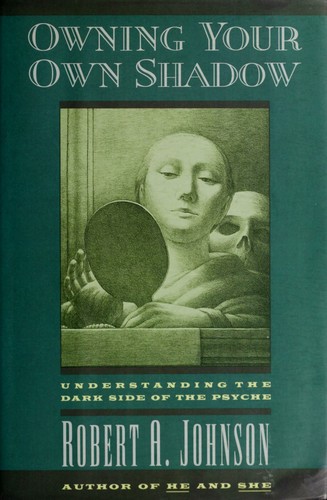
A brief and clear book that explains what the shadow is, how it appears in daily life and how to integrate it. Johnson, a Jungian analyst, writes in plain language.
Best for: beginners.
2. Meeting the Shadow by Connie Zweig and Jeremiah Abrams
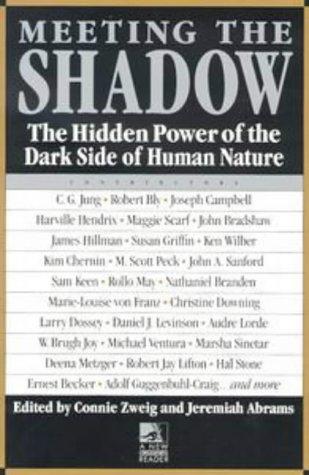
A collection of essays by thinkers such as Jung, Robert Bly and others on the dark side of human nature. Broad and stimulating.
Best for: readers who want many voices.
3. Romancing the Shadow by Connie Zweig and Steve Wolf
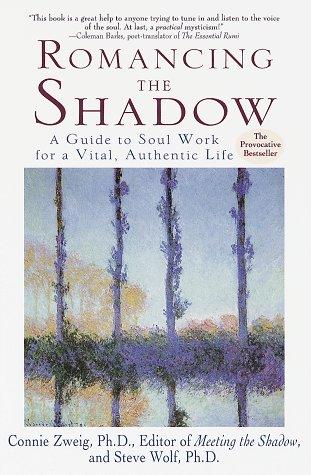
Provides exercises for exploring and integrating the shadow, focusing on creativity and relationships.
Best for: readers who want guidance.
4. The Dark Side of the Light Chasers by Debbie Ford
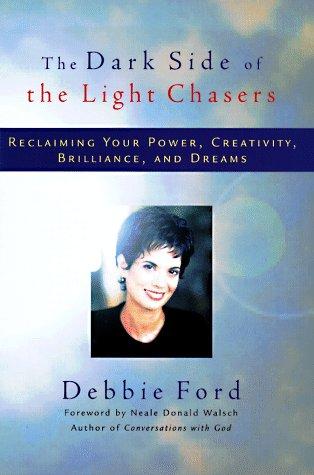
Ford argues that we must embrace our shadow traits to become whole. Accessible, with exercises and stories.
Best for: readers who like self-help.
5. Shadow Work Journal by Keila Shaheen
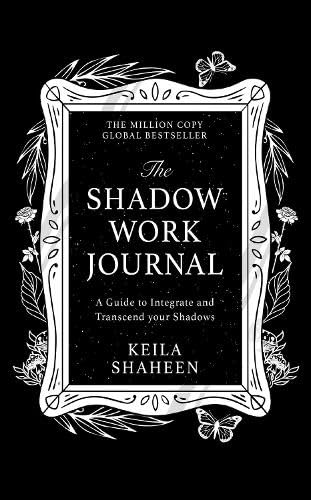
A prompt-based workbook for exploring childhood patterns and hidden beliefs. Popular on social media; use it alongside therapy if difficult feelings arise.
Best for: journalers.
6. Man and His Symbols by Carl Jung
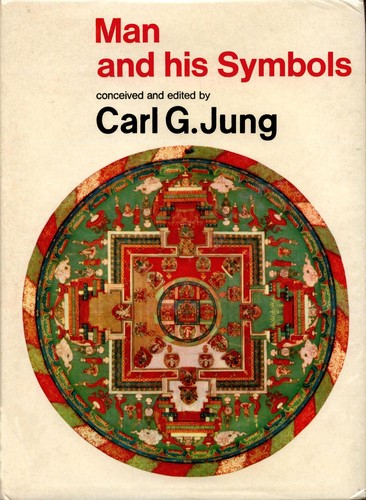
Jung’s accessible introduction to dreams, archetypes and the unconscious, with illustrations. Includes his thinking on the shadow.
Best for: readers who want the source.
7. Modern Man in Search of a Soul by Carl Jung
Essays on dream analysis, the stages of life and psychology. A bridge from popular to original Jung.
Best for: readers who like essays.
8. Memories, Dreams, Reflections by Carl Jung

Jung’s autobiography shows where his ideas came from, including his encounters with his own shadow.
Best for: readers who like life stories.
9. Jung’s Map of the Soul by Murray Stein
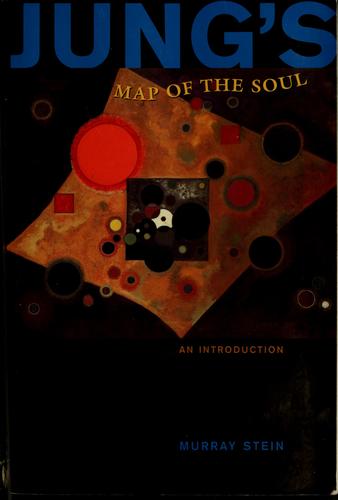
An illustrated overview of Jung’s concepts, including the shadow, persona and self. Clear and concise.
Best for: readers who want a clear explanation.
10. Healing the Shame That Binds You by John Bradshaw
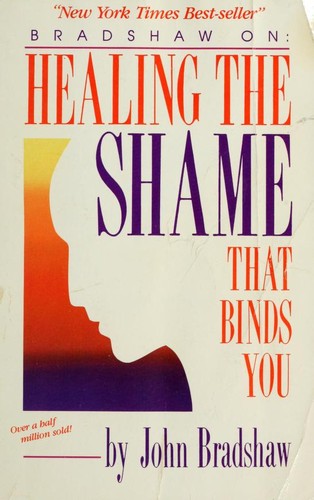
Bradshaw explains how toxic shame forms and offers ways to heal. Dated in places but widely read.
Best for: readers dealing with shame.
11. The Body Keeps the Score by Bessel van der Kolk
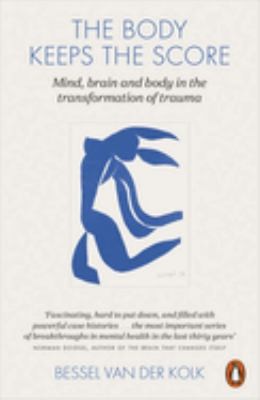
Explains how trauma affects the body and mind and what therapies help. Dense and heavy. Content note: descriptions of trauma and abuse.
Best for: readers exploring deeper wounds.
12. Atlas of the Heart by Brené Brown
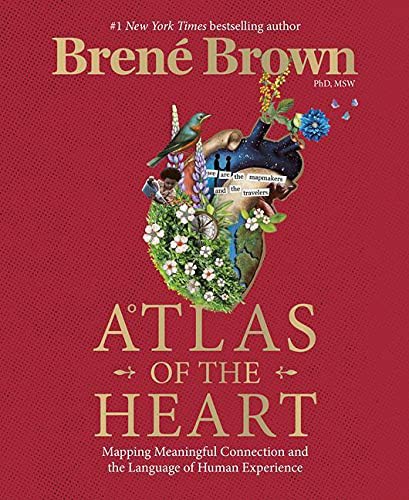
Maps eighty-seven emotions with definitions. Useful for naming feelings that come up in shadow work.
Best for: readers who need vocabulary.
13. Radical Acceptance by Tara Brach
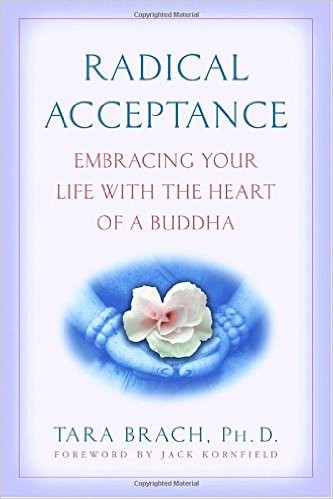
Combines psychology and mindfulness to help readers meet their inner life with kindness.
Best for: readers who judge themselves.
14. Women Who Run with the Wolves by Clarissa Pinkola Estés

Uses myths and fairy tales to explore the wild, instinctive self. Poetic and long.
Best for: readers who like stories.
15. Iron John by Robert Bly
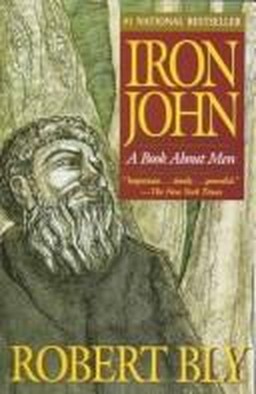
Bly uses a fairy tale to discuss the shadow and initiation for men. A foundational book in men’s work.
Best for: readers interested in masculinity.
How to Choose the Right Book on Shadow Work
Choose by approach. For a short introduction, Owning Your Own Shadow is ideal. For a collection of essays by many authors, Meeting the Shadow and Romancing the Shadow are classics. For a practical, popular guide, The Dark Side of the Light Chasers and the Shadow Work Journal offer prompts. For original Jung, Man and His Symbols and Modern Man in Search of a Soul are readable. For related topics like shame and trauma, Healing the Shame That Binds You and The Body Keeps the Score help. Take breaks, and balance reflection with real-life support.
Which Book Should You Start With? A Quick Guide
If you are not sure where to begin, match your situation to the list below.
- Beginners: Owning Your Own Shadow
- Readers who want many voices: Meeting the Shadow
- Readers who want guidance: Romancing the Shadow
- Readers who like self-help: The Dark Side of the Light Chasers
- Journalers: Shadow Work Journal
- Readers who want the source: Man and His Symbols
- Readers who like essays: Modern Man in Search of a Soul
- Readers who like life stories: Memories, Dreams, Reflections
- Readers who want a clear explanation: Jung’s Map of the Soul
- Readers dealing with shame: Healing the Shame That Binds You
- Readers exploring deeper wounds: The Body Keeps the Score
- Readers who need vocabulary: Atlas of the Heart
- Readers who judge themselves: Radical Acceptance
- Readers who like stories: Women Who Run with the Wolves
- Readers interested in masculinity: Iron John
A Simple Reading Plan
A sensible order helps you build momentum. Open with Owning Your Own Shadow, which is accessible and encouraging, and finish it before you buy anything else. Next, choose Meeting the Shadow to deepen what you learned, then Romancing the Shadow when you are ready for a different voice or a more demanding read. Between books, take a few days to try something you learned, because shadow work is easier to understand once you have tested it in real life. Keep a simple note on your phone with the title, your rating and one takeaway for each book you complete.
Print, E-Book or Audiobook?
Print, e-book and audiobook each suit different readers. Print is best for books you want to mark up and return to, which is useful for practical guides on shadow work. E-books are cheap, portable and easy to search, and they make it simple to highlight a passage and find it again later. Audiobooks turn commutes, chores and walks into reading time, and a good narrator can make a heavy book on shadow work easier to take in. Your public library offers all three through apps like Libby, so you can try a title before buying it. Many readers use two formats for the same book, listening first and then skimming a print copy for notes.
How to Get More From What You Read
To get more from these books, read with a pen and a question. Decide before you start what you hope to learn about shadow work, and check at the end of each chapter whether you found it. Mark passages that feel true for you, and write down the ones you disagree with, since disagreement is also learning. Pick one practice from each book and try it for two weeks before judging it. Talking about the ideas with someone you trust, or writing a few lines in a journal, helps them move from your head into your life. Be patient with yourself; change comes in small steps.
Reading on a Budget
You do not need to buy all of these books. Your public library likely lends print, e-book and audiobook copies of many titles on shadow work for free, and the hold feature lets you queue for popular ones. Used paperbacks are usually a few dollars, and thrift stores, library sales and swap groups are good sources. If you want to own a book you will mark up, buy the print edition; if you want to try several, borrow first and buy only the ones you finish and love. Subscription audiobook services often offer a free trial that covers a first title, and some libraries partner with apps that need only a library card.
Talk About What You Read
Reading on your own is valuable, and reading with others adds accountability. Consider forming a small book club around shadow work, taking turns to choose a title from this list. Meet monthly, ask each person to share one idea and one action, and keep the tone supportive rather than competitive. If your friends are not interested, look for a local library group or an online community. A shared conversation helps you notice things you missed, and the encouragement of others makes it easier to keep going when progress feels slow.
Common Mistakes to Avoid
Three mistakes come up again and again. First, readers choose a book that is too advanced or too long and give up on the topic altogether, so start with an accessible title. Second, they read passively, without notes or a plan to use what they learn about shadow work. Third, they expect immediate results and quit when the change is slow. Avoid these by starting small, taking notes and giving each idea at least two weeks. If a book does not suit you, move on; the list above has plenty of other voices.
How to Judge a Book on Shadow work
A few quick checks can save you time when choosing a book on shadow work. Look at who wrote it and what qualifies them. See whether the author cites research or sources, and whether those sources are recent enough to matter. Notice the tone: honest authors admit limits and exceptions, while less reliable ones speak in absolutes. Skim the table of contents and a sample chapter, and read both enthusiastic and critical reviews. If a claim seems too good to be true, search for what other experts say. Reading widely across several authors is the best protection against any single voice.
When Reading Is Not Enough
Books are a good start, but they are not the whole answer to every situation involving shadow work. If your difficulties interfere with sleep, work, relationships or safety, talk with a doctor, counselor or other qualified professional. Support groups, whether in person or online, can give you something books cannot: people who understand and respond. Friends and family can help if you let them know what you need. Think of your reading as one part of a larger toolkit, and do not hesitate to add other tools. Asking for help is a sign of strength and often speeds progress.
Questions to Reflect On
Keep these in a notebook and return to them after each book:
- What do I most want to understand or change about {t}?
- Which idea from my reading feels true for me, and which do I doubt?
- What is one small action I can take this week?
- Who could I talk to about what I am learning?
- How will I know in a month that this reading helped?
Tips for Reading About Shadow work
- Go slowly. Short sessions are safer than marathon journaling.
- Write without judgment. Notice patterns without scolding yourself.
- Look at triggers. What irritates you in others may point to your shadow.
- Seek support. A therapist can help with intense material.
- Balance with joy. Do something restorative after hard reflection.
Related: 15 Best Books on Stoicism and atomic Habits Summary and Key Takeaways.
Frequently Asked Questions
What is the best book on shadow work?
Owning Your Own Shadow is a clear, short introduction. Meeting the Shadow offers a broader view.
Is shadow work safe?
It can stir difficult emotions. If you have a history of trauma, work with a therapist.
Do I need to read Jung first?
No. Guides like Owning Your Own Shadow explain the ideas without the technical language.
How many books on shadow work should I read at once?
One or two at a time is plenty. Finish a book, try one idea from it and then move on, so what you read turns into something you do.
Are these books on shadow work available as audiobooks?
Most of them are. Check your library’s app, such as Libby, or an audiobook service, and listen to a sample to see whether the narrator suits you.