
Disclosure: As an Amazon Associate, Bookish Wisdom earns from qualifying purchases. This doesn’t change our picks or your price.
Quick answer: The best books on side hustles include The $100 Startup, Side Hustle: From Idea to Income in 27 Days, Million Dollar Weekend, Profit First, The Lean Startup and Rework. Start with The $100 Startup or Side Hustle: From Idea to Income in 27 Days, then add Profit First to manage money.
Business, tax and legal rules vary by location. These books are educational and not professional advice.
A side hustle is work you do on top of your main job to earn extra income, build a skill or test a business idea. Millions of people run side hustles, from freelance writing and tutoring to selling crafts and consulting. The best books on the subject help you choose an idea, validate it quickly, set prices and avoid the burnout of doing too much. They also warn that most ventures take time and many fail. This list gathers fifteen books on side hustles and small business, from step-by-step guides to philosophy about working for yourself. Read one, pick a small experiment, and treat it like a test, not a life bet. Check tax and legal rules in your area.
Table of Contents
Quick Picks at a Glance
| Book | Author | Focus | Best For |
|---|---|---|---|
| The $100 Startup | Chris Guillebeau | Small business | readers who want examples |
| Side Hustle: From Idea to Income in 27 Days | Chris Guillebeau | Guide | readers who want a plan |
| Million Dollar Weekend | Noah Kagan | Action | readers who want to start fast |
| Profit First | Mike Michalowicz | Money | small business owners |
| The Lean Startup | Eric Ries | Testing | readers who want a method |
| Rework | Jason Fried and David Heinemeier Hansson | Philosophy | readers who like short chapters |
| Company of One | Paul Jarvis | Small business | readers who want to stay small |
| The 4-Hour Workweek | Timothy Ferriss | Lifestyle | readers who want to rethink work |
| Crushing It! | Gary Vaynerchuk | Social media | readers who like content |
| Choose Yourself | James Altucher | Mindset | readers who like personal essays |
| Building a StoryBrand | Donald Miller | Marketing | readers who need messaging |
| Show Your Work! | Austin Kleon | Sharing | creatives |
| The E-Myth Revisited | Michael E. Gerber | Systems | aspiring business owners |
| The Millionaire Fastlane | MJ DeMarco | Mindset | readers who like bold ideas |
| Atomic Habits | James Clear | Habits | readers building routines |
1. The $100 Startup by Chris Guillebeau
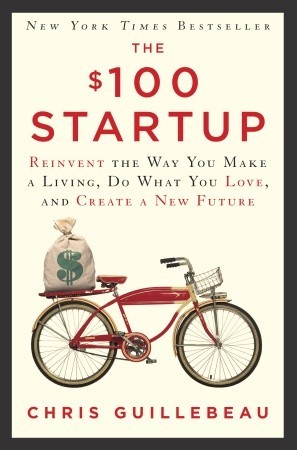
Guillebeau profiles people who started businesses with little money and distills lessons. Inspiring and practical.
Best for: readers who want examples.
2. Side Hustle: From Idea to Income in 27 Days by Chris Guillebeau
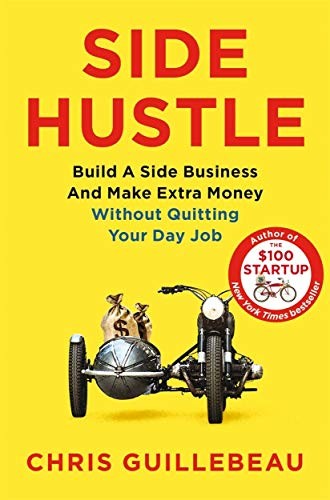
A day-by-day plan to create a side business, with exercises and examples.
Best for: readers who want a plan.
3. Million Dollar Weekend by Noah Kagan
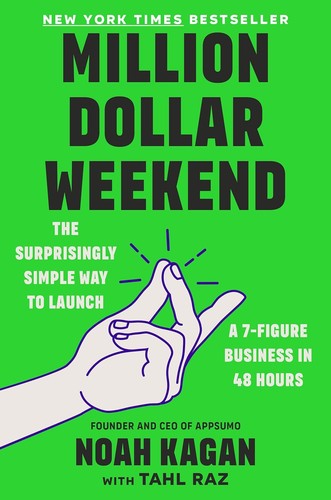
Kagan offers ways to validate ideas quickly and take action. Energetic.
Best for: readers who want to start fast.
4. Profit First by Mike Michalowicz
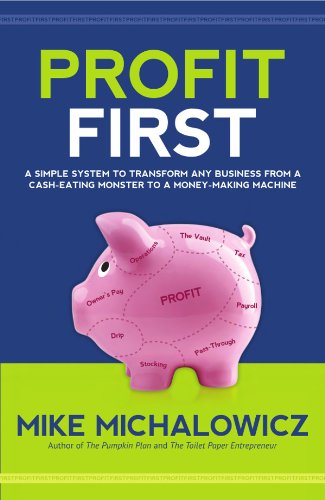
Introduces a system to allocate profit first, then expenses. Simple and practical.
Best for: small business owners.
5. The Lean Startup by Eric Ries
Teaches build-measure-learn cycles for validating ideas.
Best for: readers who want a method.
6. Rework by Jason Fried and David Heinemeier Hansson
Argues for simplicity and independence in business. Provocative and quick.
Best for: readers who like short chapters.
7. Company of One by Paul Jarvis
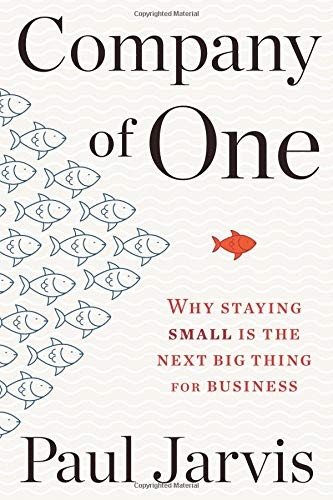
Argues for building a sustainable business focused on quality rather than growth.
Best for: readers who want to stay small.
8. The 4-Hour Workweek by Timothy Ferriss
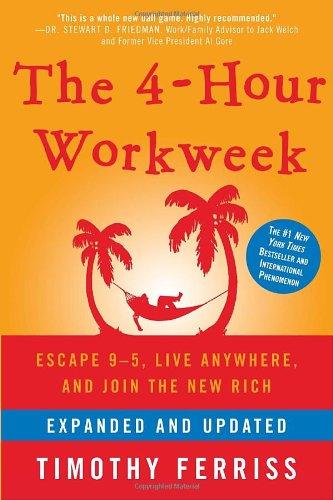
Ferriss explains automation and lifestyle design. Controversial but influential.
Best for: readers who want to rethink work.
9. Crushing It! by Gary Vaynerchuk
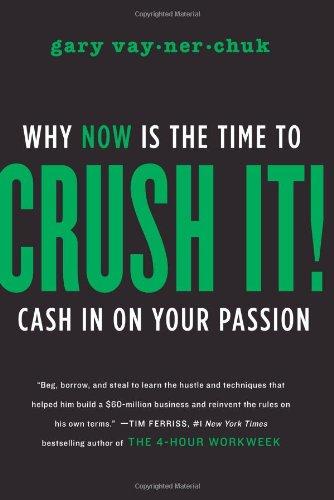
Vaynerchuk shares how to build a personal brand on social platforms. High energy.
Best for: readers who like content.
10. Choose Yourself by James Altucher
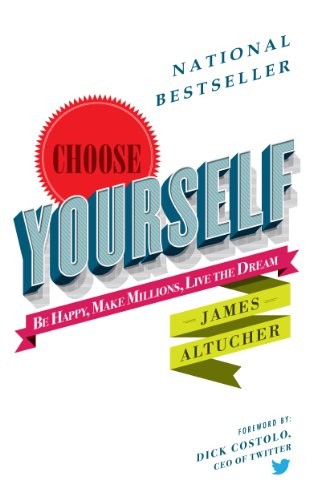
Altucher writes about reinvention in a changing economy.
Best for: readers who like personal essays.
11. Building a StoryBrand by Donald Miller
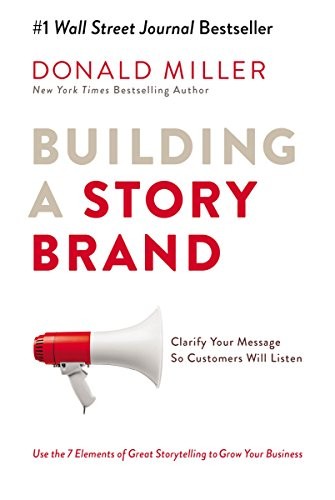
Teaches how to clarify your message with a story framework.
Best for: readers who need messaging.
12. Show Your Work! by Austin Kleon
Short advice on sharing your process to find an audience.
Best for: creatives.
13. The E-Myth Revisited by Michael E. Gerber
Explains why many small businesses fail and how to build systems.
Best for: aspiring business owners.
14. The Millionaire Fastlane by MJ DeMarco
Argues for building scalable businesses. Some claims are exaggerated.
Best for: readers who like bold ideas.
15. Atomic Habits by James Clear
Helps you build daily habits to work on your project.
Best for: readers building routines.
How to Choose the Right Book on Side Hustles
Choose according to your stage. If you need ideas, The $100 Startup and Side Hustle by Chris Guillebeau give examples and a 27-day plan. If you want to validate, The Lean Startup and Million Dollar Weekend teach testing. If you want to manage money, Profit First is a simple system. If you want a smaller, sustainable business, Company of One and Rework offer philosophies. If you want marketing, Building a StoryBrand and Show Your Work! help. And for mindset, The Millionaire Fastlane and Crushing It! are motivational, though some advice is hype.
Which Book Should You Start With? A Quick Guide
If you are not sure where to begin, match your situation to the list below.
- Readers who want examples: The $100 Startup
- Readers who want a plan: Side Hustle: From Idea to Income in 27 Days
- Readers who want to start fast: Million Dollar Weekend
- Small business owners: Profit First
- Readers who want a method: The Lean Startup
- Readers who like short chapters: Rework
- Readers who want to stay small: Company of One
- Readers who want to rethink work: The 4-Hour Workweek
- Readers who like content: Crushing It!
- Readers who like personal essays: Choose Yourself
- Readers who need messaging: Building a StoryBrand
- Creatives: Show Your Work!
- Aspiring business owners: The E-Myth Revisited
- Readers who like bold ideas: The Millionaire Fastlane
- Readers building routines: Atomic Habits
A Simple Reading Plan
Treat this list as a menu, not an assignment. Start with The $100 Startup, because it gives you a clear overview of side hustles without demanding much from you. Read in short sessions and underline or note the passages that make you stop. After a week or two, move to Side Hustle: From Idea to Income in 27 Days for a different angle, then Million Dollar Weekend when you want more depth. Spacing the books out gives the ideas time to settle, and applying one small idea per week is worth more than rushing through the whole shelf. Revisit your notes at the end of each month to see what has actually changed.
Print, E-Book or Audiobook?
Format matters more than people expect. If you tend to forget what you read, choose print or an e-book so you can underline and review. If your time is limited, audiobooks fit into the gaps of your day. For a topic like side hustles, short chapters are an advantage, since you can finish one in a single sitting and think about it afterward. Libraries lend e-books and audiobooks free, and many offer print copies of new releases through holds. Try one format for a week and switch if it is not working.
How to Get More From What You Read
Reading about side hustles only helps if something changes afterward, so build a small habit around it. Keep a notebook or a notes app, and after each chapter write one sentence about what stood out and one action you could take. Choose a single idea per week to test, such as a new routine, a conversation or a different way of thinking. Discuss what you are reading with a friend, a partner or an online group, since explaining an idea out loud makes it stick. Review your notes monthly and drop anything that did not help. The aim is progress you can notice, not a long reading list.
Reading on a Budget
Good books on side hustles are easier to afford than most people think. Library cards open up print, e-book and audiobook borrowing, and interlibrary loan can find titles your branch does not own. Used copies cost a fraction of new ones, and many of the classics are inexpensive in paperback. Try a sample chapter online to see whether an author’s voice suits you before you commit. If you finish a book you love, consider passing it to a friend, which keeps the ideas moving and your shelf uncluttered.
Talk About What You Read
Ideas stick when you talk about them. Choose one book from this list and invite a friend, partner or colleague to read it with you, then meet for coffee to compare notes on side hustles. Online communities and library groups also host discussions, and many of these books have free reading guides. If you prefer privacy, a journal works well: write a paragraph after each chapter on what you agree with, what you doubt and what you will try. Teaching an idea to someone else is one of the best ways to learn it, so explain what you read in your own words.
Common Mistakes to Avoid
A few pitfalls are worth avoiding. Do not buy a dozen books on side hustles in one go; borrow one, finish it and then decide what to read next. Do not expect a single book to transform your life overnight, since the best ones work through small, repeated actions. Be cautious of any author who promises guaranteed results, and check an author’s credentials and sources. Finally, do not use reading as a way of avoiding action. If you notice yourself finishing book after book without changing anything, pick one idea and practice it this week.
How to Judge a Book on Side hustles
A few quick checks can save you time when choosing a book on side hustles. Look at who wrote it and what qualifies them. See whether the author cites research or sources, and whether those sources are recent enough to matter. Notice the tone: honest authors admit limits and exceptions, while less reliable ones speak in absolutes. Skim the table of contents and a sample chapter, and read both enthusiastic and critical reviews. If a claim seems too good to be true, search for what other experts say. Reading widely across several authors is the best protection against any single voice.
When Reading Is Not Enough
Books are a good start, but they are not the whole answer to every situation involving side hustles. If your difficulties interfere with sleep, work, relationships or safety, talk with a doctor, counselor or other qualified professional. Support groups, whether in person or online, can give you something books cannot: people who understand and respond. Friends and family can help if you let them know what you need. Think of your reading as one part of a larger toolkit, and do not hesitate to add other tools. Asking for help is a sign of strength and often speeds progress.
Questions to Reflect On
Keep these in a notebook and return to them after each book:
- What do I most want to understand or change about {t}?
- Which idea from my reading feels true for me, and which do I doubt?
- What is one small action I can take this week?
- Who could I talk to about what I am learning?
- How will I know in a month that this reading helped?
Tips for Reading About Side hustles
- Start small. Test an idea with a few customers.
- Protect your day job. Check employer policies.
- Track income and taxes. Keep records from day one.
- Set hours. Avoid burnout.
- Learn from customers. Feedback shapes your offer.
Related: 15 Best Books on Financial Independence and Early Retirement (FIRE) and the 7 Habits of Highly Effective People Summary and Key Takeaways.
Frequently Asked Questions
What is the best book for starting a side hustle?
The $100 Startup and Side Hustle by Chris Guillebeau are popular starts.
How much time does a side hustle need?
Many people spend five to ten hours a week, but it varies.
Do I need to register my side business?
Rules vary by country and state, so check local requirements and taxes.
How many books on side hustles should I read at once?
One or two at a time is plenty. Finish a book, try one idea from it and then move on, so what you read turns into something you do.
Are these books on side hustles available as audiobooks?
Most of them are. Check your library’s app, such as Libby, or an audiobook service, and listen to a sample to see whether the narrator suits you.