
Disclosure: As an Amazon Associate, Bookish Wisdom earns from qualifying purchases. This doesn’t change our picks or your price.
Quick answer: The best books on strength training for women include Strong Curves, The New Rules of Lifting for Women, Roar, Next Level, Strong Women Stay Young and Thinner Leaner Stronger. Start with Strong Curves or The New Rules of Lifting for Women, then read Roar and Next Level for science on women’s physiology.
These books are educational and are not medical advice. Consult a doctor before beginning a new exercise program.
Strength training builds muscle, bone density and confidence, and it is one of the best ways to age well. Yet many women have been told that lifting weights will make them bulky or that cardio is enough. Modern research shows the opposite: resistance training helps with bone health, metabolism, mood and function, and women gain muscle gradually and in proportion to training and nutrition. The books in this list include programs, anatomy guides and science-based reads on how women’s bodies respond to training and hormones. Some are for beginners, others for experienced lifters. Learn proper form from a coach or reliable videos, start with lighter weights and progress slowly. Consult a doctor before beginning a new program, especially after injury, pregnancy or with medical conditions.
Table of Contents
Quick Picks at a Glance
| Book | Author | Focus | Best For |
|---|---|---|---|
| Strong Curves | Bret Contreras and Kellie Davis | Program | women who want glute and body training |
| The New Rules of Lifting for Women | Lou Schuler and Alwyn Cosgrove | Program | beginners |
| Roar | Stacy T. Sims | Science | women athletes |
| Next Level | Stacy T. Sims and Selene Yeager | Menopause | women over forty |
| Strong Women Stay Young | Miriam E. Nelson | Bone health | women concerned about aging |
| Thinner Leaner Stronger | Michael Matthews | Program | women wanting a simple plan |
| Women’s Strength Training Anatomy | Frédéric Delavier | Anatomy | visual learners |
| Starting Strength | Mark Rippetoe | Barbell program | beginners who want the basics |
| The Muscle and Strength Pyramid | Eric Helms, Andy Morgan and Andrea Valdez | Training | advanced beginners |
| Practical Programming for Strength Training | Mark Rippetoe and Andy Baker | Programming | serious lifters |
| Becoming a Supple Leopard | Kelly Starrett | Mobility | lifters with tight bodies |
| Younger Next Year for Women | Chris Crowley and Henry S. Lodge | Exercise | women over fifty |
| Burnout | Emily Nagoski and Amelia Nagoski | Stress | exhausted women |
| Peak Performance | Brad Stulberg and Steve Magness | Rest | high achievers |
| Atomic Habits | James Clear | Habits | readers building routines |
1. Strong Curves by Bret Contreras and Kellie Davis
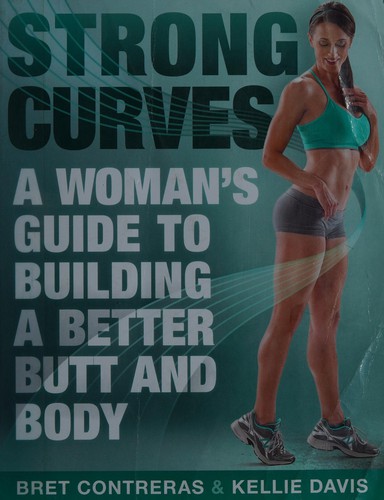
A program emphasizing hip thrusts and glute training with progressions for all levels.
Best for: women who want glute and body training.
2. The New Rules of Lifting for Women by Lou Schuler and Alwyn Cosgrove
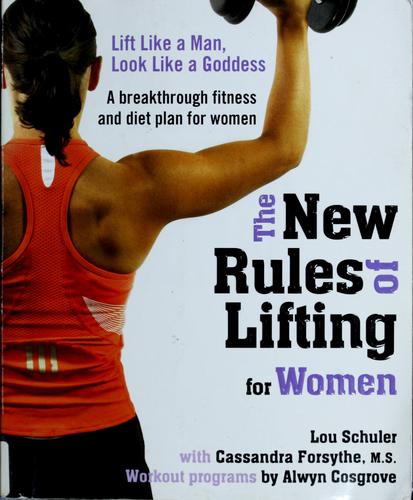
Explains why women should lift and provides a progressive program, along with nutrition tips.
Best for: beginners.
3. Roar by Stacy T. Sims
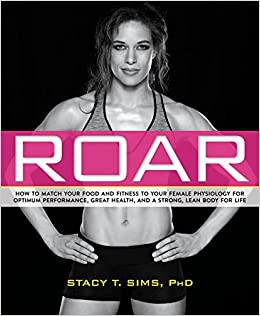
Argues that women should train and eat differently from men, with advice across the menstrual cycle.
Best for: women athletes.
4. Next Level by Stacy T. Sims and Selene Yeager
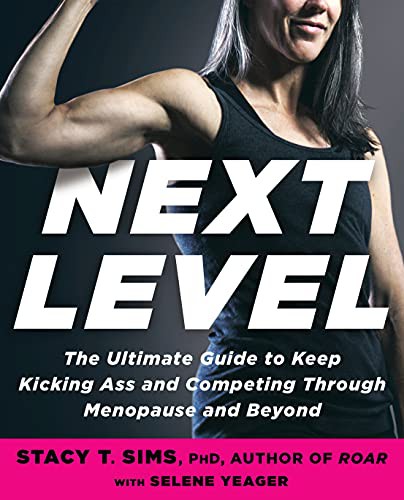
Explains how to adjust training and nutrition during perimenopause and menopause.
Best for: women over forty.
5. Strong Women Stay Young by Miriam E. Nelson
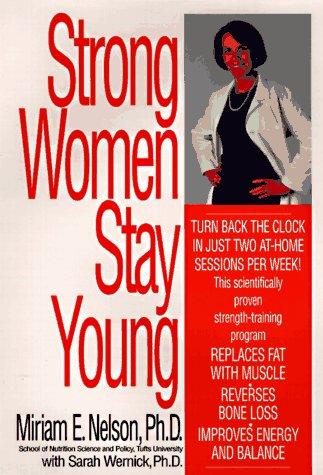
Based on research from Tufts University, it shows how strength training protects bones and muscles.
Best for: women concerned about aging.
6. Thinner Leaner Stronger by Michael Matthews
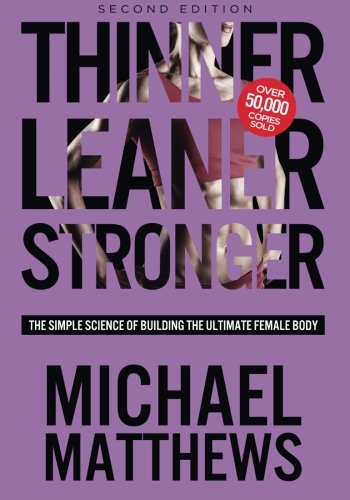
A popular program with nutrition and training advice. Some find the style marketing-heavy.
Best for: women wanting a simple plan.
7. Women’s Strength Training Anatomy by Frédéric Delavier
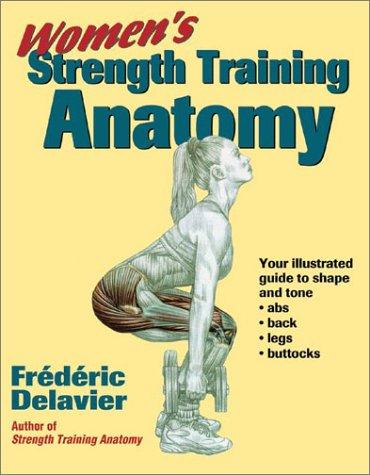
Illustrated guide to muscles worked in each exercise.
Best for: visual learners.
8. Starting Strength by Mark Rippetoe
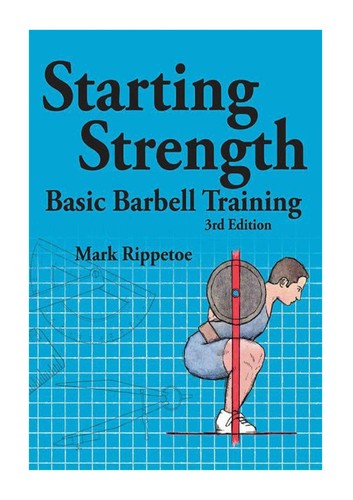
A classic barbell program with detailed technique instruction. Not written specifically for women but widely used.
Best for: beginners who want the basics.
9. The Muscle and Strength Pyramid by Eric Helms, Andy Morgan and Andrea Valdez
A thorough guide to training and nutrition based on research.
Best for: advanced beginners.
10. Practical Programming for Strength Training by Mark Rippetoe and Andy Baker
Covers how to design programs for progression.
Best for: serious lifters.
11. Becoming a Supple Leopard by Kelly Starrett
A guide to mobility and movement. Useful for avoiding injury.
Best for: lifters with tight bodies.
12. Younger Next Year for Women by Chris Crowley and Henry S. Lodge
Encourages daily exercise for health and vitality.
Best for: women over fifty.
13. Burnout by Emily Nagoski and Amelia Nagoski
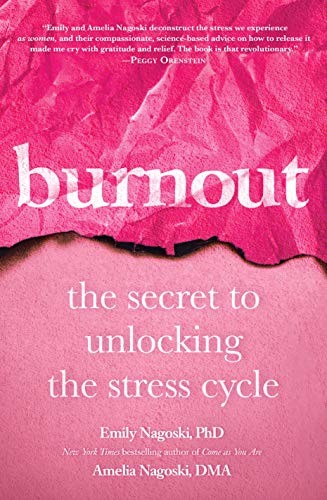
Helps you balance training and recovery.
Best for: exhausted women.
14. Peak Performance by Brad Stulberg and Steve Magness
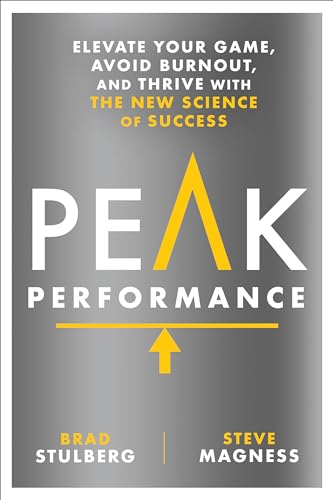
Shows how rest supports performance.
Best for: high achievers.
15. Atomic Habits by James Clear
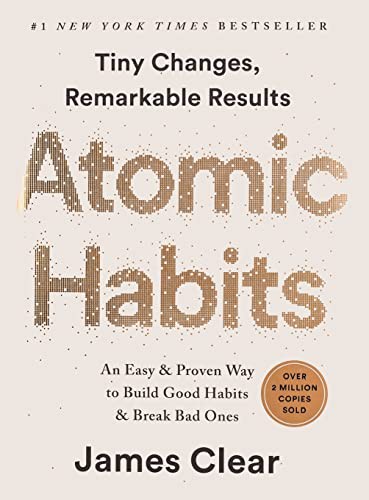
Helps you make exercise a habit.
Best for: readers building routines.
How to Choose the Right Book on Strength Training For Women
Choose by goal. For a full program, The New Rules of Lifting for Women, Strong Curves and Thinner Leaner Stronger give workouts. For science and hormones, Roar and Next Level explain training across cycle and menopause. For beginners wanting a barbell program, Starting Strength is a classic with a technique emphasis. For anatomy, Women’s Strength Training Anatomy illustrates exercises. For longevity, Strong Women Stay Young addresses bone health. For deeper programming, The Muscle and Strength Pyramid is thorough.
Which Book Should You Start With? A Quick Guide
If you are not sure where to begin, match your situation to the list below.
- Women who want glute and body training: Strong Curves
- Beginners: The New Rules of Lifting for Women
- Women athletes: Roar
- Women over forty: Next Level
- Women concerned about aging: Strong Women Stay Young
- Women wanting a simple plan: Thinner Leaner Stronger
- Visual learners: Women’s Strength Training Anatomy
- Beginners who want the basics: Starting Strength
- Advanced beginners: The Muscle and Strength Pyramid
- Serious lifters: Practical Programming for Strength Training
- Lifters with tight bodies: Becoming a Supple Leopard
- Women over fifty: Younger Next Year for Women
- Exhausted women: Burnout
- High achievers: Peak Performance
- Readers building routines: Atomic Habits
A Simple Reading Plan
Treat this list as a menu, not an assignment. Start with Strong Curves, because it gives you a clear overview of strength training for women without demanding much from you. Read in short sessions and underline or note the passages that make you stop. After a week or two, move to The New Rules of Lifting for Women for a different angle, then Roar when you want more depth. Spacing the books out gives the ideas time to settle, and applying one small idea per week is worth more than rushing through the whole shelf. Revisit your notes at the end of each month to see what has actually changed.
Print, E-Book or Audiobook?
Format matters more than people expect. If you tend to forget what you read, choose print or an e-book so you can underline and review. If your time is limited, audiobooks fit into the gaps of your day. For a topic like strength training for women, short chapters are an advantage, since you can finish one in a single sitting and think about it afterward. Libraries lend e-books and audiobooks free, and many offer print copies of new releases through holds. Try one format for a week and switch if it is not working.
How to Get More From What You Read
Reading about strength training for women only helps if something changes afterward, so build a small habit around it. Keep a notebook or a notes app, and after each chapter write one sentence about what stood out and one action you could take. Choose a single idea per week to test, such as a new routine, a conversation or a different way of thinking. Discuss what you are reading with a friend, a partner or an online group, since explaining an idea out loud makes it stick. Review your notes monthly and drop anything that did not help. The aim is progress you can notice, not a long reading list.
Reading on a Budget
Good books on strength training for women are easier to afford than most people think. Library cards open up print, e-book and audiobook borrowing, and interlibrary loan can find titles your branch does not own. Used copies cost a fraction of new ones, and many of the classics are inexpensive in paperback. Try a sample chapter online to see whether an author’s voice suits you before you commit. If you finish a book you love, consider passing it to a friend, which keeps the ideas moving and your shelf uncluttered.
Talk About What You Read
Ideas stick when you talk about them. Choose one book from this list and invite a friend, partner or colleague to read it with you, then meet for coffee to compare notes on strength training for women. Online communities and library groups also host discussions, and many of these books have free reading guides. If you prefer privacy, a journal works well: write a paragraph after each chapter on what you agree with, what you doubt and what you will try. Teaching an idea to someone else is one of the best ways to learn it, so explain what you read in your own words.
Common Mistakes to Avoid
A few pitfalls are worth avoiding. Do not buy a dozen books on strength training for women in one go; borrow one, finish it and then decide what to read next. Do not expect a single book to transform your life overnight, since the best ones work through small, repeated actions. Be cautious of any author who promises guaranteed results, and check an author’s credentials and sources. Finally, do not use reading as a way of avoiding action. If you notice yourself finishing book after book without changing anything, pick one idea and practice it this week.
How to Judge a Book on Strength training for women
A few quick checks can save you time when choosing a book on strength training for women. Look at who wrote it and what qualifies them. See whether the author cites research or sources, and whether those sources are recent enough to matter. Notice the tone: honest authors admit limits and exceptions, while less reliable ones speak in absolutes. Skim the table of contents and a sample chapter, and read both enthusiastic and critical reviews. If a claim seems too good to be true, search for what other experts say. Reading widely across several authors is the best protection against any single voice.
When Reading Is Not Enough
Books are a good start, but they are not the whole answer to every situation involving strength training for women. If your difficulties interfere with sleep, work, relationships or safety, talk with a doctor, counselor or other qualified professional. Support groups, whether in person or online, can give you something books cannot: people who understand and respond. Friends and family can help if you let them know what you need. Think of your reading as one part of a larger toolkit, and do not hesitate to add other tools. Asking for help is a sign of strength and often speeds progress.
Questions to Reflect On
Keep these in a notebook and return to them after each book:
- What do I most want to understand or change about {t}?
- Which idea from my reading feels true for me, and which do I doubt?
- What is one small action I can take this week?
- Who could I talk to about what I am learning?
- How will I know in a month that this reading helped?
Tips for Reading About Strength training for women
- Learn form. Start light and focus on technique.
- Progress gradually. Add weight slowly.
- Eat enough protein. Support muscle repair.
- Rest. Muscles grow during recovery.
- Be consistent. Two or three sessions a week is a good start.
Related: 15 Best Books on Nutrition for Beginners and the Gifts of Imperfection Summary and Key Takeaways.
Frequently Asked Questions
What is the best book on strength training for women?
Strong Curves and The New Rules of Lifting for Women are popular.
Will lifting make me bulky?
Women generally do not gain large amounts of muscle quickly; building significant muscle takes years of training and eating.
How often should I lift?
Two to three sessions per week is a good start.
How many books on strength training for women should I read at once?
One or two at a time is plenty. Finish a book, try one idea from it and then move on, so what you read turns into something you do.
Are these books on strength training for women available as audiobooks?
Most of them are. Check your library’s app, such as Libby, or an audiobook service, and listen to a sample to see whether the narrator suits you.