

Disclosure: As an Amazon Associate, Bookish Wisdom earns from qualifying purchases. This doesn’t change our picks or your price.
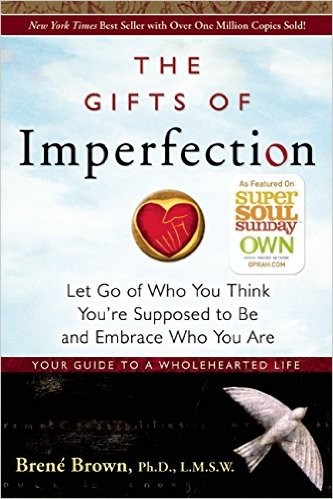
TL;DR: The Gifts of Imperfection: Let Go of Who You Think You’re Supposed to Be and Embrace Who You Are by Brene Brown offers ten guideposts for wholehearted living, a way of engaging with life from a place of worthiness. Brown shows how letting go of perfectionism, comparison and the need for approval makes room for authenticity, rest, play, gratitude and meaningful work.
Published in 2010, The Gifts of Imperfection was Brene Brown’s first book written for a general audience, and it laid the groundwork for her later work on vulnerability and shame. It grew out of her research on people who feel a strong sense of love and belonging, whom she calls wholehearted. The book is short, personal and structured around ten guideposts, each paired with something to let go. It’s a popular starting point for readers new to Brown. Here’s a summary of its main ideas.
Table of Contents
The Gifts of Imperfection at a Glance
| Detail | Info |
|---|---|
| Author | Brene Brown |
| Published | 2010 |
| Genre | Psychology, self-help |
| Core idea | Worthiness comes from embracing imperfection, not from earning it |
| Structure | Ten guideposts, each pairing a practice with something to let go |
| Best for | Perfectionists, people-pleasers and anyone seeking self-compassion |
What Is The Gifts of Imperfection About?
Brown begins by describing her research. Among people who lived wholeheartedly, she found a shared belief that they were worthy of love and belonging. This belief didn’t depend on their achievements, looks or circumstances. They also shared habits like courage, compassion and connection.
She also discusses the cost of perfectionism, which she describes as a twenty-ton shield that we carry thinking it will protect us. Perfectionism is not about healthy striving but about avoiding blame, judgment and shame, and it stifles creativity and joy.
Key Ideas, Part by Part
Guideposts One to Three: Authenticity, Compassion and Resilience
The first guidepost is cultivating authenticity, letting go of what people think. Brown says authenticity is a practice of choosing to show up as yourself. The second is cultivating self-compassion, letting go of perfectionism. She cites research by Kristin Neff, which describes self-compassion as self-kindness, common humanity and mindfulness.
The third is cultivating a resilient spirit, letting go of numbing and powerlessness. Brown explains that we often numb difficult feelings with food, alcohol, busyness or technology, but numbing also dulls joy. Resilience grows from hope, connection and the ability to feel.
Guideposts Four to Six: Gratitude, Trust and Creativity
Guidepost four is cultivating gratitude and joy, letting go of scarcity and fear of the dark. Brown found that joyful people practice gratitude, not just feel it. Guidepost five is cultivating intuition and trusting faith, letting go of the need for certainty. She describes faith broadly as a sense of trust and connection that helps us live with uncertainty.
Guidepost six is cultivating creativity, letting go of comparison. Brown says everyone has creative energy, and that unused creativity can turn into resentment. She encourages readers to make things, however small, without worrying about being good.
Guideposts Seven to Ten: Rest, Calm, Meaningful Work and Laughter
Guidepost seven is cultivating play and rest, letting go of exhaustion as a status symbol and productivity as self-worth. Guidepost eight is cultivating calm and stillness, letting go of anxiety as a lifestyle. Brown suggests that calm is a practice, not a personality trait, and that we can build it through breathing and mindfulness.
Guidepost nine is cultivating meaningful work, letting go of self-doubt and what you’re supposed to do. Guidepost ten is cultivating laughter, song and dance, letting go of being cool and in control. Brown says that shared joy is a sign of connection.
Putting the Guideposts Into Practice
Brown emphasizes that these are practices, not goals to achieve. She invites readers to pick one guidepost, make small changes and notice what shifts. She acknowledges that wholehearted living is a daily choice, and that falling short is part of the process.
The book includes personal stories, such as her own struggles with perfectionism, which makes the tone warm and relatable.
6 Key Takeaways From The Gifts of Imperfection
- You are worthy now. Worthiness is not earned by achievement.
- Perfectionism is a shield. It protects us from judgment but blocks connection.
- Practice self-compassion. Treat yourself as you would a friend.
- Gratitude fuels joy. Practice it daily.
- Rest and play matter. They are essential, not indulgent.
- Do meaningful work. Let go of should and follow what matters.
Ideas Worth Remembering
- Authenticity is a choice we make every day. (paraphrased)
- Comparison kills creativity. (paraphrased)
- Numbing dulls the good feelings as well. (paraphrased)
- Joy and gratitude are practices. (paraphrased)
How to Apply The Gifts of Imperfection in Real Life
- Choose one guidepost. Focus on it for a month.
- Write a self-compassion note. Respond to a mistake as you would to a friend.
- Start a gratitude list. Record three things nightly.
- Schedule rest. Treat it as an appointment.
- Create something small. Draw, bake, write or build without judging.
Criticisms and Limits
Critics say the book is light on step-by-step methods and that some readers may want more concrete tools. The language of faith and spirituality in one guidepost may not resonate with everyone, and the research is qualitative. Some argue that the emphasis on individual self-acceptance may overlook social pressures, such as inequality, that shape how people feel about themselves.
As a warm and accessible introduction to self-compassion, though, it has helped many readers. Treat it as an invitation to reflect and experiment.
The Gifts of Imperfection in One Minute
You are worthy of love and belonging as you are. Let go of perfectionism, comparison and people-pleasing by practicing authenticity, self-compassion, gratitude, trust, creativity, rest, calm, meaningful work and laughter. These ten guideposts are daily practices, not destinations.
Perfectionism Versus Healthy Striving
Healthy striving is self-focused and asks, how can I improve? Perfectionism is other-focused and asks, what will they think? Brown notes that perfectionists often fear failure, avoid risk and judge themselves harshly. Moving from perfectionism to healthy striving involves setting realistic goals, celebrating effort and treating mistakes as learning.
Using the Book With a Friend or Group
The guideposts lend themselves to discussion. A group could read one chapter per week and share a practice and a challenge. Questions might include: Where do I hide behind perfectionism? What do I numb? What would play look like for me? Sharing with trusted people reinforces the book’s message that connection reduces shame.
How It Differs From Daring Greatly
The Gifts of Imperfection is a gentler, more personal introduction, structured around ten guideposts. Daring Greatly dives deeper into vulnerability, shame and leadership. Many readers start with Gifts and then read Daring Greatly. Both draw on the same research, but they offer different entry points.
Spotting Your Own Perfectionism
Perfectionism can show up as procrastination, overworking, difficulty delegating or harsh self-talk after mistakes. Brown suggests asking what you are afraid will happen if you are less than perfect. Often the answer involves shame or rejection. Naming that fear and talking about it with someone safe can loosen its grip. Try one experiment: do a task at eighty percent effort and notice that the world does not end.
Rest as a Practice
The book argues that rest and play are not rewards but needs. Practical steps include protecting sleep, taking breaks during the day, scheduling a hobby without a goal and saying no to some commitments. Brown notes that exhaustion is often treated as a badge of honor, which makes it hard to slow down. Small acts, like a walk without your phone, remind you that your worth does not depend on productivity.
Who Should Read The Gifts of Imperfection?
Read it if you feel pressure to be perfect, struggle with self-criticism or want a gentle guide to self-acceptance. It’s short and easy to read. For more depth, follow it with Daring Greatly.
What to Read Next
- Daring Greatly by Brene Brown vulnerability, shame and courage
- Self-Compassion by Kristin Neff the proven power of being kind to yourself
- Big Magic by Elizabeth Gilbert creative living beyond fear
Related: Daring Greatly summary and key takeaways and The Mountain Is You summary and key takeaways.
Frequently Asked Questions
What is the main idea of The Gifts of Imperfection?
That embracing imperfection and cultivating ten practices allows us to live wholeheartedly.
What are the ten guideposts?
They include authenticity, self-compassion, resilience, gratitude, intuition, creativity, play and rest, calm, meaningful work and laughter.
Who are the wholehearted?
People who feel worthy of love and belonging and live with courage, compassion and connection.
Is this book different from Daring Greatly?
Yes, it is a shorter, gentler introduction organized around ten practices.
What should I read next?
Try Daring Greatly or Atlas of the Heart.